Global Steel Supply & Processing
Source 16Mo3 (1.5415) molybdenum-alloy steel plate for boiler drums, hot-fluid equipment and welded pressure components. Check EN 10028-2 strength by thickness, elevated-temperature proof stress, delivery condition and MTC requirements before placing an order.
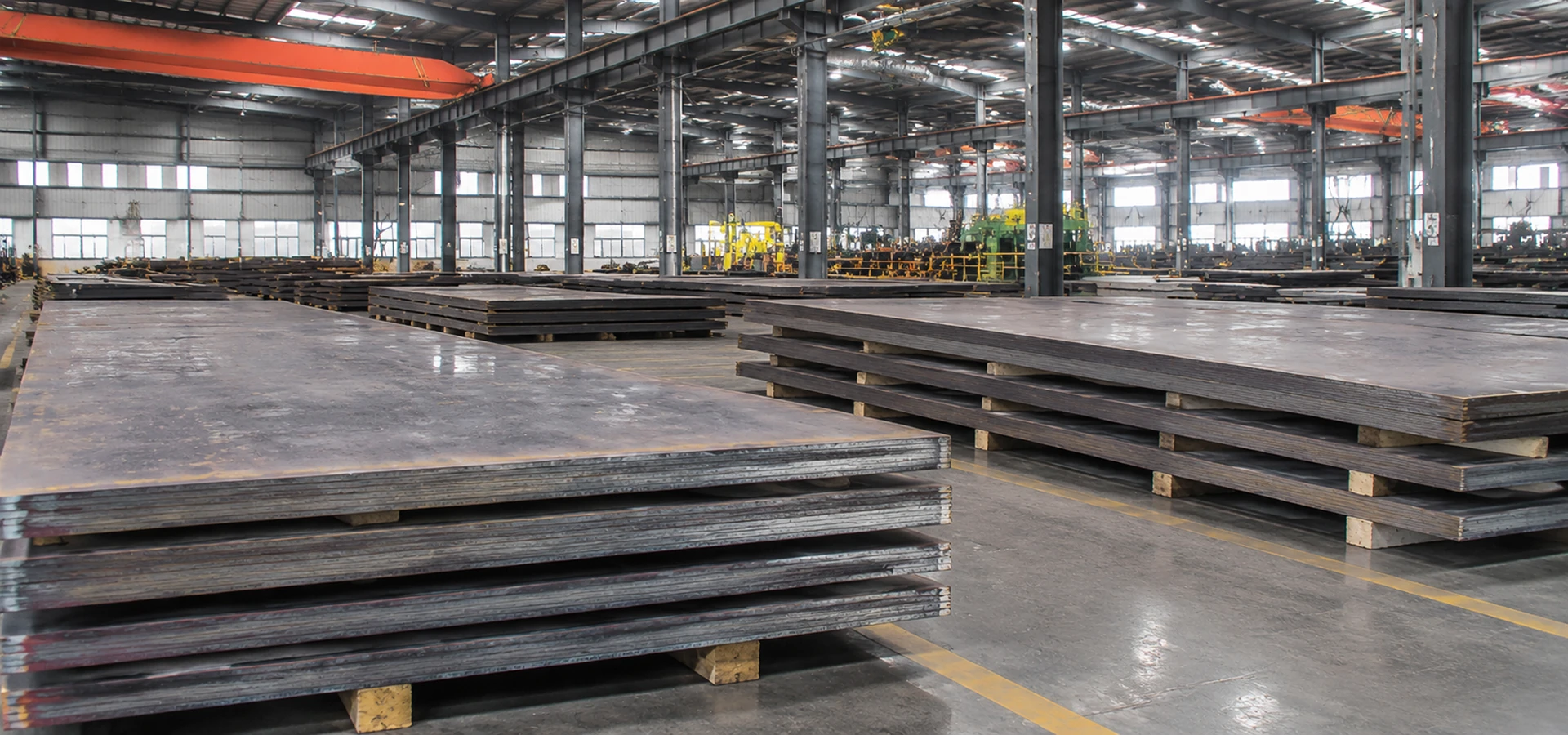
The purchase specification should define material grade, exact condition, plate geometry and document acceptance before quotation.
| Specification item | Order / certificate requirement |
|---|---|
| Material standard | EN 10028-2:2017 with EN 10028-1 general delivery requirements; request an exact standard edition on the purchase order. |
| Grade / material number | 16Mo3 (1.5415). State the EN designation consistently across quotation, marking and MTC. |
| Product form | Hot-rolled steel plate or cut-to-length plate. Confirm whether proposed material originates from plate rolling or coil and its associated tolerance/inspection route. |
| Thickness / dimensions | Nominal thickness × width × length in mm; exact available plate sizes, flatness and edge condition checked against the source mill and order. |
| Normal delivery condition | +N (normalized). Normalizing rolling may be used where permitted; untreated delivery is subject to agreement and testing requirements. |
| Certification | EN 10204 3.1 or 3.2 when supported by the mill and specified inspection process. Include heat number, mechanical data, chemistry, actual delivery condition. |
| Optional quality scope | UT standard and acceptance class, +20°C/0°C/−20°C Charpy selection, elevated-temperature test, project witness scope and PWHT simulation when applicable. |
A 16Mo3 plate quotation should use the strength row for the ordered thickness, with actual heat and test-unit results recorded on its certificate.
| Nominal thickness t | Minimum yield ReH | Tensile Rm | Minimum elongation A |
|---|---|---|---|
| ≤16 mm | 275 MPa | 440–590 MPa | 22% minimum |
| >16–40 mm | 270 MPa | 440–590 MPa | 22% minimum |
| >40–60 mm | 260 MPa | 440–590 MPa | 22% minimum |
| >60–100 mm | 240 MPa | 430–580 MPa | 22% minimum |
| >100–150 mm | 220 MPa | 420–570 MPa | 22% minimum |
| >150–250 mm | 210 MPa | 410–570 MPa | 22% minimum |
Quote this higher yield class only for the applicable thin-plate band.
Tensile acceptance changes with this thickness band; confirm measured results.
Thick-plate supply is mill-specific, with performance tested to the ordered EN route.
EN 10028-2:2017 Table 3, transverse direction. Values are minimum specified levels for each thickness band, not a statement of current stock or every mill’s rolling range.
For hot-pressure components, evaluate minimum proof stress at the actual design temperature and plate thickness instead of applying a single room-temperature figure.
| Plate thickness | Rp0.2 at 200°C | Rp0.2 at 300°C | Rp0.2 at 400°C | Rp0.2 at 500°C |
|---|---|---|---|---|
| ≤16 mm | 233 MPa | 194 MPa | 159 MPa | 141 MPa |
| >16–40 mm | 228 MPa | 190 MPa | 156 MPa | 139 MPa |
| >40–60 mm | 220 MPa | 183 MPa | 150 MPa | 134 MPa |
| >60–100 mm | 203 MPa | 169 MPa | 139 MPa | 123 MPa |
Use the temperature and thickness-specific minimum Rp0.2 data when evaluating the chosen material in your equipment design. The 275 MPa room-temperature yield value applies only to its stated room-temperature thickness band.
Allowable stress, creep life and maximum service temperature are governed by the project design code, design life and operating conditions. Include the governing code and temperature schedule with the material requisition.
The 0.25–0.35% Mo range and specified carbon, manganese and residual limits identify this pressure-equipment material.
| Element | Cast analysis (% by mass) |
|---|---|
| Carbon, C | 0.12–0.20% |
| Manganese, Mn | 0.40–0.90% |
| Molybdenum, Mo | 0.25–0.35% |
| Silicon, Si | ≤0.35% |
| Phosphorus, P | ≤0.025% |
| Sulfur, S | ≤0.010% |
| Nitrogen, N | ≤0.012% |
| Chromium, Cr | ≤0.30% |
| Nickel, Ni | ≤0.30% |
| Copper, Cu | ≤0.30% |
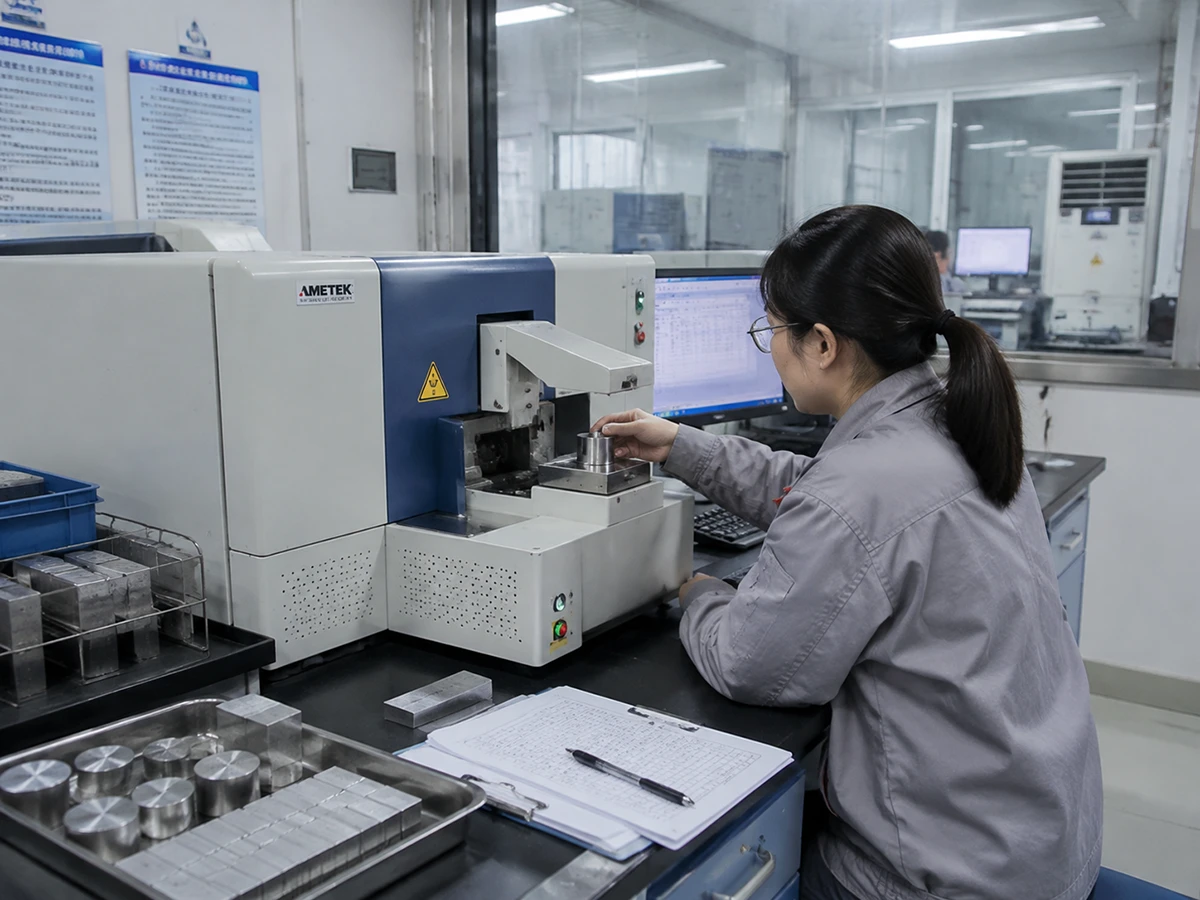
Check that the mill certificate shows the specified Mo range, the remaining element limits, steel number and heat identity. Request product analysis where the contract requires it.
Separate the standard +20°C value from any additional low-temperature inspection required for the completed boiler or pressure vessel.
The transverse Charpy V-notch impact energy listed for 16Mo3 is a minimum average of 31 J at +20°C; sample size and test practice follow the product standard.
Requirements for impact energy at 0°C or −20°C can be agreed at the enquiry and order stage. Specify the minimum energy and direction.
Include required impact temperature, specimen orientation, thickness location where applicable, results and any third-party witness documentation in the acceptance package.
Send the actual design temperature, code, test temperature, minimum joules, direction and plate thickness.
The grade name alone does not identify the actual heat-treatment history. Request the correct delivery notation and inspection documentation.
Specify +N where the design requires the usual EN 10028-2 condition. Review the actual mill condition and certificate designation.
Normalizing rolling may substitute for normalizing under the standard. Agree any simulated-normalizing checks and their frequency at purchase.
Untreated delivery can be agreed in the applicable cases. Testing must be on specimens in the prescribed usual delivery condition to demonstrate compliance.
Provide +N / normalizing-rolled / agreed untreated requirements, test condition and any PWHT simulation, rather than only the grade name.
Supply should match the approved material code, design temperature, fabrication route and specified inspection program.
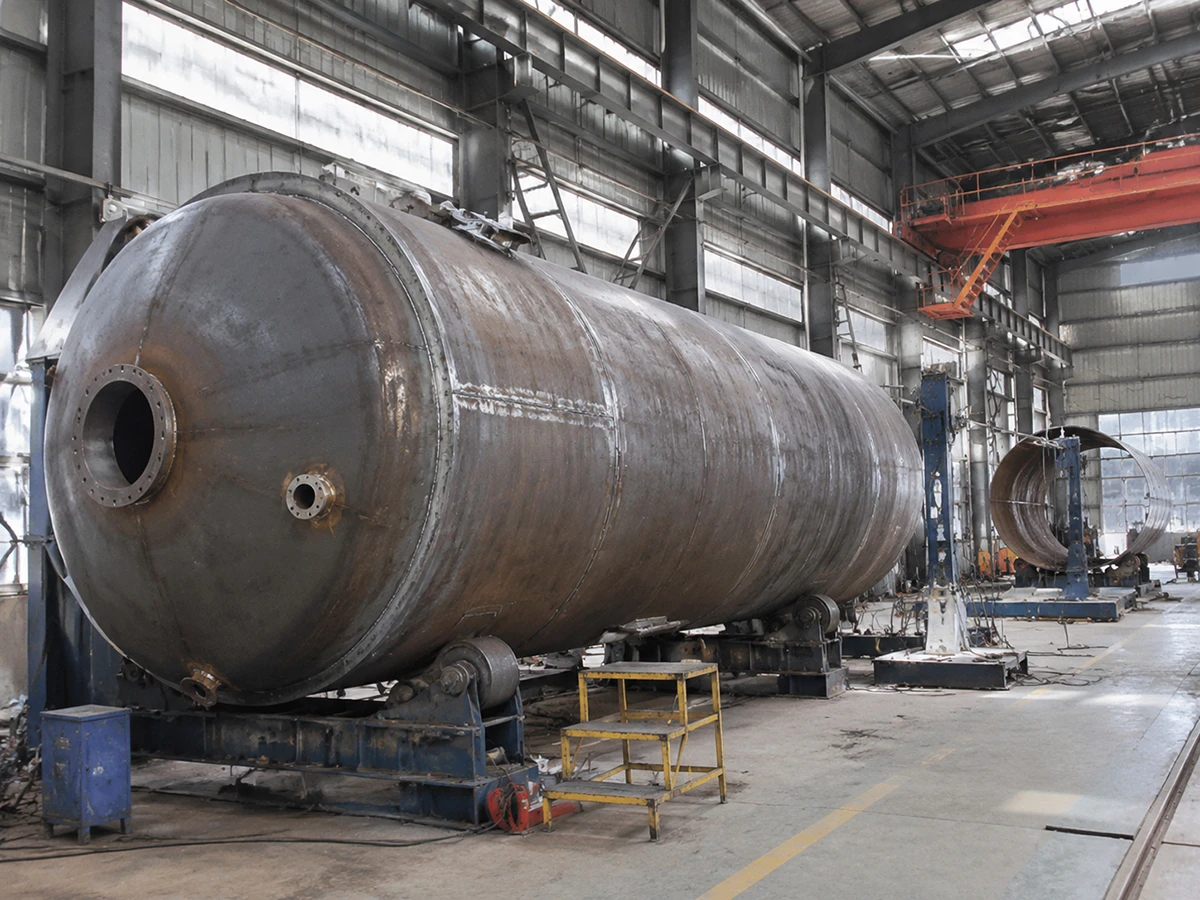
16Mo3 plate for code-designed boiler drums and thermal pressure equipment, subject to approved material specifications and fabrication procedures.
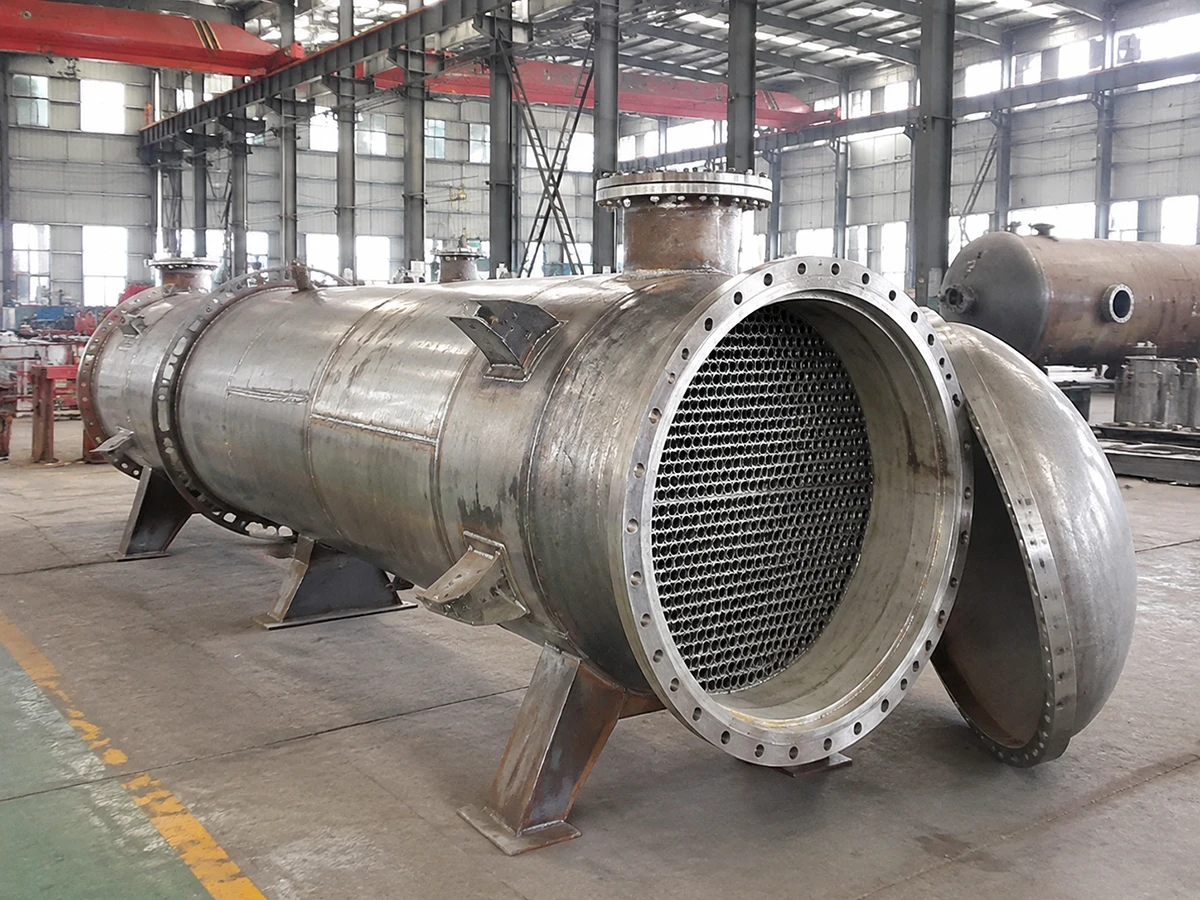
Molybdenum steel for heat-transfer equipment and hot-fluid components where the equipment design specifically calls for 16Mo3.
Boiler components and welded assemblies under approved pressure-equipment design specifications.
Thermal equipment, process heating systems and vessels containing hot fluids.
Shell sections and shaped parts requiring controlled chemistry, heat treatment and documentary traceability.
Organize a 16Mo3 order around verified source, material condition, test scope and shipment requirements.
We coordinate 16Mo3 availability by mill, actual plate dimensions, condition and the required EN 10028 documentation.
Heat chemistry, tensile data and additional high-temperature or Charpy tests are mapped to your material schedule.
Our company-wide production and stock operations support steel project sourcing and shipment planning; 16Mo3 lots are checked individually.
One quotation can cover plate dimensions, cut lists, packing, Incoterms and document release milestones.
Corporate operating figures refer to the full BAOSTEEL METAL steel business; they are not a capacity or stock guarantee for 16Mo3 specifically.
Confirm 16Mo3-specific supply rather than relying on general company inventory figures.
We check the requested 16Mo3 plate specification against producing-mill capability, available dimensions and the required inspection pathway before confirming supply. Requested plate dimensions and lead times are reviewed for each purchase.
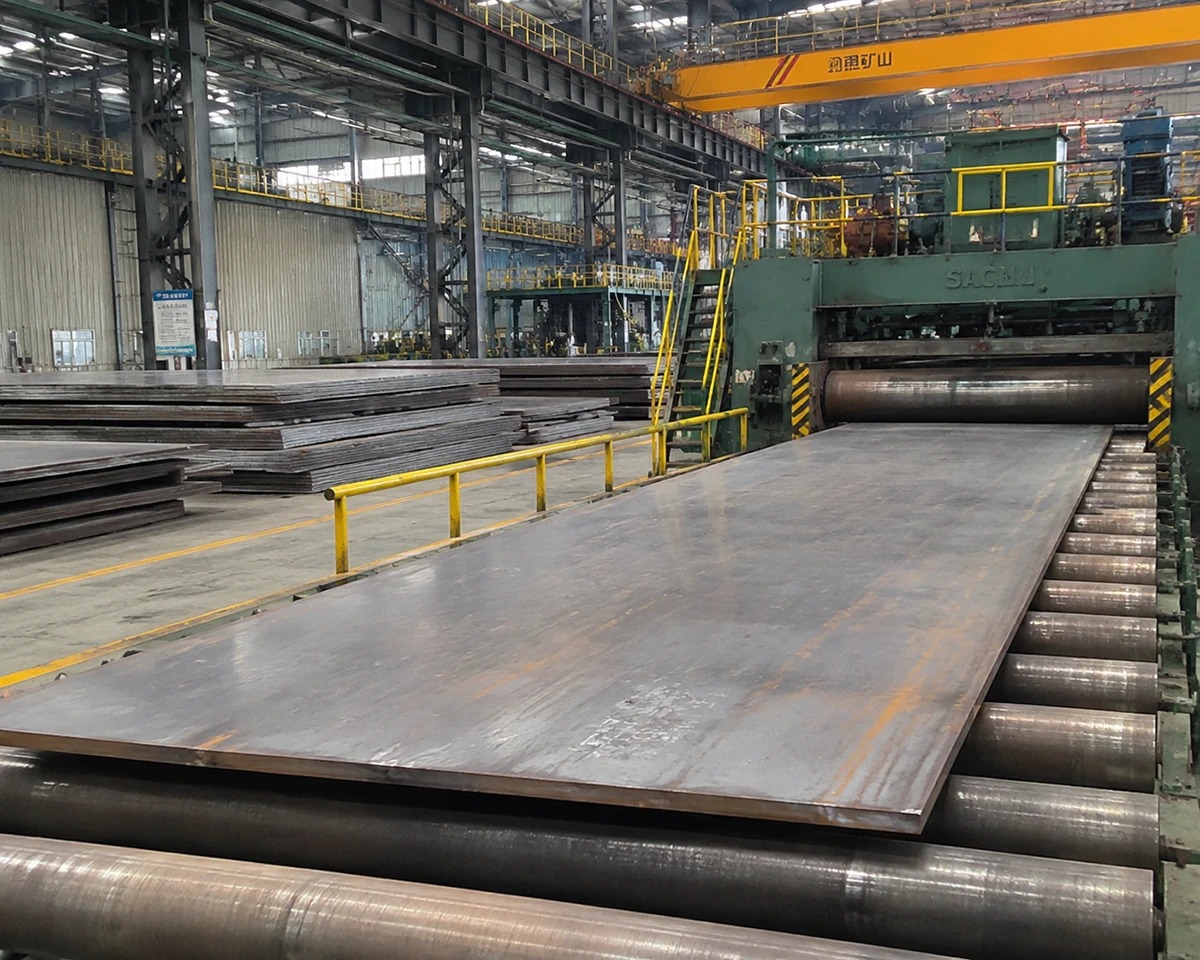
Review quality documentation before release and keep material heat identity visible through optional cutting and shipment.
The material acceptance pack should follow your design and order requirements from mill marking through dispatch. Additional third-party examination is coordinated when specified.
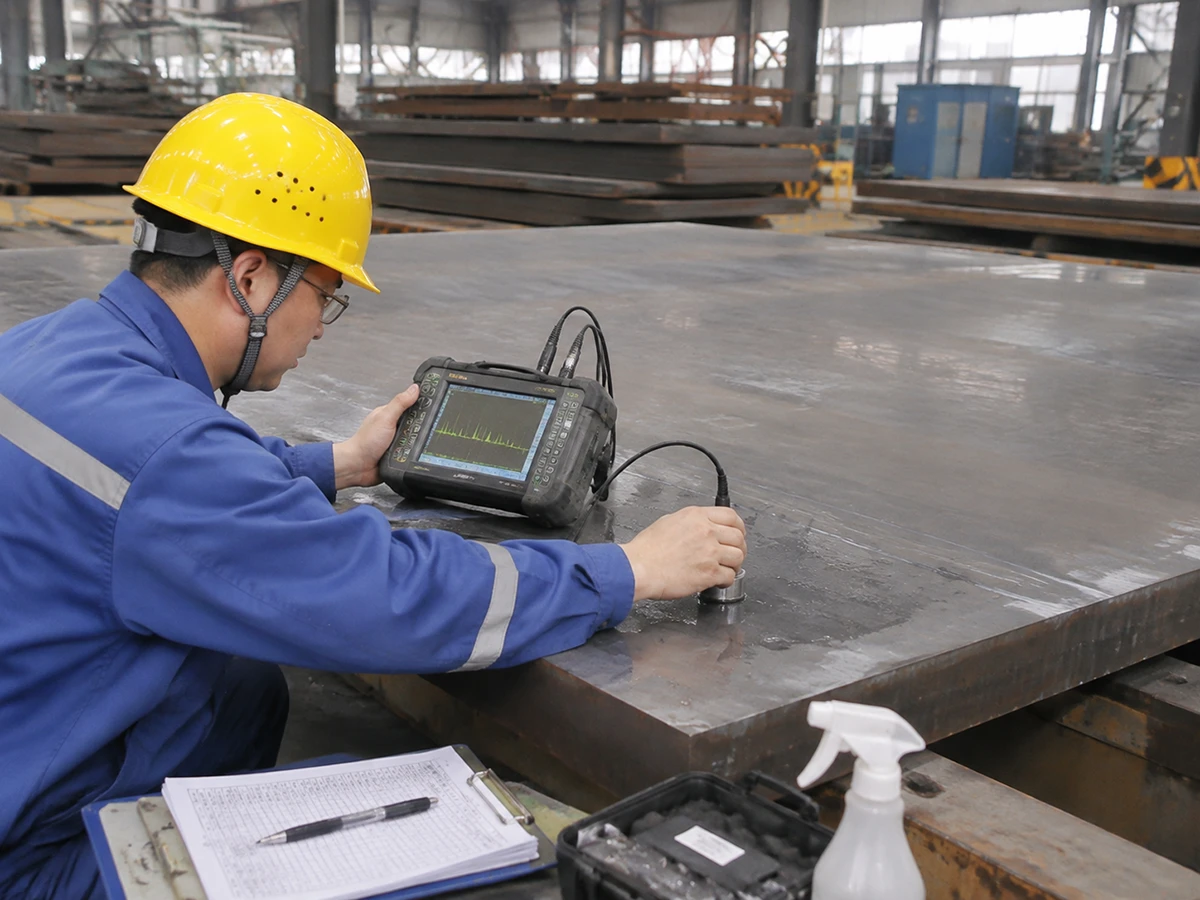
For boiler and pressure assemblies, fabrication procedures and test requirements must reflect the actual mill heat, thickness and design code.
Specify base-metal condition, thickness, preheat, heat input, filler metal and WPS/PQR route for the fabricated boiler component.
Plate rolling, forming temperature, bend radius and subsequent heat treatment require engineering review to retain the specified material properties.
Discuss any post-weld heat treatment, simulated PWHT coupon testing, long-duration thermal exposure and allowable-stress criteria with the pressure-equipment designer.
Calculate theoretical mass for freight preparation using nominal density; final settlement follows the agreed weighing and tolerance method.
Enter finished dimensions in millimetres and the number of plates. Actual shipped weight is measured under the sales contract.
Indicative density: 7,850 kg/m³. Calculations exclude tolerances, processing loss and packing weight.
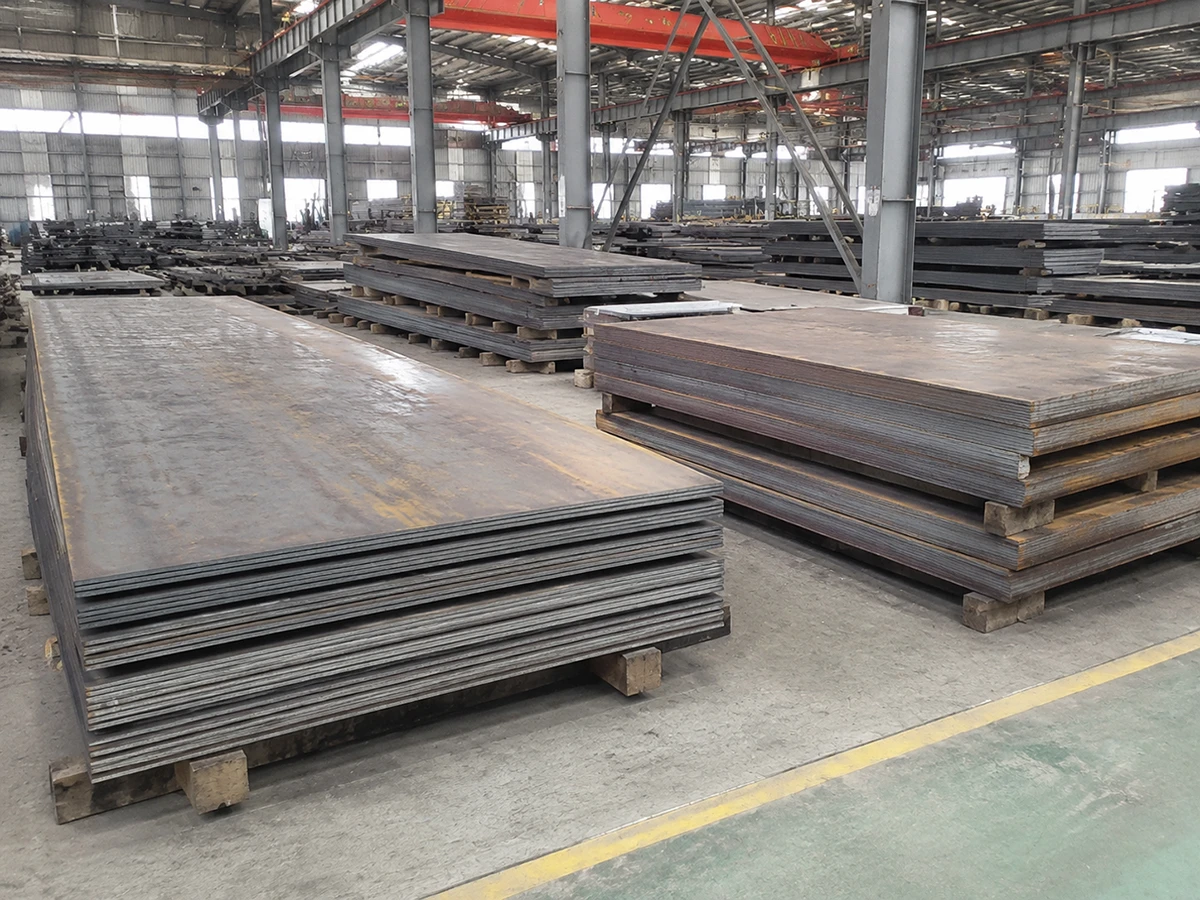
State the nominal size, acceptable tolerances, plate quantity, heat condition, finished edge requirements and design temperature so the quotation covers the right material.
Keep required dimensions and heat traceability linked to the material specification.
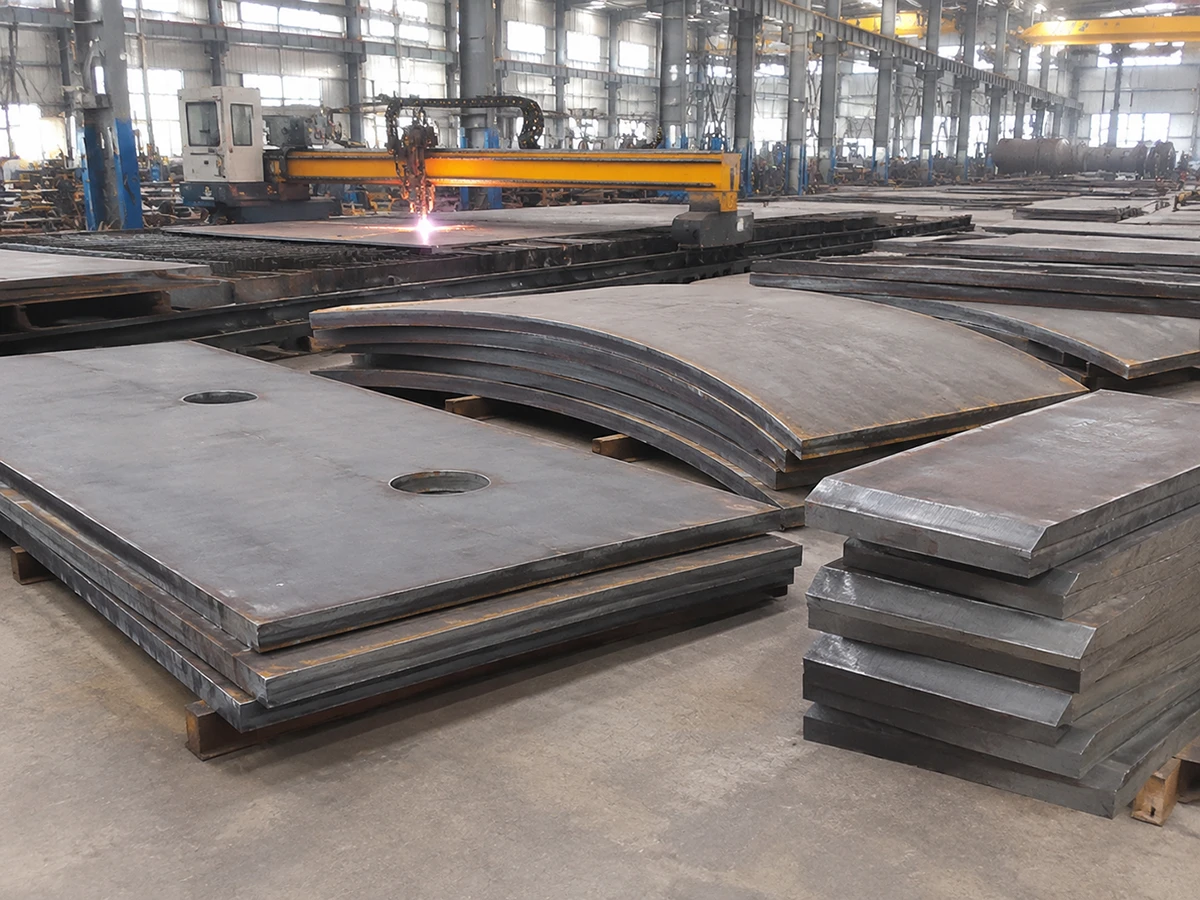
Where appropriate, we can coordinate basic plate preparation for downstream boiler fabrication. Send the drawing or cutting list with heat traceability and finished-size tolerances.
Plan gross weight, loading method and traceability before shipping release.
Coordinate plate loading, export packaging and certificates in one shipping schedule so your receiving team can reconcile the plate list to the material certificates.
Compare specified grades and documentation routes. Only the approved material selection should be quoted.
ASTM carbon-silicon plate; a different standard for intermediate/higher-temperature vessel service.
Separate tensile and chemistry requirements under ASTM A515.
Higher tensile class in the A515 range, without the 16Mo3 molybdenum specification.
EN 10028-2 pressure steel with a different chemistry and strength class.
GB chromium-molybdenum steel with separate project acceptance requirements.
Cr-Mo-V alloy plate for selected pressure and boiler equipment specifications.
Related products are shown as informational cards while draft pages remain unpublished. Activate grade-specific internal links only after their live URLs are checked. Material substitutions require engineering review.
Use the grade designation, design temperature and certification requirements when comparing supplier quotations.
16Mo3 (steel number 1.5415) is a molybdenum alloy steel plate grade in EN 10028-2 for pressure equipment with specified elevated-temperature properties. It is used in approved boiler, pressure-vessel and hot-fluid designs.
It ranges from 275 MPa at thicknesses up to 16 mm down to 210 MPa for thicknesses above 150 mm and up to 250 mm. The applicable value is determined by nominal plate thickness under EN 10028-2.
EN 10028-2 specifies 0.25–0.35% molybdenum in cast analysis. Check the actual heat analysis and product-specific requirements in the material certificate.
The usual condition is normalized (+N). Normalizing rolling may be used under the standard. Untreated delivery can be agreed subject to required testing in the usual condition; confirm the mill certificate.
The table specifies a transverse Charpy value of 31 J at +20°C. Values at 0°C or −20°C can be specified by agreement; state the required energy, direction and test temperature in the purchase order.
EN 10028-2 provides thickness-based elevated-temperature 0.2% proof-stress values, including 400°C. Suitability, allowable stress and service life must be confirmed by the equipment designer under the applicable design code.
These material standards have different chemistry and acceptance rules. A comparison can be made at the project-design stage, but substitution requires a code-compliant technical review and purchaser approval.
Specify EN 10204 3.1 or 3.2 as applicable to the producing mill and inspection route. Confirm heat identity, cast chemistry, mechanical properties, delivery condition and any supplementary test reports.
Cutting and marking may be coordinated for suitable plate sizes. Send a cutting list, tolerances, heat-marking needs and whether post-cut inspection or edge preparation is required.
Send standard edition, grade 1.5415, nominal dimensions, tonnage, delivery condition, design temperature, certificate type, UT and impact requirements, packing and destination.
Send your required grade, dimensions, quantity and destination. Our team will review the inquiry.
