
NM Wear Resistant Steel
NM360, NM400, NM450 and NM500 for engineering machinery and abrasion-resistant structural components.
Explore NM Grades →NM Series · AR Series · Hardox® Wear Plate · Bulk Factory Supply
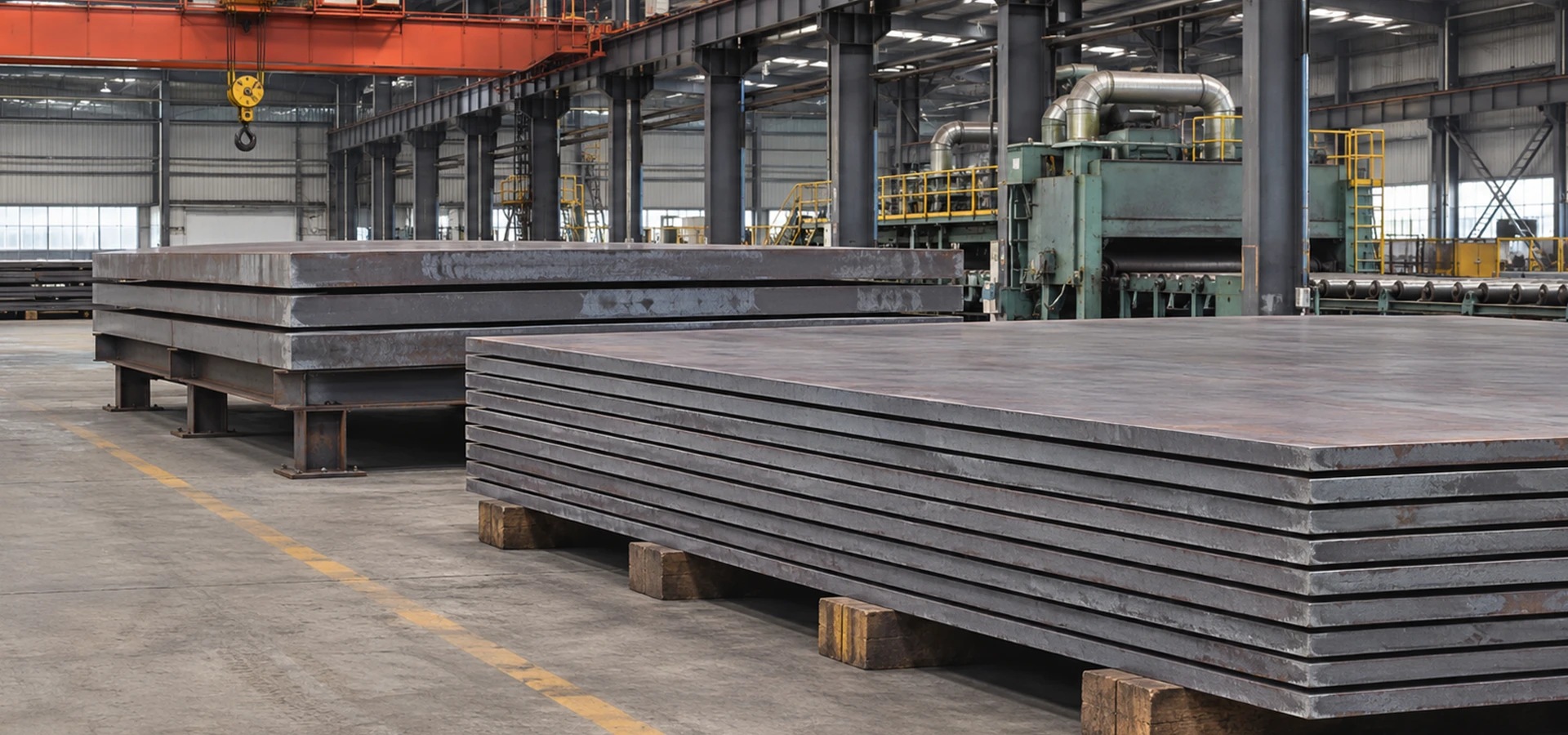
Choose the material family that matches your equipment, wear pattern, plate thickness and inspection requirements.
NM360, NM400, NM450 and NM500 for engineering machinery and abrasion-resistant structural components.
Explore NM Grades →AR400, AR450 and AR500 nominal hardness classes with producer-specific technical conditions.
Explore AR Grades →Brand-specific wear plate grades from SSAB, supplied against the requested product designation and original material documentation.
Explore Hardox® →Compare hardness, impact requirements, plate size and fabrication conditions before confirming your order.
Compare Grades →The standard defines thickness-dependent hardness requirements for NM grades. Use the table as a quick grade reference and confirm the complete order conditions against the applicable standard and material certificate.
| Grade | Surface Hardness | Standard Thickness Scope | Typical Purchase Focus | Product Page |
|---|---|---|---|---|
| NM360 | 330–400 HBW | Up to 120 mm | General engineering machinery wear parts | NM360 → |
| NM400 | 370–430 HBW (≤80 mm) 360–440 HBW (>80–120 mm) | Up to 120 mm | Bucket liners, chutes and material handling | NM400 → |
| NM450 | 420–480 HBW (≤80 mm) 410–480 HBW (>80–120 mm) | Up to 120 mm | Higher-hardness wear surfaces and liners | NM450 → |
| NM500 | 470–540 HBW (≤70 mm) 450–540 HBW (>70–100 mm) | Up to 100 mm | High-hardness wear components | NM500 → |
Hardness ranges are surface Brinell values from GB/T 24186-2022. NM360, NM400, NM450 and NM500 have different thickness bands; the standard also specifies centre-hardness and quality-class requirements where applicable.
Need a specific NM grade, plate size or inspection class?
AR400, AR450 and AR500 are nominal commercial wear-plate classes. Hardness bands, thickness coverage, chemistry and mechanical properties vary by producer and product range.
| Grade | Nominal Hardness Class | Published Producer Example | Product Page |
|---|---|---|---|
| AR400 | 400 HBW class | 360–440 HBW (Raex® AR 400 example) | AR400 → |
| AR450 | 450 HBW class | 420–500 HBW (Raex® AR 450 example) | AR450 → |
| AR500 | 500 HBW class | 470–540 HBW (Raex® AR 500 example) | AR500 → |
For enquiries specifying Hardox®, identify the exact SSAB grade and require matching original product identification and mill documentation.
Hardox® includes wear plate grades developed for different combinations of abrasion resistance, toughness and structural performance. Product thickness and hardness ranges are grade-specific.
Versatile wear plate grades with structural properties, selected for a balance of wear resistance, toughness and fabrication requirements.
A higher-hardness wear plate for severe abrasion applications such as liner plates, grizzly bars and wear parts.
A grade combining high hardness with toughness for selected structural wear applications, including truck bodies, buckets and containers.
Hardox® is a registered trademark of SSAB. Product availability and authenticity documentation must be confirmed for each enquiry.
Your best starting point is the actual material being handled, impact level, sliding distance, plate geometry and replacement schedule.
Consider hardness, abrasive particle size, material flow and contact pressure in chutes, hoppers and transfer points.
Check toughness, plate support, impact direction and the material drop height for buckets and loading zones.
Include load-bearing requirements, weld details, bending geometry and the product's guaranteed mechanical properties.
Compare thickness, hardness profile, mounting pattern and access for replacement during maintenance.
Specify impact test temperature, specimen orientation and absorbed energy where the project requires toughness at low temperatures.
Confirm cutting, drilling, welding and forming procedures for the selected steel grade and thickness.
Clear product details help your receiving and fabrication teams confirm the material format and cut-piece requirements.
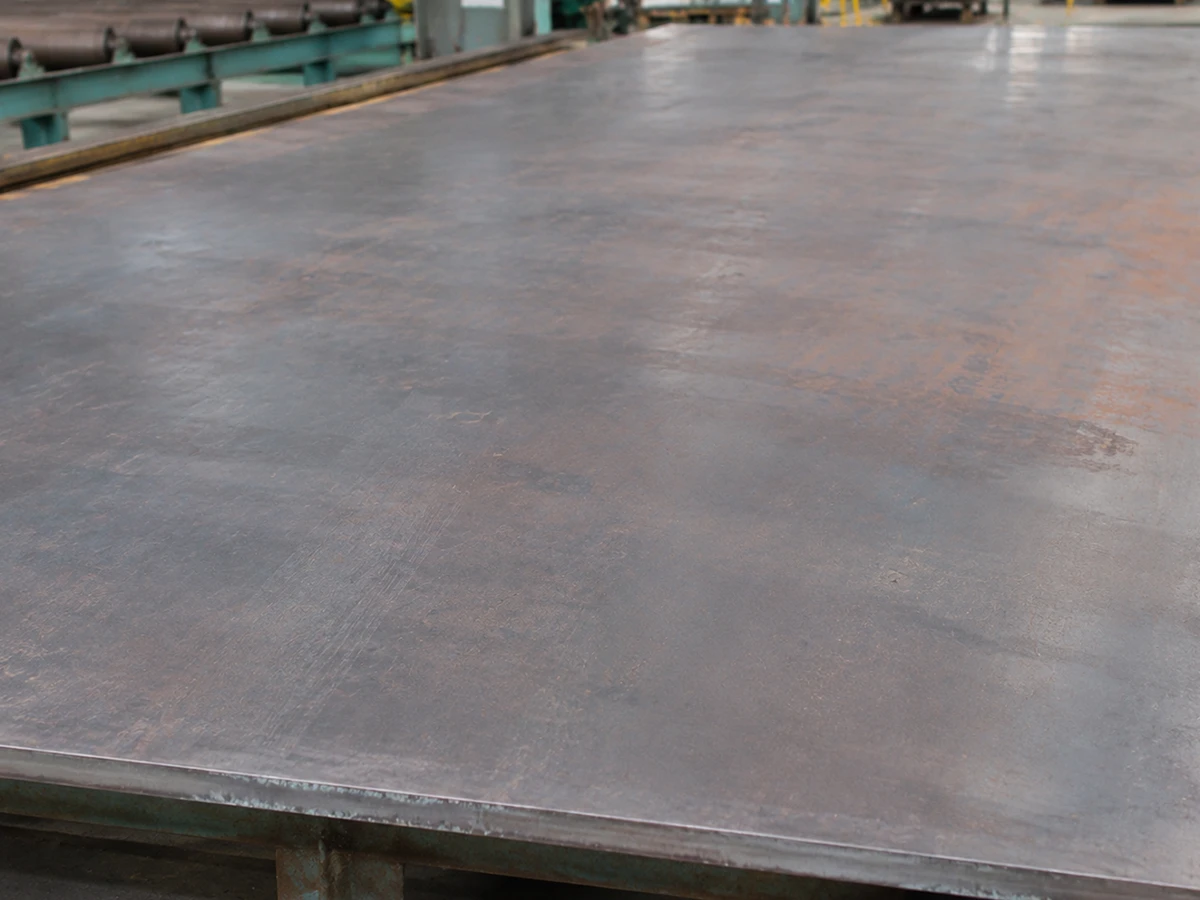
Check the actual surface condition, mill finish and identification requirements.
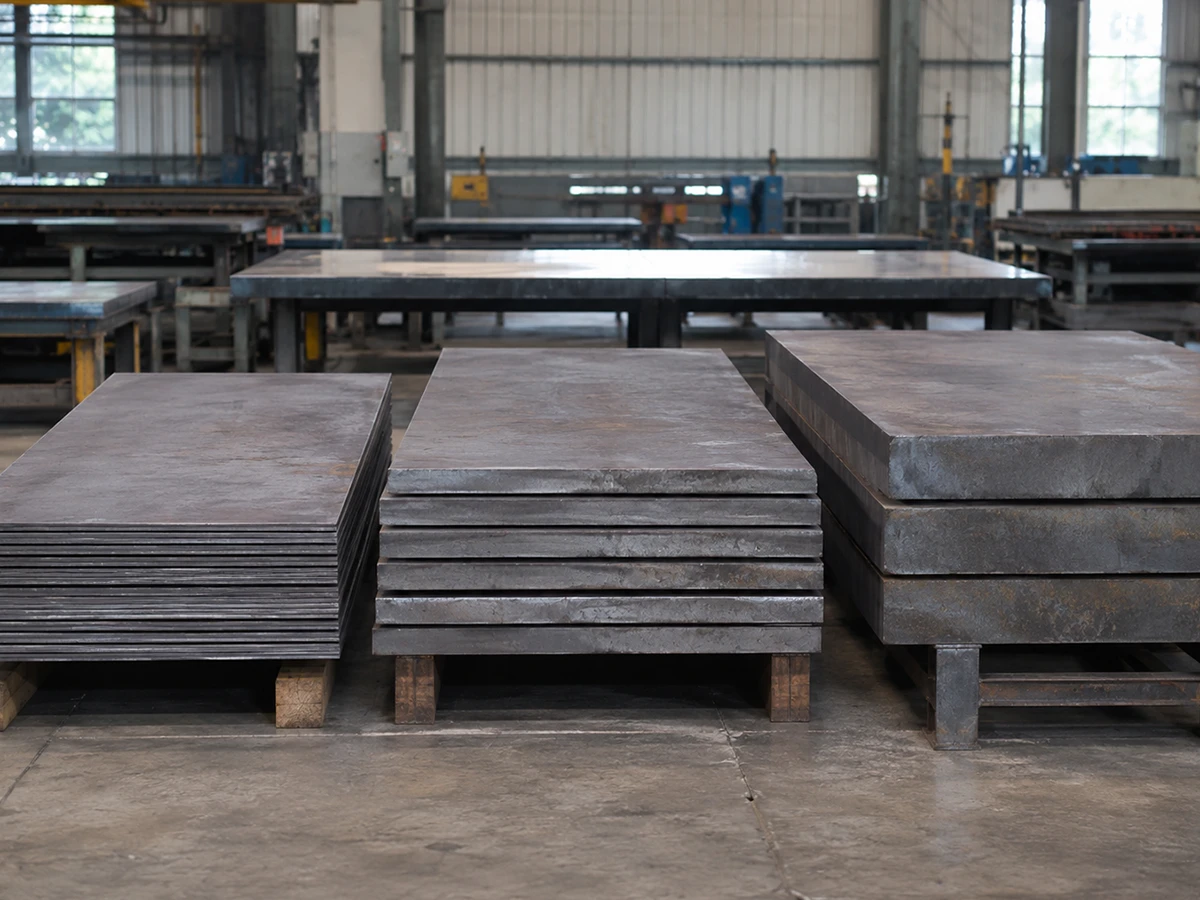
Specify nominal thickness, width, length, edge condition and dimensional tolerances.
Choose plate grade and dimensions for the actual wear areas in your equipment and production process.
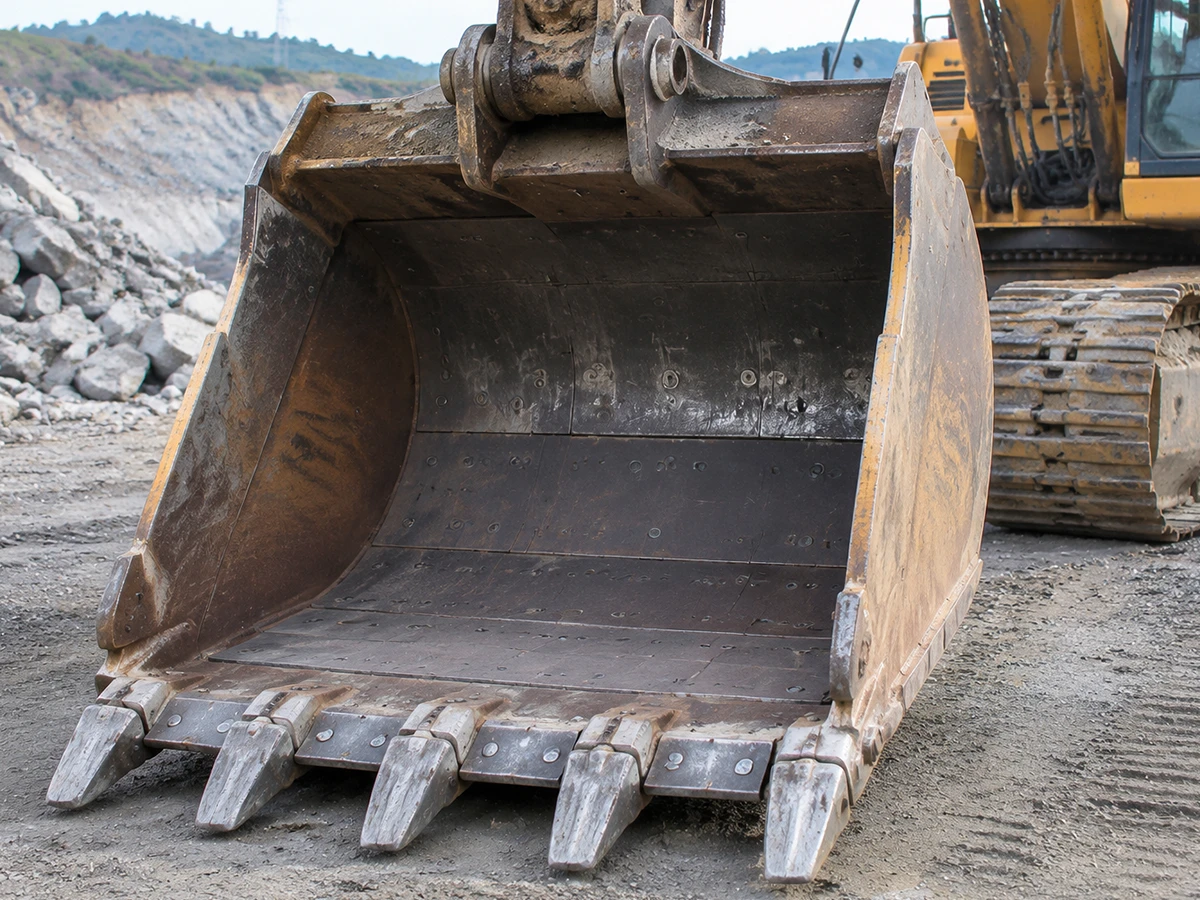
Bucket liners, shovel wear parts and protective panels.
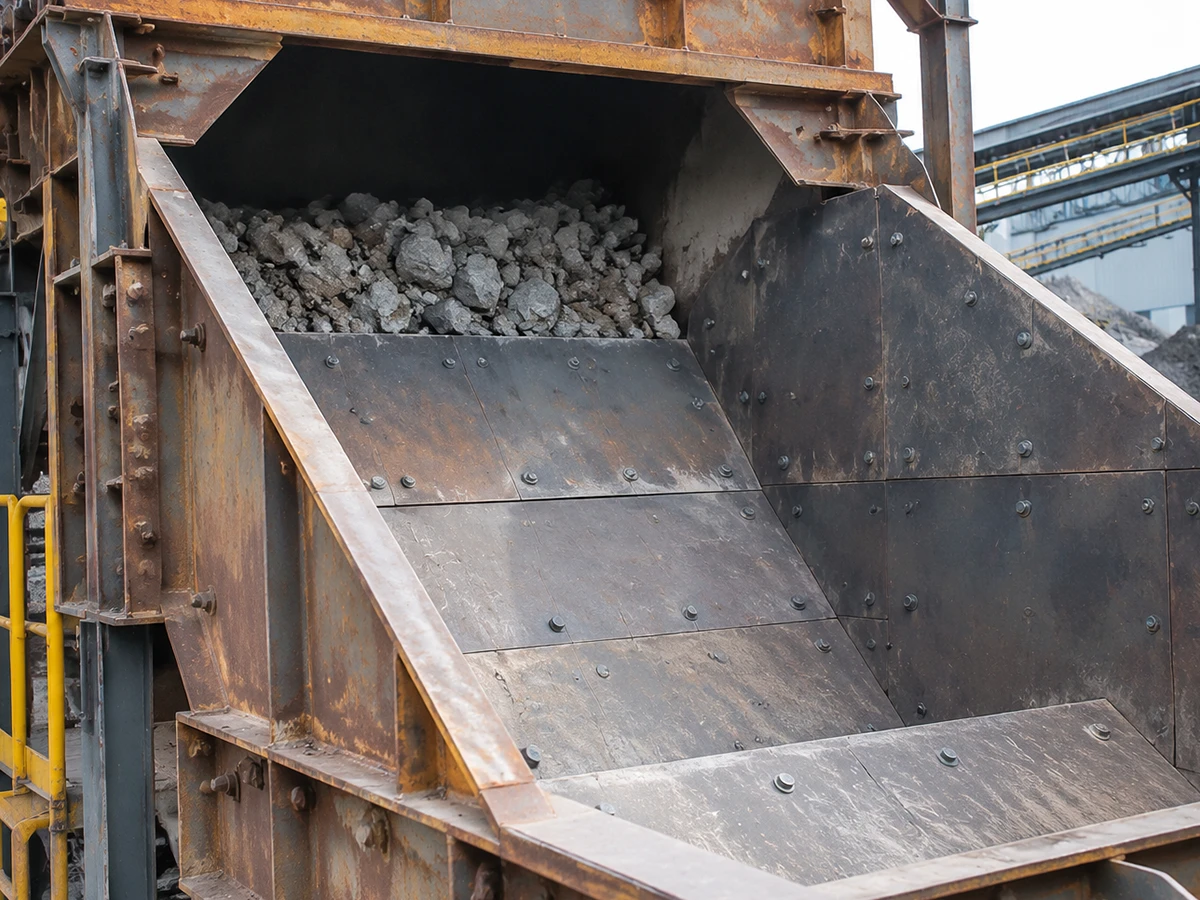
Replaceable liners for ore, rock and aggregate transfer.
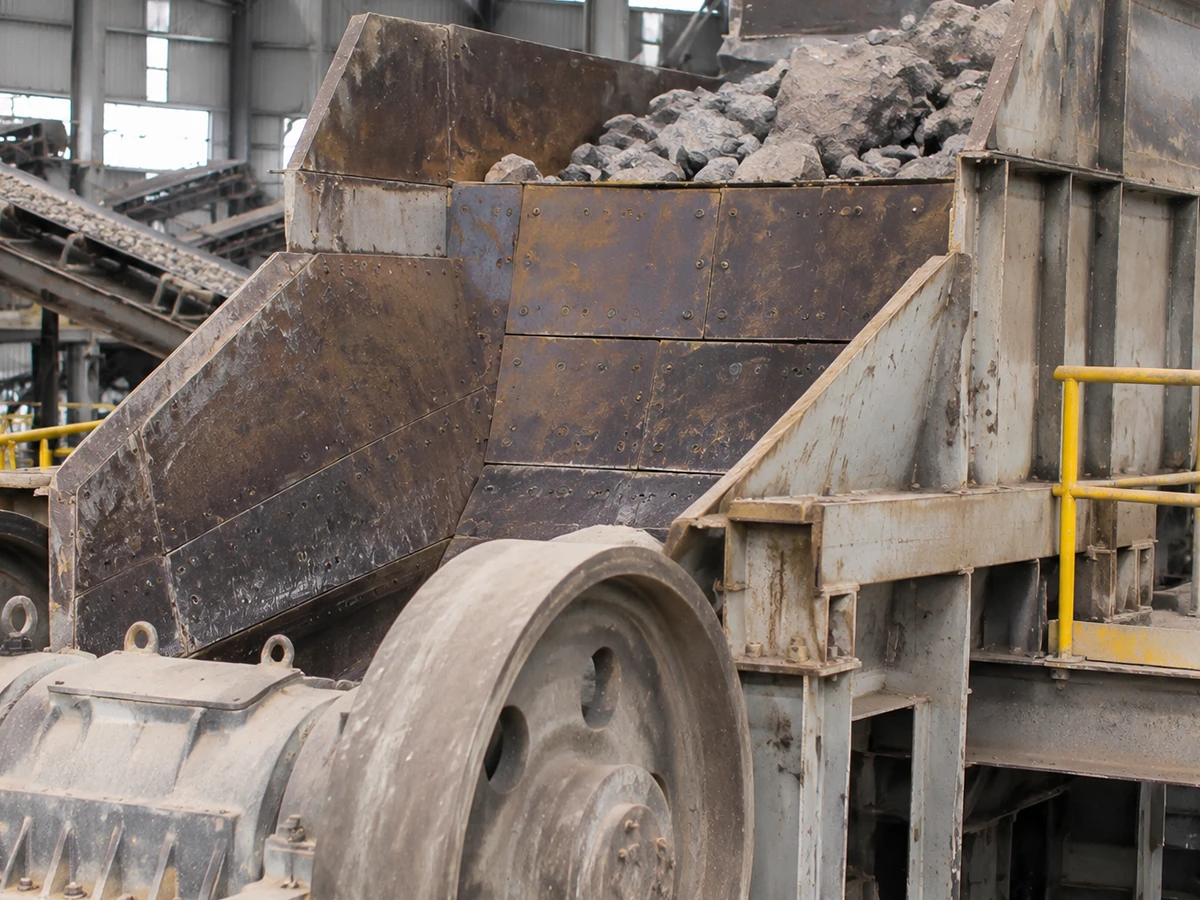
Wear plates for crusher feed zones and screening equipment.
Floor and side liners for bulk loading and haulage equipment.
Wear surfaces in conveyors, bins and material processing lines.
Replaceable wear panels for bins, hoppers and material-feed equipment.
Send equipment drawings, wear-part sizes and quantity for a project-based quotation.
Your wear plate order is coordinated around material specifications, inspection requirements, supply planning and export delivery.
Actual annual steel production across the company’s product range.
Company-wide steel inventory supporting supply planning across product groups.
Industrial production facilities and steel supply operations.
A manufacturing workforce supporting production and order coordination.
Specify the checks and documents your project needs before confirming the purchase order.
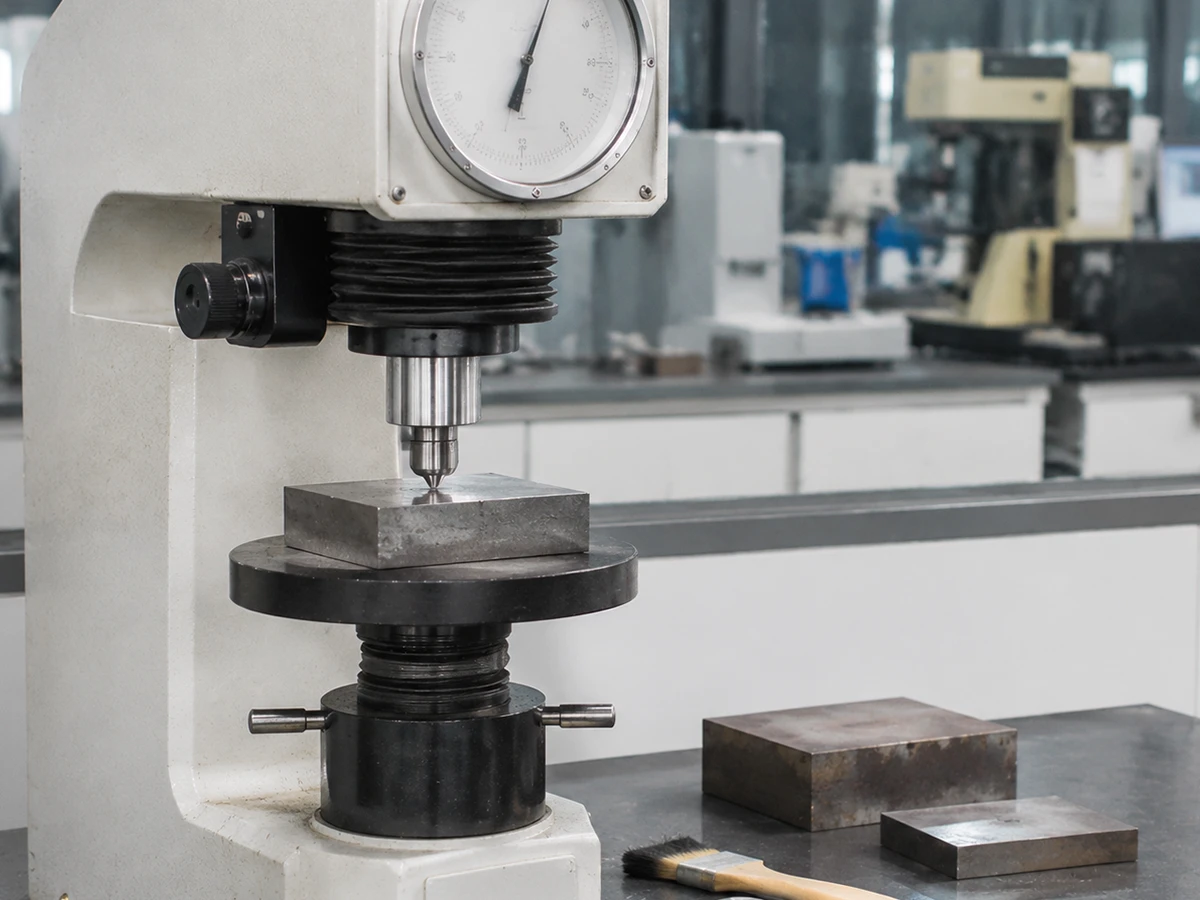
Your order can define hardness testing, heat analysis, dimensional inspection and supplementary mechanical tests according to the selected product specification.
Include finished dimensions and drawings when you need cut blanks or prepared wear components.
Profile shapes and blanks for suitable thicknesses and drawing geometry.
Heavy plate contours and larger industrial components.
Mounting holes, bevels and finished edge requirements by agreement.
Processing method, tolerances, heat input and any preheat requirements depend on the selected grade, plate thickness and approved procedure.
Send one list covering full plates or cut parts, with the requested quality documents and destination.
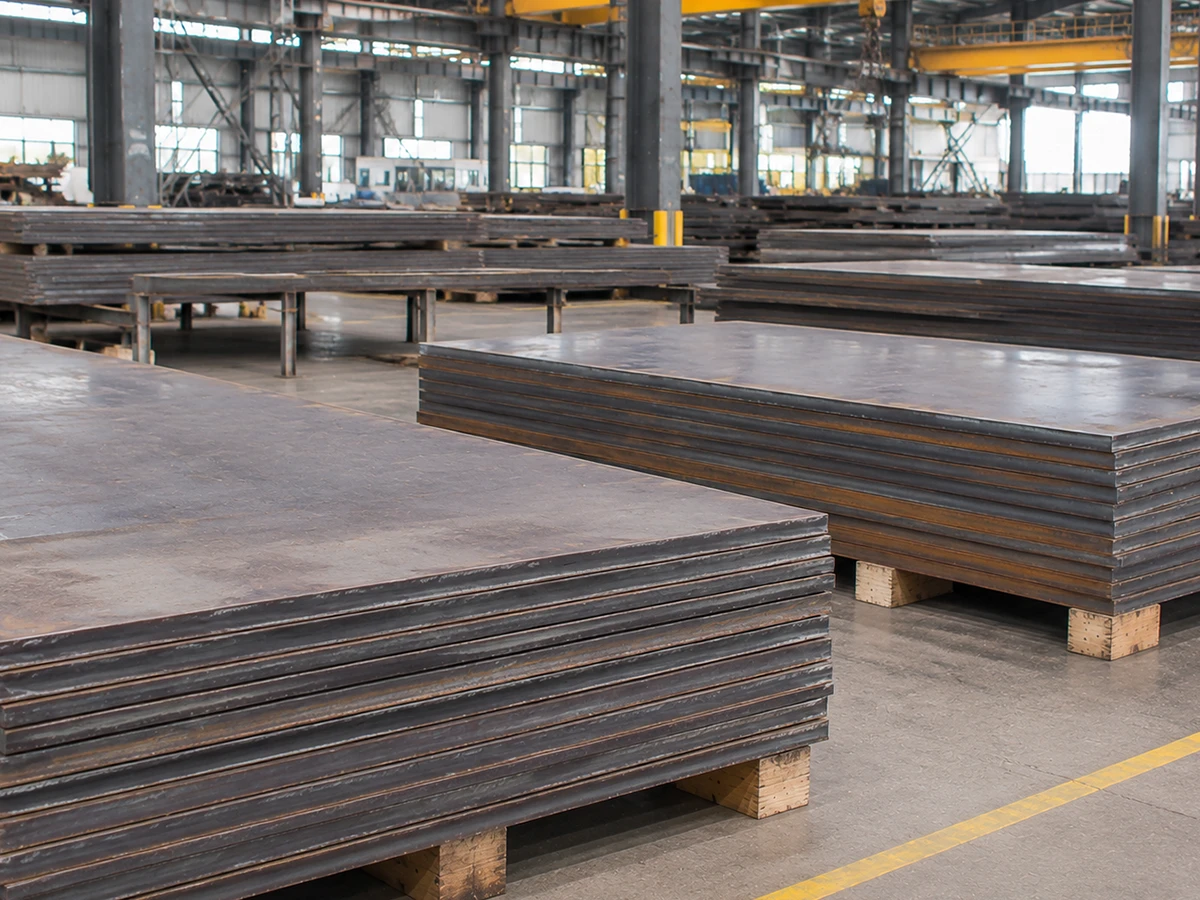
Share the grade, plate dimensions, quantity and destination port. Our team will confirm matching supply options, inspection documents, packing arrangements and shipment timing.
Calculate nominal plate weight from dimensions and quantity for an initial purchasing estimate.
The calculation uses nominal dimensions and a reference steel density. Final shipment weight follows the agreed measurement and tolerance basis.
Include each grade, size and quantity so your quotation can cover the complete order.
Confirm bundle sizes, handling equipment, protection and shipment documentation with your order.
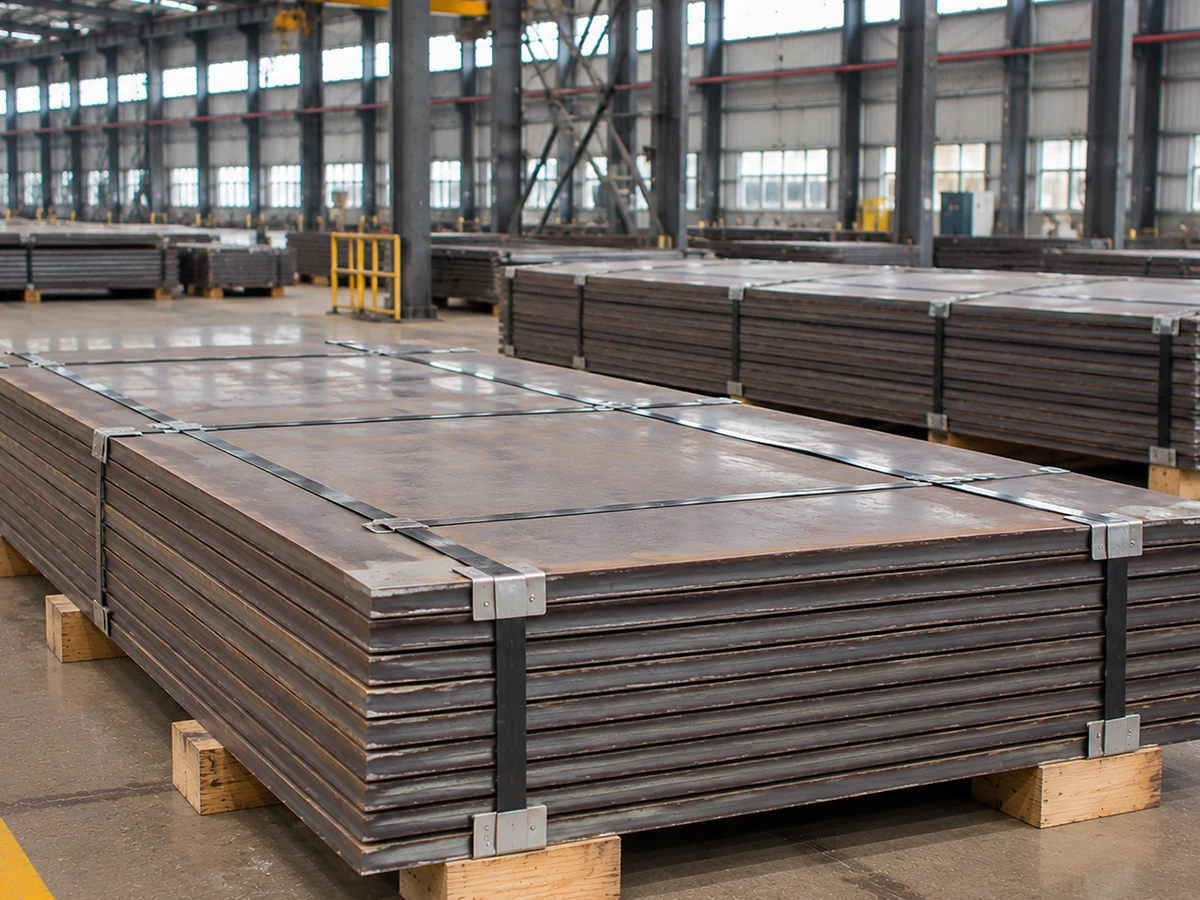
Full plates and cut wear components can be organized by grade, dimensions and order reference. Share your preferred supports, strapping and unloading requirements.
Open the dedicated grade pages for detailed hardness, material requirements, applications and quotation information.
Quick answers to common grade selection and procurement questions.
Start with the wear mechanism, impact level, abrasive material, plate thickness and component design. Compare NM, AR and brand-specific product data before selecting the grade.
NM grades follow GB/T 24186-2022. AR400, AR450 and AR500 are commercial grade descriptions whose exact hardness and technical acceptance conditions depend on the selected producer.
They are different purchasing specification systems. Compare the certified hardness range, chemistry, thickness, impact properties and delivery condition before substituting one for the other.
Provide the drawing, thickness, finished dimensions, hole locations and quantity. Cutting and drilling options are confirmed against the selected material and geometry.
Specify the required material test certificate, heat analysis, hardness test records, dimensional inspection and supplementary impact or tensile tests in your order.
Specify the exact Hardox® grade. Original product identification and SSAB mill documentation should match the supplied material; availability is confirmed for each enquiry.
Send your required grade, dimensions, quantity and destination. Our team will review the inquiry.