BAOSTEEL METAL / MARINE STRUCTURAL STEEL

Shipbuilding Steel Plate

Hot-rolled hull structural steel plate for shipbuilding, vessel blocks, decks, bulkheads and marine structures. Compare ordinary-strength Grade A / B / D / E with higher-strength AH36 / DH36 / EH36, then specify your class society, plate schedule and certification requirements for a factory quotation.

ASTM A131 / A131MGRADE A / B / D / EAH36 / DH36 / EH36CLASSIFICATION REQUIREMENTS
SHIP PLATE PROCUREMENT

Specify your grade, class society and plate schedule.

Share your required grade, classification society, thickness, width, length, quantity, delivery condition and certificate scope. Our team will review the material and shipment details for your enquiry.

WhatsAppEmail
Explore shipbuilding steel grades ↓
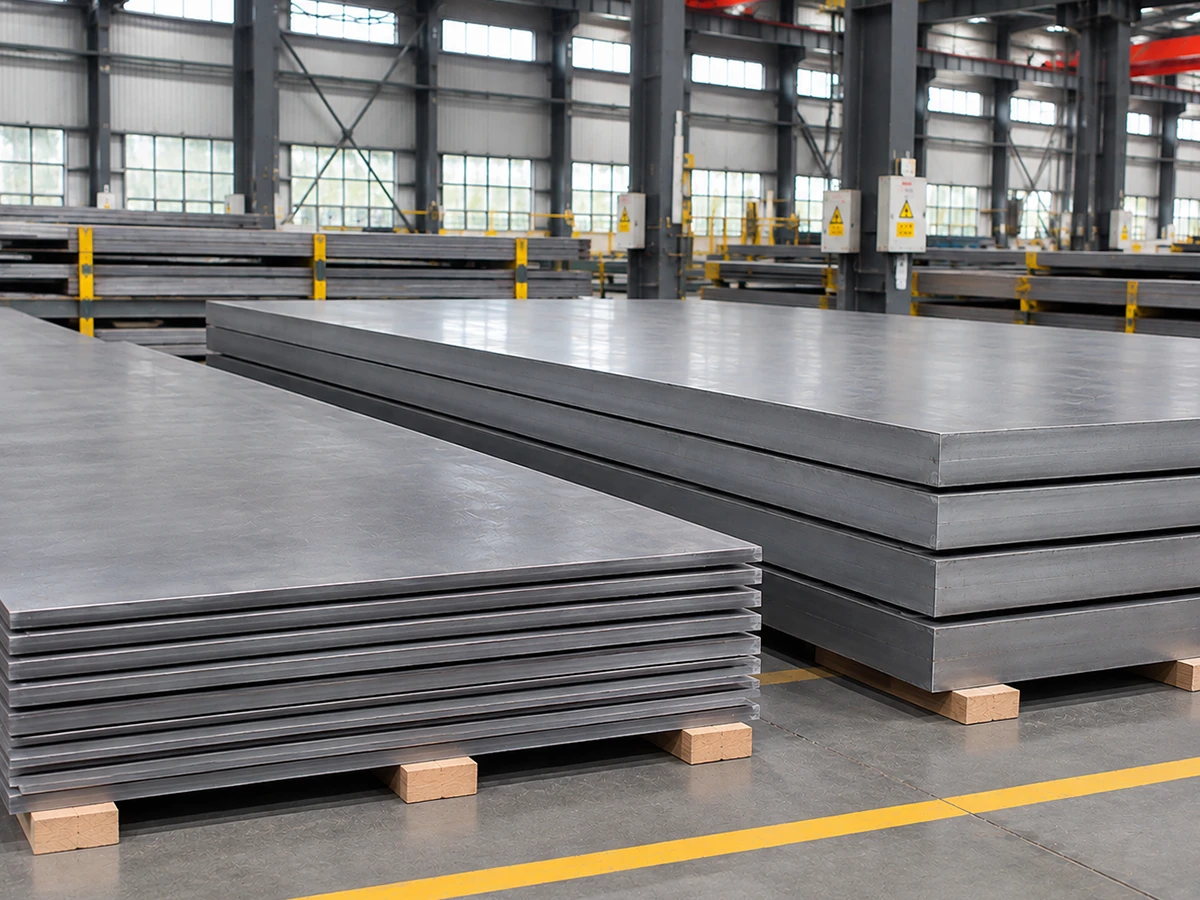
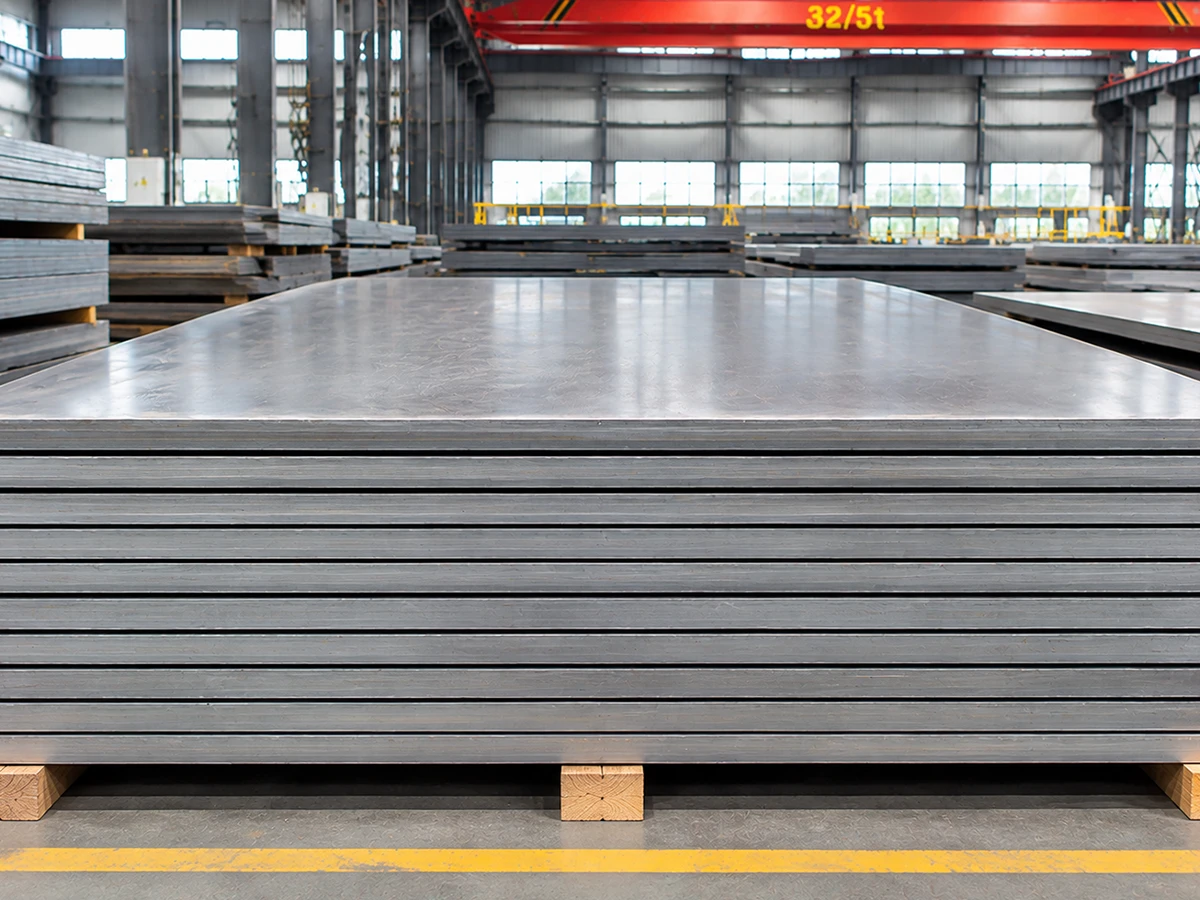
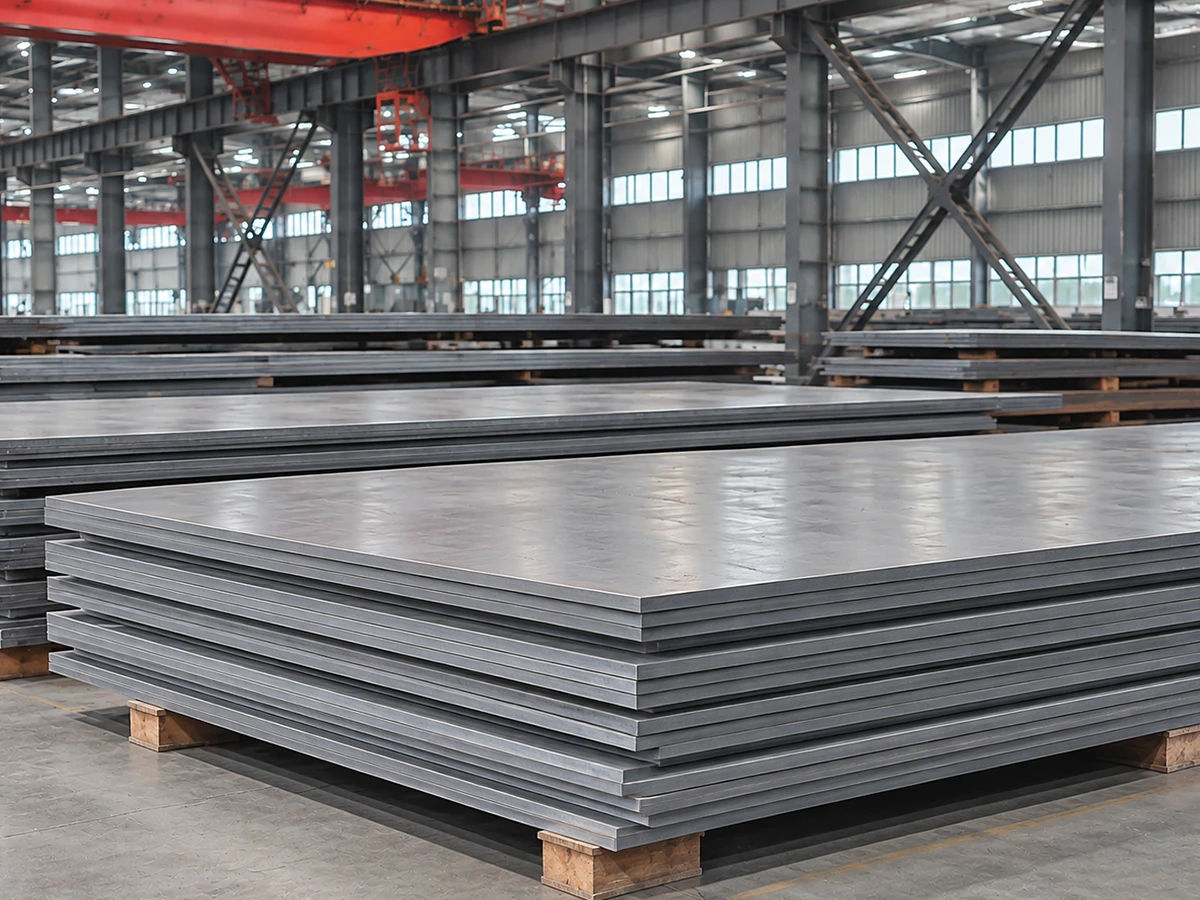
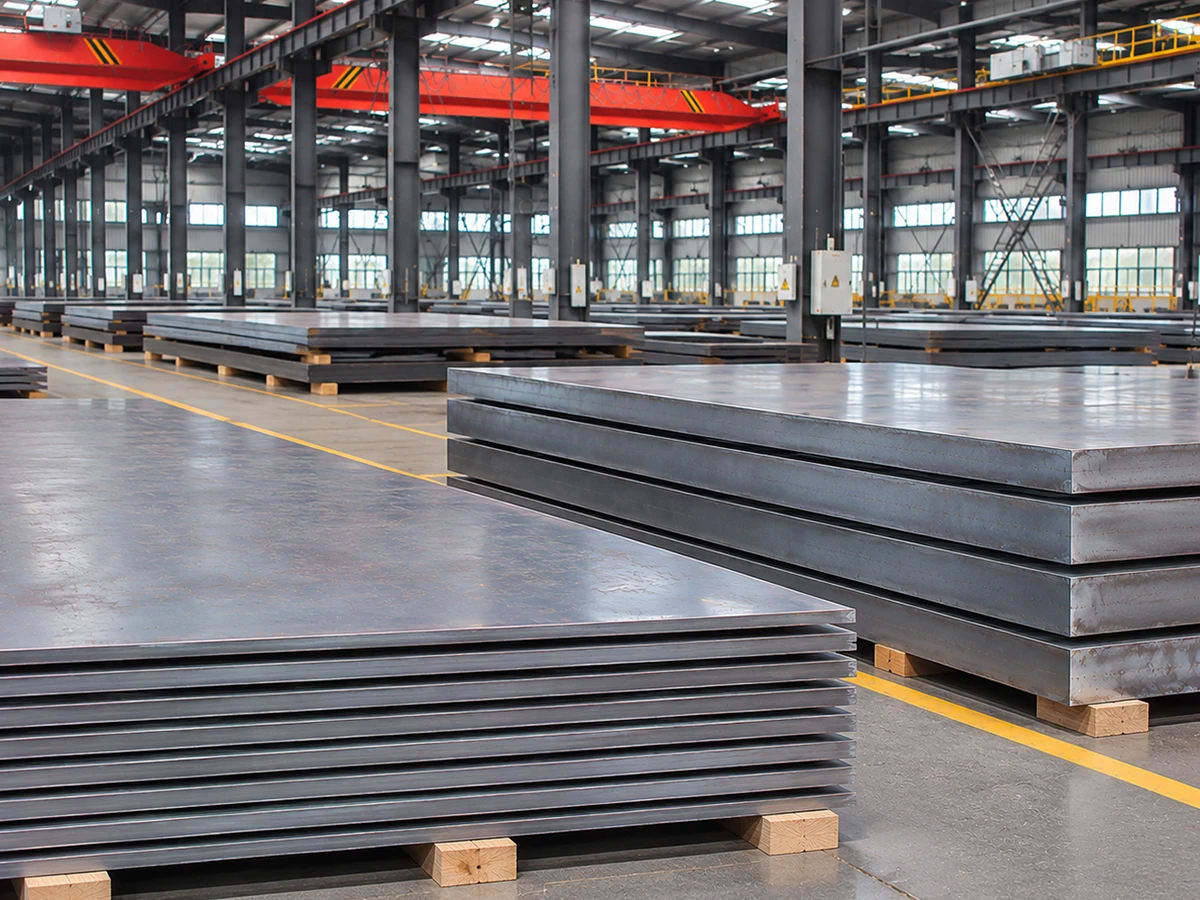
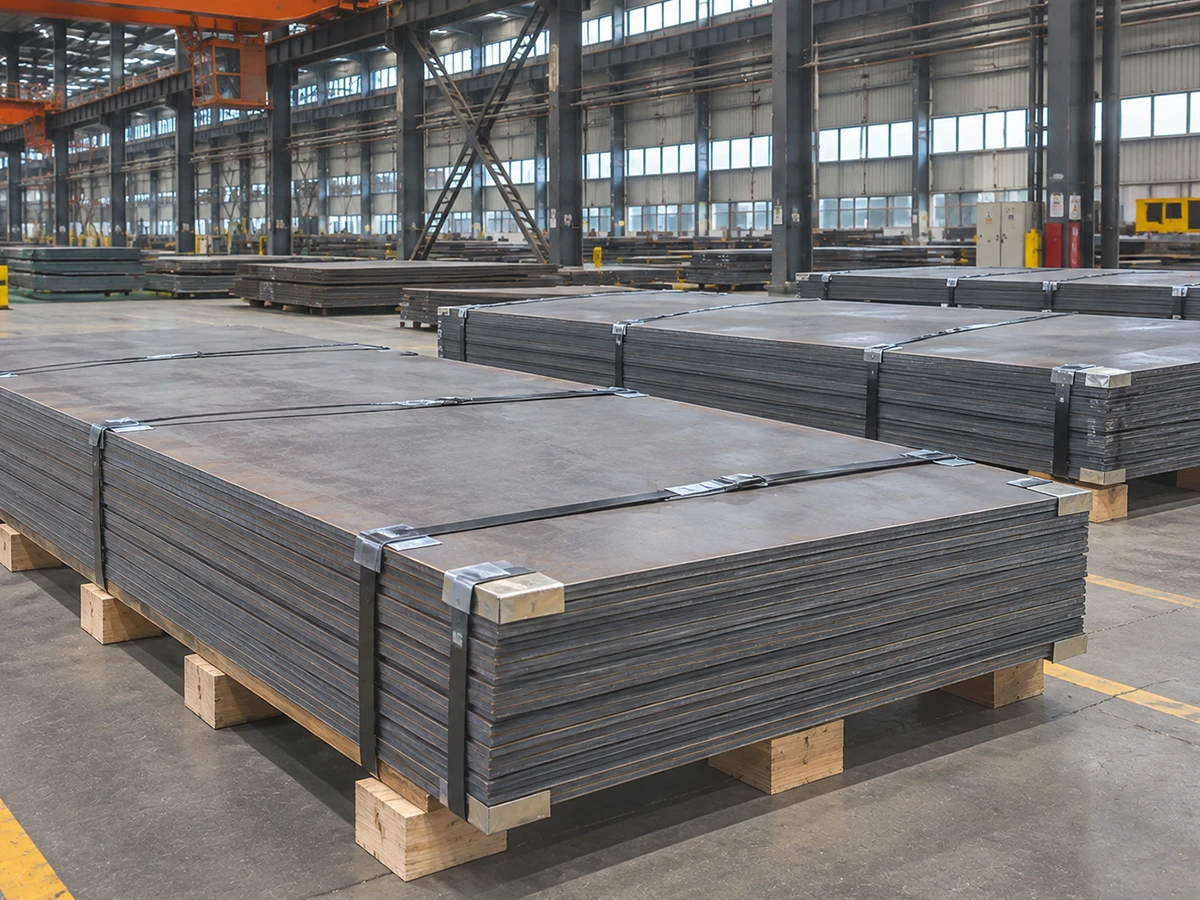
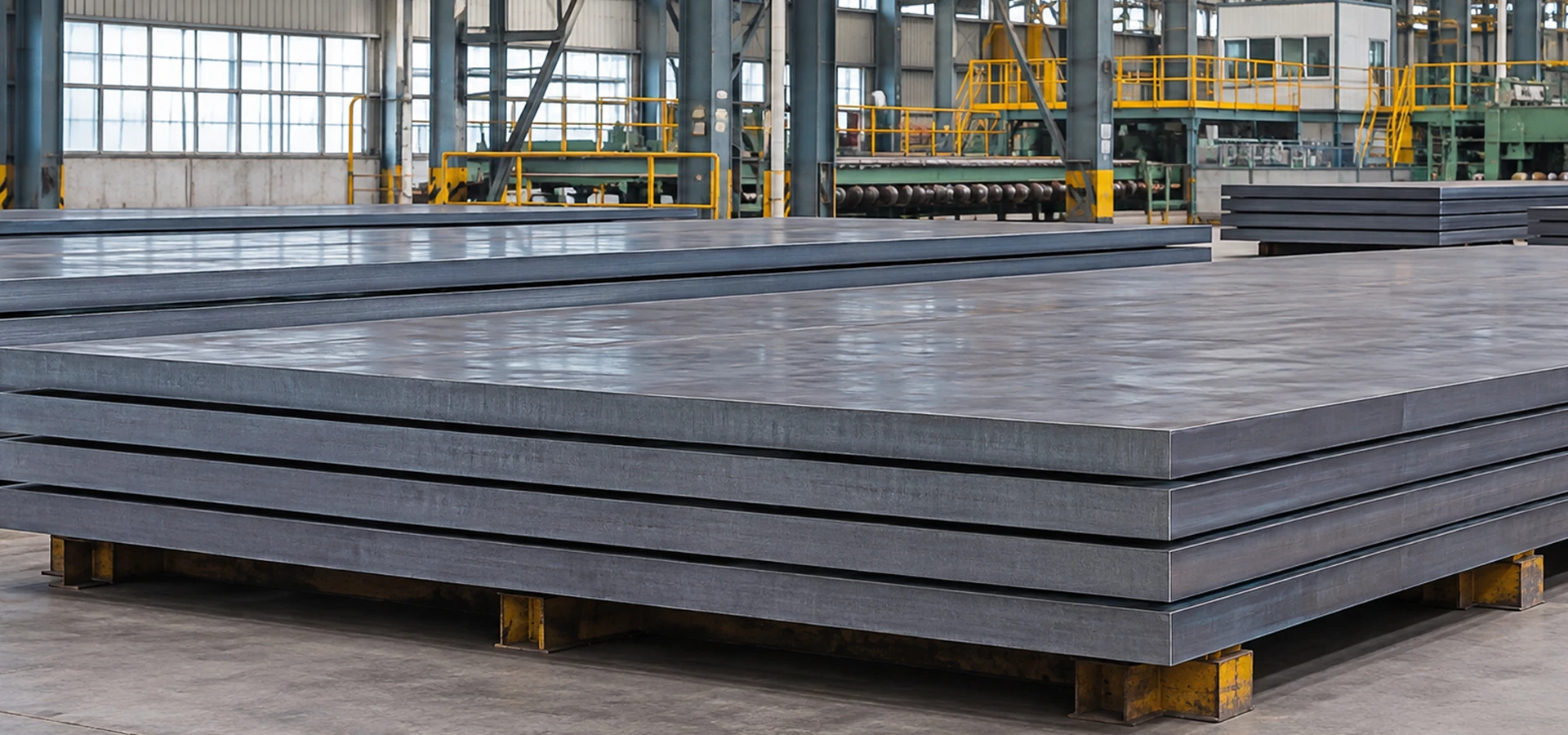
Hot rolled shipbuilding steel plate bundles prepared for marine structural fabrication
8M MTActual company-wide annual steel production
1M MTRegular company-wide steel inventory
500,000 m²Company factory area
1,000+Company employees
SELECT YOUR HULL STEEL ROUTE

Shipbuilding Steel Plate Grades

Start with the required strength class, then confirm impact toughness, plate thickness, delivery condition and classification society. The two product routes below lead to dedicated grade pages.

ORDINARY-STRENGTH HULL STEEL

Grade A / B / D / E Shipbuilding Steel Plate

235 MPa minimum yield class

Four ordinary-strength hull steel grades share the 235 MPa minimum yield class. Grade designation sets the applicable toughness route and inspection requirements.

Grade AGrade-specific impact requirements
Grade B0°C impact-test route
Grade D−20°C impact-test route
Grade E−40°C impact-test route
View Grade A / B / D / E specifications
HIGHER-STRENGTH HULL STEEL

AH36 / DH36 / EH36 Shipbuilding Steel Plate

355 MPa minimum yield class under IACS W11

Higher-strength 36-series hull steel combines a higher specified yield class with grade-specific Charpy V-notch toughness requirements.

AH360°C impact-test route
DH36−20°C impact-test route
EH36−40°C impact-test route
DeliveryAs approved: N / CR / TM / QT
View AH36 / DH36 / EH36 specifications
Additional hull steel grades by enquiry

AH32 / DH32 / EH32, AH40 / DH40 / EH40 and FH-series grades can be reviewed against the applicable standard, thickness, classification society and verified supply scope.

PRODUCT & CLASSIFICATION RULES

Shipbuilding Steel Plate Standards

Identify the product specification and the classification rules stated in your vessel project. The applicable edition and implementation date should be confirmed against the ship contract and material certification application.

ASTM / STRUCTURAL STEEL FOR SHIPS

ASTM A131/A131M-19

Product specification covering structural steel plates, shapes and bars intended primarily for ship construction. Includes ordinary-strength Grades A, B, D and E, and higher-strength AH, DH, EH and FH grade families.

IACS / HULL STRUCTURAL STEEL

UR W11 Rev.9

Current IACS unified requirement on 2 November 2026 for normal- and higher-strength hull structural steels. Rev.10, published in September 2025, is scheduled to enter into force on 1 January 2027.

GENERAL REQUIREMENTS

ASTM A6/A6M & Class Rules

General requirements referenced by the product specification, together with the selected classification society rules, approved manufacturer scope, testing and certification conditions.

Upcoming IACS rule transition

IACS UR W11 Rev.9 remains the current version on 2 November 2026. Rev.10 applies from 1 January 2027 for the implementation dates defined by IACS. Confirm the vessel contract date, material certification application date and classification society instructions before ordering.

MECHANICAL PROPERTY REFERENCE

Ordinary-Strength and Higher-Strength Hull Steel

Use the grade family as a starting point. Final mechanical properties and impact-test acceptance depend on the ordered specification, thickness, test direction, heat treatment and classification society.

Grade familyMinimum yield strengthTensile strengthImpact-test temperature route
Grade A / B / D / E235 MPa400–520 MPaA: +20°C reference; B: 0°C; D: −20°C; E: −40°C
AH32 / DH32 / EH32 / FH32315 MPa440–570 MPa0°C / −20°C / −40°C / −60°C
AH36 / DH36 / EH36 / FH36355 MPa490–630 MPa0°C / −20°C / −40°C / −60°C
AH40 / DH40 / EH40 / FH40390 MPa510–660 MPa0°C / −20°C / −40°C / −60°C

Reference values follow IACS UR W11 mechanical-property tables. Grade A and Grade B impact-test requirements include thickness- and condition-specific provisions. Higher-strength 36-series values are shown as the IACS hull-grade route; confirm the corresponding product specification and class certificate for each order.

Grade strength and toughness are separate purchase requirements

The grade number identifies a strength level, while the letter identifies a toughness route. Specify both the grade and the impact-test temperature in your purchase schedule.

  • State nominal plate thickness and test direction.
  • Confirm the required Charpy V-notch test temperature and energy.
  • Specify the delivery condition and classification society.
CLASSIFICATION SOCIETY & CERTIFICATION

Specify Your Required Classification Society

Shipbuilding plate certification follows the vessel project, selected class society, approved steelworks, product grade and the inspection scope stated in the order.

ABS

American Bureau of Shipping

DNV

Det Norske Veritas

LR

Lloyd’s Register

BV

Bureau Veritas

CCS

China Classification Society

KR

Korean Register

ClassNK

Nippon Kaiji Kyokai

RINA

RINA Services

Approval and certification are order-specific

State the classification society and certificate requirement in your RFQ. Manufacturer approval, approved grade range, thickness scope, survey attendance and product certificates must be verified for the actual supply route.

  • Classification society and applicable rule edition
  • Grade, thickness range and delivery condition
  • Surveyor inspection and material certificate requirements
  • Heat number traceability and final test documentation
MARINE STRUCTURAL APPLICATIONS

Shipbuilding Steel Plate Applications

Select the material grade and toughness route according to the vessel design, structural position, plate thickness, service environment and classification requirements.

Ship hull construction with heavy marine steel plates

Hull Shell & Bottom Structures

Plate for ship hull shell, bottom structures, side shell and other welded hull components specified by the vessel drawings.

Ship deck and bulkhead steel plate fabrication

Decks, Bulkheads & Internal Structures

Plate for deck panels, watertight bulkheads, internal framing and fabricated marine structural assemblies.

01 / SHIPBUILDING

Vessel Blocks & Sections

Welded plate components for block assembly, longitudinal members and hull structures.

02 / DECK STRUCTURE

Decks & Hatch Covers

Plate selected for deck structures and hatch-cover assemblies to approved drawings.

03 / INTERNAL STRUCTURE

Bulkheads & Web Frames

Plate for transverse and longitudinal bulkheads, web frames and stiffened structures.

04 / MARINE EQUIPMENT

Marine Machinery Foundations

Structural plate for equipment foundations, support structures and welded marine assemblies.

05 / REPAIR & CONVERSION

Ship Repair & Conversion

Replacement plate specified by vessel drawings, class requirements and approved repair procedures.

06 / OFFSHORE PROJECTS

Marine & Offshore Structures

Project-specific structural plate enquiries reviewed against the applicable offshore standard and approval route.

Commercial ship hull structural steel follows hull-steel requirements such as IACS UR W11. Offshore high-strength welded structures can fall under separate requirements, including IACS UR W16, and should be specified separately.

PLATE SIZE & ORDER DETAILS

Shipbuilding Steel Plate Specifications

Provide the complete plate schedule so grade, dimensions, delivery condition, testing and class certification can be reviewed together.

Purchase Specification Checklist

ProductHot-rolled hull structural steel plate
GradeA / B / D / E; AH36 / DH36 / EH36; other approved grades by enquiry
Product standardASTM A131/A131M and applicable class rules
DimensionsThickness × width × length in mm
Delivery conditionAs rolled, normalized, controlled rolled / TMCP or QT as applicable and approved
TestingTensile, Charpy V-notch, chemistry, dimensional and additional tests as ordered
CertificationMTC, heat traceability and class certificate / survey documentation as specified
Order quantityNumber of plates, net tonnage and plate-by-plate schedule

Prepare Your Ship Plate RFQ

Include the information below for a grade and certification review.

  • Required grade and strength class
  • Classification society and certificate route
  • Plate thickness, width, length and quantity
  • Delivery condition and impact-test temperature
  • UT, surveyor and inspection requirements
  • Destination port and shipment schedule
Shipbuilding steel plate surface and cut plate edges
PLATE SURFACE & DIMENSIONS

Plate Surface, Thickness & Edge Requirements

Confirm nominal thickness, width, length, flatness, surface quality and edge preparation against the approved shipbuilding drawing and applicable product requirements.

  • Plate dimensions
    Thickness, width, length and dimensional tolerances by order.
  • Surface condition
    Visual surface quality and conditioning requirements.
  • Edge preparation
    Mill edge, sheared edge, flame-cut edge or prepared bevel as agreed.
  • Plate identification
    Grade, heat number and piece identification for traceability.
WHY BAOSTEEL METAL

Coordinate Ship Plate Purchasing with One Supply Team

Plan marine steel procurement around your plate schedule, requested grade, inspection scope and export delivery requirements.

01 / PRODUCTION SCALE

Company-wide steel capacity

Actual annual steel production reaches 8 million metric tons across the company’s product range, supporting large-volume procurement planning.

Manufacturing ↗
02 / INVENTORY RESOURCES

Stock and production review

Regular company-wide steel inventory reaches 1 million metric tons. Ship plate availability is confirmed by grade, class route, thickness and quantity.

Steel Inventory ↗
03 / QUALITY DOCUMENTS

Order-based inspection scope

Review material certificates, heat traceability, mechanical testing, impact requirements and agreed third-party inspection.

Quality Control ↗
04 / EXPORT COORDINATION

Plate schedule to shipment

Coordinate plate dimensions, marking, packing, shipment quantity and destination requirements through your RFQ.

Heavy plate rolling and controlled processing in a steel mill
MANUFACTURING & DELIVERY CONDITION

Plan Ship Plate Supply by Grade and Rolling Route

Hull structural steel can be supplied under different rolling and heat-treatment conditions according to grade, thickness and classification requirements. Confirm the ordered condition in the RFQ and material specification.

  • As Rolled (AR)
    Supplied in the as-rolled condition where permitted for the grade and order.
  • Normalized (N)
    Normalized plate condition where specified by the product and class requirements.
  • Controlled / TMCP
    Controlled rolling or thermo-mechanical processing subject to approved production route.
  • Quenched & Tempered (QT)
    Heat-treated condition for grades and applications requiring the approved QT route.

View Manufacturing

STOCK & ORDER REVIEW

Check Shipbuilding Steel Plate Availability

Share your required grade, class society, plate schedule and tonnage for a supply review. Company-wide inventory covers multiple steel categories; grade-specific stock, approval scope and lead time are confirmed against each enquiry.

  • Grade and class route
    Confirm the requested grade, class society and certificate scope.
  • Plate schedule
    List thickness, width, length, quantity and any cut dimensions.
  • Production and delivery
    Review delivery condition, production schedule and shipment plan.

Shipbuilding steel plate stock stacked for project supply
Shipbuilding steel plate inspection and material testing
QUALITY CONTROL & CLASS CERTIFICATION

Inspection Records for Shipbuilding Steel Plate

Shipbuilding plate inspection follows the ordered grade, product standard, classification society and approved inspection plan. Define the required tests and documents in your purchase order.

  • Chemical analysis
    Heat analysis and product analysis where specified.
  • Tensile testing
    Yield strength, tensile strength and elongation.
  • Impact testing
    Charpy V-notch temperature, energy and test direction.
  • Dimensional and surface inspection
    Thickness, width, length, flatness, surface and plate identification.
  • Additional inspection
    UT, surveyor witness and other supplementary tests by agreement.

Quality Control ↗

OPTIONAL PLATE SERVICES

Shipbuilding Plate Cutting & Preparation

Add approved nesting files or fabrication drawings when your project requires prepared plate components. Specify grade, thickness, cut profile, bevel, dimensional tolerance and marking requirements for review.

Flame CuttingThermal cutting for suitable plate thicknesses and hull component profiles.
Plasma CuttingProfile cutting for plate parts according to drawing and thickness requirements.
Edge PreparationBevel preparation for the agreed fabrication and welding procedure.
Cut-to-SizePlate blanks and dimensional preparation according to approved drawings.
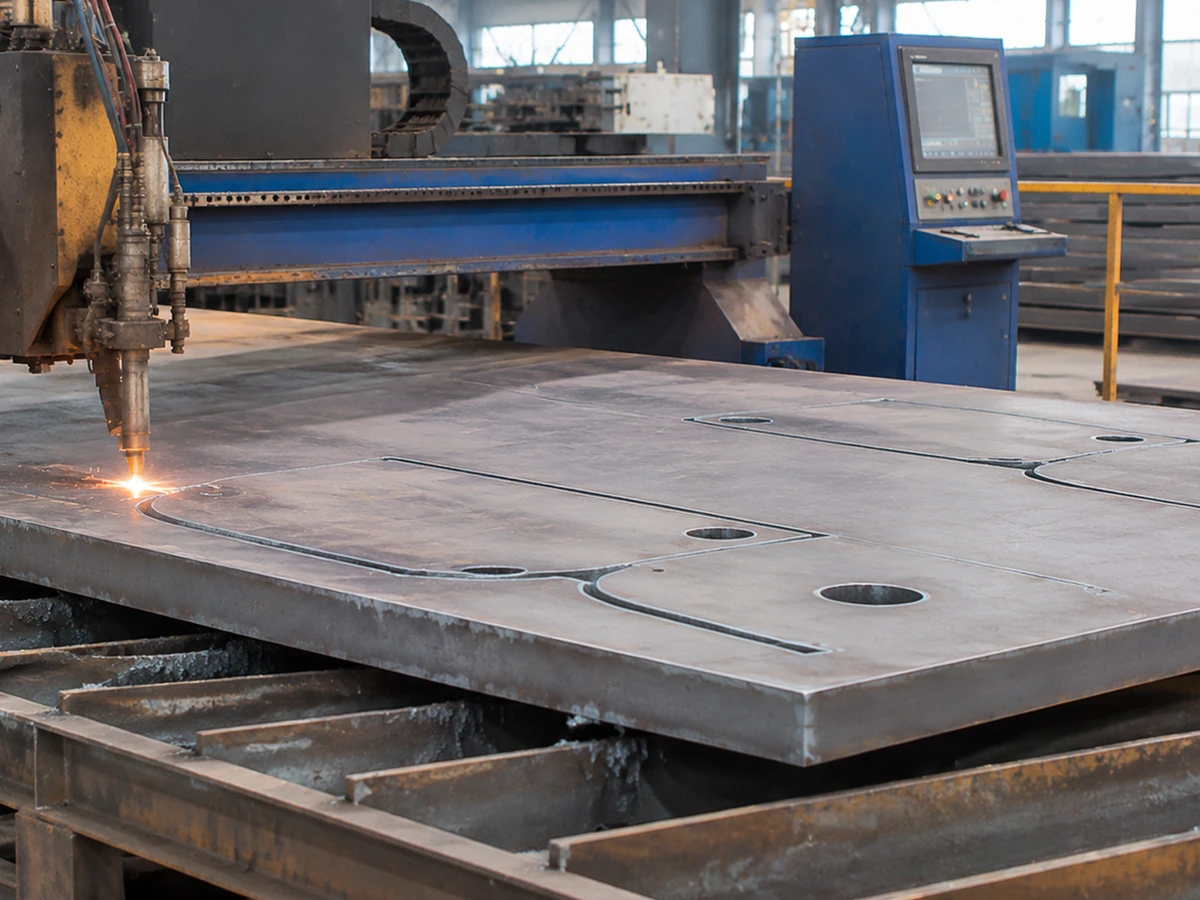
Flame cutting and plate edge preparation for shipbuilding steel
PLATE PREPARATION

Cutting and Edge Preparation for Hull Components

Provide approved nesting files or fabrication drawings with plate grade, thickness, cut profile, bevel angle and dimensional tolerances. Processing arrangements are reviewed against the material condition and agreed fabrication procedure.

  • Cut profile
    Part outline and plate orientation from the approved drawing.
  • Edge condition
    Bevel, root face and edge finish as specified.
  • Part identification
    Piece marking and traceability requirements for assembly.
PLATE QUANTITY PLANNING

Shipbuilding Steel Plate Weight Calculator

Estimate theoretical plate weight for an initial enquiry. Enter nominal plate dimensions, quantity and the reference density used for your calculation.

Enter Your Plate Dimensions

Estimated total theoretical weight28.260 MT2,826.0 kg per plate
Calculation density: 7,850 kg/m³

Formula: thickness × width × length × density ÷ 1,000,000,000 = kg per plate. Actual delivery weight follows the agreed measurement and commercial terms.

Prepare Your Ship Plate RFQ

Send these details with your enquiry for a grade, class and delivery review.

  • Grade and applicable product standard
  • Classification society and certificate scope
  • Thickness, width, length and total tonnage
  • Impact-test temperature and delivery condition
  • MTC, UT and third-party inspection requirements
  • Destination port and delivery schedule
Shipbuilding steel plate bundles secured for export shipment
EXPORT PACKING & SHIPPING

Prepare Ship Plate for Your Destination

Specify plate dimensions, bundle weight, handling requirements and destination port. Packing and shipment arrangements are coordinated with the confirmed order and transport method.

  • Plate protection
    Separators and surface protection as agreed for handling and transit.
  • Bundle identification
    Grade, dimensions, heat number and order identification according to purchase requirements.
  • Loading and handling
    Bundle arrangement and lifting details aligned with plate dimensions and shipment method.
  • Export documentation
    Commercial and material documents prepared according to the confirmed order.
BUYER QUESTIONS

Shipbuilding Steel Plate FAQ

Key details to prepare before requesting a marine structural steel quotation.

What is the difference between Grade A, B, D and E shipbuilding steel?

These ordinary-strength hull steel grades share a 235 MPa minimum yield class. Their grade letters define different toughness and impact-test routes. Requirements also depend on thickness and the applicable classification rules.

What is the difference between AH36, DH36 and EH36?

They belong to the 355 MPa higher-strength 36-series hull steel family under IACS W11. Their letter designations identify different impact-test temperature routes: AH, 0°C; DH, −20°C; and EH, −40°C.

Which standard covers shipbuilding steel plate?

ASTM A131/A131M covers structural steel plates, shapes and bars intended primarily for ship construction. IACS UR W11 sets harmonized requirements for normal- and higher-strength hull structural steels, alongside the selected classification society rules.

Which classification societies can be specified?

Common project routes include ABS, DNV, Lloyd’s Register, Bureau Veritas, CCS, KR, ClassNK and RINA. State the required society and certificate scope in your enquiry for verification.

What delivery conditions can be specified?

Depending on grade, thickness and approval, the supply condition can include as-rolled, normalized, controlled rolled or TMCP. Quenched and tempered routes are specified for grades and orders that require them.

Which tests and certificates can be requested?

Specify chemical analysis, tensile testing, Charpy V-notch impact testing, dimensional inspection, surface inspection, UT and surveyor attendance. Material certificates and class documentation follow the confirmed order and approval route.

What information is needed for a shipbuilding plate quotation?

Provide grade, product standard, classification society, thickness, width, length, quantity, delivery condition, impact-test temperature, inspection requirements and destination port.

Can shipbuilding steel plate be cut to size?

Provide approved nesting files or fabrication drawings with the grade, thickness, cut profile, bevel, tolerances and piece identification requirements for processing review.

BAOSTEEL METAL / SHIPBUILDING STEEL PLATE

Request Your Shipbuilding Steel Plate Quotation

Send your required grade, classification society, plate schedule, delivery condition and inspection scope. Our team will review your marine steel plate enquiry.

WhatsAppEmail