
Q460C High Strength Steel Plate
GB/T 1591 structural plate for heavy-duty fabricated members. Specify the required delivery route and thickness-dependent mechanical properties.
View Product SpecificationsHigh-yield steel plate for crane booms, heavy transport, mining equipment and engineered structures. Compare Q460C, Q550D, Q690D, S690QL and ASTM A514 Grade B by standard, thickness, delivery condition and impact requirements.
Include the governing standard, thickness, dimensions, quantity, delivery condition and impact-test temperature. Our team will review the requested plate specification and inspection scope.
Explore high strength grades ↓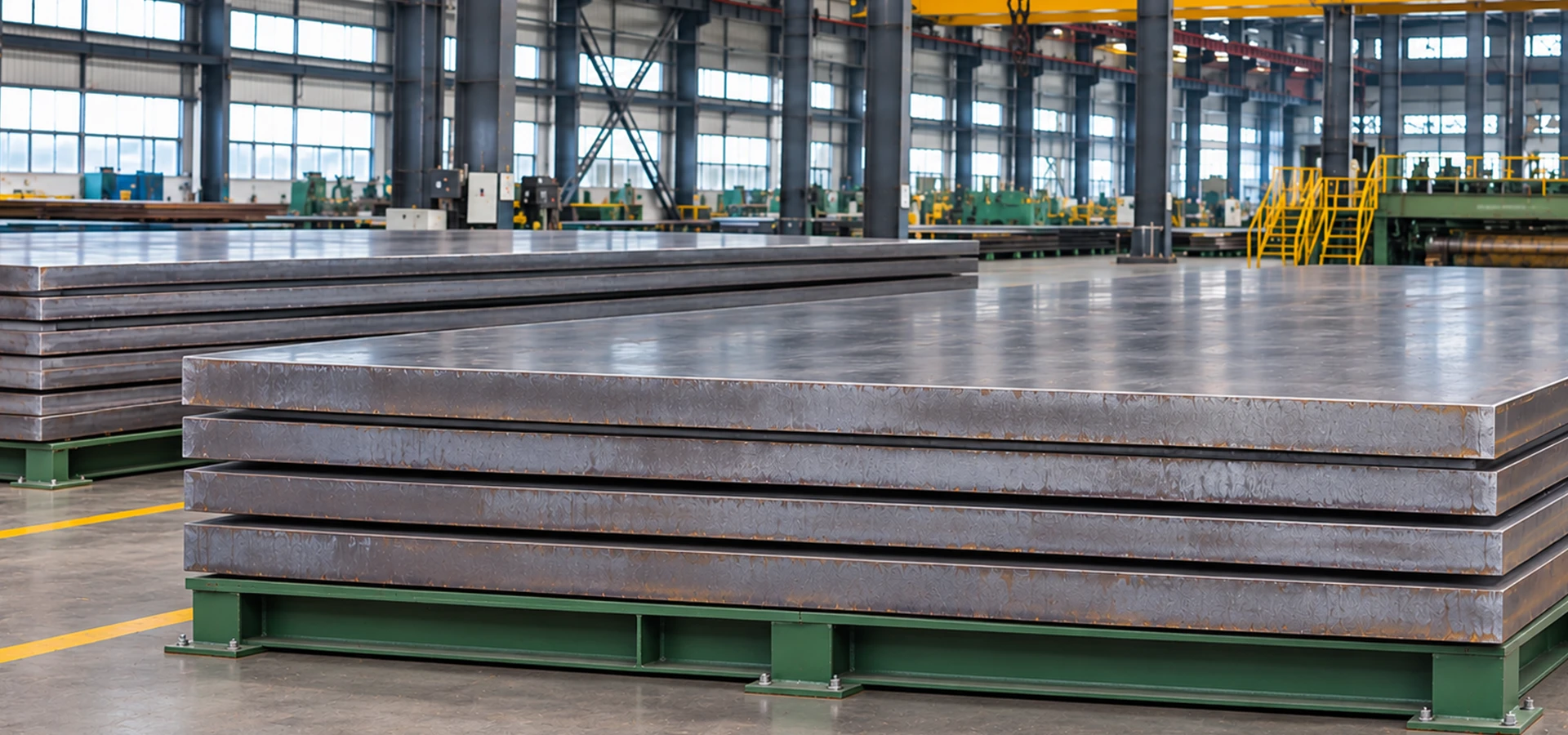
Choose the grade and product standard stated in your engineering specification. Each product page covers its own chemistry, thickness-dependent mechanical properties, delivery condition and inspection requirements.
GB/T 1591 structural plate for heavy-duty fabricated members. Specify the required delivery route and thickness-dependent mechanical properties.
GB/T 1591-2018 · 460 MPa minimum yield at t ≤ 16 mmView Product Specifications ↗Quenched and tempered structural plate for lifting equipment, transport structures and heavy machinery.
GB/T 16270-2009 · 550 MPa minimum yield at t ≤ 50 mmView Product Specifications ↗High-yield Q&T plate for crane structures, mining equipment and engineered heavy-duty components.
GB/T 16270-2009 · 690 MPa minimum yield at t ≤ 50 mmView Product Specifications ↗European high-yield structural plate with Q&T delivery and QL low-temperature impact quality.
EN 10025-6:2019+A1:2022 · 690 MPa minimum yield at t ≤ 50 mmView Product Specifications ↗High-yield alloy plate for crane booms, heavy trailers, construction machinery and structural fabrication.
ASTM A514/A514M-22 · 100 ksi [690 MPa] minimum yieldView Product Specifications ↗Include grade, standard edition, plate thickness, delivery condition, impact-test temperature, inspection scope and required documents. Similar yield-strength levels across standards are reference points for engineering review; material acceptance follows the selected specification.
Use the reference values to identify the relevant grade family. Minimum yield strength varies with nominal thickness, quality class and product standard.
| Grade | Product Standard | Delivery Condition | Reference Minimum Yield | Impact / Quality |
|---|---|---|---|---|
| Q460C | GB/T 1591-2018 | AR / N / TMCP as specified | 460 MPa at t ≤ 16 mm | C quality class; test requirements per standard |
| Q550D | GB/T 16270-2009 | Quenched & tempered | 550 MPa at t ≤ 50 mm; 530 MPa at 50–100 mm; 490 MPa at 100–150 mm | D quality: −20°C impact class |
| Q690D | GB/T 16270-2009 | Quenched & tempered | 690 MPa at t ≤ 50 mm; 650 MPa at 50–100 mm; 630 MPa at 100–150 mm | 47 J average at −20°C for D quality |
| S690QL | EN 10025-6:2019+A1:2022 | Quenched & tempered | 690 MPa at t ≤ 50 mm; 650 MPa at 50–100 mm; 630 MPa at 100–150 mm | QL quality: −40°C impact class |
| ASTM A514 Grade B | ASTM A514/A514M-22 | Quenched & tempered | 100 ksi [690 MPa] minimum, within Grade B thickness scope | Supplementary Charpy V-notch testing by order |
Reference values are grade- and thickness-specific. Q460C values above refer to the common GB/T 1591-2018 plate designation; confirm the delivery suffix and thickness band on the order. Q550D and Q690D use GB/T 16270-2009. ASTM A514 Grade B has its own grade-specific thickness limits and test rules. Final acceptance follows the ordered standard, edition and mill test certificate.
For thick plate orders, quote against the exact nominal thickness and required mechanical test values. The grade name alone does not define one yield-strength value for every thickness.
Material standards define chemical composition, mechanical properties, heat treatment and impact requirements. General dimensional tolerances are specified by the applicable plate standard and purchase order.
Low-alloy high-strength structural steel, including Q460C. Delivery condition and strength requirements depend on the selected grade and suffix.
High-strength structural steel plates in the quenched and tempered condition, including Q550D and Q690D.
Technical delivery conditions for high-yield-strength structural steel flat products in the quenched and tempered condition, including S690QL.
High-yield-strength quenched and tempered alloy steel plate suitable for welded structures, including Grade B.
General requirements for rolled structural steel plates, bars, shapes and sheet piling where referenced by the product specification.
Plate dimensions, shape and mass tolerances are confirmed against the selected national or regional standard and ordered tolerance class.
GB/T 1591-2018 and GB/T 16270-2009 are listed as current on the national standards platform as of 2 November 2026. A revision project for the quenched-and-tempered structural plate standard is in the approval process; confirm the edition stated in your purchase order.
Review the plate surface, thickness and delivery condition stated in your material schedule. The ordered grade and heat-treatment route are recorded in the material documentation.
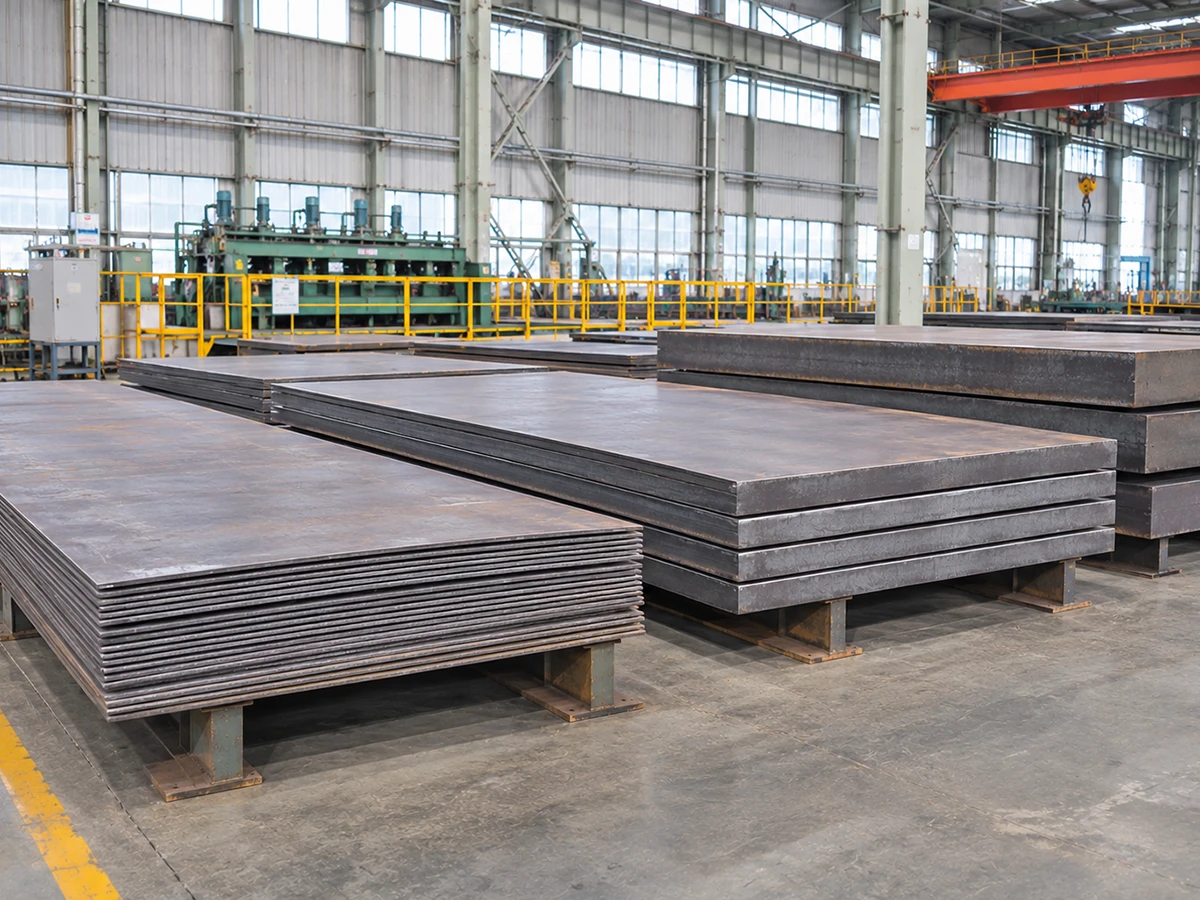
Specify surface condition, plate edge, flatness and dimensional tolerance with your requested thickness and width.
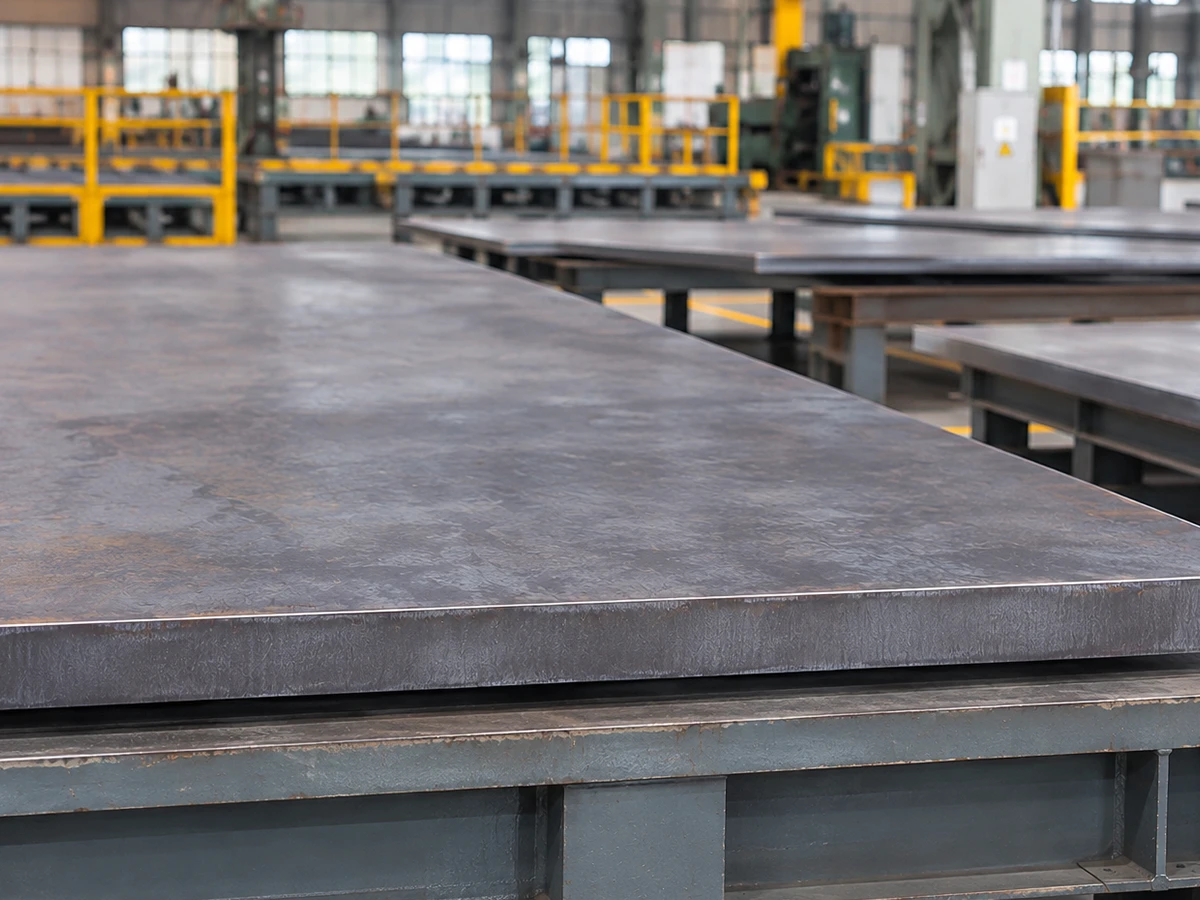
Confirm nominal thickness, width, length and any special dimensional inspection requirements for your order.
Specify the grade, thickness and impact class for the design loads, operating temperature, fabrication route and inspection plan of your project.
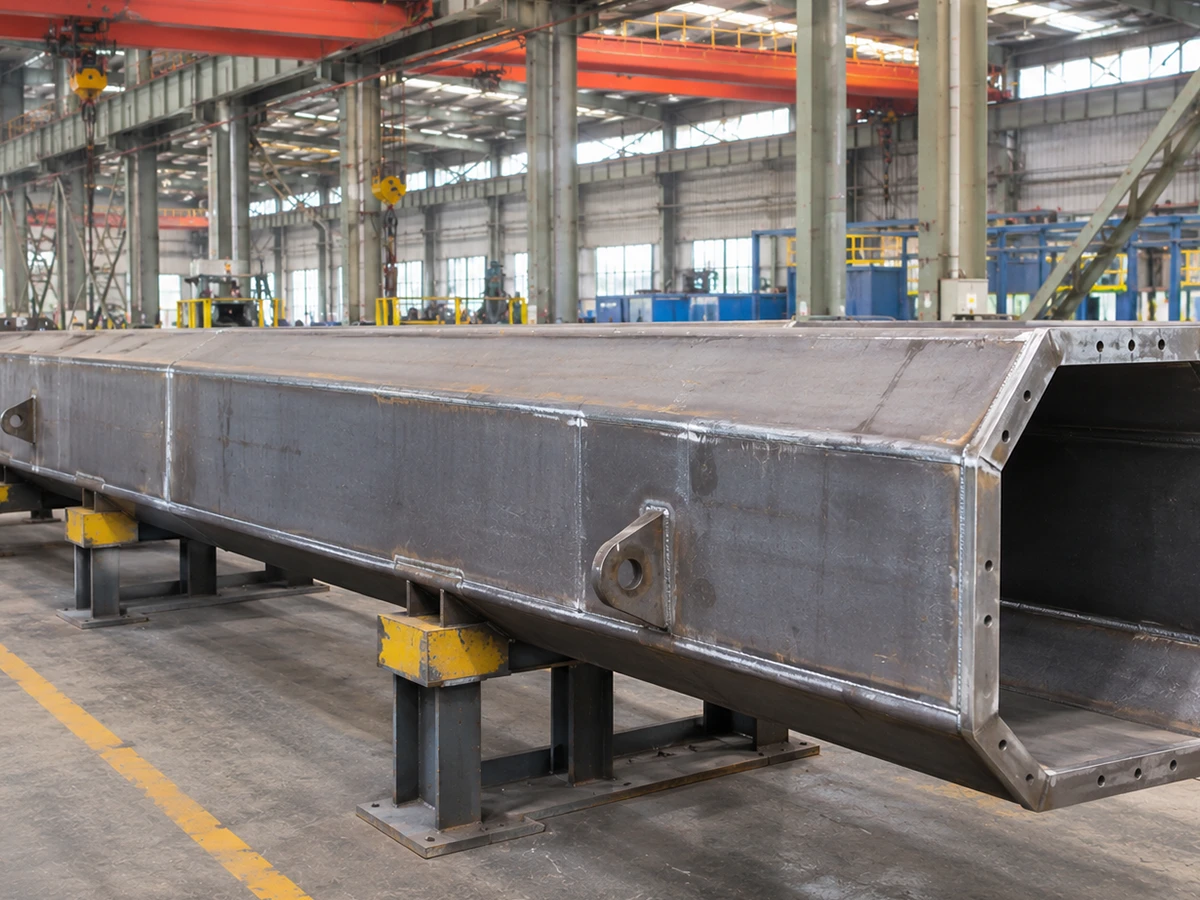
Plate for boom sections, outriggers, lifting frames and load-bearing components where strength-to-weight performance is a key design factor.
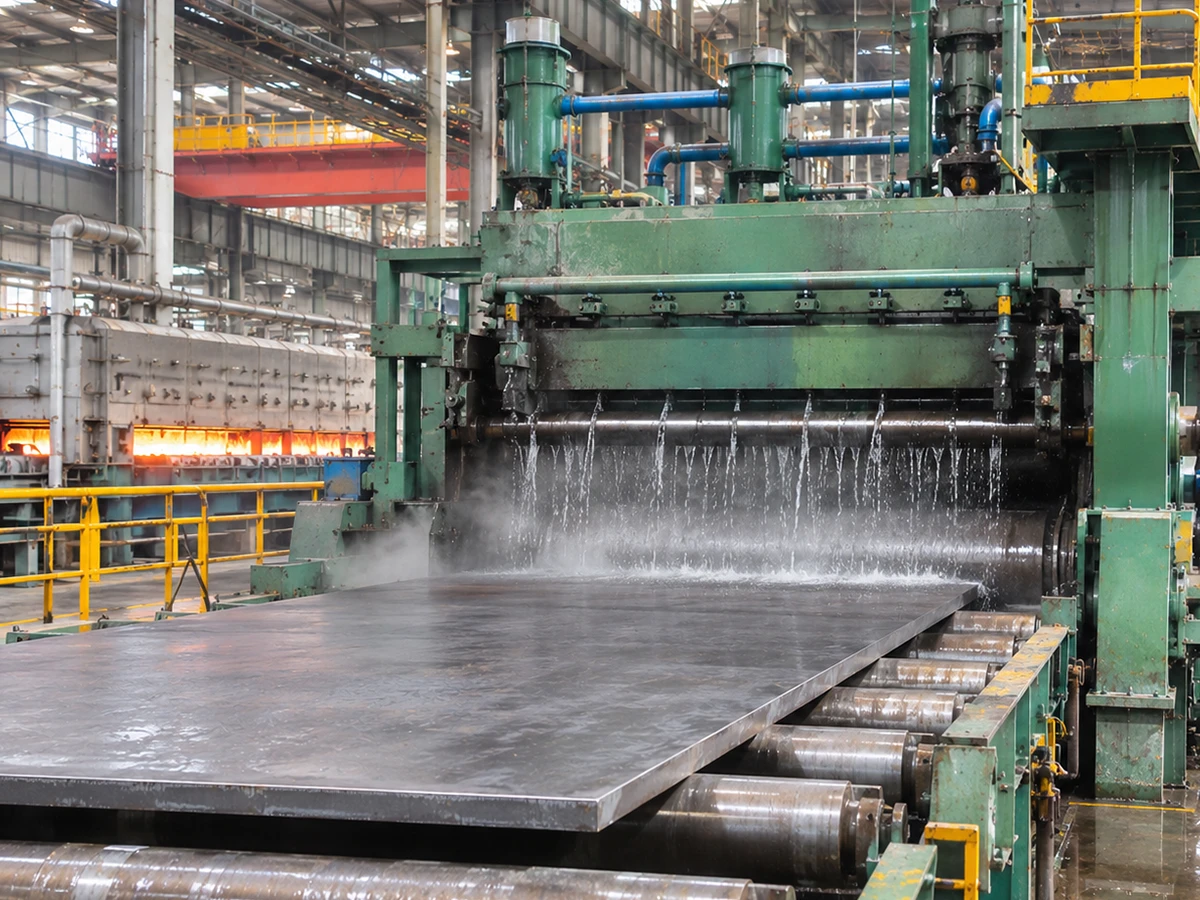
Plate for dump truck bodies, heavy vehicle frames, excavator structures and equipment assemblies specified to high-yield grades.
High-yield plate for transport structures, trailer frames and reinforced load-bearing assemblies.
Specified plate for structural components where strength, toughness and test conditions are defined by design documents.
Plate for lifting platforms, mobile equipment frames and fabricated structural components.
Plate for machinery frames, conveyor support structures and heavy-duty equipment fabrication.
High-yield plate for machine supports, welded assemblies and engineered equipment structures.
Plate selected to project drawings, loading conditions, material class and inspection requirements.
Coordinate material grades, plate dimensions, test documentation and export arrangements with one procurement team.
Actual annual steel production reaches 8 million metric tons across the company’s product lines, supporting large-volume procurement planning.
Manufacturing Overview ↗Regular company-wide inventory reaches 1 million metric tons. Check current availability by grade, thickness, width and plate length.
Steel Inventory ↗Confirm heat analysis, tensile testing, impact testing, hardness, dimensional inspection and additional requirements in your purchase specification.
Quality Control ↗Combine your grade list, plate schedule, inspection scope and destination port in one enquiry for coordinated quotation review.
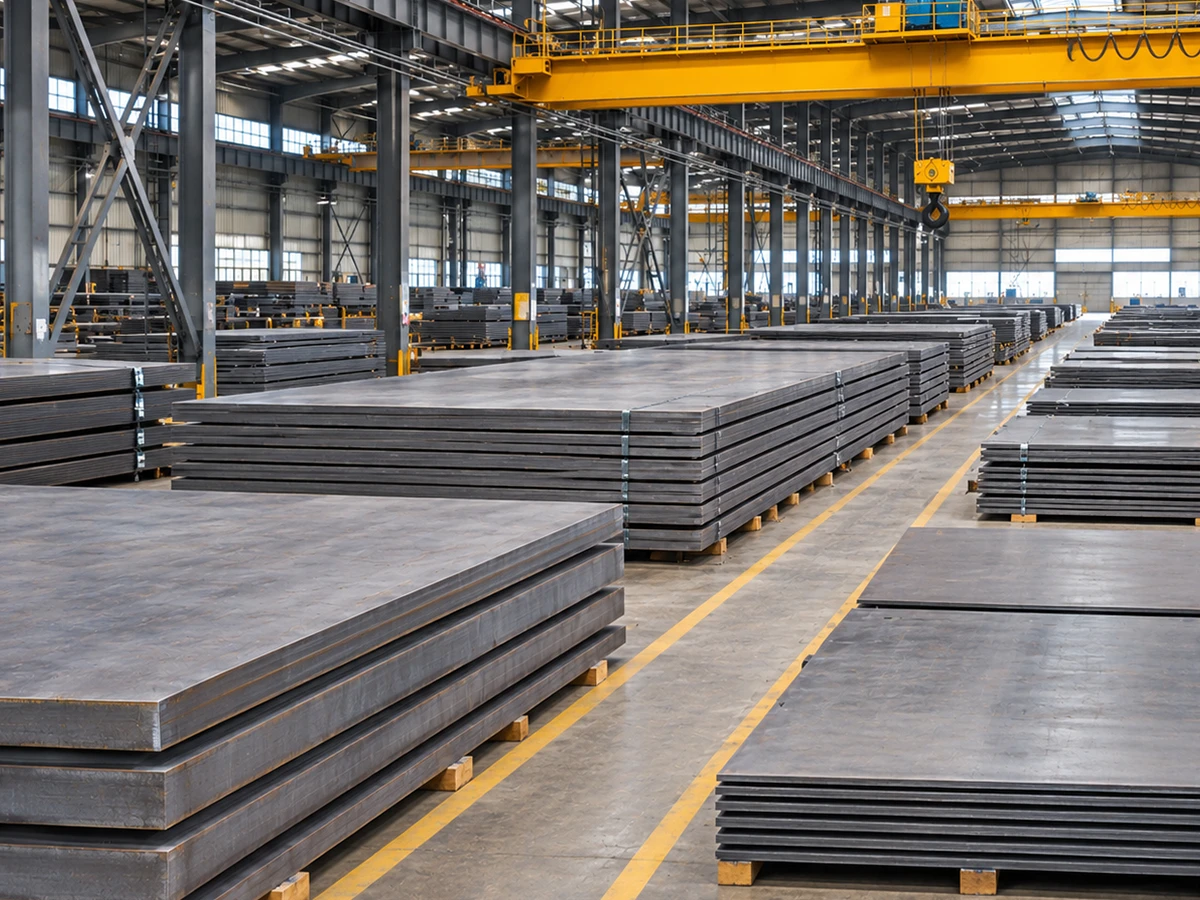
High-strength plate grades use different rolling and heat-treatment routes. Confirm the delivery condition in the material standard and purchase order before finalizing the plate schedule.
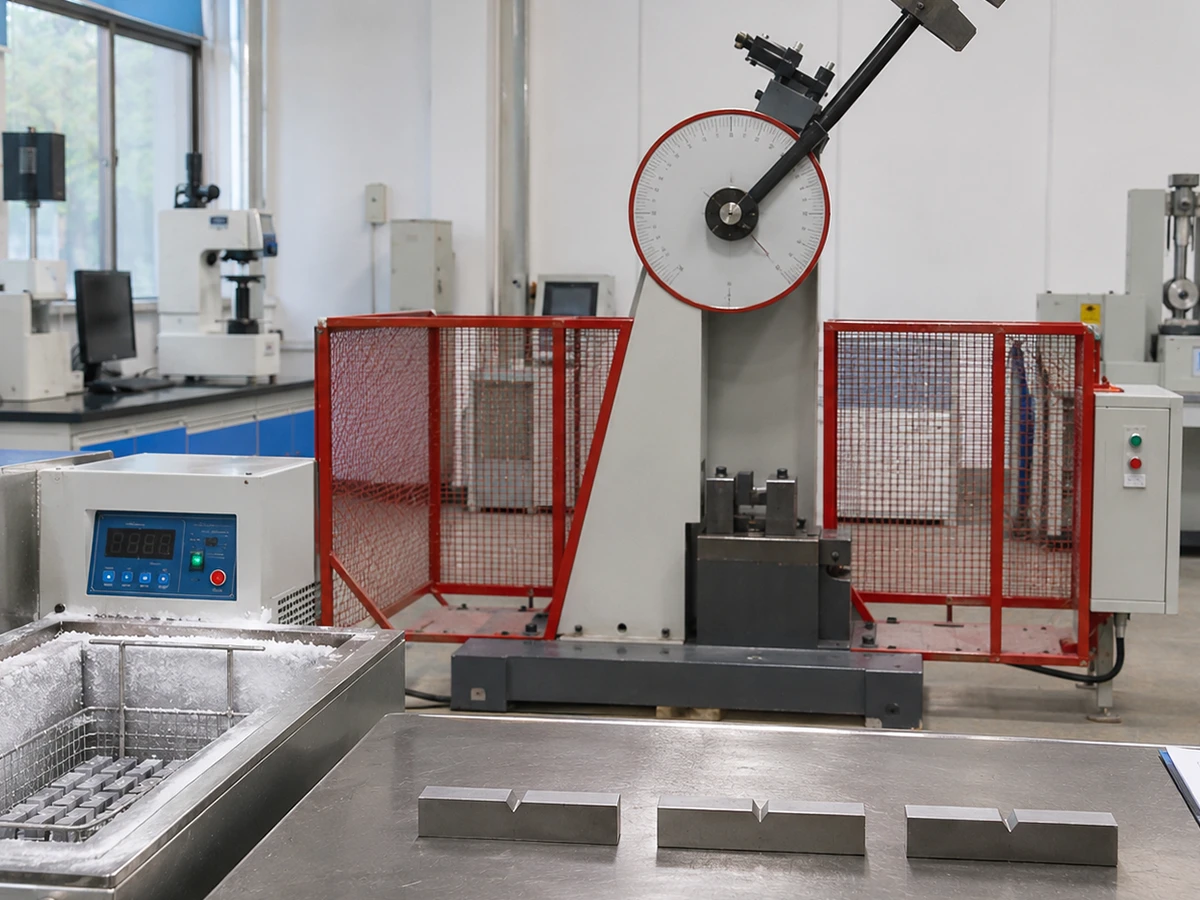
Set the inspection package around the ordered grade, thickness, delivery condition and project acceptance criteria.
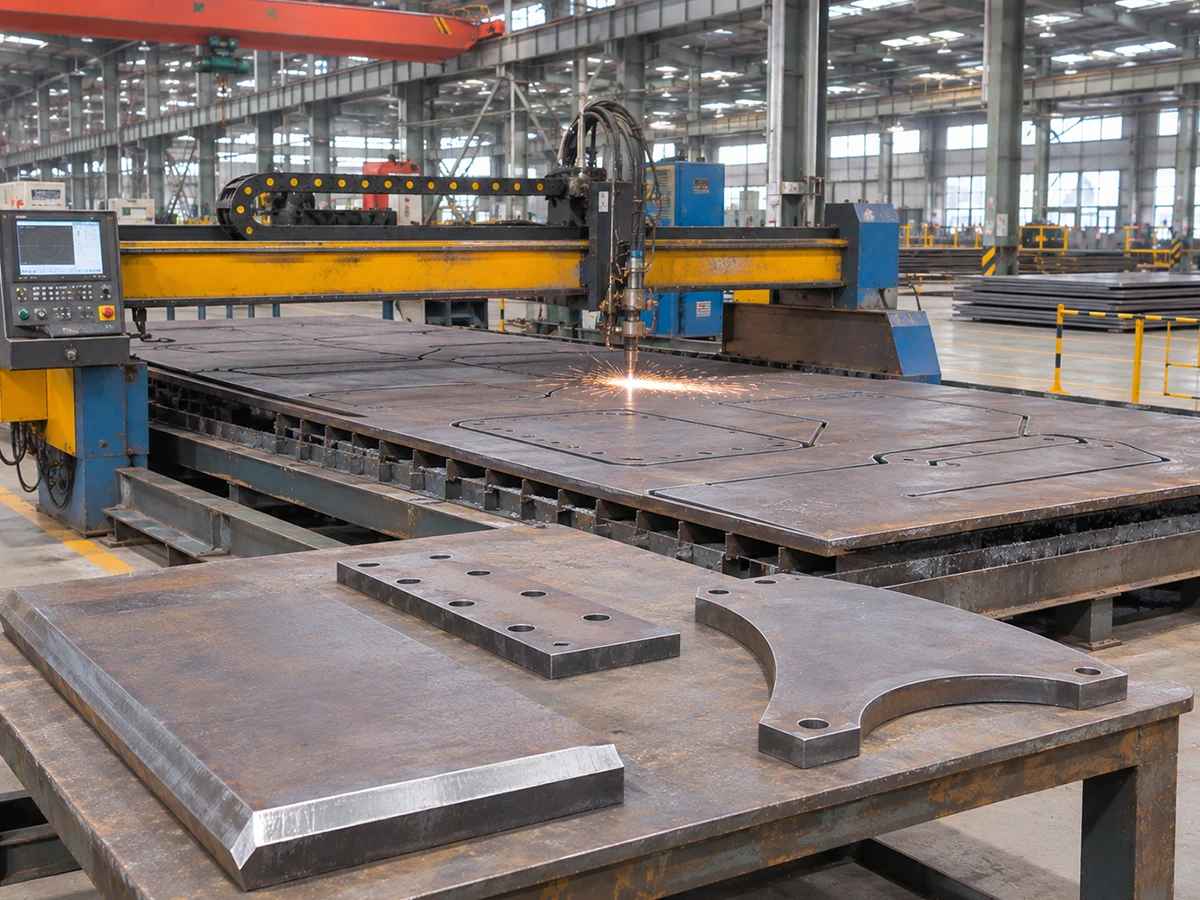
Share the plate drawings, dimensions and tolerance requirements when your project needs prepared plate blanks or fabricated components.
Specify plate thickness, cut profile, edge condition and dimensional tolerance for processing review.
Include bevel geometry, hole positions and machining details in your approved drawings.
For high-strength grades, confirm the welding procedure, preheat, interpass temperature and heat input with the responsible engineering team.
List the grade, thickness, cutting dimensions, tolerance and any supplementary inspection requirements so the quotation reflects the required supply scope.
Estimate theoretical plate mass using a nominal steel density of 7,850 kg/m³. Enter your plate dimensions and quantity to plan order tonnage.
Formula: thickness × width × length × density ÷ 1,000,000,000 = kg per plate. The result is a theoretical estimate for purchasing and transport planning.
| Plate Size (mm) | Qty. | Estimated Total |
|---|---|---|
| 12 × 2,000 × 6,000 | 10 | 11.304 MT |
| 16 × 2,200 × 8,000 | 5 | 11.053 MT |
| 20 × 2,000 × 6,000 | 5 | 4.710 MT |
| 25 × 2,500 × 12,000 | 3 | 17.663 MT |
Reference calculations use 7,850 kg/m³. Final mass follows the ordered plate dimensions, applicable tolerances and agreed commercial weighing terms.
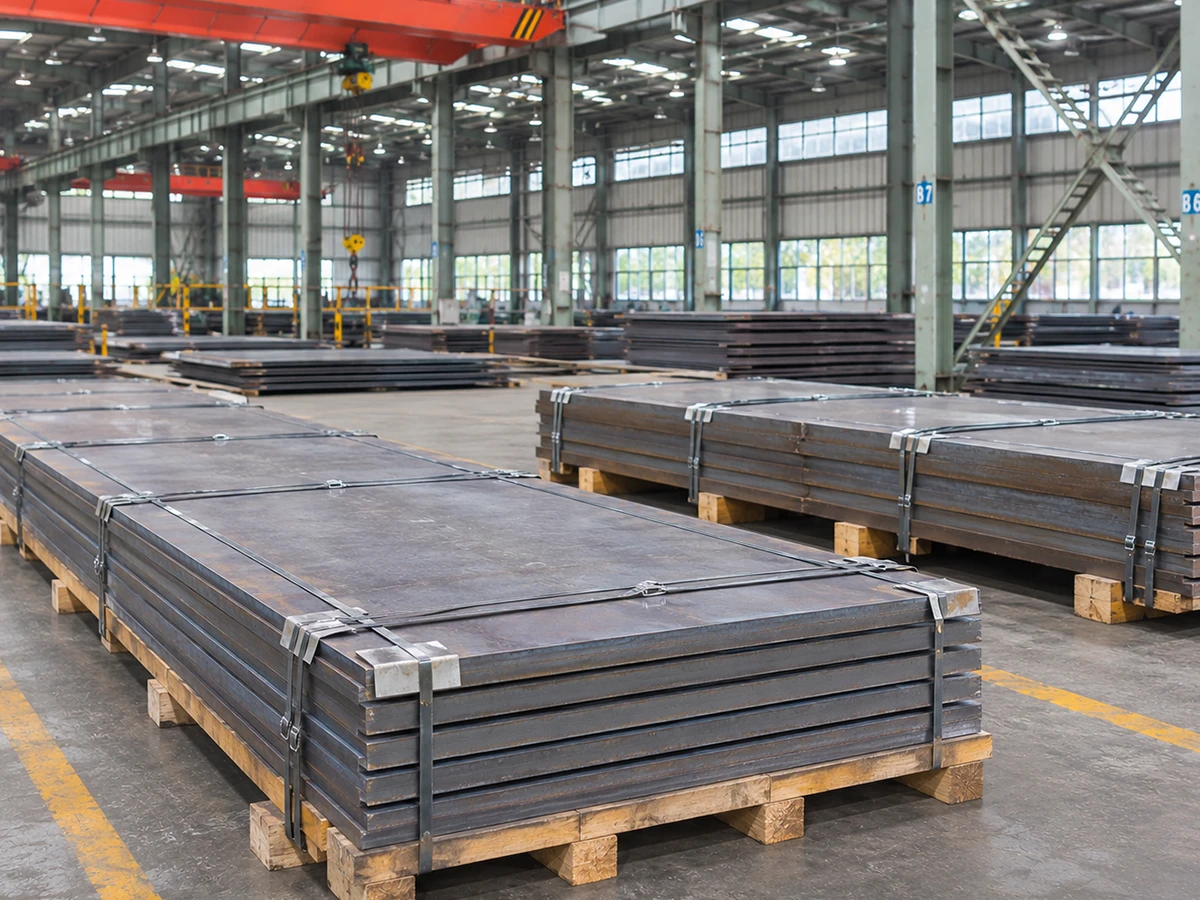
Plate packing is arranged around dimensions, surface condition, lifting method, transport route and destination requirements.
Continue to related plate grades, alloy families and company supply resources.
Grade selection, thickness, impact requirements, inspection and bulk procurement.
Common enquiries include Q460C, Q550D, Q690D, S690QL and ASTM A514 Grade B. State the exact grade, standard edition and plate thickness in your RFQ.
Q460C is commonly specified to GB/T 1591-2018 as an HSLA structural plate. Q550D is specified to GB/T 16270-2009 in the quenched and tempered condition, with a different strength level and impact class.
Minimum yield strength is specified by thickness band. For example, Q690D and S690QL have different minimum yield values as nominal thickness increases. Use the table and the applicable product standard for the exact plate thickness.
Q550D and Q690D use the D impact quality class under GB/T 16270. S690QL uses the QL low-temperature impact class under EN 10025-6. Confirm the required test temperature and energy with the project specification.
ASTM A514 Grade B has a 100 ksi minimum yield requirement. Supplemental Charpy V-notch impact testing can be specified in the order with the required test temperature and energy.
Specify the mill test certificate, heat analysis, tensile test, impact test, hardness, ultrasonic testing and third-party inspection scope required by your purchase specification.
Provide grade, standard and edition, thickness, width, length, quantity, delivery condition, impact requirements, inspection scope and destination port.
Include the cutting drawing, plate thickness, profile dimensions, edge preparation and tolerance requirements. Processing feasibility and pricing are reviewed with the material enquiry.
Send your required grade, dimensions, quantity and destination. Our team will review the inquiry.