Global Steel Supply & Processing
Source carbon-silicon steel plate for specified intermediate- and higher-temperature welded boiler or pressure-equipment projects. Check Grade 65 yield and tensile requirements, 50 mm normalization threshold, chemistry by thickness, and source documentation before purchasing.
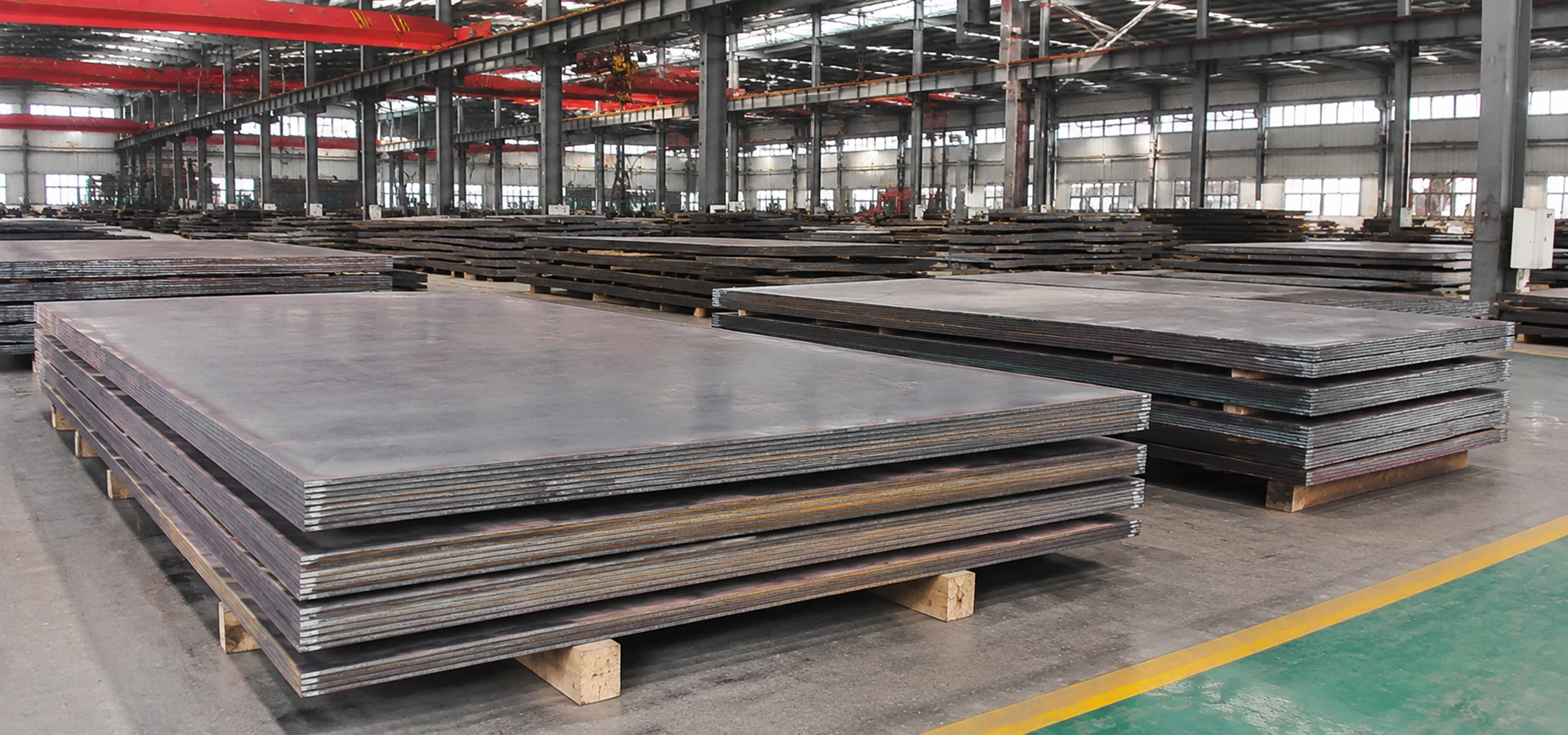
Define the plate and its code documentation before pricing. Mill supply is matched to your grade, thickness and inspection requirements.
| Purchase item | Required order detail |
|---|---|
| Product designation | ASTM A515/A515M Grade 65 [450]; state ASME SA-515 Grade 65 when your project requires the ASME designation and certificate wording. |
| Material family | Killed carbon-silicon steel plate produced using a coarse austenitic grain size practice under A515; distinct from the fine-grain practice required for A516. |
| Nominal size | Supply the exact thickness × width × length in mm, rolling direction if required, tolerances, and whether you need full plate or heat-identified cut blanks. |
| Quotation sizes | Example inquiry thicknesses: 8, 16, 25, 40, 55 and 80 mm. These are RFQ examples only; actual mill capacity, maximum thickness and stock are confirmed before quotation. |
| Heat treatment | At or below 50 mm, typically as-rolled unless normalized or stress relieved is ordered; above 50 mm, normalized as required by the standard. |
| Testing scope | Base chemistry and tensile tests. Specify additional impact energy/temperature, UT examination, post-heat-treatment simulation and witness testing when required. |
| Material identification | Heat number, grade, producing works, test results, ordered treatment, plate marks, certified MTC and agreed supplementary reports. |
| Commercial details | Ordered metric tonnes, delivery date, packing type, Incoterm and receiving port or site. |
Send a cut list or bill of materials, required mill documentation, and destination.
Grade 65 is the 65 ksi tensile class. Its 240 MPa minimum yield and specimen-specific elongation should appear in the material test certificate.
| Test property | ASTM A515 Grade 65 | Buyer check |
|---|---|---|
| Minimum yield strength | 240 MPa | 35 ksi in the separate inch-pound system. |
| Tensile strength | 450–585 MPa | 65–85 ksi grade classification. |
| Elongation, 50 mm gauge | 23% minimum | Follow specimen and A20/A20M adjustment rules. |
| Elongation, 200 mm gauge | 19% minimum | Not directly interchangeable with 50 mm gauge data. |
| Steelmaking practice | Killed steel; coarse austenitic grain size | Core feature of A515; request heat and plate traceability. |
A515 Grade 65 uses its own chemistry limits and 240 MPa minimum yield requirement. A515 Grade 65 and A516 Grade 65 share a 450–585 MPa tensile range, but they follow distinct steelmaking practices, service intent and product specifications; substituting either requires engineering approval.
These grades share an intermediate/high-temperature boiler-plate specification but are separate strength classes. Engineering approval controls substitution.
| A515 grade | Minimum yield | Tensile range | Purchase focus |
|---|---|---|---|
| Grade 60 | 220 MPa | 415–550 MPa | 60 ksi tensile class; quote separately when the approved project specification calls for Grade 60. |
| Grade 65 — this page | 240 MPa | 450–585 MPa | 65 ksi tensile class; quote where the material requisition specifies Grade 65. |
| Grade 70 | 260 MPa | 485–620 MPa | 70 ksi tensile class; confirm grade and chemistry against the approved design scope. |
The carbon maximum changes with thickness. Review the chemistry on the original heat analysis and apply any permitted C/Mn adjustment in the governing specification.
| Plate thickness | Maximum carbon (heat/product) |
|---|---|
| ≤25 mm | 0.28% |
| >25–50 mm | 0.31% |
| >50–100 mm | 0.33% |
| >100–200 mm | 0.33% |
| >200 mm | 0.33% |
| Element / analysis | Grade 65 requirement |
|---|---|
| Manganese — heat analysis | ≤0.90% (with specification carbon-reduction allowance) |
| Manganese — product analysis | ≤0.98% (with specification carbon-reduction allowance) |
| Silicon — heat analysis | 0.15–0.40% |
| Silicon — product analysis | 0.13–0.45% |
| Phosphorus | ≤0.025% |
| Sulfur | ≤0.025% |
Carbon/manganese trade-off: A515 permits an additional 0.06 percentage point Mn for each 0.01 percentage point reduction in C below its specified maximum, subject to the standard's ceilings. Values shown are material specification requirements, not a claim about any unverified heat.
For thick plate and weld-intensive pressure equipment, verify carbon, manganese, silicon and residual chemistry on the ordered heat. Welding consumables, preheat, heat input and any PWHT route depend on the actual material and procedure qualification.
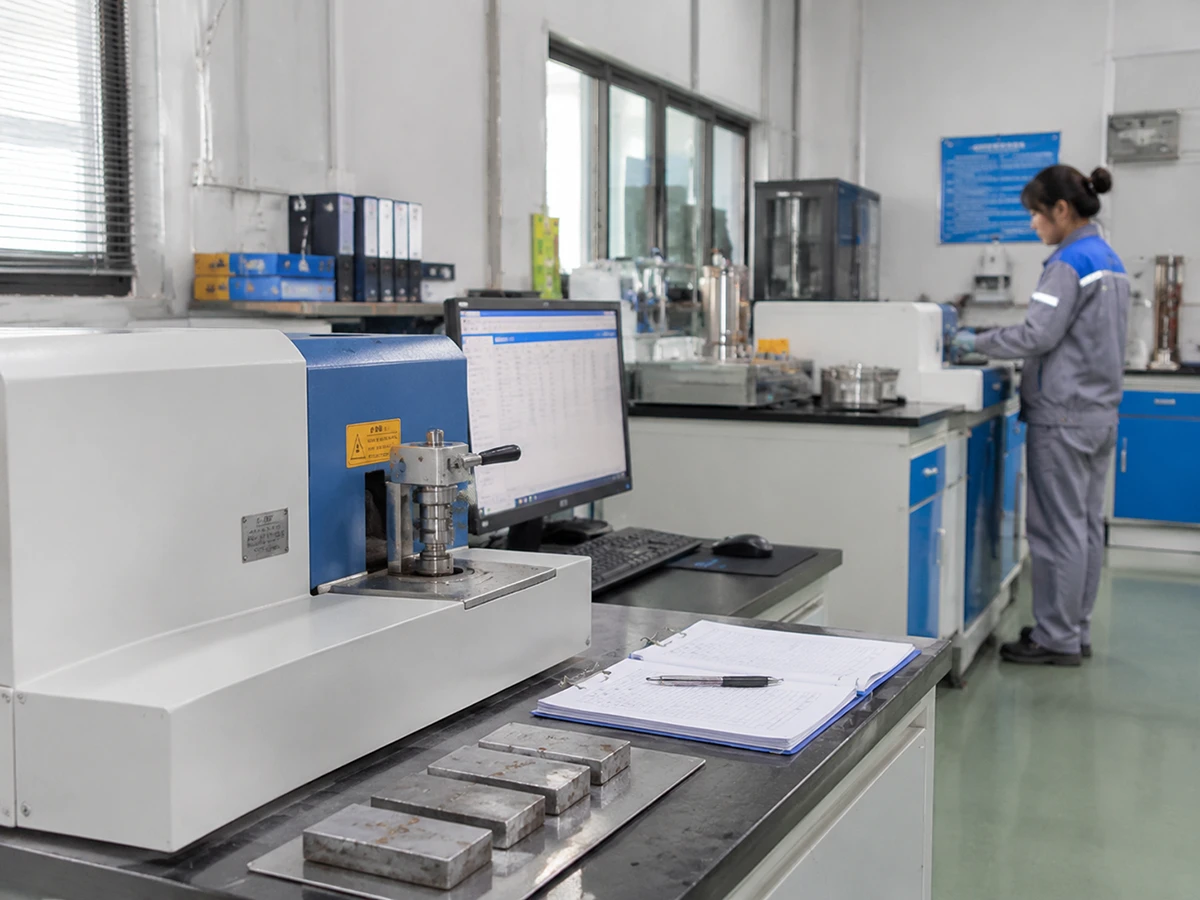
ASTM A515 Grade 65 has a different standard heat-treatment threshold from ASTM A516. Specify the condition your project needs.
Plates at or below 50 mm are normally supplied as-rolled where the design and order permit. Confirm finished thickness and material testing.
Normalization, stress relief, or both may be ordered. State the required mill condition and certificate evidence.
Plates over 50 mm are required to be normalized. Include thickness, test scope and expected heat-treatment record in the order.
State thickness, required normalization, drawing or boiler code, and any test coupons or inspection hold points.
A515 Grade 65 is a boiler/pressure-vessel material designation, not an automatic low-temperature impact guarantee. Supplemental examination must match the design and purchase order.
Review specified heat composition, yield, tensile and elongation results with plate/heat identification.
State test temperature, required average energy, orientation, specimen size and applicable code.
Choose examination method and acceptance level, such as ASTM A435/A435M or A578/A578M, where required.
Choose this plate only where the project material specification, design temperature and welding procedure accept ASTM A515 Grade 65.
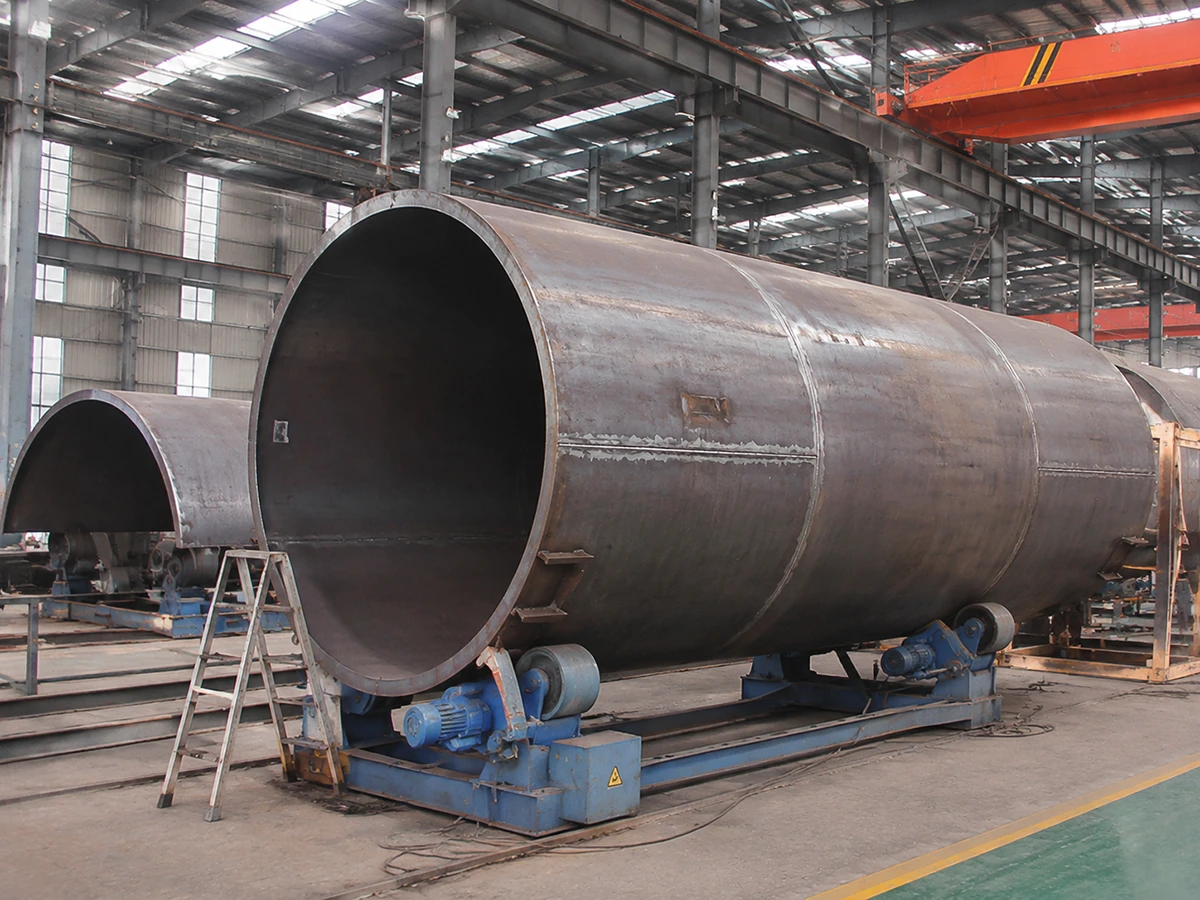
Plate for vessel shells, drums and related welded components where the approved material schedule names A515 Grade 65.
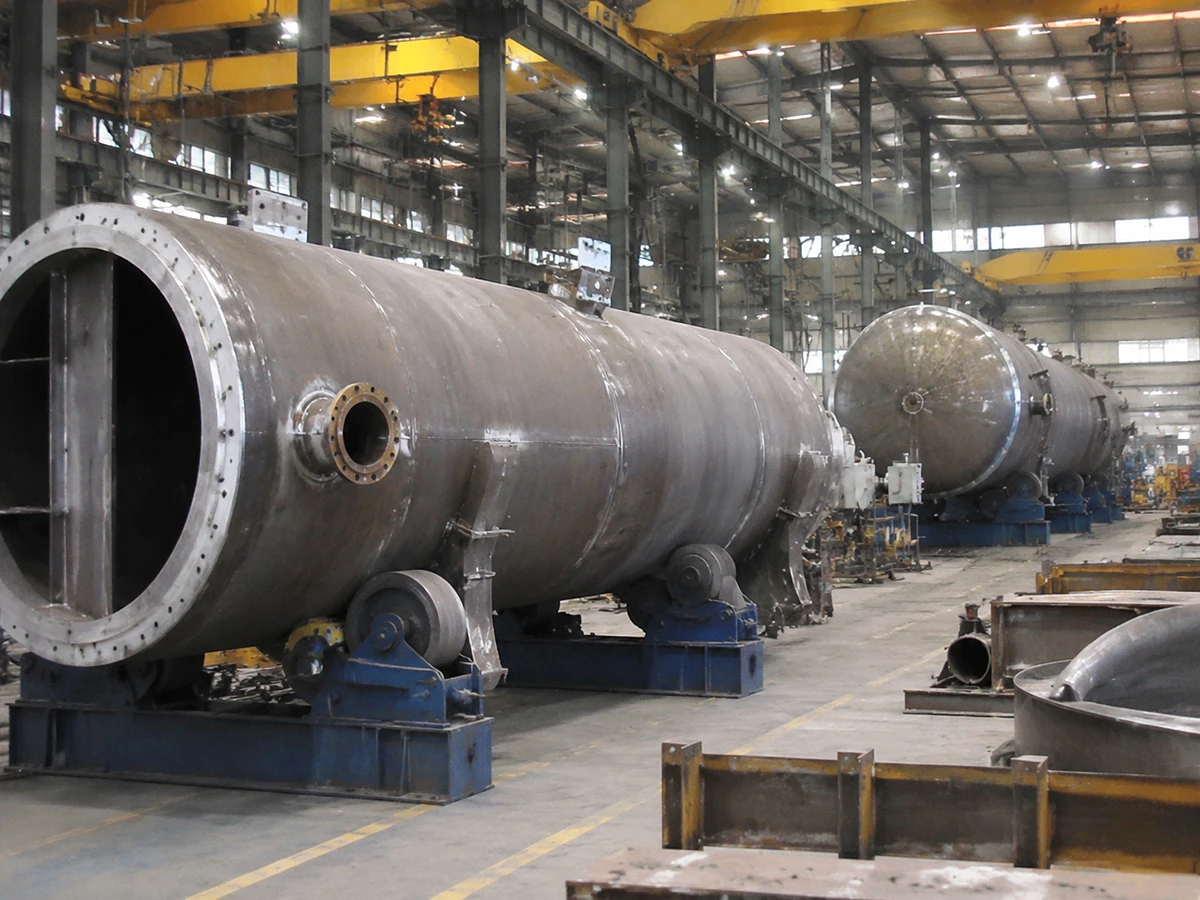
Pressure-containing shells and fabricated equipment requiring heat-identified steel plate and project-defined testing.
Boiler-system fabrication with design-code material control.
Intermediate- and elevated-temperature duty, where A515 is explicitly accepted.
Shell blanks, head blanks and fabricated plate parts with retained heat identity.
Order matching material and document requirements for engineered repair work.
From steelworks identification to delivery documents, our role is to help buyers specify, compare and receive the ordered material correctly.
Company-wide steel output scale supports broad steel procurement activities. Grade 65 production is verified separately per producing works.
Company-wide inventory across steel products. ASTM A515 Grade 65 availability is confirmed for the actual thickness, size and heat treatment.
Large industrial operational footprint for organized steel supply and shipment coordination.
Company-wide personnel support production operations, handling, documentation and export communication.
The figures above describe BAOSTEEL METAL's overall business and are not dedicated A515 Grade 65 output, inventory or an unconditional delivery guarantee.
Your order needs the actual producing works, feasible plate width/length and ability to provide the specified tests.
We check the requested plate thicknesses, order volumes and documentation against available mill routes. A quote can distinguish as-rolled, normalized and project-specific inspection requirements.
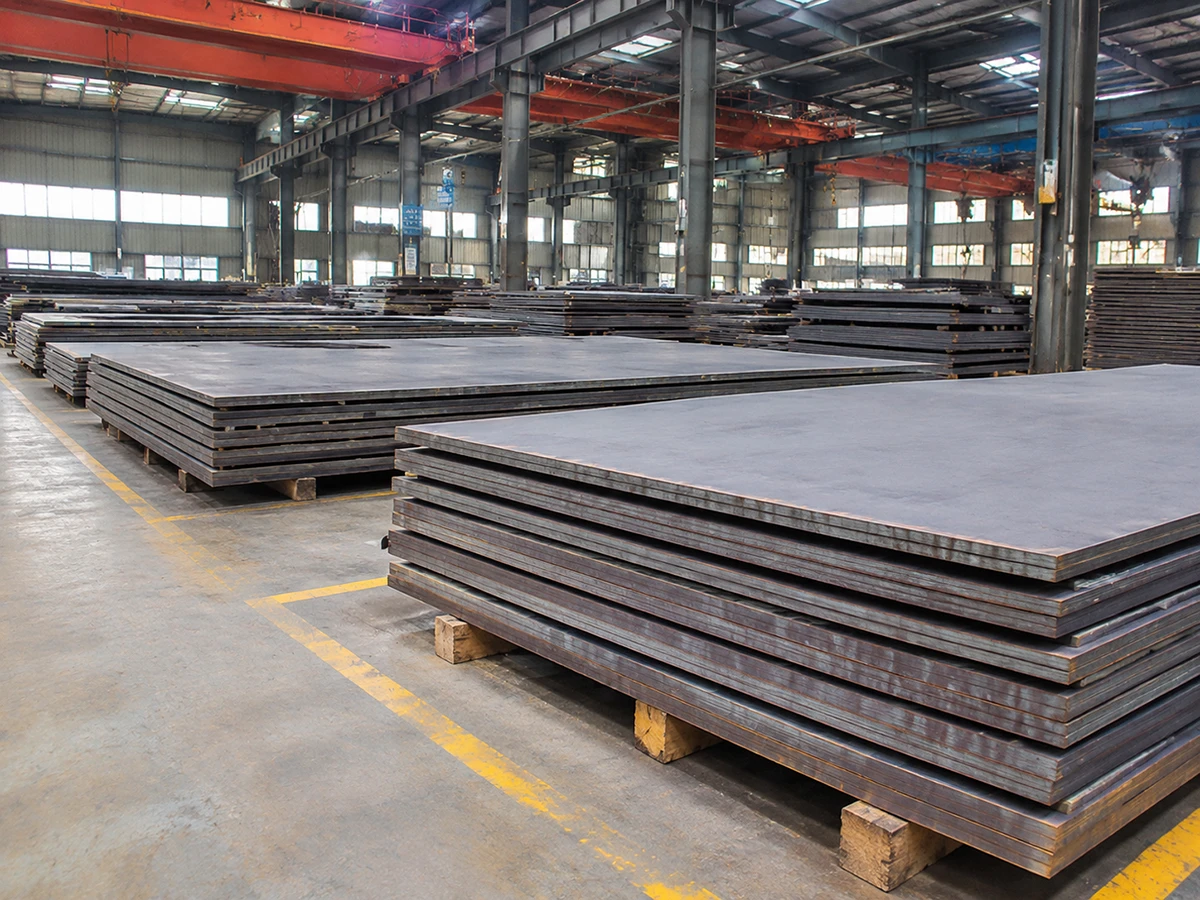
Buyers can request material test certificates and additional inspection records consistent with the producing mill, ordered grade and documentation scope.
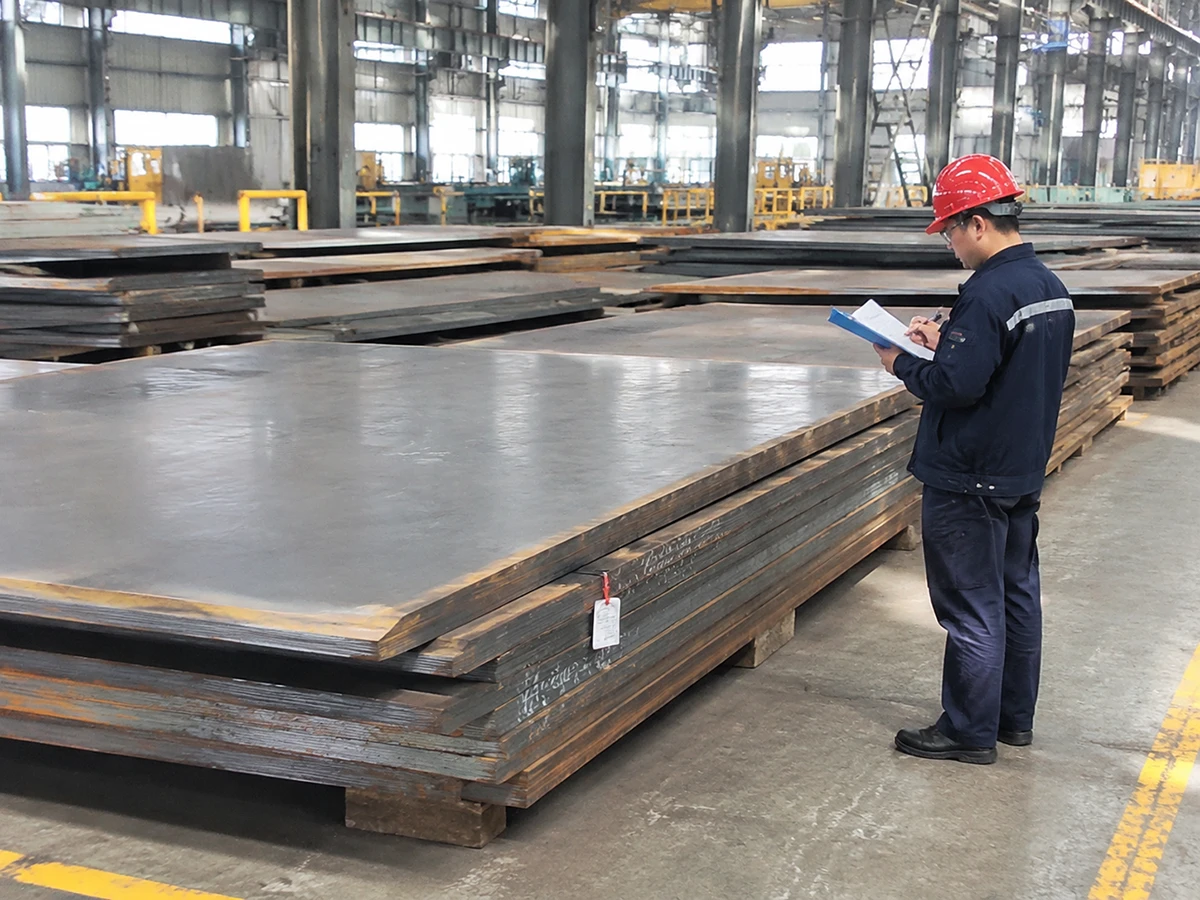
The documentation package should let your receiving team identify the producing mill, grade, heat number, plate dimensions, heat treatment and test results.
EN 10204 3.1 or another specified certificate format is coordinated only when supported by the actual source and required purchase order.
A515 Grade 65 is a plate material specification for intermediate/higher-temperature service. The grade name alone does not establish allowable stress at every service temperature.
Determine allowable stress from the governing pressure-equipment code, edition, thickness, material condition and design case. Verify the applicable ASME material listing where needed.
Select WPS/PQR, consumables and preheat based on the actual chemical analysis, joint geometry, thickness and required toughness.
Review cold/hot forming, fabrication heat exposure and PWHT with the material code and equipment manufacturer; arrange simulated-PWHT tests when specified.
Use the calculator for early shipment planning. Final invoicing depends on contract tolerances, mill measurement and shipped weight.
Enter finished dimensions in millimetres and the number of plates.
Nominal density 7,850 kg/m³. This is a theoretical estimate, excluding trimming, processing loss and delivery tolerances.
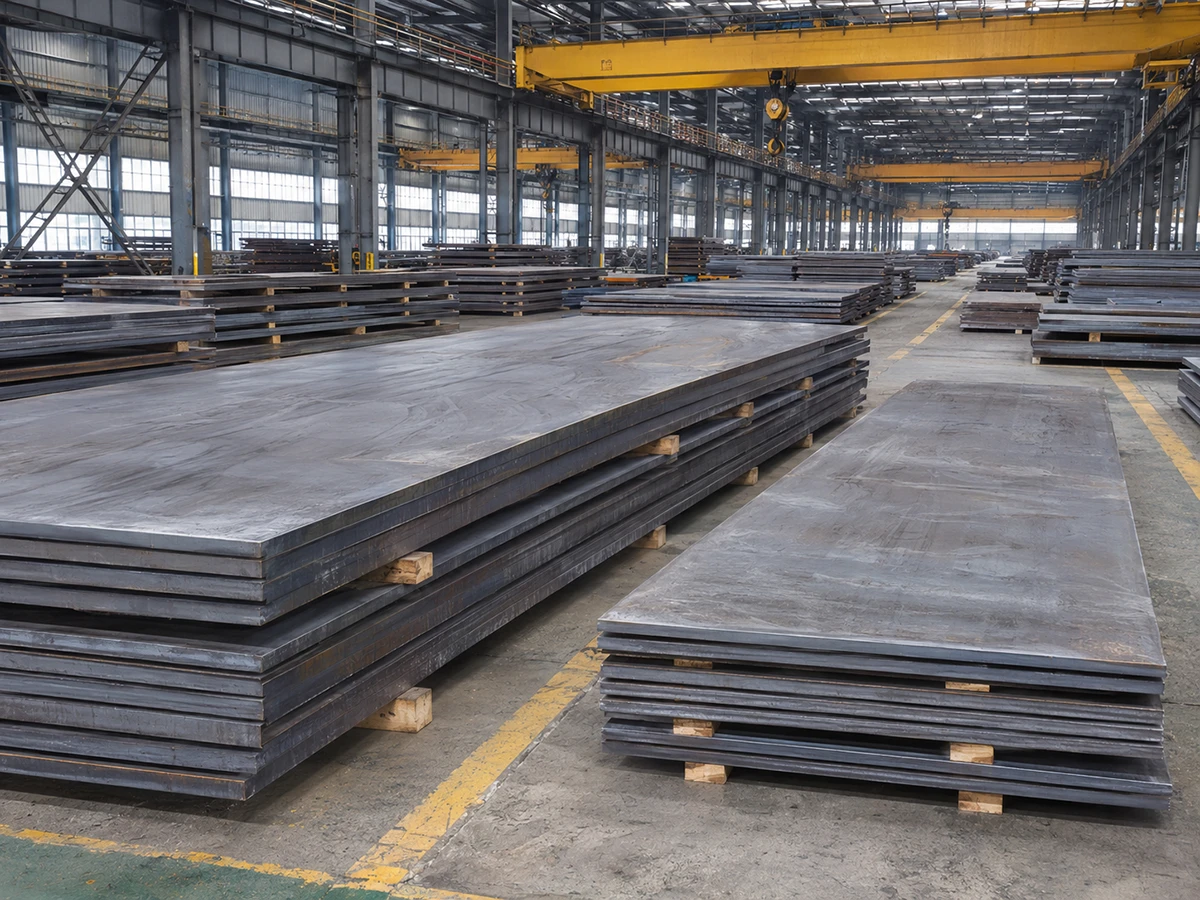
Where commercially and technically practical, plate cutting can be coordinated together with traceable marking and dimensional inspection.
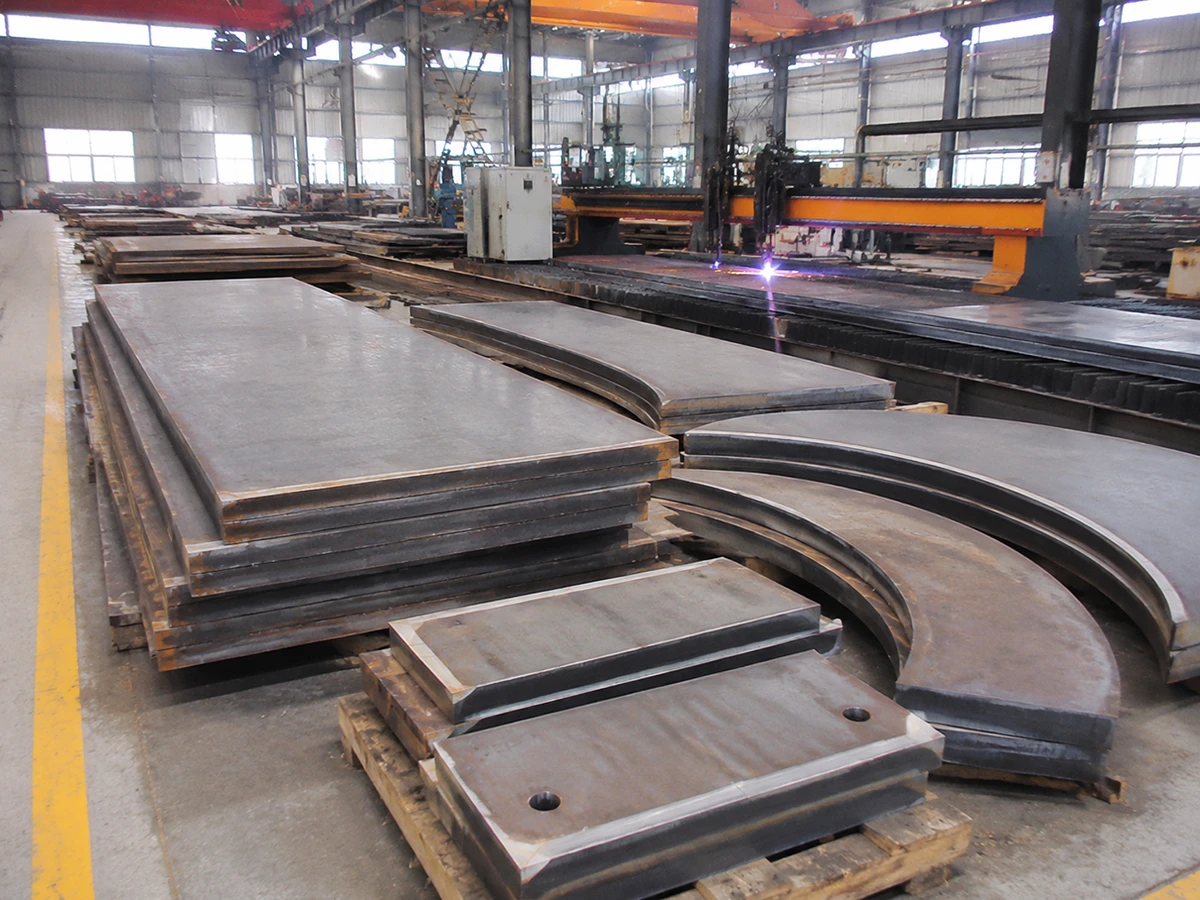
Send your cut list with finished dimensions, tolerances, bevel preferences and heat-mark requirements. Actual cutting methods are selected based on thickness, part geometry and delivery condition.
Plan the physical shipment and its certificate package together, so the receiving plant can match the plates to its material schedule.
Shipping options depend on plate dimensions, gross tonnage, port access and the Incoterm agreed in the quotation. We can coordinate packing lists, lifting arrangements and document presentation.
Use the engineer-approved grade. These links are staged for the corresponding WordPress pages once they are published.
Cards are not clickable while the product pages are drafts. Add their verified published URLs in Elementor before launch; an unpublished draft would otherwise lead to a 404 page.
Confirm the boiler or vessel design code and any additional test scope before comparing two supplier quotations.
It is killed carbon-silicon steel plate specified for certain welded boilers and other pressure vessels in intermediate/higher-temperature service. Final material selection follows the equipment design code and approved drawings.
Minimum yield strength is 240 MPa and tensile strength is 450–585 MPa. Elongation is at least 23% in 50 mm or 19% in 200 mm, subject to ASTM A20/A20M requirements.
Plates over 50 mm must be normalized under the product standard. Plates 50 mm and below normally ship as-rolled but can be ordered normalized or stress relieved, or both.
ASTM A515 Grade 65 uses a coarse-austenitic-grain manufacturing practice and is intended for intermediate/higher-temperature service; ASTM A516 Grade 65 follows its own fine-grain route. They have similar strength class figures but are separate specifications and cannot be substituted without engineering approval.
ASME projects may specify the corresponding SA-515 designation, but the required ASME edition and certificate wording must be explicitly checked with the source and project code.
No single Charpy temperature/energy guarantee follows from the Grade 65 name alone. Request the intended temperature, energy, specimen direction, sampling and test standard where required.
Yes, where the producing mill and order support the required examination method and acceptance level. Specify the relevant UT standard and required report before production.
State the final thickness, heat-treatment condition, dimensions, cutting list and markings. We will confirm source-specific production and processing feasibility.
For mm dimensions, kg per plate equals thickness × width × length × 0.00000785. Final shipment mass and tolerances are confirmed with the supplying mill.
Provide grade and specification edition, thickness × width × length, total quantity, heat-treatment condition, vessel code, inspection scope, certificate wording, destination and requested delivery date.
Send your required grade, dimensions, quantity and destination. Our team will review the inquiry.