Global Steel Supply & Processing
Source chromium–molybdenum alloy steel plate for boiler drums, heat-exchanger shells and welded pressure equipment. Specify the correct thickness band, normalized-and-tempered delivery condition, 20°C impact results and traceable mill documents in one purchase request.
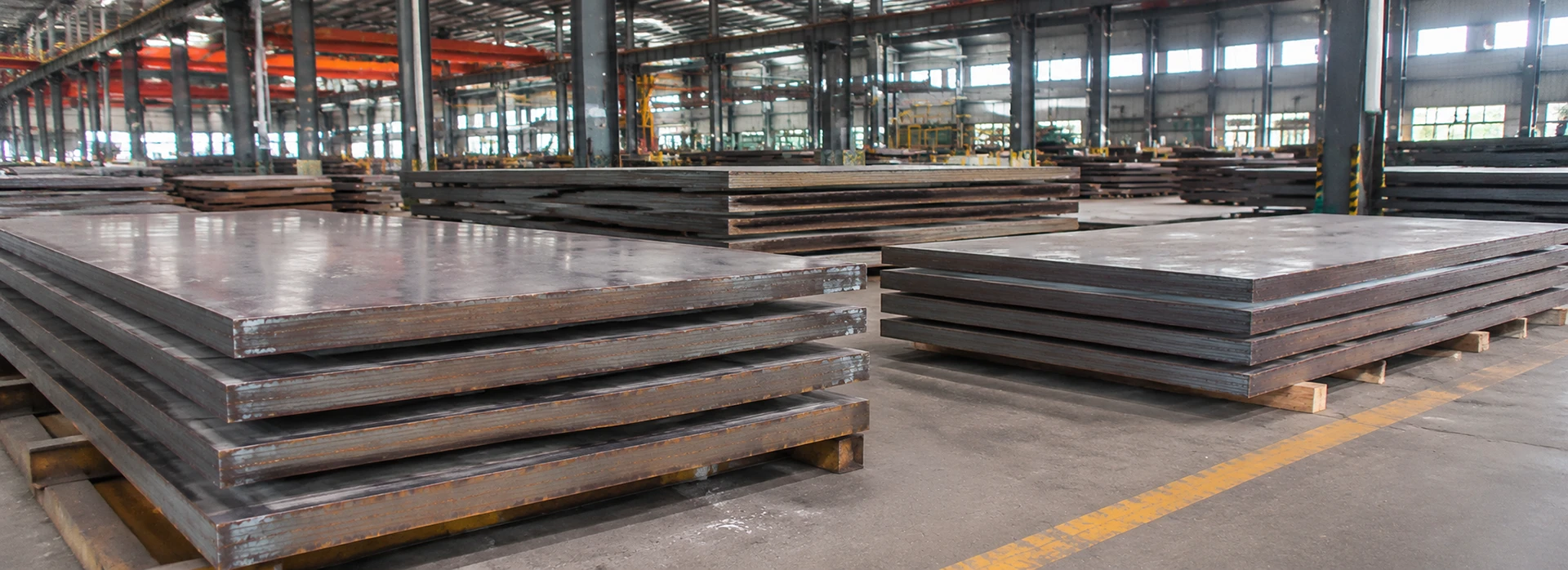
Use the exact GB material grade, standard edition and steelworks delivery record when requesting a quotation.
| Order item | What to specify or verify |
|---|---|
| Grade designation | 15CrMoR — Chinese chromium–molybdenum steel for pressure equipment. |
| Product standard | GB/T 713.2-2023, in conjunction with GB/T 713.1 general requirements. |
| Plate thickness bands | Strength data in the standard cover 6–60, >60–100 and >100–200 mm; actual orderable thickness and dimensions are confirmed against mill capability. |
| Delivery condition | Normalized + tempered (N + T), tempering temperature not lower than 650°C; confirm the declared heat treatment and test results on the MTC. |
| Surface, edges and tolerances | Hot-rolled plate, dimensional and flatness requirements, trimmed or agreed edges and surface inspection as stated in the order. |
| Main property control | Room-temperature tensile, +20°C / 47 J impact reference, grade-specific chemistry, and relevant high-temperature strength route. |
| Heat and document traceability | Heat number, chemical analysis, tensile and impact results, delivery condition and mill-issued quality document. |
| Purchase-specific verification | Specify ultrasonic test level, HIC-resistant route, PWHT simulation, elevated-temperature tensile test, third-party witness and special acceptance criteria where required. |
| Export purchase details | Thickness × width × length, plate count/MT, Incoterm, destination and certificate release requirements. |
Order against the matching plate thickness band. A 295 MPa minimum yield requirement applies only to the first band.
| Plate thickness t | Min. yield ReL / Rp0.2 | Tensile strength Rm | Min. elongation A |
|---|---|---|---|
| 6–60 mm | ≥295 MPa | 450–590 MPa | ≥19% |
| >60–100 mm | ≥275 MPa | 450–590 MPa | ≥19% |
| >100–200 mm | ≥255 MPa | 440–580 MPa | ≥19% |
Minimum lower yield strength in the first nominal thickness band; tensile strength 450–590 MPa.
Mid-thickness material uses its own minimum yield, despite the same 450–590 MPa tensile range.
Thicker material is specified at 440–580 MPa tensile strength; check the correct mill capability.
GB/T 713.2-2023 Table 2: ReL is the lower yield strength; Rp0.2 may be used where a distinct yield phenomenon is absent. Material-test specimen and general acceptance provisions follow GB/T 713.1 and the ordered edition.
For heated pressure equipment, match the material thickness and required test temperature to the published minimum elevated-temperature strength.
| Plate thickness | At 200°C | At 250°C | At 300°C | At 400°C | At 500°C |
|---|---|---|---|---|---|
| >20–60 mm | 240 MPa | 225 MPa | 210 MPa | 189 MPa | 174 MPa |
| >60–100 mm | 220 MPa | 210 MPa | 196 MPa | 176 MPa | 162 MPa |
| >100–200 mm | 210 MPa | 199 MPa | 185 MPa | 165 MPa | 150 MPa |
For >20–60 mm plate, Table 3 lists at least 240 MPa at 200°C and 174 MPa at 500°C. These values are not the room-temperature yield requirement.
GB/T 713.2 allows high-temperature tensile testing upon buyer request for plate thicker than 20 mm. Specify temperature, procedure, reporting and any equipment-code conditions.
Check the actual heat analysis rather than inferring weldability or high-temperature behavior from the grade name alone.
| Cast-analysis element | Mass-fraction requirement |
|---|---|
| Carbon (C) | 0.08–0.18% |
| Silicon (Si) | 0.15–0.40% |
| Manganese (Mn) | 0.40–0.70% |
| Chromium (Cr) | 0.80–1.20% |
| Molybdenum (Mo) | 0.45–0.60% |
| Phosphorus (P) | ≤0.025% |
| Sulfur (S) | ≤0.010% |
| Nickel (Ni) | ≤0.30% |
| Copper (Cu) | ≤0.30% |
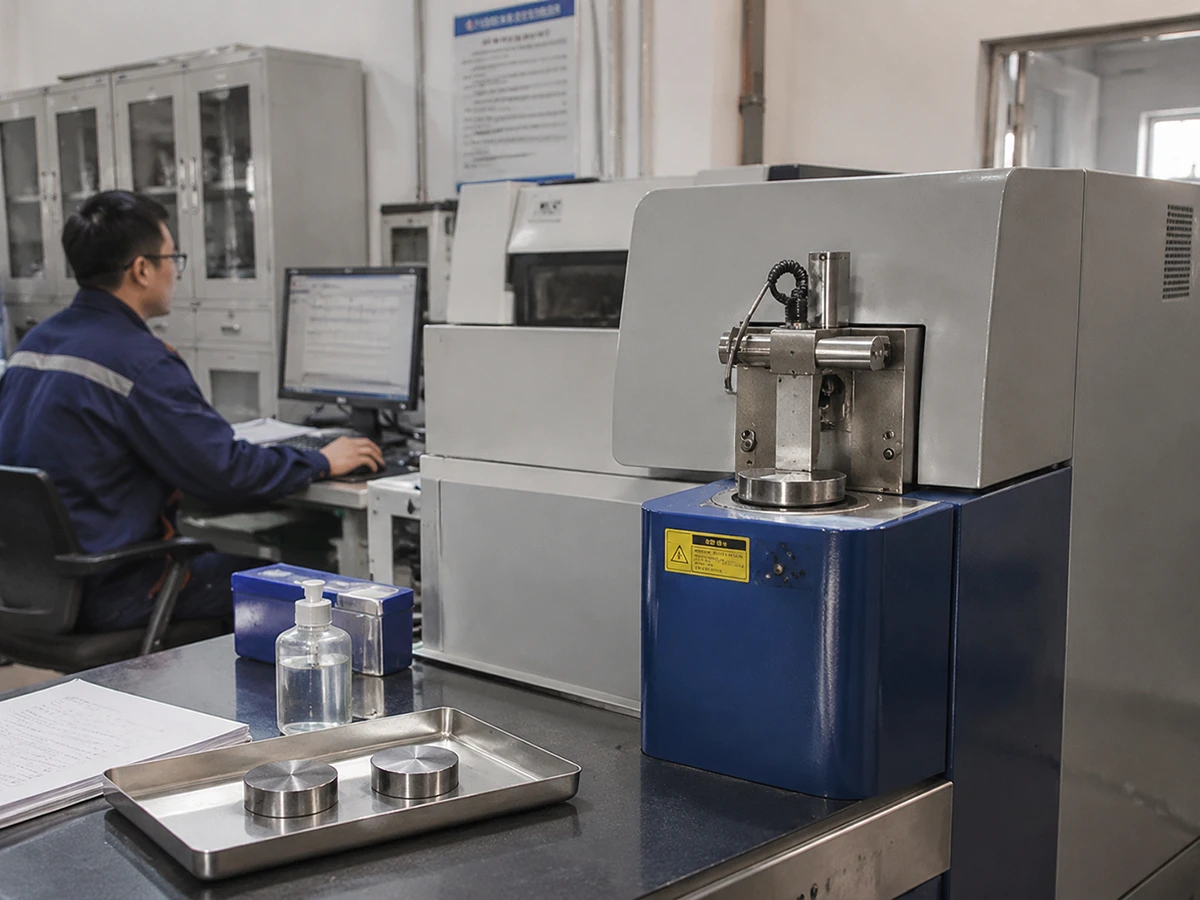
15CrMoR uses 0.80–1.20% Cr and 0.45–0.60% Mo in the standard cast analysis. Include measured values and heat number in the material document review.
The base 15CrMoR grade includes a +20°C impact requirement. State any different temperature or additional testing in the purchase order.
GB/T 713.2-2023 Table 2 lists the Charpy V-notch test temperature as +20°C for 15CrMoR.
The listed impact absorption energy is 47 J. Test sampling and specimen dimensions must follow the applicable standard.
For low-temperature or additional test requirements, state the target temperature, energy, orientation and witness arrangements before production.
Send operating design conditions, Charpy test requirements, UT level, PWHT simulation and MTC requirements.
15CrMoR is a heat-treated pressure-equipment steel; confirm the N + T route and mill treatment record against the ordered thickness.
GB/T 713.2 Table 2 specifies normalized-and-tempered delivery for 15CrMoR. Ask for the actual thermal condition in the material certificate.
Under clause 7.3.2, the tempering temperature for 15CrMoR must be at least 650°C. The approved steelworks determines the full thermal cycle.
For normalized-and-tempered plates thicker than 50 mm, purchaser approval can permit accelerated cooling after normalizing, followed by tempering.
Include nominal thickness, required heat treatment, any PWHT simulation and the expected inspection-document scope.
Match alloy chemistry, delivery heat treatment, thickness and allowable design stresses to the equipment documentation.
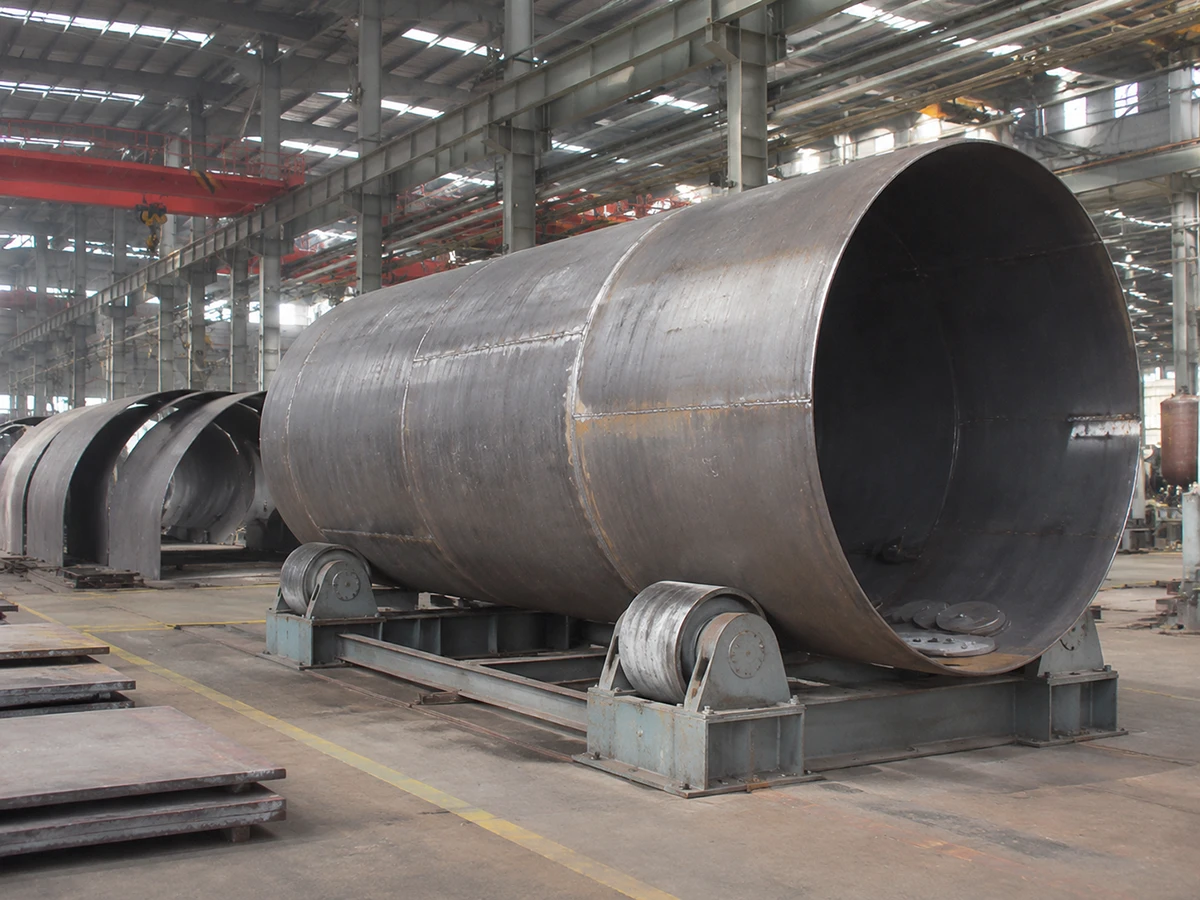
Supply plate blanks prepared for welding and vessel-fabrication procedures.
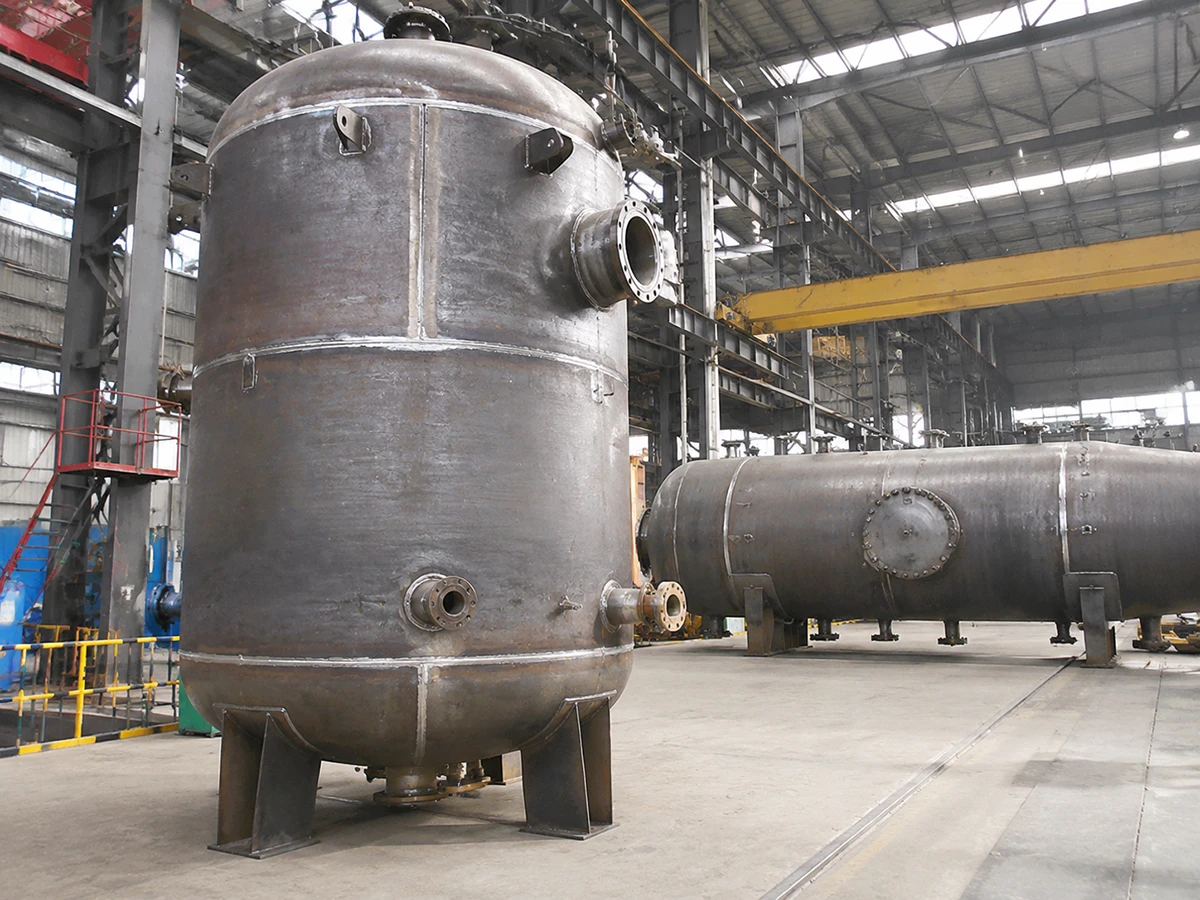
Material control for thermal equipment including shell and pressure-part manufacture.
Cr–Mo plate for code-approved welded boiler components where temperature and pressure govern material selection.
Plate for pressure-containing process equipment when the applicable vessel code specifies the grade.
Plate used to fabricate appropriately qualified pressure shells and related welded components.
Cut and formed plate for certified fabricators following approved drawings, welding procedures and inspection plans.
Application examples are subject to the relevant design code, service media, welding procedures and customer approval. Confirm a project-specific operating-temperature and creep assessment separately.
Procurement teams need matching material documents and reliable shipment coordination alongside dimensional availability.
Material, thickness band, heat treatment, chemistry and test records are kept explicit throughout quotation and release.
We confirm the actual 15CrMoR production source, available plate sizes and delivery schedule for each requested order.
MTC and any agreed supplementary test reports are matched to plates and quantities before dispatch.
Packaging, marking, Incoterms, freight and the destination documentation package are planned with the purchase order.
Company-wide operating profile: approximately 8 million MT annual steel output, 1 million MT regular stock, 500,000 m² facility area and 1,000+ employees. These are overall BAOSTEEL METAL figures, not 15CrMoR-specific production or stock commitments.
15CrMoR alloy plate sourcing depends on mill rolling size, heat-treatment equipment, required tests and the approved manufacturing route.
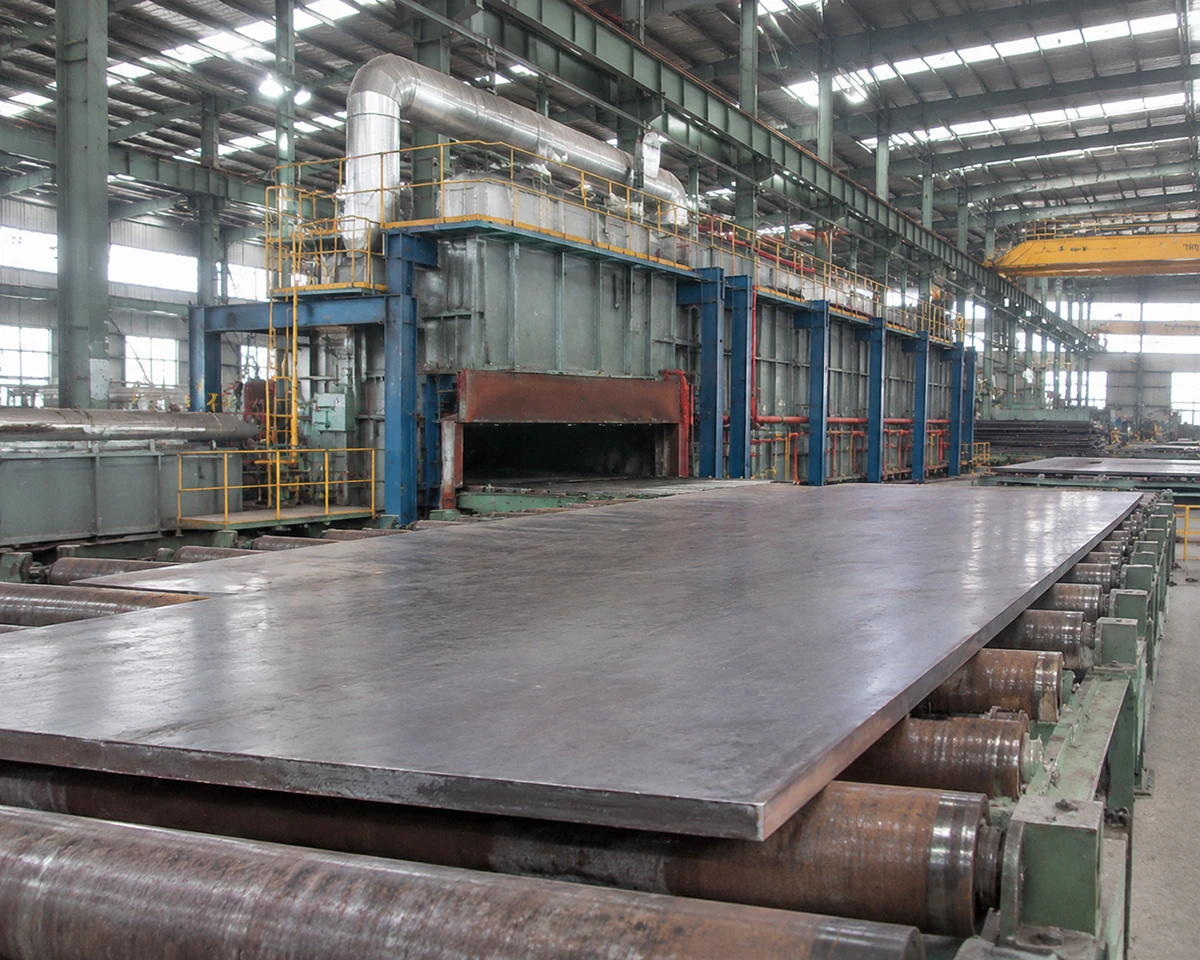
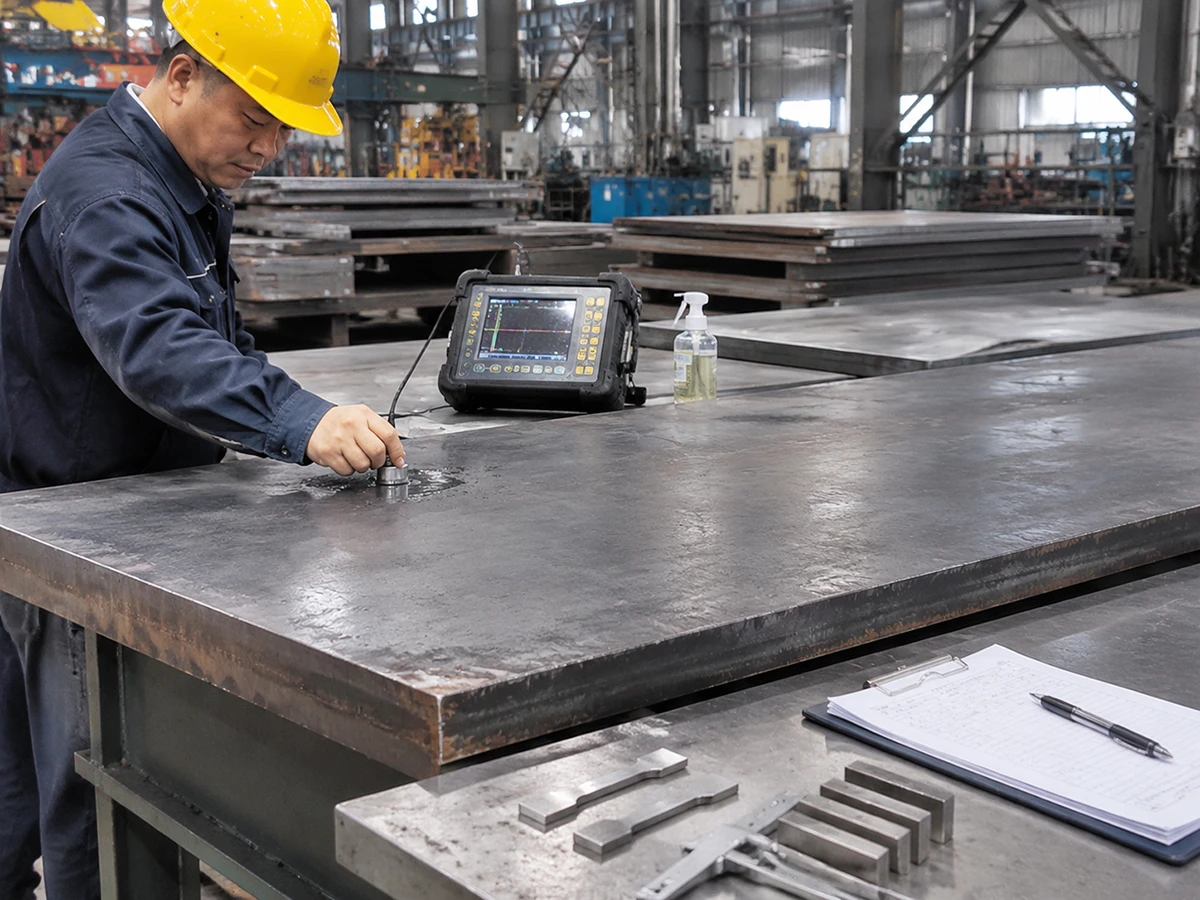
Document quality requirements in the RFQ so testing can be built into the actual producing mill route.
Align fabrication procedures with Cr–Mo chemistry, material thickness, N + T delivery, service conditions and the equipment code.
Agree filler metal, welding procedure qualifications, heat input and inspection according to the project’s pressure-equipment code.
Choose temperatures based on thickness, restraint, composition, hydrogen control and qualified welding procedures.
Review the specified PWHT cycle and any requirements for simulated heat treatment or retesting with the producing mill.
Send the cutting list, design code, WPS/PQR requirements and any PWHT simulation to evaluate material and delivery.
Estimate nominal steel mass for order planning and freight using a reference density of 7,850 kg/m³.
Enter the plate thickness, width, length and whole-plate quantity.
Nominal theoretical density. Final invoiced, packing and freight weight follows the contract and actual plate tolerances.
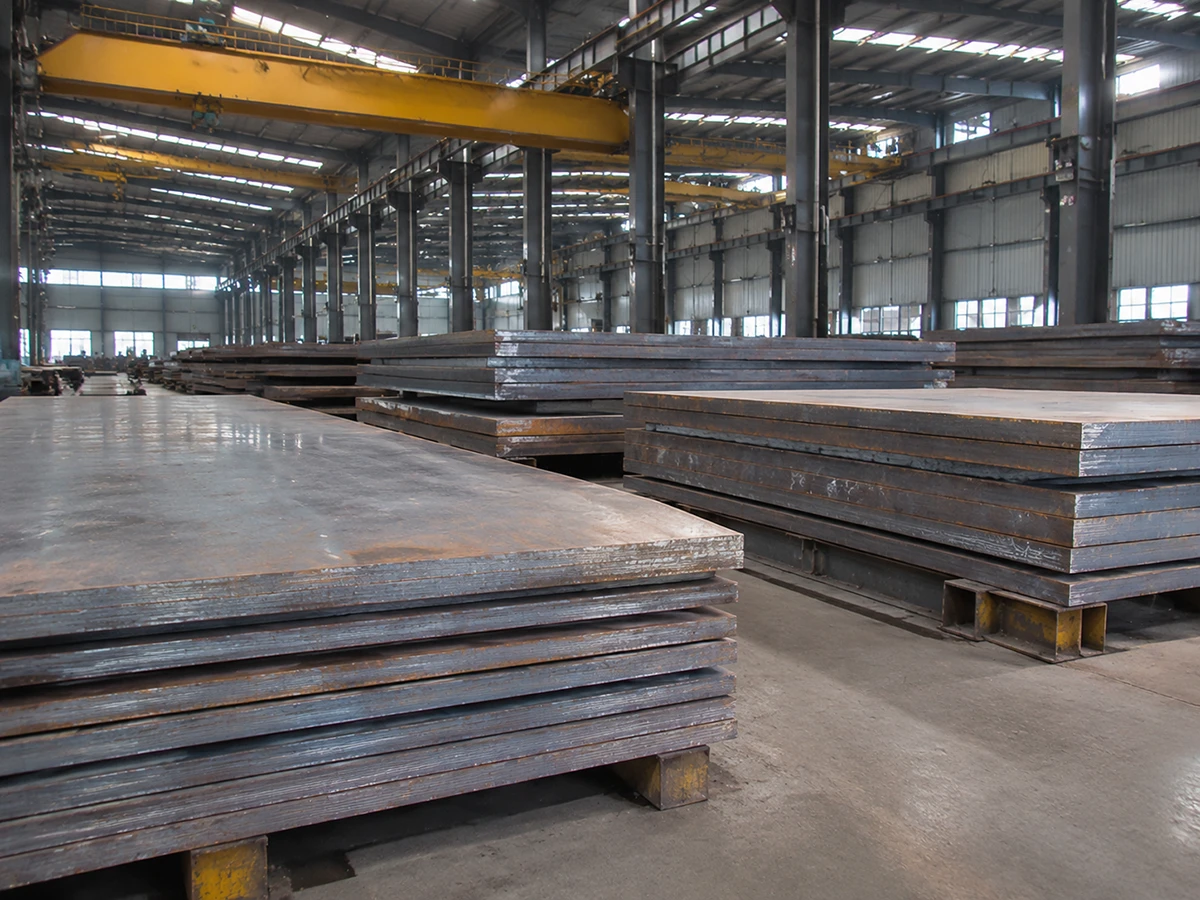
Include each plate size, quantity, heat-treatment condition, test scope, steelworks requirements and delivery destination in the purchase list.
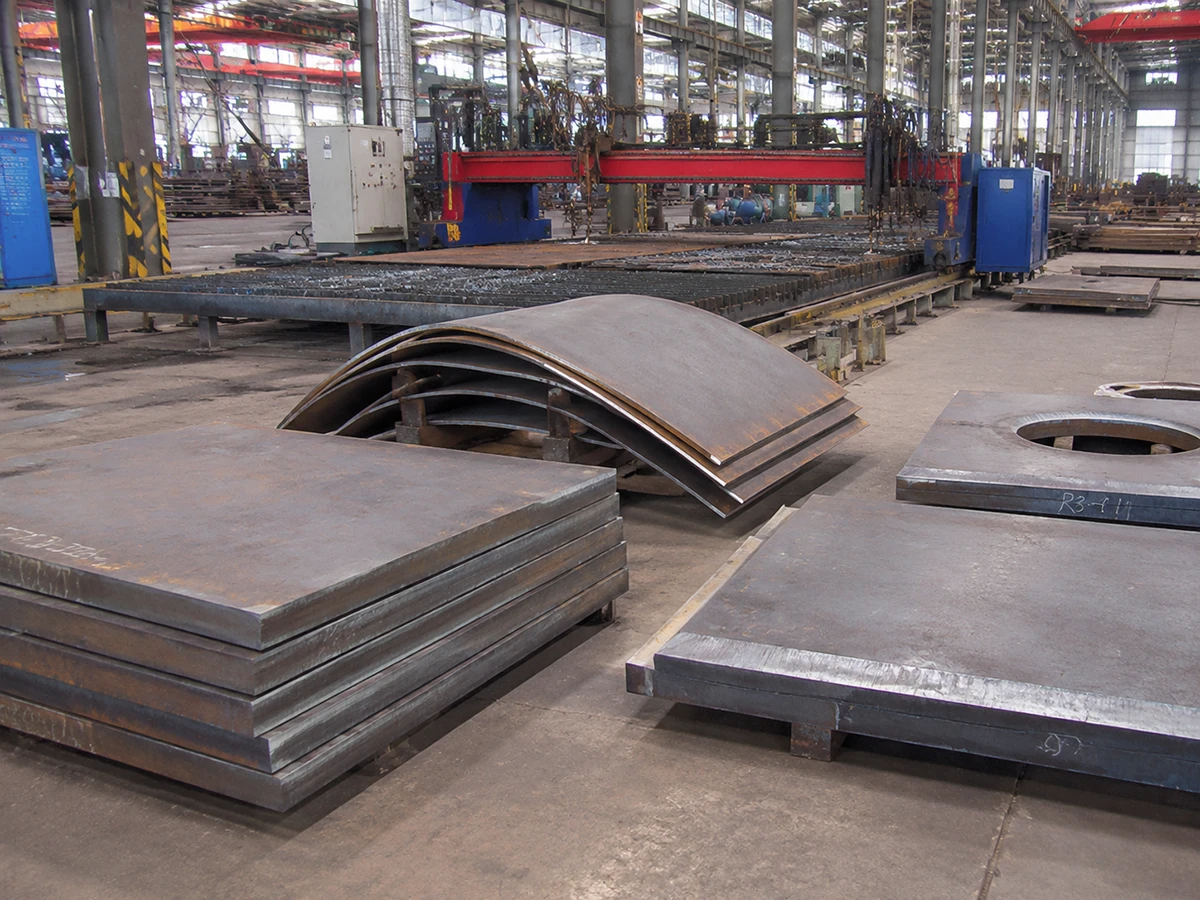
Cutting and dimension preparation can be assessed with the actual heat-treated plate and agreed drawing. Required material acceptance remains linked to the original heat.
Shipping requirements are planned alongside plate dimensions, handling weight and the release of technical documents.
Agree packaging, Incoterm, port and destination before the actual shipment is scheduled.
Compare the appropriate material standard, heat treatment and mechanical acceptance before considering an alternative grade.
ASTM carbon–silicon boiler plate, with different base chemistry and product requirements.
A separate ASTM strength grade for boiler and pressure-equipment fabrication.
Higher ASTM A515 tensile class; suitability depends on design-code review.
EN 10028-2 / 1.5415 molybdenum alloy steel, with its own high-temperature property table.
EN 10028-2 / 1.0425 non-alloy steel with elevated-temperature properties.
GB chromium–molybdenum–vanadium grade; separate specification and heat-treatment requirements.
Related cards are informational until each WordPress page is published and its URL verified. Similar chemistry or product use does not create an automatic substitution approval.
Use the exact material grade and applicable design code when reviewing technical quotations.
15CrMoR is a GB/T 713.2 chromium–molybdenum alloy steel grade for pressure equipment with specified temperature properties. It is ordered with normalized-and-tempered treatment.
The current specification is GB/T 713.2-2023 together with general requirements in GB/T 713.1. State the required edition in the purchase order.
The minimum yield requirement is 295 MPa for 6–60 mm plate, 275 MPa for greater than 60–100 mm and 255 MPa for greater than 100–200 mm.
Yes. The standard Table 2 delivery condition is normalized plus tempered; the minimum tempering temperature is 650°C. Agree any applicable approved cooling route in the order.
The cast-analysis ranges are Cr 0.80–1.20% and Mo 0.45–0.60%, alongside the other elements and limits in GB/T 713.2 Table 1.
GB/T 713.2 Table 2 lists +20°C and a 47 J minimum impact value for 15CrMoR. Additional low-temperature tests require an agreed specification.
For plate greater than 20–60 mm, the high-temperature table lists 189 MPa minimum at 400°C. Other thickness bands have their own values.
The standard annex lists approximate corresponding grades. They are not automatic contractual equivalents; the designer must approve the complete material and code requirements.
Tests can be arranged only where supported by the agreed mill route and order. State UT method and acceptance level, or the special Appendix B hydrogen-service requirements.
Provide grade, GB standard, thickness, width, length, tonnage, N+T heat-treatment condition, MTC and additional tests, processing needs, Incoterm and shipping destination.
Share the nominal plate sizes, quantity, normalized-and-tempered condition, design code, impact/UT requirements, requested material certificate, cutting list and delivery destination. We verify a suitable mill route and quote the supply terms.
Send your required grade, dimensions, quantity and destination. Our team will review the inquiry.