Global Steel Supply & Processing
Source chromium–molybdenum–vanadium steel plate for boiler drums, welded pressure shells and specified thermal equipment. Quote the correct thickness-based strength, normalized-and-tempered delivery, +20°C Charpy results and heat-traceable mill documents.
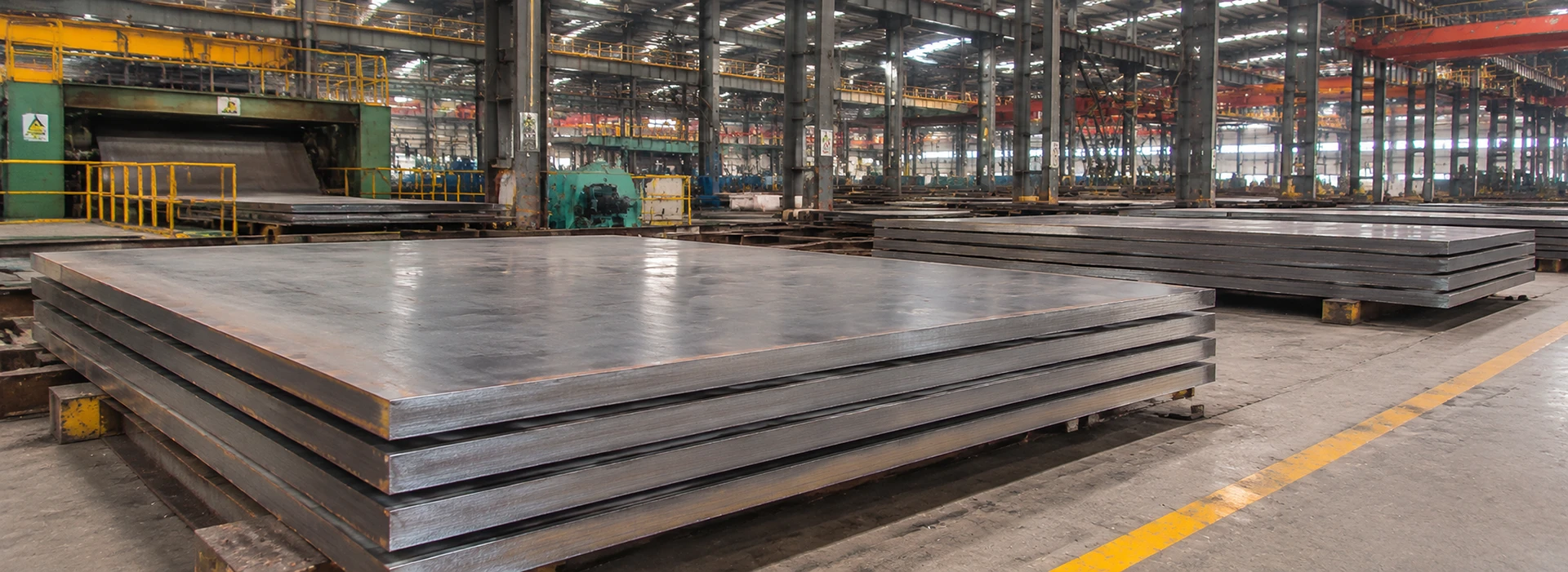
Specify the chromium–molybdenum–vanadium grade and its actual mill route before approving a material quotation.
| Order field | Specification / verification |
|---|---|
| Material grade | 12Cr1MoVR — chromium–molybdenum–vanadium alloy pressure-equipment steel plate. |
| Governing plate standard | GB/T 713.2-2023, with general requirements under GB/T 713.1. Confirm edition in the purchase order. |
| Standard property thickness bands | 6–60 mm and >60–100 mm; commercial stock and rolling dimensions depend on the actual producing mill. |
| Heat treatment | Normalized + tempered (N + T); minimum tempering temperature 680°C under clause 7.3.2. |
| Chemical identity | Cast analysis includes Cr 0.90–1.20%, Mo 0.25–0.35% and V 0.15–0.30%. |
| Standard impact performance | +20°C, 47 J Charpy V-notch reference in Table 2. State any supplementary temperature / direction in the order. |
| Surface and dimensions | Specify hot-rolled plate condition, flatness, thickness tolerance, cut or mill edges and any surface inspection. |
| Mill traceability | Require steelworks identity, heat number, grade, analysis, tensile and impact results and documented heat treatment. |
| Additional order inspections | Specify elevated-temperature tensile, UT method / acceptance level, Z-direction properties, PWHT simulation, HIC testing or third-party witness if required. |
| Export commercial details | Thickness × width × length, required quantity, packing, delivery basis, Incoterm and destination port. |
12Cr1MoVR has two strength bands. Quote the plate by actual ordered thickness rather than applying the 245 MPa minimum to every gauge.
| Plate thickness t | Minimum ReL / Rp0.2 | Tensile Rm | Minimum elongation A |
|---|---|---|---|
| 6–60 mm | 245 MPa | 440–590 MPa | 19% |
| >60–100 mm | 235 MPa | 430–580 MPa | 19% |
Minimum lower yield strength with 440–590 MPa tensile strength and at least 19% elongation.
Minimum lower yield strength with 430–580 MPa tensile strength and at least 19% elongation.
Values are from the grade-specific Table 2 of GB/T 713.2-2023. Rp0.2 may be used when a clear lower-yield point is absent; GB/T 713.1 governs the general inspection and test procedures. Dimensions outside this strength-table range require a separately verified applicable specification.
At higher temperatures, use the grade-specific minimum proof/yield values for the covered thickness interval. These are material test requirements rather than equipment design allowables.
| Plate thickness | 100°C | 150°C | 200°C | 250°C | 300°C | 350°C | 400°C | 450°C | 500°C |
|---|---|---|---|---|---|---|---|---|---|
| >20–100 mm | 220 MPa | 210 MPa | 200 MPa | 190 MPa | 176 MPa | 167 MPa | 157 MPa | 150 MPa | 142 MPa |
For >20–100 mm plate, the standard table lists 200 MPa as the minimum elevated-temperature ReL / Rp0.2 at 200°C.
For the same >20–100 mm band, the table lists a minimum of 157 MPa at 400°C. Specify any purchaser-requested high-temperature tensile tests in the purchase order.
Vanadium is a specified alloying element in 12Cr1MoVR. Compare the complete heat-analysis record with Table 1 and the ordered standard edition.
| Cast-analysis element | Mass fraction, % |
|---|---|
| Carbon (C) | 0.08–0.15 |
| Silicon (Si) | 0.15–0.40 |
| Manganese (Mn) | 0.40–0.70 |
| Chromium (Cr) | 0.90–1.20 |
| Molybdenum (Mo) | 0.25–0.35 |
| Vanadium (V) | 0.15–0.30 |
| Phosphorus (P) | ≤0.025 |
| Sulfur (S) | ≤0.010 |
| Nickel (Ni) | ≤0.30 |
| Copper (Cu) | ≤0.30 |
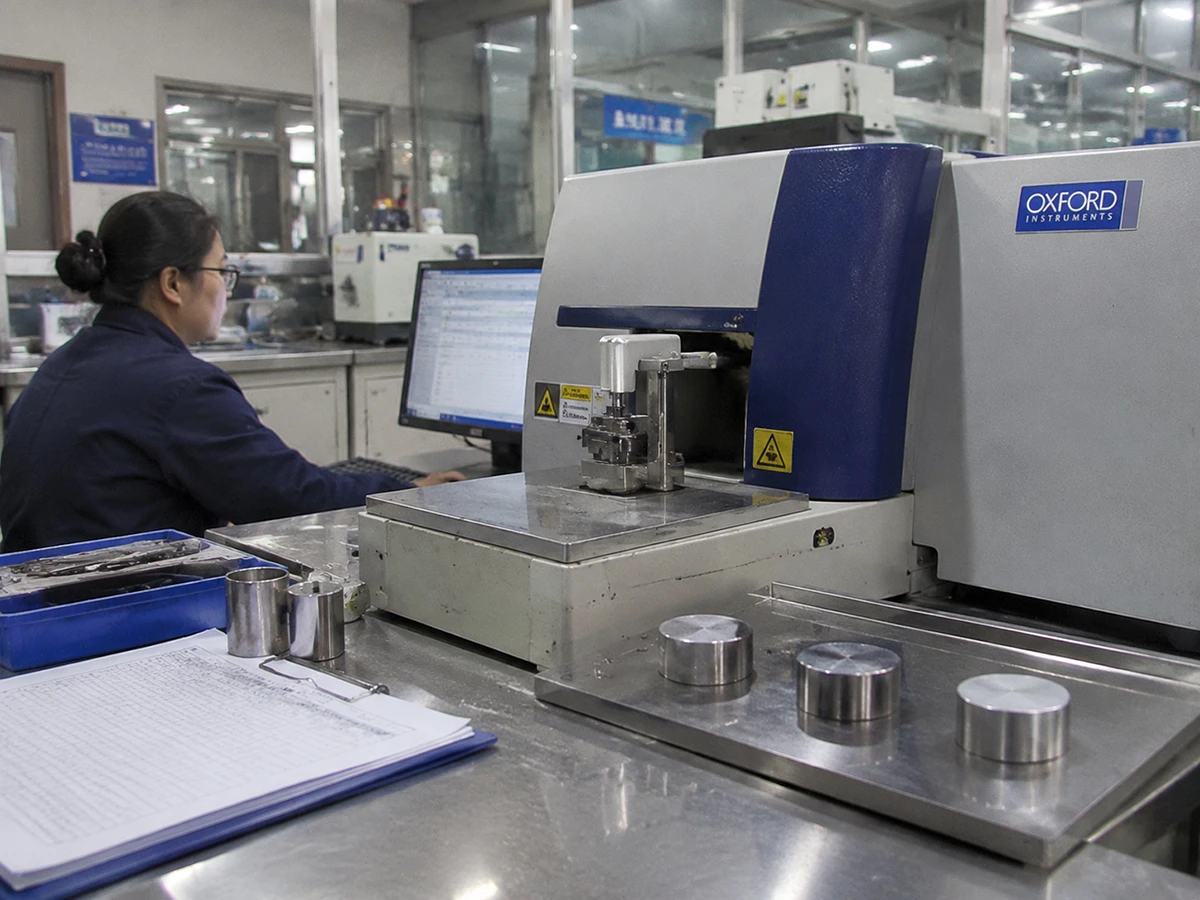
12Cr1MoVR specifies 0.90–1.20% Cr, 0.25–0.35% Mo and 0.15–0.30% V. Request the measured heat results, heat number and product-analysis tolerances in the document review.
Table 1 cast-analysis values. The carbon lower bound may be waived only by purchaser–supplier agreement recorded in the contract. Product-analysis tolerances follow GB/T 713.1; values above are mass fractions and not substitutes for a mill certificate.
The grade-specific baseline is +20°C with 47 J impact absorption. Additional service-temperature testing must be explicitly agreed.
The standard 12Cr1MoVR Table 2 Charpy temperature is +20°C, with sampling and test procedures governed by the applicable GB requirements.
Confirm the V-notch specimen and certificate results for the supplied plate heat; additional orientation or low-temperature tests are project-specific.
Specify impact temperature, specimen orientation, UT acceptance level, simulation of PWHT and witnessing before mill production.
Send the equipment design specification, impact target, method, test frequency and desired certificate scope.
Normalizing and tempering are part of the required steel-plate supply route. Include treatment condition and any fabrication thermal cycle in the order.
12Cr1MoVR is specified as N + T in GB/T 713.2 Table 2. Obtain the actual steelworks heat-treatment and test documentation.
Clause 7.3.2 sets a minimum tempering temperature of 680°C for 12Cr1MoVR. Production-cycle details belong to the mill record.
For N + T plate thicker than 50 mm, clause 7.3.3 permits an agreed normalizing route with accelerated cooling, followed by tempering.
Submit thickness, order weight, heat-treatment scope, drawings and required test records for the producing mill to confirm.
Match alloy chemistry, delivery heat treatment, thickness and allowable design stresses to the equipment documentation.
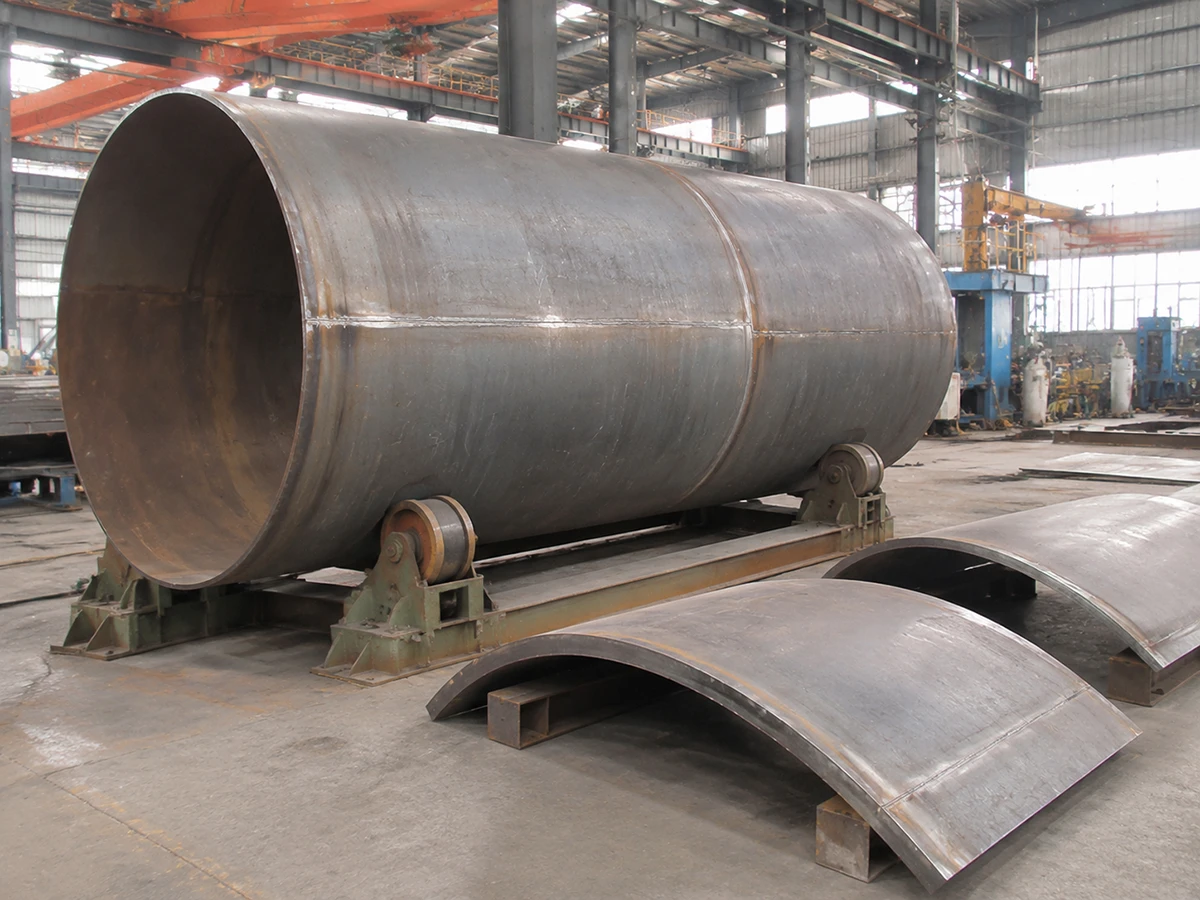
Supply plate blanks prepared for welding and vessel-fabrication procedures.
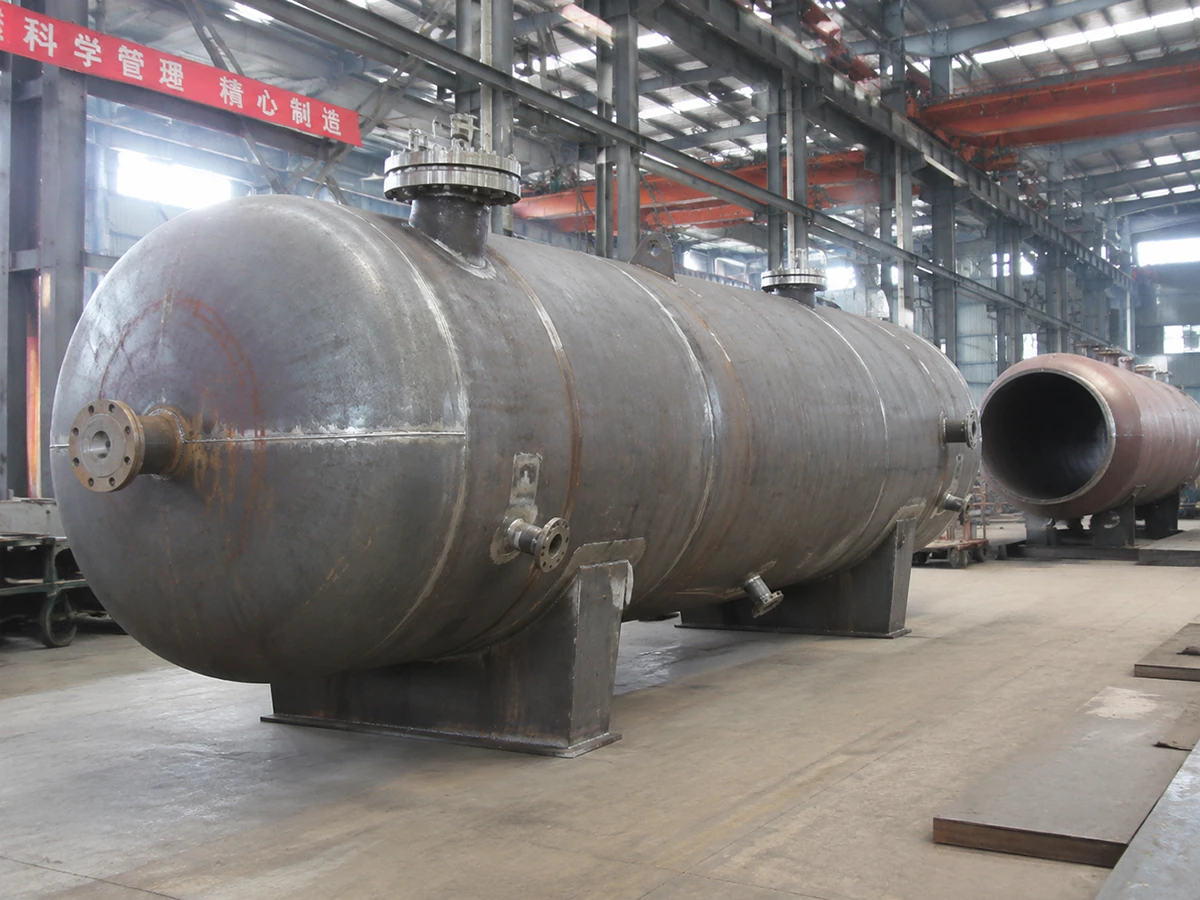
Material control for thermal equipment including shell and pressure-part manufacture.
Cr–Mo–V plate for code-approved welded boiler components where temperature and pressure govern material selection.
Plate for pressure-containing process equipment when the applicable vessel code specifies the grade.
Plate used to fabricate appropriately qualified pressure shells and related welded components.
Cut and formed plate for certified fabricators following approved drawings, welding procedures and inspection plans.
Application examples are subject to the relevant design code, service media, welding procedures and customer approval. Confirm a project-specific operating-temperature and creep assessment separately.
Procurement teams need matching heat-treatment and material documents and reliable shipment coordination alongside dimensional availability.
Material, thickness band, heat treatment, chemistry and test records are kept explicit throughout quotation and release.
We confirm the actual 12Cr1MoVR production source, available plate sizes and delivery schedule for each requested order.
MTC and any agreed supplementary test reports are matched to plates and quantities before dispatch.
Packaging, marking, Incoterms, freight and the destination documentation package are planned with the purchase order.
Company-wide operating profile: approximately 8 million MT annual steel output, 1 million MT regular stock, 500,000 m² facility area and 1,000+ employees. These are overall BAOSTEEL METAL figures, not 12Cr1MoVR-specific production or stock commitments.
12Cr1MoVR alloy plate sourcing depends on mill rolling size, heat-treatment equipment, required tests and the approved manufacturing route.
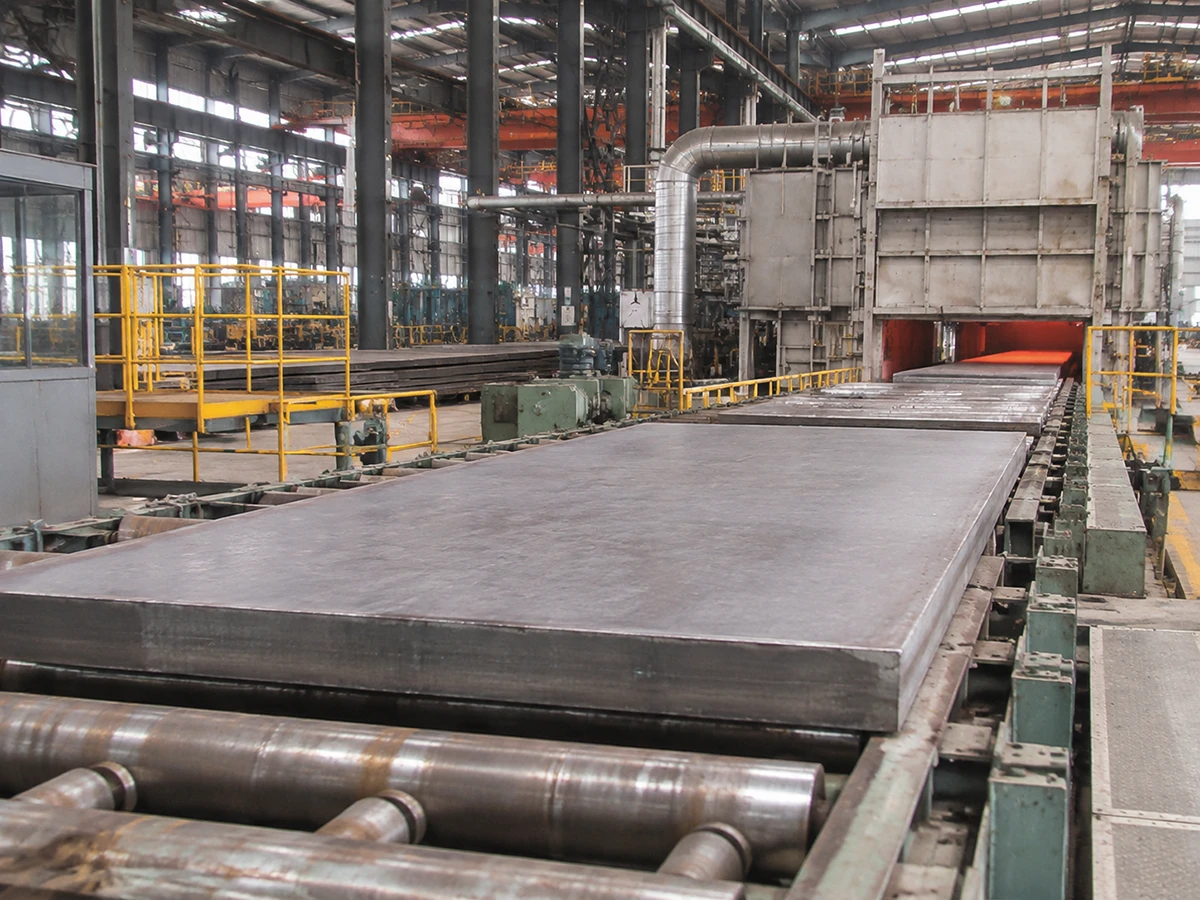
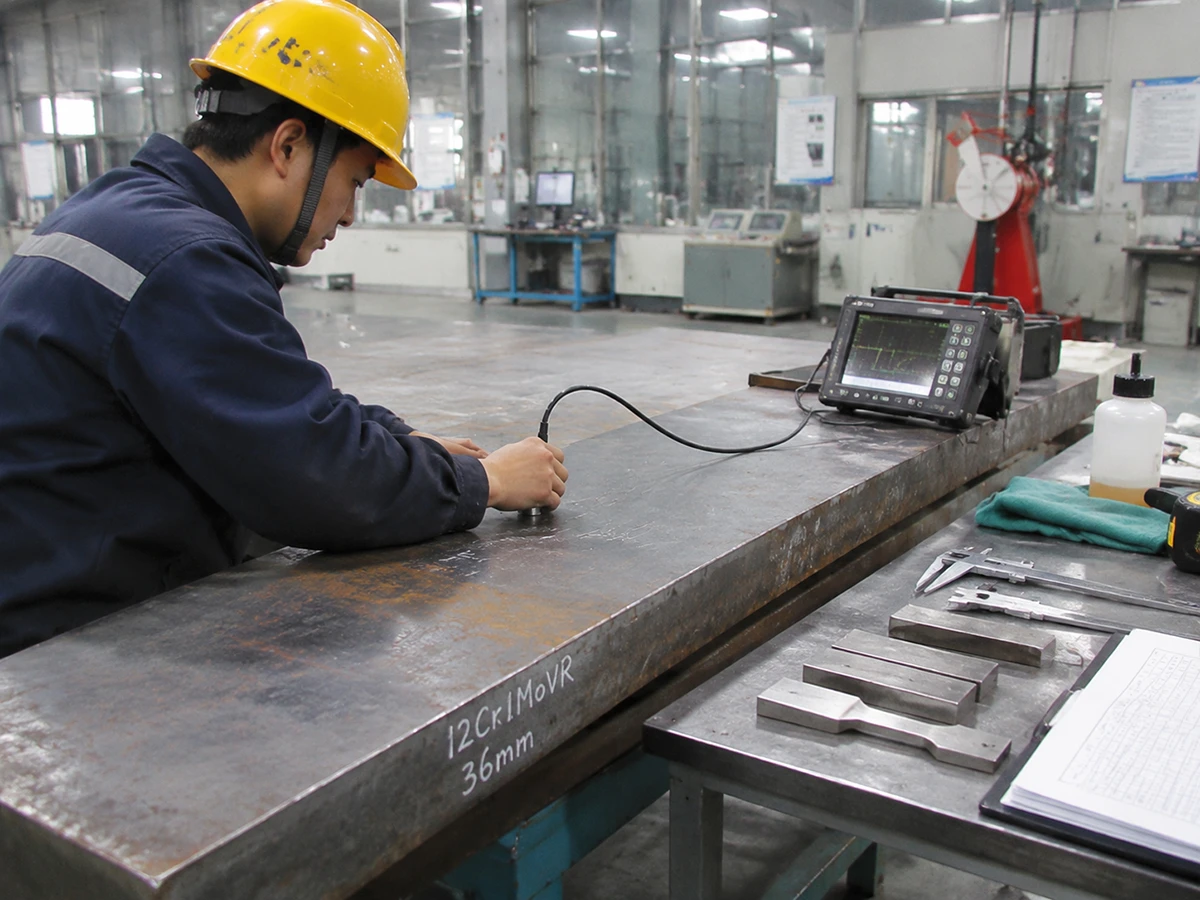
Document quality requirements in the RFQ so testing can be built into the actual producing mill route.
Align fabrication procedures with Cr–Mo–V chemistry, material thickness, N + T delivery, service conditions and the equipment code.
Agree filler metal, welding procedure qualifications, heat input and inspection according to the project’s pressure-equipment code.
Choose temperatures based on thickness, restraint, composition, hydrogen control and qualified welding procedures.
Review the specified PWHT cycle and any requirements for simulated heat treatment or retesting with the producing mill.
Send the cutting list, design code, WPS/PQR requirements and any PWHT simulation to evaluate material and delivery.
Estimate nominal steel mass for order planning and freight using a reference density of 7,850 kg/m³.
Enter the plate thickness, width, length and whole-plate quantity.
Nominal theoretical density. Final invoiced, packing and freight weight follows the contract and actual plate tolerances.
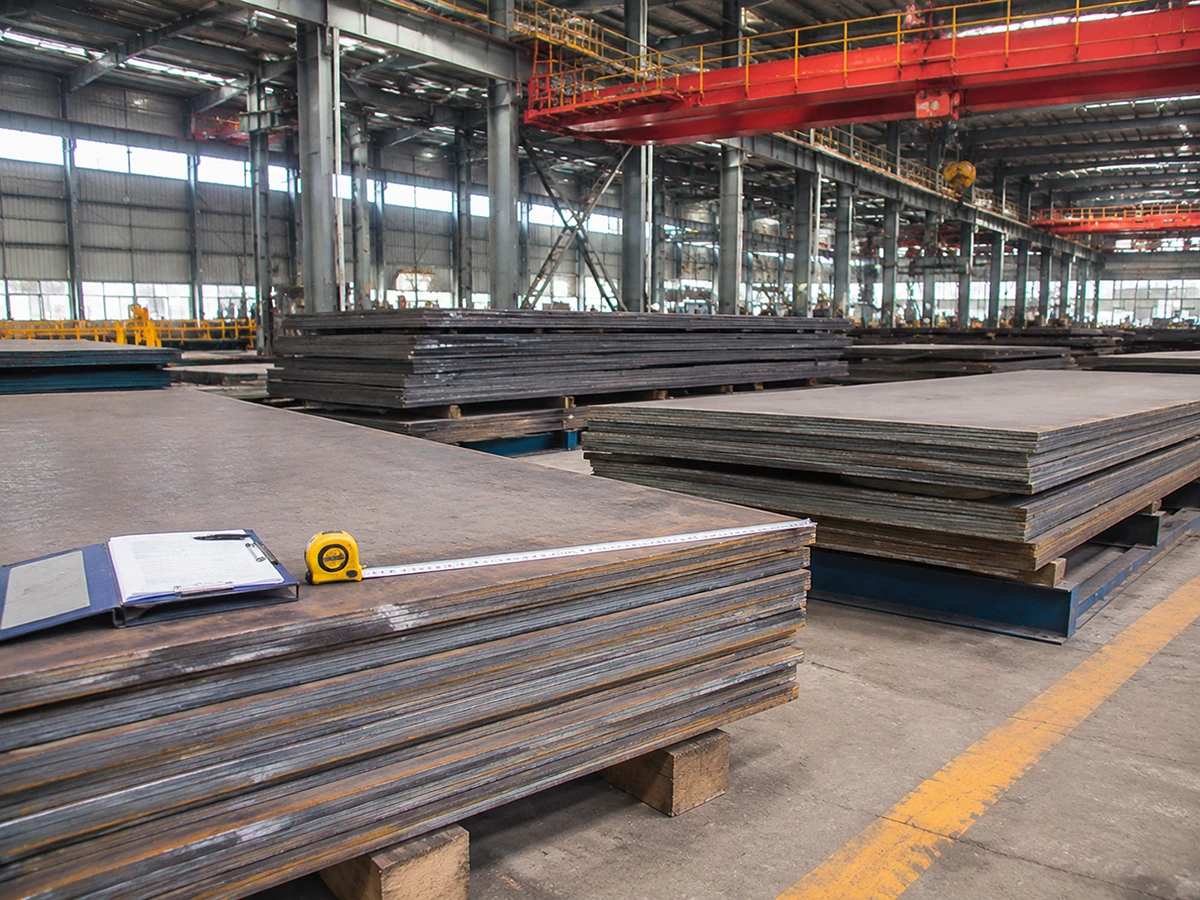
Include each plate size, quantity, heat-treatment condition, test scope, steelworks requirements and delivery destination in the purchase list.
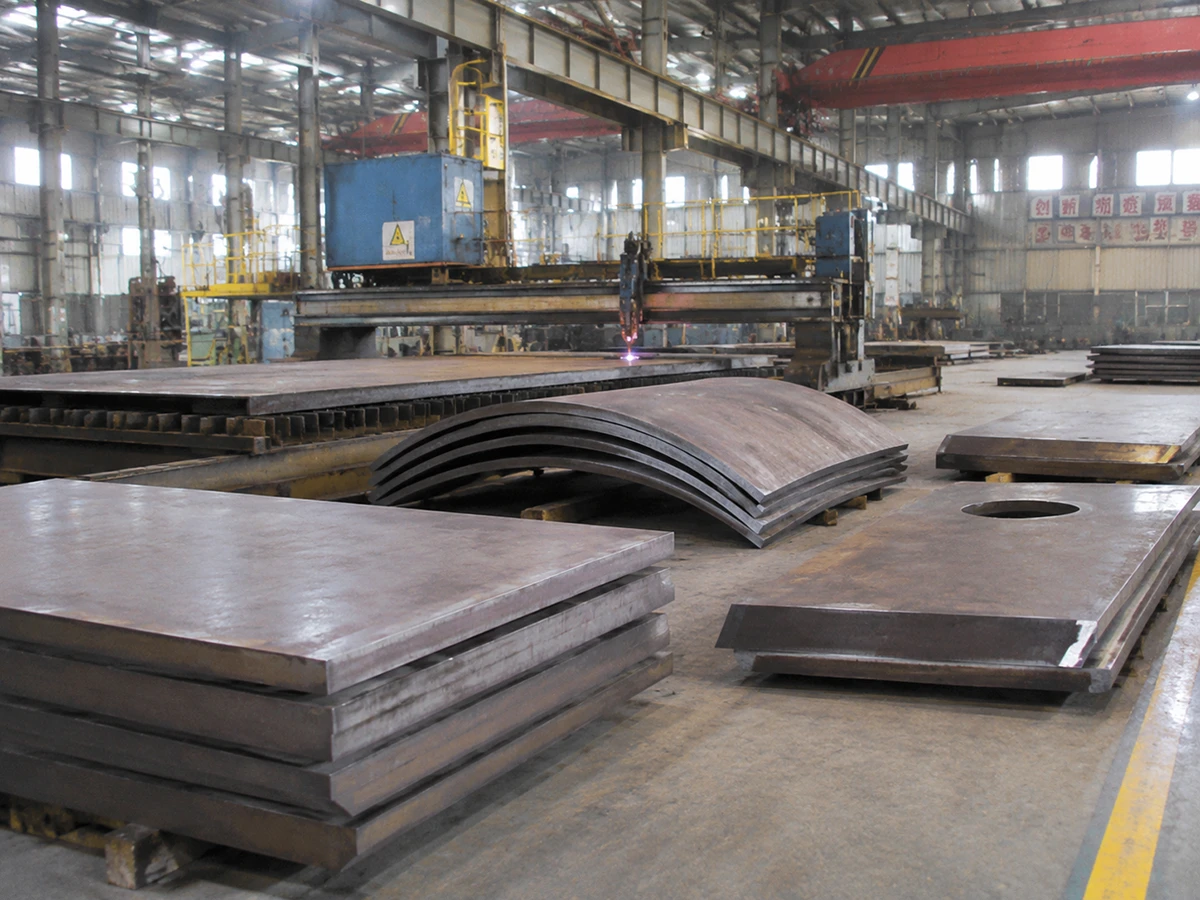
Cutting and dimension preparation can be assessed with the actual heat-treated plate and agreed drawing. Required material acceptance remains linked to the original heat.
Shipping requirements are planned alongside plate dimensions, handling weight and the release of technical documents.
Agree packaging, Incoterm, port and destination before the actual shipment is scheduled.
Compare material standards, chemistry and heat-treatment routes. Similar applications alone do not establish material equivalence.
GB Cr–Mo plate with higher Mo and different heat-treatment criteria (minimum tempering 650°C).
EN 10028-2 molybdenum-alloy plate with its own strength-by-thickness table.
EN 10028-2 non-alloy steel; evaluate under the project's code and temperature requirements.
ASTM carbon–silicon boiler-plate grade, separate product specification and chemical route.
ASTM Cr–Mo alloy grade supplied by Class 1/Class 2 and qualified material conditions.
GB 2.25Cr–1Mo plate, with different chemistry, strength and heat-treatment controls.
Related cards are informational until the corresponding WordPress pages are published. Any substitution for an equipment design requires the applicable code, full material documents and purchaser approval.
Prepare the precise GB material specification, product dimensions and testing scope before a purchase quotation.
12Cr1MoVR is a chromium–molybdenum–vanadium alloy plate specified under GB/T 713.2 for pressure equipment with defined temperature-property requirements.
GB/T 713.2-2023 supplies grade-specific chemical, tensile, impact and delivery requirements, alongside the general provisions of GB/T 713.1.
The minimum is 245 MPa for 6–60 mm plate and 235 MPa for thicker plate above 60 mm through 100 mm; use the corresponding tensile-strength band.
The cast-analysis ranges are Cr 0.90–1.20%, Mo 0.25–0.35% and V 0.15–0.30%. The full heat analysis and product-analysis tolerance must also comply.
Yes. N + T is the listed delivery condition and clause 7.3.2 requires a minimum tempering temperature of 680°C.
GB/T 713.2 Table 2 lists a Charpy V-notch test at +20°C with a minimum impact absorption value of 47 J.
For plate above 20 mm and up to 100 mm, Table 3 lists a minimum ReL / Rp0.2 of 157 MPa at 400°C. Equipment design allowable stress is assessed separately.
The R suffix identifies a pressure-equipment plate grade. Products specified to other material standards or product forms require individual code review; they are not automatic equivalents.
State the test standard, acceptance class, sampling, mill conditions and service-specific requirements when requesting a quote. Approval or certification depends on the actual qualified mill route.
Send the 12Cr1MoVR grade, standard, plate dimensions and quantity, N + T condition, inspection scope, MTC, fabrication list, Incoterm and destination.
Share the nominal plate sizes, quantity, normalized-and-tempered condition, design code, impact/UT requirements, requested material certificate, cutting list and delivery destination. We verify a suitable mill route and quote the supply terms.
Send your required grade, dimensions, quantity and destination. Our team will review the inquiry.
