Global Steel Supply & Processing
Source S355J2W weather-resistant structural steel plate for bridge, architectural and exterior fabrication projects. Specify the EN 10025-5 grade, exact plate sizes, delivery state and material inspection documents so we can prepare an informed bulk quotation.
S355J2W is the EN 1.8965 material designation. Its yield requirement changes with thickness. Natural weathering performance depends on exposure, drainage and the project details.
Include thickness, width, length, tonnage, +AR/+N/+M condition, EN 10204 certificate type, destination and any surface treatment.
Availability, mill source, inspection and additional fabrication scope are confirmed for each enquiry.
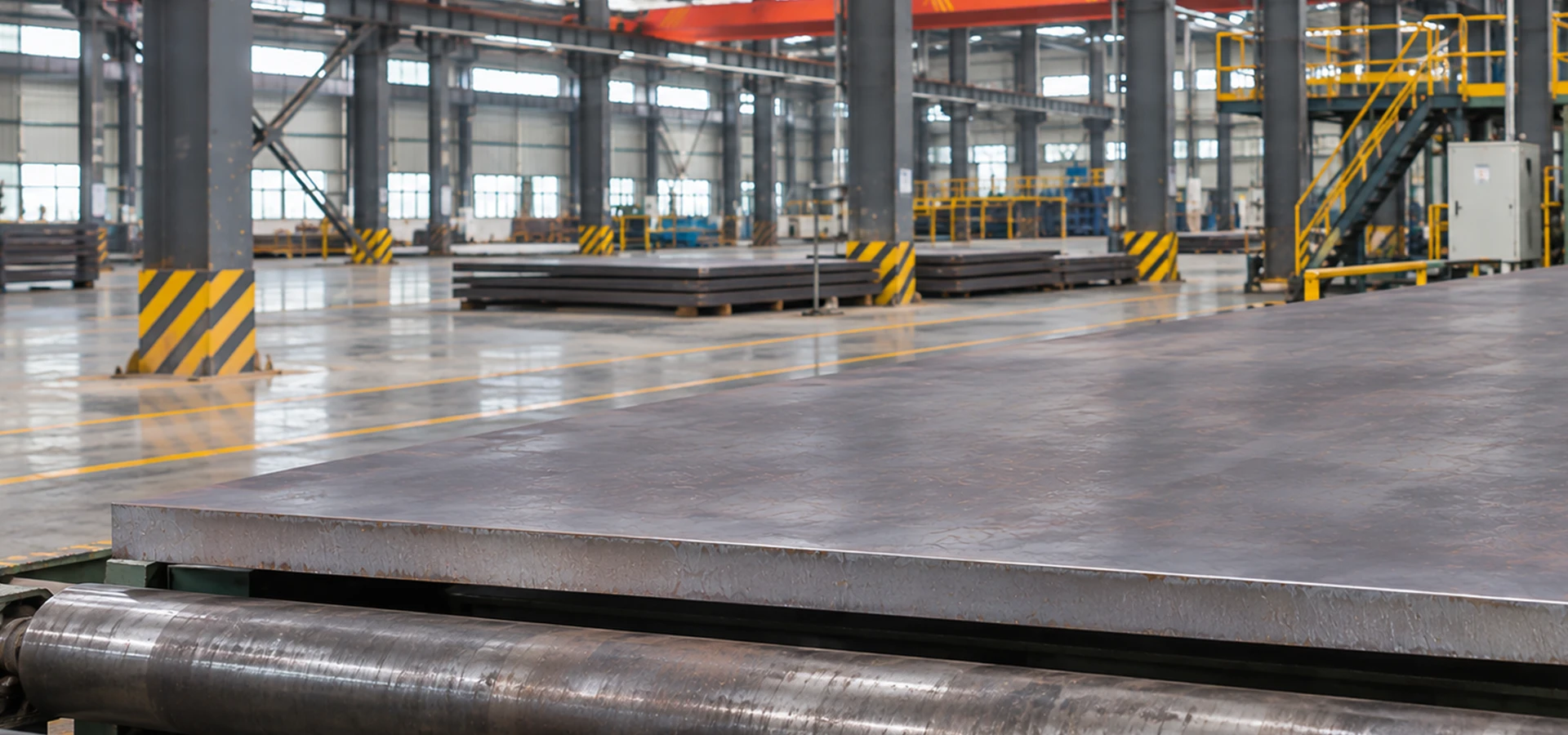
Confirm the full EN grade, its delivery state, plate sizes and certified inspection scope before placing an order.
| Procurement item | S355J2W specification / decision |
|---|---|
| Steel designation | S355J2W / 1.8965; EN 10025-5:2019, structural steel with improved atmospheric corrosion resistance |
| Main mechanical requirement | Yield 355 to 295 MPa depending on nominal thickness; tensile 470–630 MPa through 100 mm, 450–600 MPa above 100–150 mm |
| Impact quality | J2: longitudinal Charpy V-notch minimum average 27 J at −20°C, subject to specimen and standard test rules |
| Typical material routes | +AR (as-rolled), +N (normalized or normalized rolled), +M (thermomechanically rolled), where ordered / indicated on MTC |
| Steel chemistry | Copper / chromium alloying; C ≤0.16%, Cu 0.25–0.55%, Cr 0.40–0.80% by heat analysis |
| Dimensions & tolerances | Specify thickness, width, length, flatness, edge and tolerance standard (typically EN 10029 for plate where applicable) |
| Surface choice | Hot-rolled mill surface; blast cleaning, coating, preweathering and paint system separately defined if required |
| Inspection scope | Mill identity, heat analysis, yield, tensile, elongation, Charpy results, delivery designation and ordered EN 10204 document |
| Supply status | Available thickness, widths, stock and lead time must be verified against the actual heat and mill production plan |
EN 10025-5 describes permitted products and performance bands. Listed standard limits do not represent confirmed stock, a standard mill width range or a guaranteed delivery date.
The 355 MPa value describes the thin-plate strength class. Check the six standard thickness bands before approving a fabrication schedule.
| Nominal thickness | Yield ReH minimum | Tensile strength Rm | Minimum elongation A |
|---|---|---|---|
| 3–16 mm | 355 MPa | 470–630 MPa | 22% |
| >16–40 mm | 345 MPa | 470–630 MPa | 22% |
| >40–63 mm | 335 MPa | 470–630 MPa | 21% |
| >63–80 mm | 325 MPa | 470–630 MPa | 20% |
| >80–100 mm | 315 MPa | 470–630 MPa | 20% |
| >100–150 mm | 295 MPa | 450–600 MPa | 18% |
The minimum yield falls to 315 MPa above 80–100 mm and 295 MPa above 100–150 mm. For plate over 100 mm, the applicable tensile range is 450–600 MPa. Use each item’s actual thickness when checking drawings.
Published elongation values are presented for longitudinal proportional specimens. Depending on the actual test orientation, the required minimum may differ. Purchase and inspect to the complete EN standard.
Send thickness, width, length and quantity to check the material route.
Copper and chromium are central to the weathering steel alloy concept. Use the actual heat analysis for welding and material identification.
| Element | Mass fraction | Basis |
|---|---|---|
| Carbon (C) | ≤0.16% | Heat analysis maximum |
| Manganese (Mn) | 0.50–1.50% | Specified range |
| Silicon (Si) | ≤0.50% | Heat analysis maximum |
| Phosphorus (P) | ≤0.030% | Heat analysis maximum |
| Sulfur (S) | ≤0.030% | Heat analysis maximum |
| Copper (Cu) | 0.25–0.55% | Atmospheric corrosion alloy |
| Chromium (Cr) | 0.40–0.80% | Atmospheric corrosion alloy |
| Nickel (Ni) | ≤0.65% | Permitted maximum |
| Carbon equivalent (CEV) | ≤0.52% | Maximum; confirm certificate and applicable standard conditions |
Values above summarize common EN 10025-5:2019 S355J2W heat analysis limits, cross-checked against steel mill datasheets. For a contractual purchase, use the ordered edition, its table notes and the actual mill test document.
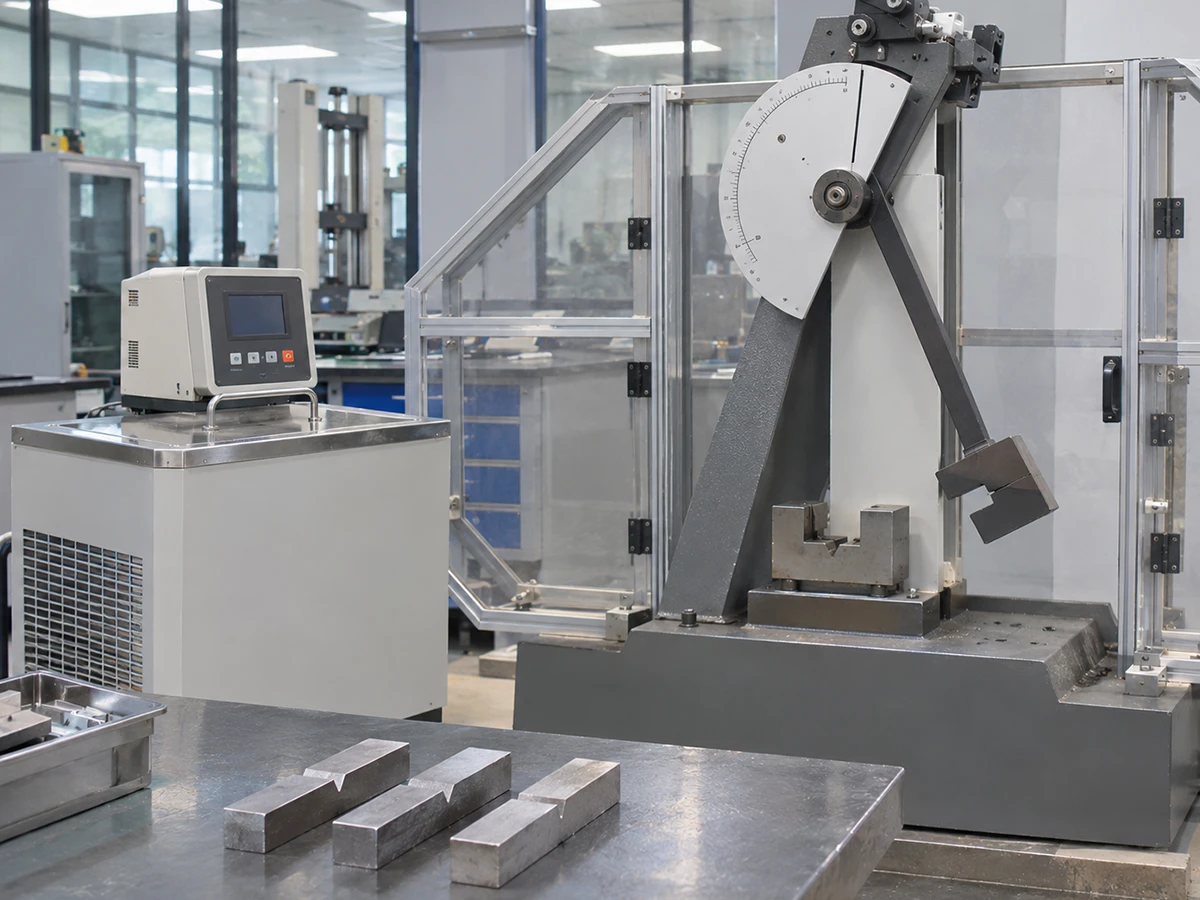
J2 means a specified impact-quality route: the longitudinal minimum average Charpy V-notch energy is 27 J at −20°C under applicable EN test procedures.
| Grade | Charpy temperature | Minimum longitudinal KV | Procurement difference |
|---|---|---|---|
| S355J0W | 0°C | ≥27 J | Different impact quality; not a J2 certificate |
| S355J2W | −20°C | ≥27 J | Exact product specified in this page |
| S355K2W | −20°C | ≥40 J | Higher impact-energy quality; separately ordered |
Review the three-test average, individual test allowances, specimen geometry and orientation in the governing standard. Record test temperature and heat identity on the ordered inspection certificate.
S355J0W, S355J2W and S355K2W may share a strength class but differ in impact quality. Require the exact designation on the order and mill documents.
Tell us the EN 10204 document type, plate thickness and any additional inspection needs.
Its Cu–Cr chemistry can form a relatively adherent patina during suitable outdoor alternating wet and dry exposure. Long-term results depend on structural detailing and the service environment.
Provide reliable water shedding, airflow and details that avoid persistent wet pockets. Some environments require conventional corrosion protection, even when weathering steel is specified.
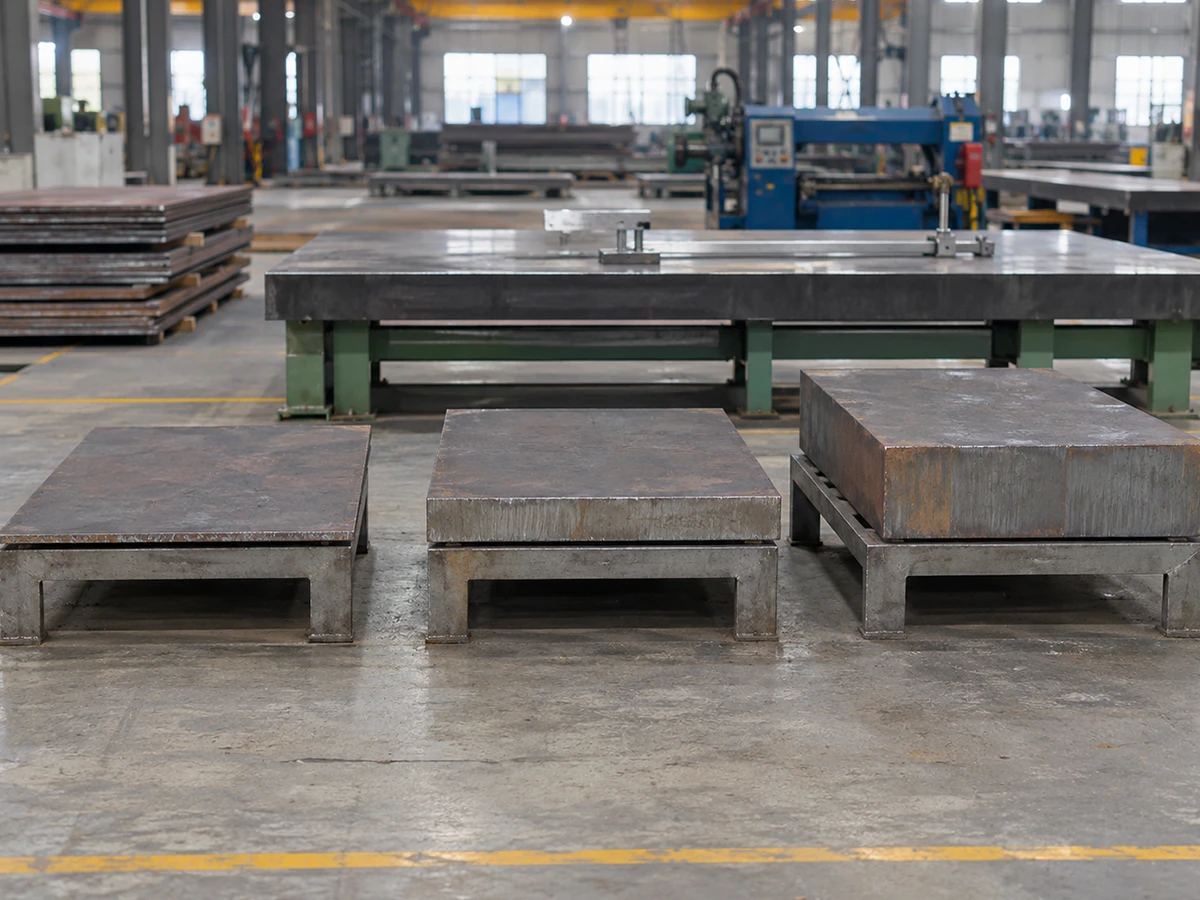
Uncoated exposure is a project design choice, not an automatic lifetime or maintenance-free guarantee. Coastal chloride service, standing water, tight crevices and permanently damp surfaces can compromise patina performance.
Specify S355J2W by engineering design, fabrication requirements and intended atmospheric exposure.
Girder plates, cross-frames, diaphragms and other exposed welded parts where structural design and the environmental route support the use of weathering steel.
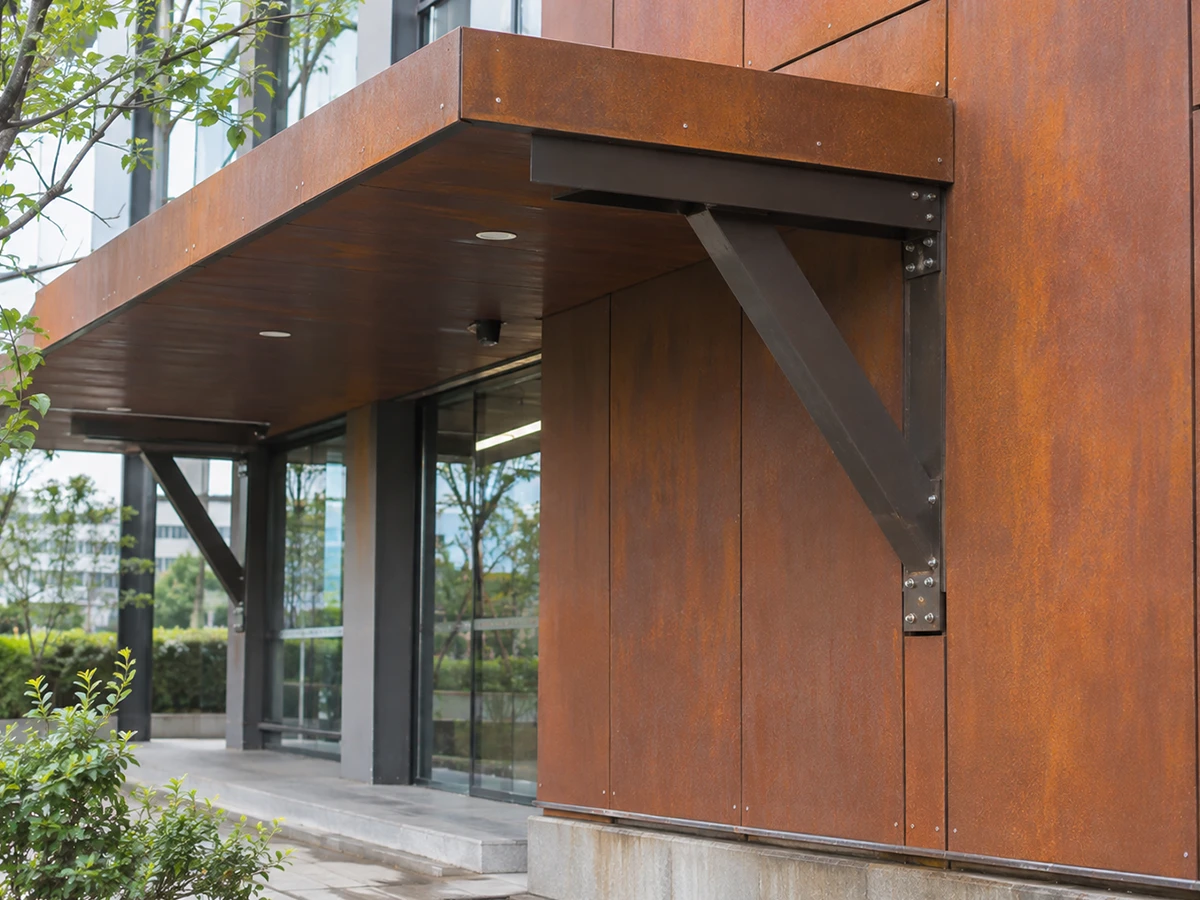
Exterior cladding, screens and landscape components with specified appearance, rainwater management and surface finish.
Welded structural panels and containers where the grade and corrosion-service plan are approved.
Exposed equipment supports and structural brackets with grade-specific certified properties.
Towers, outdoor shelters and public infrastructure that allow dry-out and inspection.
Thermally cut blanks and formed parts when the WPS, bend geometry and edge finish are properly specified.
The grade designation defines material performance. Surface color, blasted appearance, paint and a finished rust-colored patina are separate procurement choices.
Standard hot-rolled plate may be supplied with mill scale. Confirm dimensional tolerance, flatness and surface acceptance.
Request blasting, primers or full coating systems under separate surface-preparation specifications when required.
Where offered, define finish treatment, appearance acceptance and protection during delivery. Natural rust color is not a default supply condition.
A qualified welding procedure should account for the actual material heat, thickness, strength, weathering compatibility and joint inspection requirements.
Review carbon equivalent, filler metals, preheat, interpass temperatures, and procedure qualification based on the actual thickness and chemistry. Visible welds may need weathering-compatible consumables.
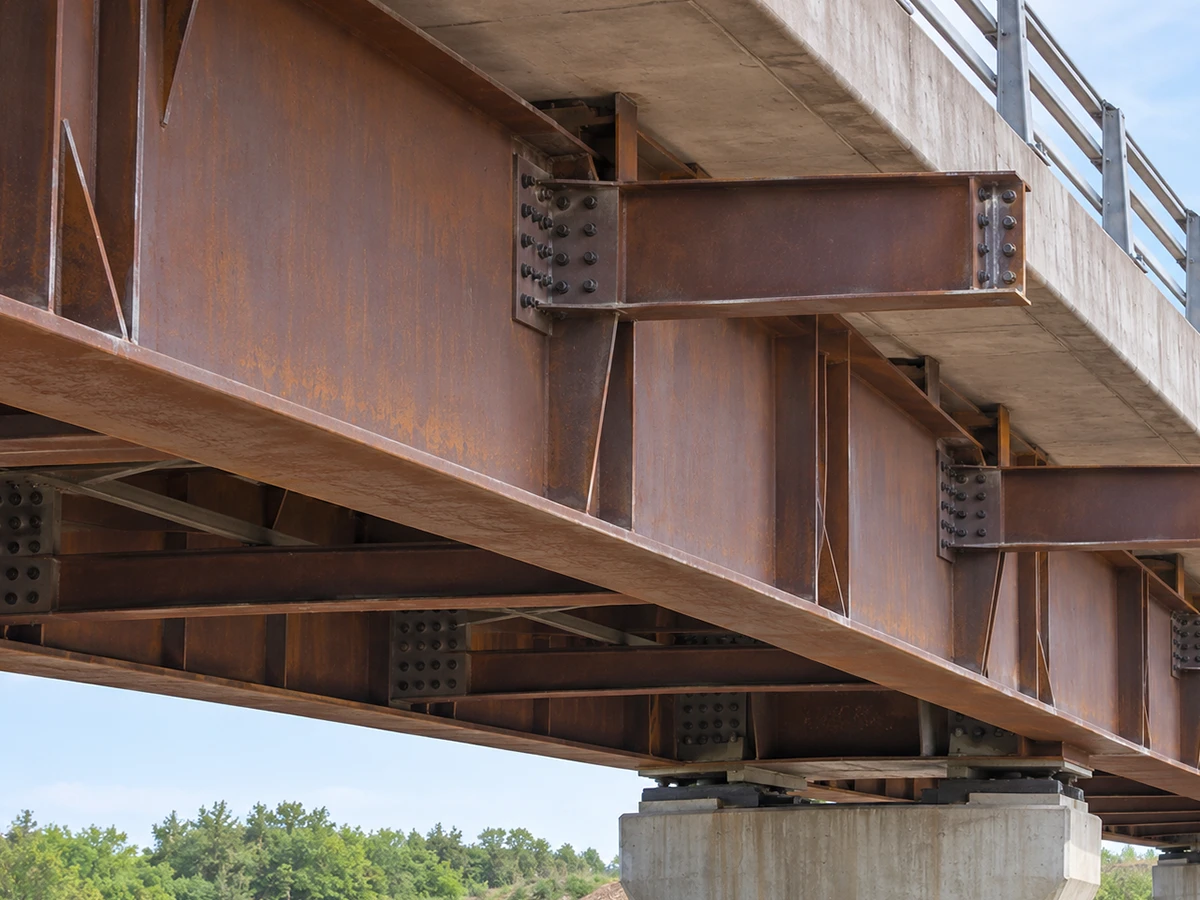
EN 10025-5:2019 generally permits specified +AR, +N and +M delivery states; post-delivery heat treatment is subject to the standard’s restrictions. Stress relief and welding procedures must be assessed to avoid degrading material properties.
Material accuracy, order traceability and export preparation are the core of a reliable steel plate quotation.
Check mill identity, heat number, EN 10025-5 grade, delivery condition and the available test document.
Review thickness, width, length, flatness, quantity and any cut-to-size drawings against realistic mill supply.
Coordinate longitudinal −20°C impact requirements, EN 10204 certificate selection and third-party checks if needed.
Align packing marks, loading arrangements, shipping terms and material certificates with the actual consignment.
Corporate operating indicators: approximately 8 million MT annual steel output, 1 million MT regular inventory, 500,000 m² operating area and 1,000+ employees. These figures refer to BAOSTEEL METAL overall, not dedicated S355J2W annual capacity or available stock.
Project buyers need the correct certified steel, not a generic catalogue listing. We check current stock or a rolling route before confirming price and lead time.
Provide your complete plate schedule. BAOSTEEL METAL can coordinate producing-mill options, thickness-by-thickness quantities, certificate requirements, cutting requests and the export plan.
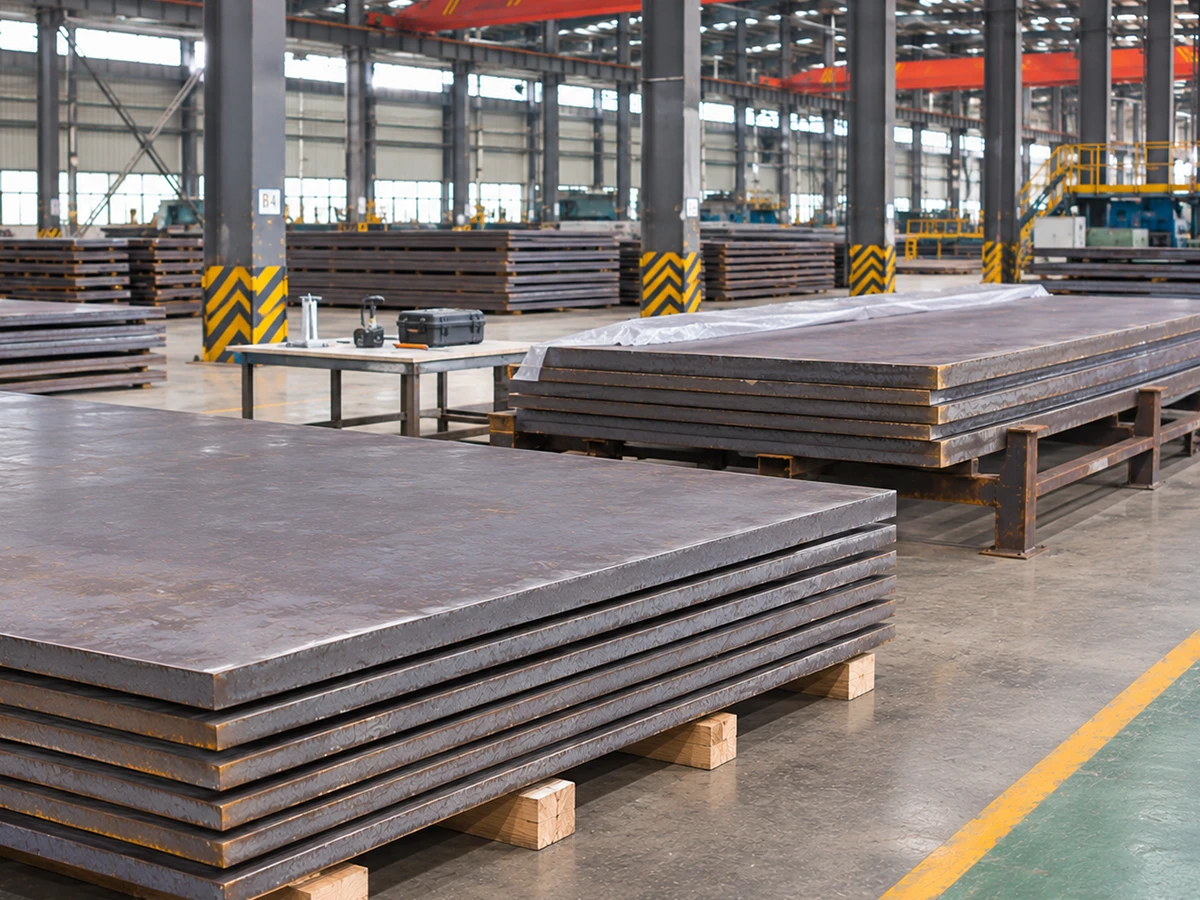
The material document should connect the actual steel heat and sample results to the plate list, with delivery condition and quality clearly identified.
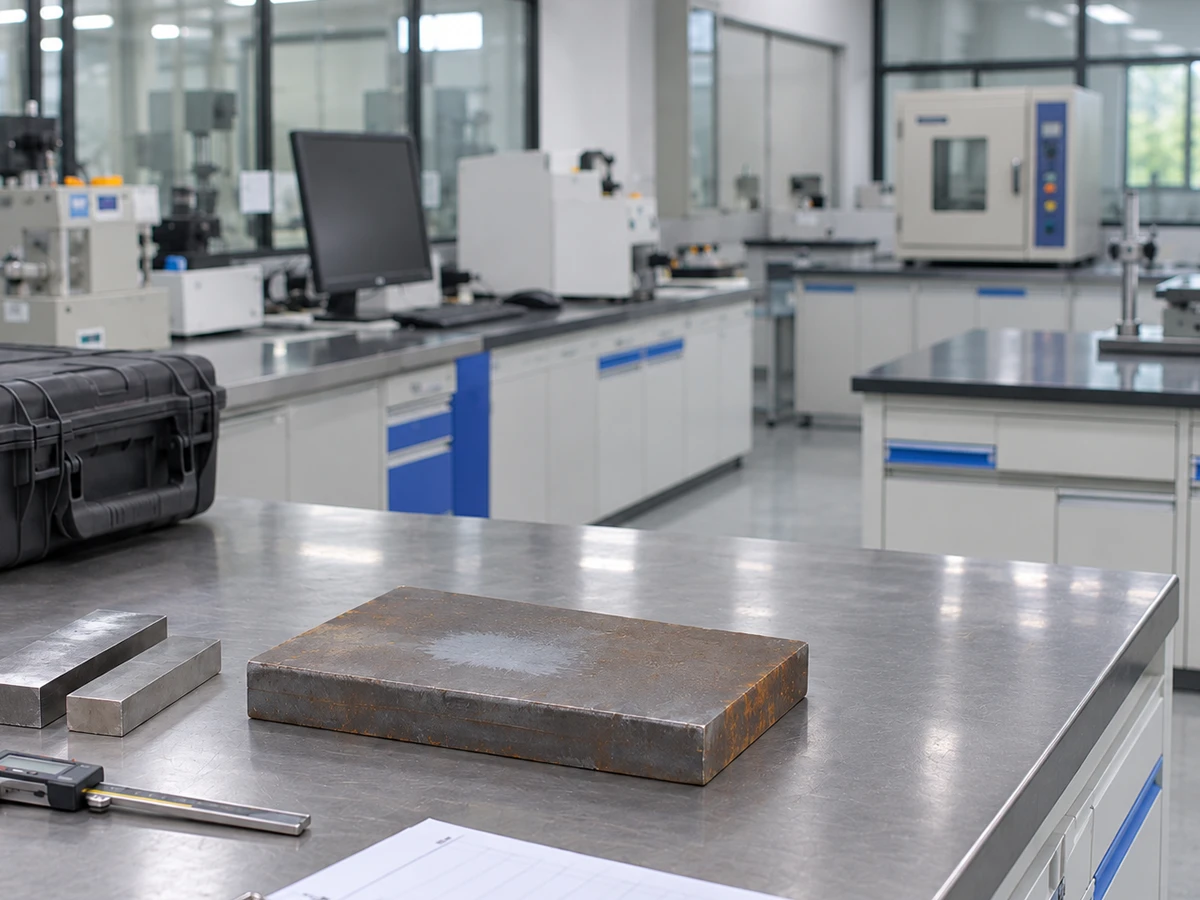
Calculate an approximate order weight from plate thickness, width, length and quantity. Density used for this planning tool: 7,850 kg/m³.
Formula: thickness × width × length in mm³ × 7.85 × 10⁻⁶ = approximate kg per plate. Theoretical calculation is not an offer of stock, exact rolling tolerance or shipping weight.
Custom plate preparation is evaluated against the actual thickness, cutting geometry, tolerance, heat traceability and workshop availability.
Suitable cutting where part contour, size and heat-affected edge conditions can be met.
Flame-cut plates and rough blanks with suitable tolerances and edge-processing allowance.
Quoted where available for weld preparation, drilling, marking and traceability needs.
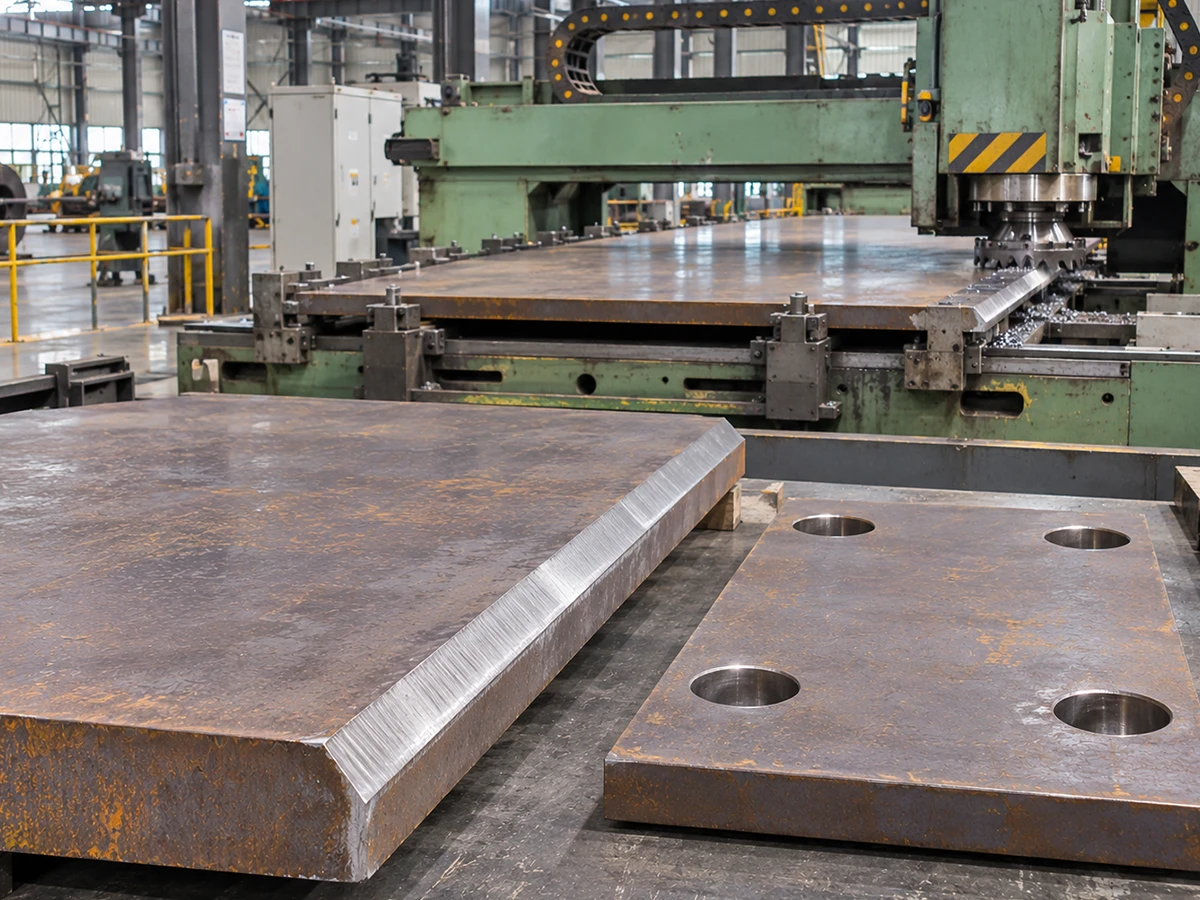
Processing is optional; actual suitability depends on gauge, part geometry and the buyer’s inspection plan. Preserve heat identification on cut pieces.
Protect plate condition and maintain heat-to-document traceability through handling, fabrication blanks and transport.
Coordinate packing, loading and paperwork by plate size, surface condition, bundle weight and destination. Site handling should also consider the appearance of exposed weathering surfaces.
Cross-standard comparison supports procurement discussions; material substitution always requires engineering approval.
GB/T 4171 weathering structural grade with its own impact-quality designation and testing route.
ASTM atmospheric corrosion-resisting structural plate with different ASTM material requirements.
EN 10025-5 option where 0°C rather than −20°C impact qualification is specified.
EN 10025-5 option with higher impact-energy quality at −20°C; verify purchase need.
EN 10025-2 structural grade, different atmospheric-corrosion requirement.
GB structural alternative for projects with a different material and corrosion design specification.
Related grade cards are intentionally not linked when the relevant WordPress page may still be unpublished. Published internal links can be added after checking exact live slugs.
We quote the ordered material standard, test requirements and actual plate schedule—not only the name “weathering steel”.
S355J2W (1.8965) is a weather-resistant structural steel specified by EN 10025-5:2019. The J2 quality includes a longitudinal 27 J Charpy requirement at −20°C.
No. The minimum yield is 355 MPa up to 16 mm, then 345, 335, 325, 315 and 295 MPa for the successive standard bands through 150 mm.
It is 470–630 MPa for nominal thickness up to 100 mm; for the standard band above 100–150 mm it is 450–600 MPa.
J2 is the EN impact-quality designation. It identifies a minimum 27 J longitudinal Charpy V-notch average at −20°C under the applicable test requirements.
Their main quality distinction is Charpy temperature: J2 uses −20°C and J0 uses 0°C for the stated 27 J longitudinal level.
Only with engineering and buyer approval after reviewing strength by thickness, chemistry, Charpy, product standard, certification, weathering performance and fabrication.
Not necessarily. Standard mill deliveries can show hot-rolled scale. A visible mature patina needs suitable exposure, while preweathering is a separate finish requirement.
Chloride-rich maritime exposure, wet crevices and persistent moisture require an individual corrosion and coating assessment. A weathering designation is not a universal protection guarantee.
EN 10025-5:2019 allows +AR, +N and +M under relevant conditions. Specify your required delivery condition and confirm its declaration on the MTC.
Yes, for suitable procedures. Welding, preheat, cutting edge quality and consumable selection depend on thickness, chemistry, service and qualified fabrication documents.
Order the appropriate EN 10204 mill inspection document and check heat number, material grade, delivery state, tensile results, chemical analysis, −20°C impact and any additional tests.
Send the plate schedule with S355J2W designation, delivery condition, dimensions, piece quantity, surface requirements, EN 10204 document scope and shipment destination.
Share the exact 1.8965 material designation, plate sizes, +AR/+N/+M delivery state, required −20°C impact documents, finish, destination and tonnage. We will confirm source availability and quotation terms for your purchase.
Send your required grade, dimensions, quantity and destination. Our team will review the inquiry.