Global Steel Supply & Processing
1.25Cr–0.5Mo alloy steel plate for welded boilers and pressure vessels specified for elevated-temperature service. Source Class 1 or Class 2 to the approved material requisition, thermal treatment and inspection plan.
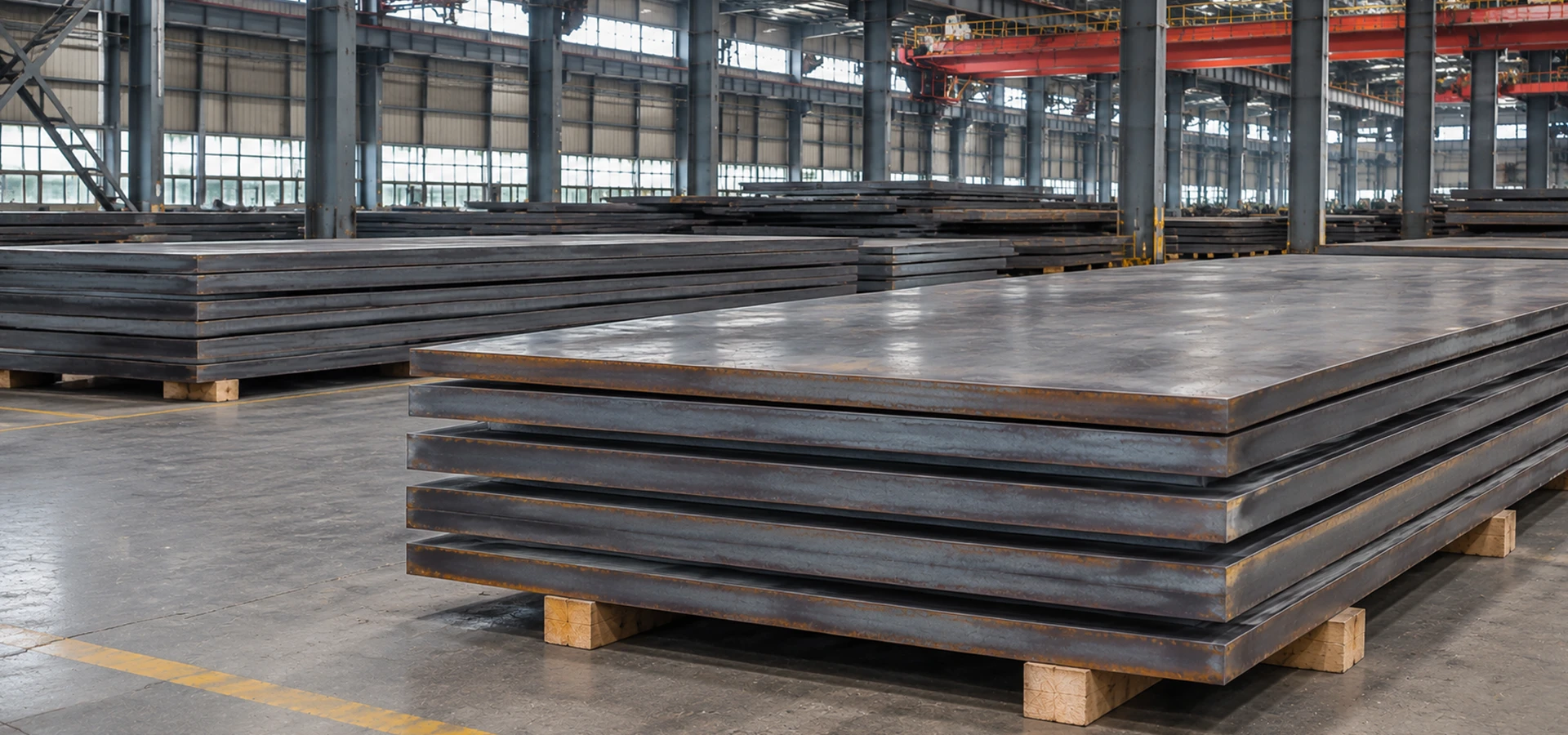
A Grade 11 designation needs its Class, heat-treated condition and inspection scope to become an actionable material inquiry.
| Purchase item | ASTM A387 Grade 11 order information |
|---|---|
| Plate grade | Grade 11; state Class 1 or Class 2 explicitly |
| Material standard | ASTM A387/A387M-25; ASME SA-387/SA-387M when required by the vessel code and material certification |
| Typical RFQ size examples | 10, 16, 20, 30, 40 or 60 mm thick; plate width and length by actual mill route and stock confirmation |
| Maximum available thickness | Not a single universal ASTM number; actual production capacity and mechanical-property compliance control |
| Heat-treated delivery | Annealed, normalized and tempered, or purchaser-permitted accelerated cooling plus tempering, as permitted by the selected class |
| Common base requirements | ASTM A20/A20M general pressure vessel plate rules, subject to A387 precedence |
| Traceability | Producing mill, heat number, plate identity, chemical and mechanical test reports, heat-treatment record |
| Additional tests | Charpy, UT, high-temperature tensile, simulated PWHT and third-party witnessing when specified |
Include grade, class, dimensions, plate count, code edition, heat-treatment cycle and destination.
Confirm the exact class on the drawing and MTC. Class 2 is the higher-strength Grade 11 condition; annealed material is excluded from its Class 2 tensile table.
| Grade 11 class | Minimum yield | Tensile strength | Required material condition |
|---|---|---|---|
| Class 1 | 240 MPa | 415–585 MPa | Heat treatment per ASTM A387; confirm the actual annealing or tempering route |
| Class 2 | 310 MPa | 515–690 MPa | Heat-treated condition meeting the Class 2 table; annealed material is excluded |
Minimum 22% for Class 1 and Class 2 in the Grade 11 tensile tables, with applicable A20/A20M thickness and specimen rules.
Minimum 19% for Class 1 and 18% for Class 2, subject to the standard's permitted elongation adjustments.
The SI and inch-pound systems are separate standard unit systems. Above strengths are stated directly in the ASTM SI tables, rather than calculated by converting ksi values. Certificate compliance depends on the ordered class and test method.
The nominal 1.25Cr–0.5Mo label describes the alloy family; purchase acceptance follows the actual limits and heat analysis in the applicable specification.
| Element | Grade 11 heat-analysis requirement (mass %) | Buyer verification |
|---|---|---|
| Carbon (C) | 0.05–0.17% | Confirm certified chemistry for welding and PWHT planning. |
| Manganese (Mn) | 0.40–0.65% | Heat analysis and product analysis use their respective limits. |
| Silicon (Si) | 0.50–0.80% | Check heat value against ordered edition. |
| Chromium (Cr) | 1.00–1.50% | Defines the nominal 1.25% Cr alloy route. |
| Molybdenum (Mo) | 0.45–0.65% | Defines the nominal 0.50% Mo alloy route. |
| Phosphorus (P) | ≤0.025% | Maximum, heat analysis. |
| Sulfur (S) | ≤0.025% | Maximum, heat analysis. |
Certified heat chemistry and plate product analysis have different permitted ranges. If product analysis is required, specify it in the order and review the governing product-analysis limits.
Compare heat number, chemistry, manufacturing route and class to the actual MTC. A387 Grade 22 has a different chromium-molybdenum composition and is not a direct substitution.
ASTM A387 plate is supplied in a thermally treated condition. The purchase order must distinguish Class 1 from Class 2 and name any project-specific heat-treatment restrictions.
A recognized A387 heat-treatment route. Confirm the purchased strength class and final tensile results; the Class 2 tensile requirements do not apply to annealed material.
Specify normalized and tempered plate where called for. For Grade 11 the standard lists 620°C (1150°F) minimum tempering for the applicable tempering route.
Cooling by air blast or liquid quenching from the austenitizing condition, followed by tempering, is a route requiring purchaser permission and grade-specific acceptance.
Thermal treatment controls final plate properties and downstream welding response. Confirm the source mill, actual heat-treatment record, mechanical results and any simulated fabrication heat cycles before the order is released.
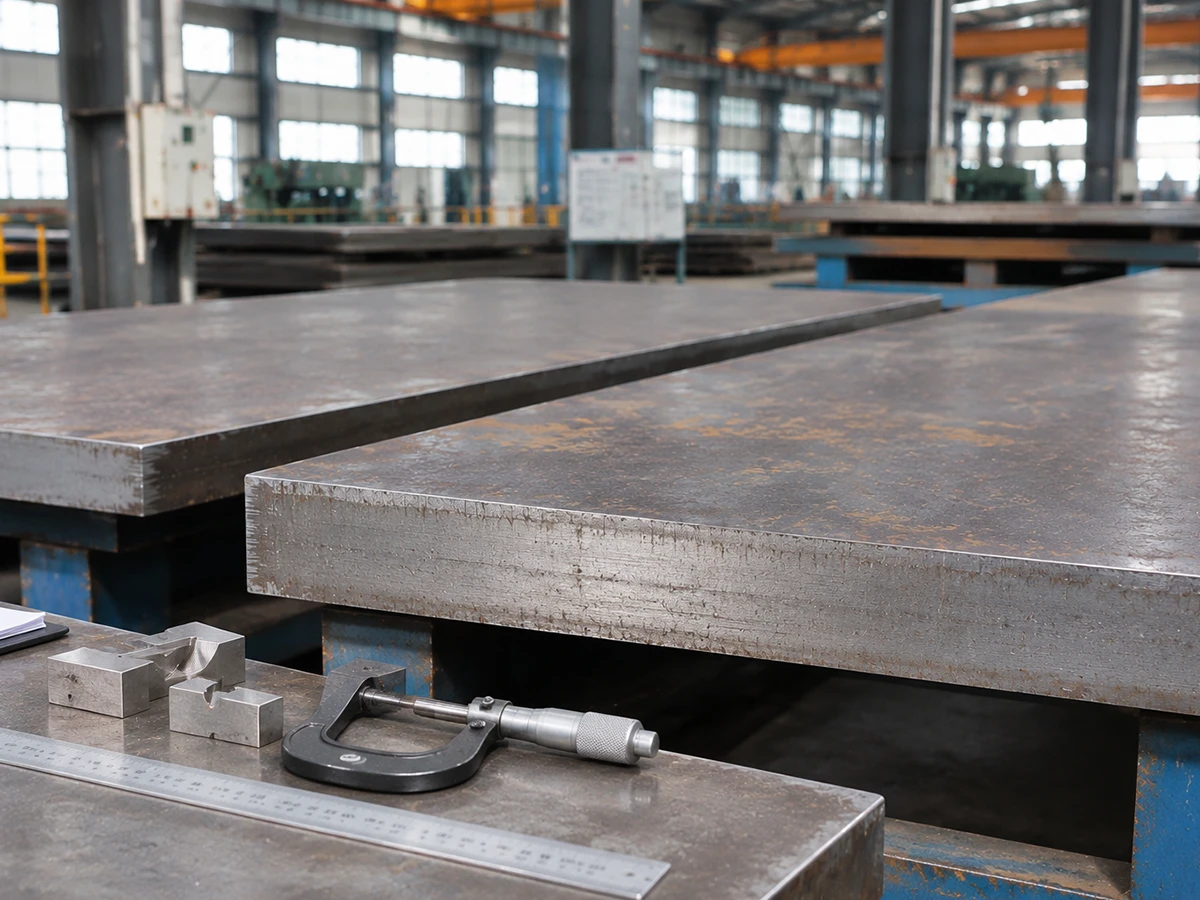
Use your own photograph of Grade 11 plate heat treatment or an authorized material-processing image.
The Cr–Mo alloy system is specified for welded pressure-containing components in elevated-temperature applications. Approved design calculations still control the operating envelope.
Choose allowable stress and design temperature using the governing pressure-vessel code, not only the room-temperature tensile table.
Cr–Mo steels require qualified welding and heat-treatment plans. Actual preheat, consumables, PWHT and weld inspection follow the WPS/PQR and equipment design.
Pressure, fluid chemistry, corrosion allowance, life and deterioration mechanisms require separate engineering review; the grade alone cannot certify a universal service limit.
Typical inquiries come from pressure-equipment fabricators, industrial project EPC teams and maintenance buyers using a specified chromium-molybdenum material route.
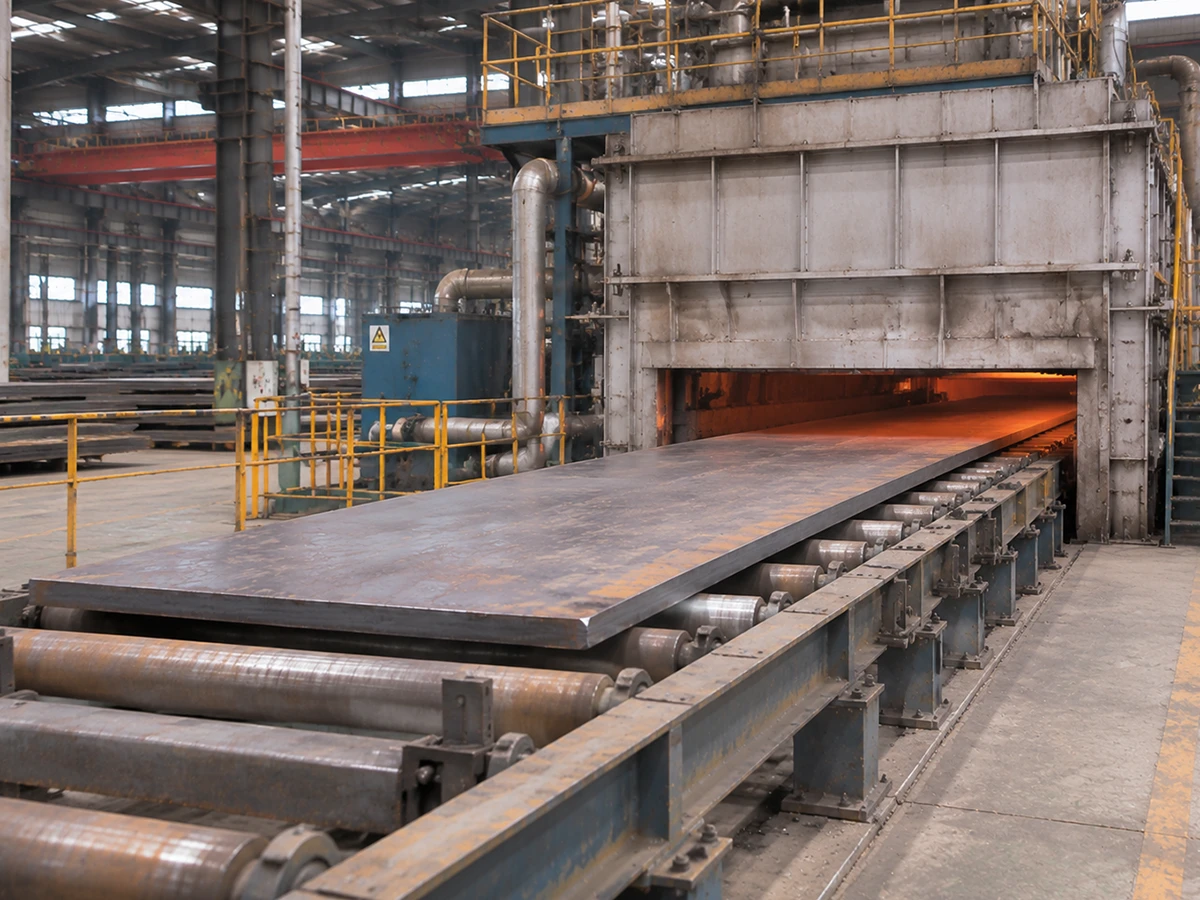
Welded shells, heads and structural pressure-boundary components where the approved material schedule calls for A387 Grade 11.
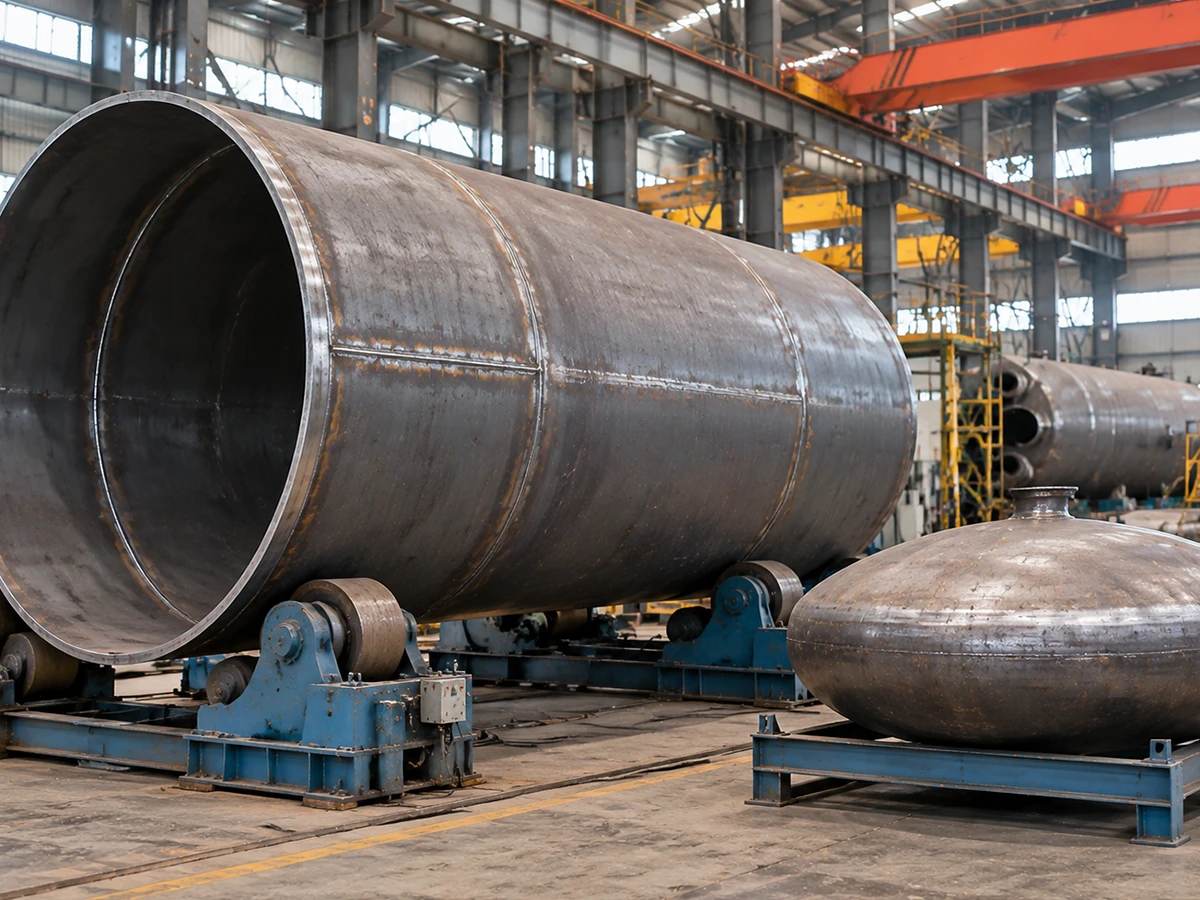
Process-vessel, exchanger and boiler-related pressure parts with elevated-temperature design and code-driven documentation.
Code-qualified welded plate parts where the applicable specification names Grade 11.
Alloy plate procured to class, chemistry, treatment and inspection requirements.
Source-controlled replacement plate meeting the owner's approved MOC and material requirements.
Cut blanks and plates for qualified welding and subsequent heat treatment.
Fabrication procedures are qualified for the actual alloy, class, thickness, thermal condition and joint configuration.
Keep heat numbers with plate and cut parts. Review dimensions, forming allowances and heat-treated condition before shop release.
Set electrodes, heat input, preheat and interpass temperatures under qualified welding documentation and project code.
Define the applicable PWHT cycle, hold time, cooling rules and mechanical requalification or simulated coupons where required.
We coordinate material sourcing, documentation and export handling against the exact Class 1 or Class 2 purchase requirements.
Company-wide annual steel output, across product lines; not a claim of Grade 11-specific mill capacity.
Company-wide regular inventory for steel operations. Specific A387 Grade 11 availability is checked per mill and heat.
Overall company operational footprint supporting procurement, handling and export coordination.
Team capacity supporting steel operations, document review and order communication.
A chromium-molybdenum plate order is accepted against its actual approved source and test record, not a company-wide sales description.
Grade 11 Class 1 and Class 2 require separate verification of mechanical properties and final thermal treatment. Request source information early for critical vessel projects.
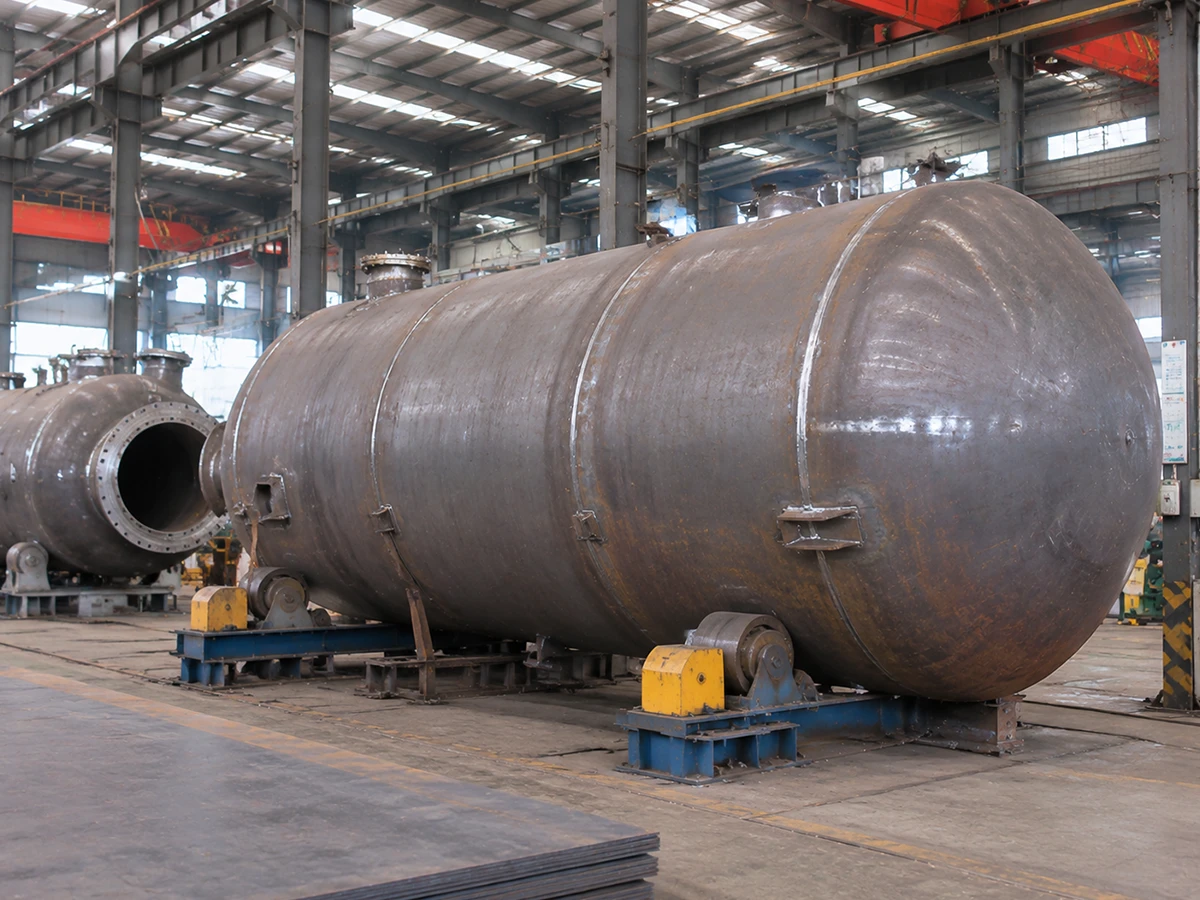
Material availability must be checked for the exact steel mill, required class, plate dimensions, heat treatment and inspection certification.
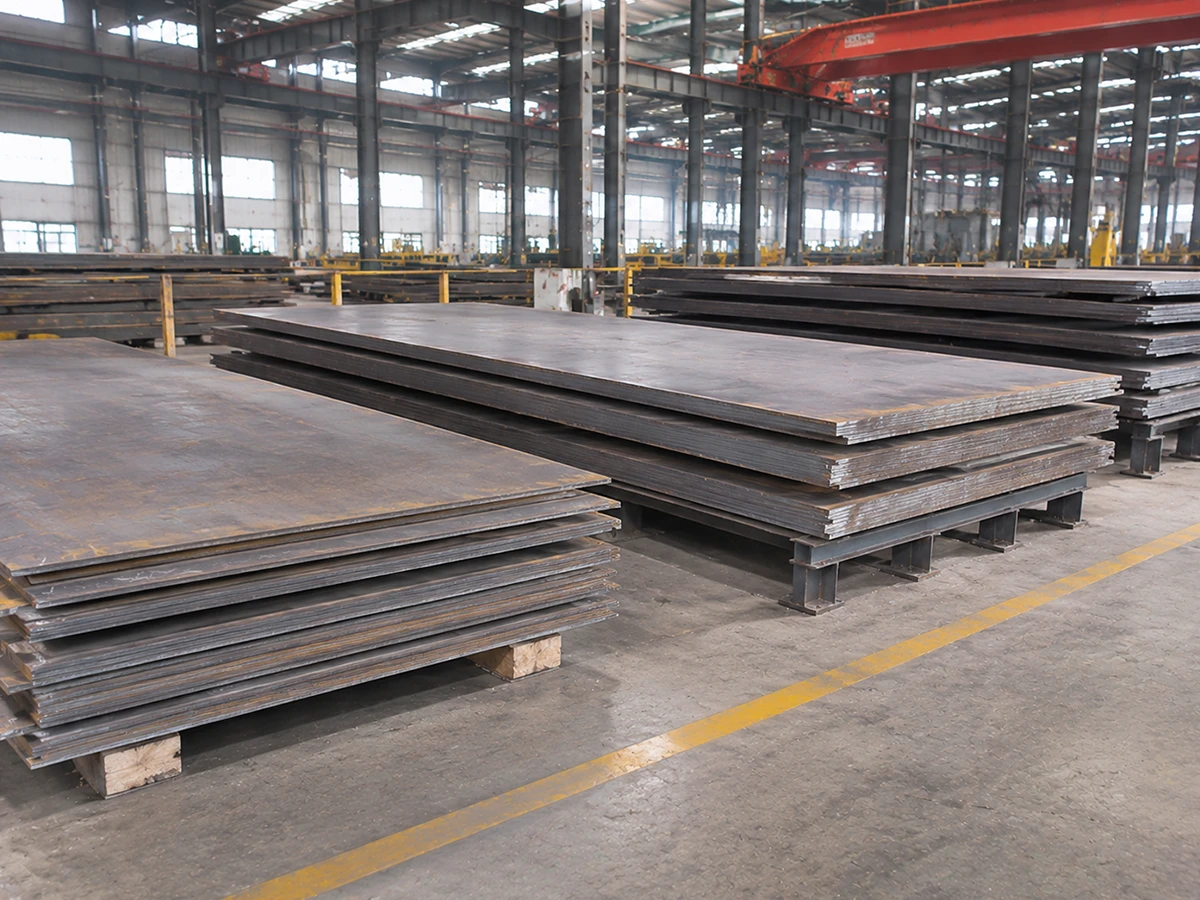
For bulk quotations, we confirm the actual heat-treated lot, mill lead time and requested dimensions. Particular Grade 11 sizes are not implied by our company-wide steel stock numbers.
Test reports must identify the actual grade, class, plate heat and final treatment, with ordered supplementary testing clearly documented.
Review the mechanical results for the specified class together with chemical heat analysis, treatment and any supplementary testing recorded in the purchase contract.
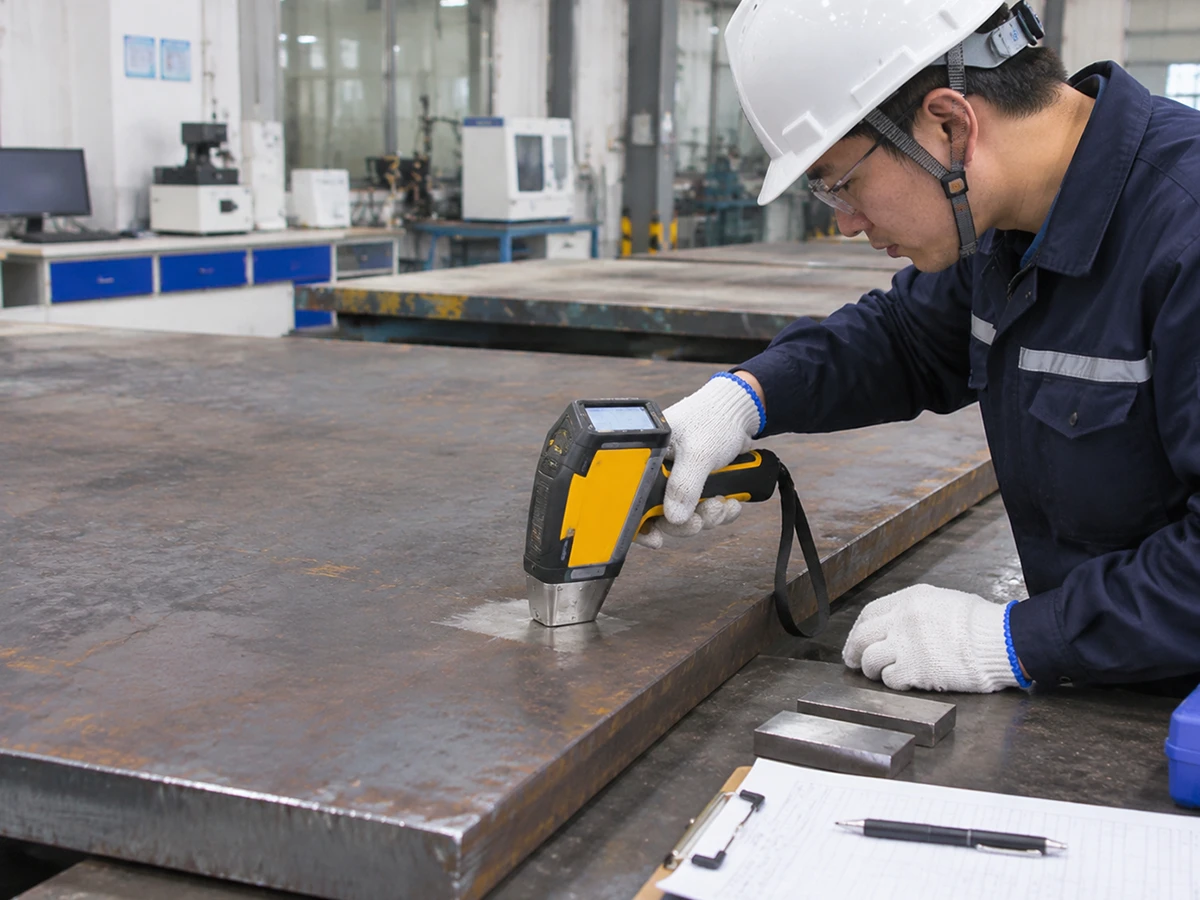
Use actual QC or test laboratory images only with the right to publish them.
Additional examination is not guaranteed by the base Grade 11 designation. State the test method and acceptance limits before comparing offers.
Specify the examination route and acceptance level, for example an ordered ASTM A435/A435M, A577/A577M or A578/A578M path, as applicable.
Include energy, temperature, orientation and sample size for Charpy tests, or the test temperature and method for ordered elevated-temperature tensile evaluation.
Provide the intended time-at-temperature cycles and test requirements when mechanical properties must be assessed after simulated shop fabrication.
Estimate tonnage for a bulk RFQ using nominal dimensions and an approximate steel density. Final shipment weight is subject to actual measured mass and commercial tolerances.
Estimate uses nominal 7,850 kg/m³ density. Formula: t(mm) × w(mm) × L(mm) × quantity × 7,850 / 10¹² = metric tonnes; approximate mass excludes cutting losses.
Combine the calculated mass with the material specification so the quotation reflects the actual Class 1 or Class 2 order.
Send the complete schedule and required test documents.
Supply full-size plates or prepare parts for fabrication when the cutting route and certificate traceability are included in the purchase agreement.
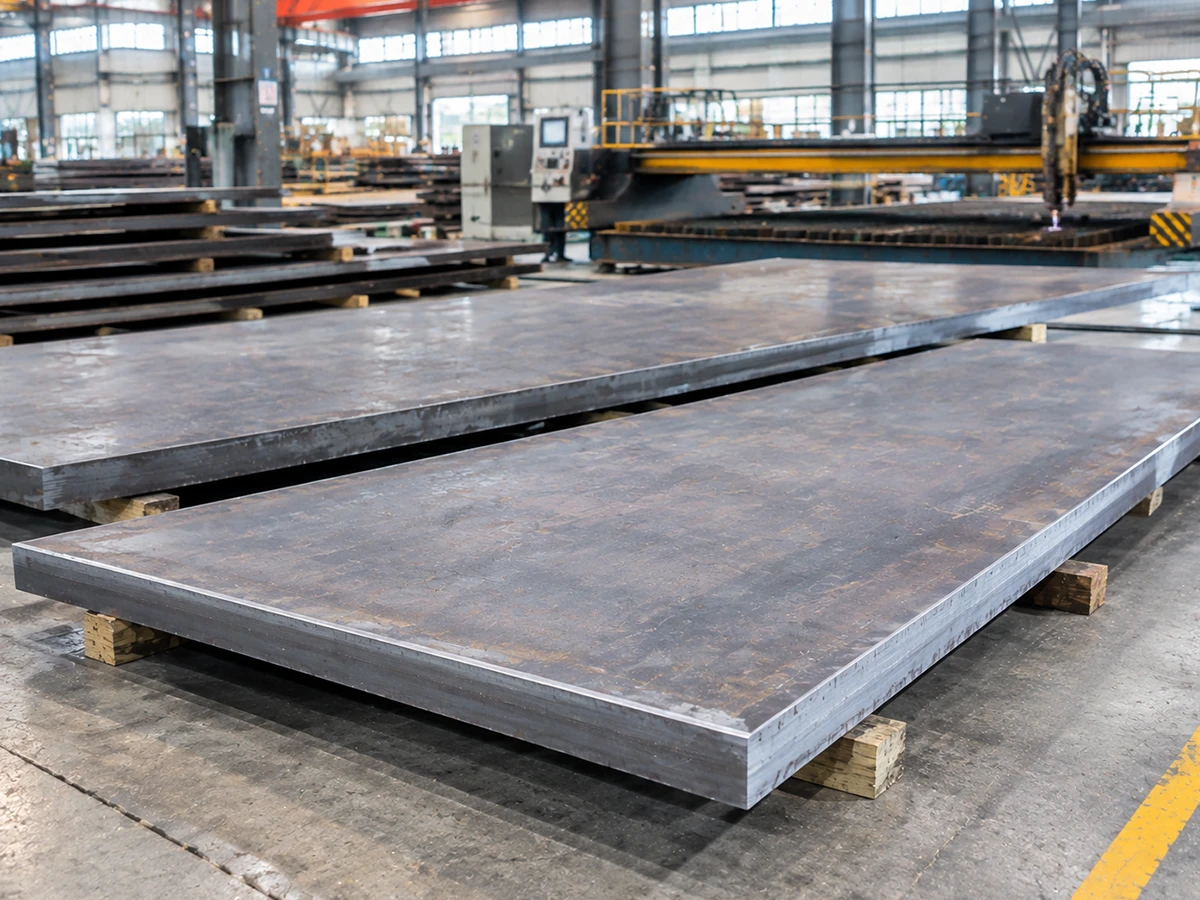
Thick alloy plate requires thermal-cutting and subsequent welding considerations. We coordinate size, edge condition, identification and quantity based on your drawings and shop requirements.
Export documentation should preserve material identity, plate dimensions and shipment marks all the way to the receiving yard.
Review export packaging, lifting limits, port feasibility and documentation well before loading. Oversize plate may require an alternate handling and transport route.
Class and alloy chemistry are separate selection criteria. Every grade below follows its own base standard and project acceptance route.
These cross-reference cards are intentionally unlinked while corresponding WordPress pages may still be drafts. Activate verified internal URLs only once the target page is published.
For a vessel order, share the material requisition and code-specific conditions before purchase approval.
ASTM A387 Grade 11 is a nominal 1.25% chromium, 0.5% molybdenum alloy steel plate specification for welded boilers and pressure vessels intended for elevated-temperature service. The exact Class 1 or Class 2 mechanical requirements are ordered separately.
Class 1 has minimum 240 MPa yield strength and 415–585 MPa tensile strength. Class 2 has minimum 310 MPa yield and 515–690 MPa tensile strength in ASTM SI units. The heat-treated condition and actual certification must suit the class.
Yes. The standard covers thermally treated plate, including annealing or normalizing and tempering, and purchaser-permitted accelerated cooling followed by tempering. Grade 11 lists 620°C minimum tempering where tempering applies. The Class 2 tensile table excludes annealed material.
The ASME SA-387 designation is commonly requested for pressure equipment built to ASME rules. Specify the exact code edition, Class and certificate wording so the producing mill can confirm the required designation and compliance.
ASTM Grade 11 heat analysis includes chromium 1.00–1.50% and molybdenum 0.45–0.65%. The designation 1.25Cr–0.5Mo is nominal; other chemistry limits and product analysis follow the ordered specification.
No universal design temperature follows from the grade name alone. The equipment construction code, allowable stress, operating environment, corrosion allowance, welds and heat treatment govern service suitability.
Yes, if feasible for the proposed source and plate size and expressly specified with acceptance criteria. Provide examination standard, extent, test temperature, Charpy energy and specimen direction as applicable.
We can review cut-list preparation and suitable cutting routes. Project orders should specify identification transfer, edge condition, heat traceability and downstream fabrication requirements.
Include Grade 11 Class 1 or Class 2, ordered ASTM/ASME edition, plate dimensions, quantity, thermal condition, PWHT simulation, inspection requirements, port, Incoterm and target delivery date.
Send your Class 1 / Class 2 requirement, dimensions, tonnage, heat treatment, mill-document wording, PWHT and inspection plan. We will confirm the source route and prepare a material-specific quotation.
Send your required grade, dimensions, quantity and destination. Our team will review the inquiry.
