Global Steel Supply & Processing
Source 2.25Cr–1Mo alloy steel plate for welded pressure vessels and boilers specified for elevated-temperature duty. Choose Class 1 or Class 2, heat-treatment condition and inspection scope to match your project material requisition.
Actual producing mill, plate size, certificate wording and availability are confirmed against the requested lot.
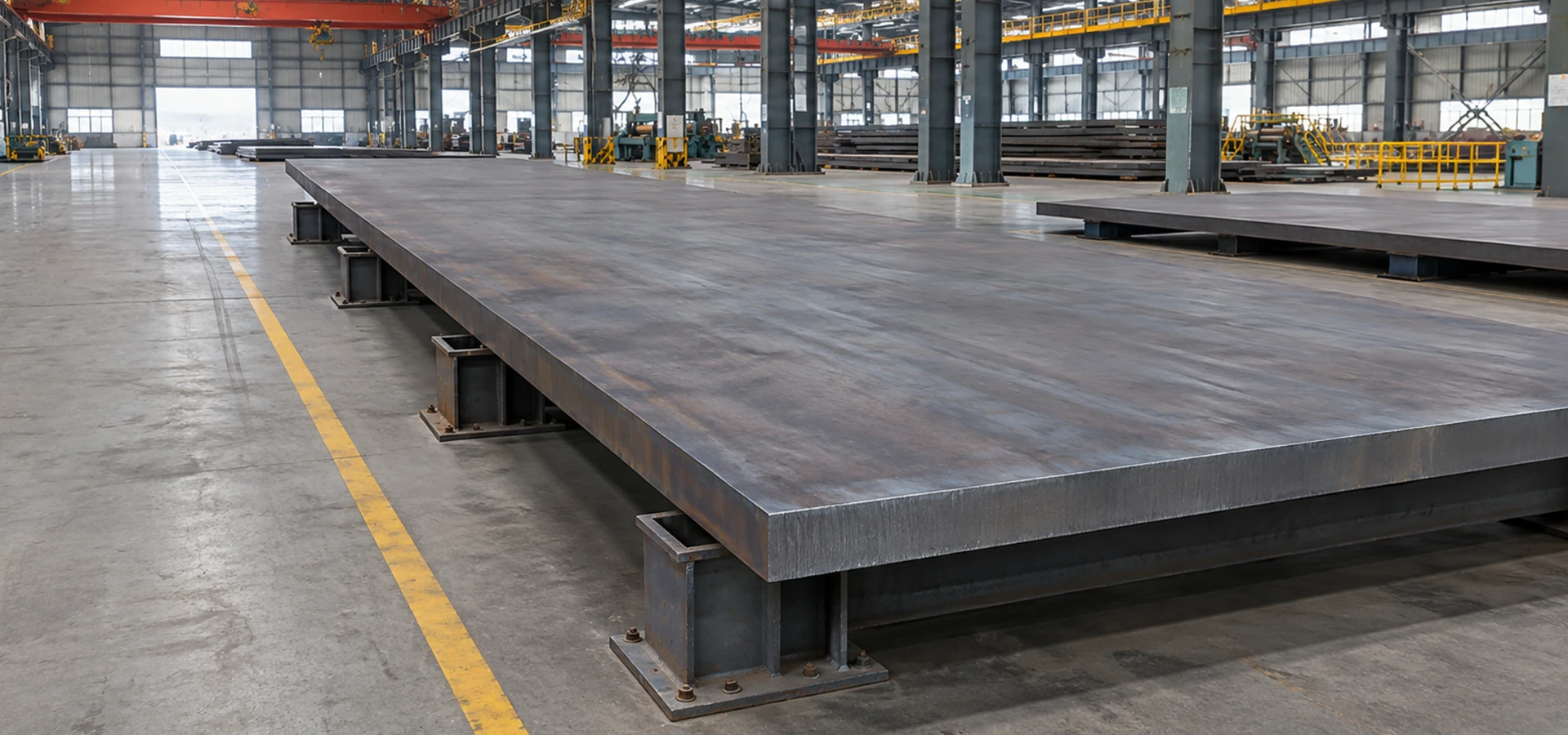
A Grade 22 inquiry becomes actionable when Class, grade, edition, thermal condition and required testing are identified.
| Ordering item | Grade 22 requirement |
|---|---|
| Exact designation | ASTM A387 Grade 22 Class 1 or ASTM A387 Grade 22 Class 2 |
| Material specification | ASTM A387/A387M-25. State ASME SA-387/SA-387M and the applicable edition where required by the pressure-equipment code. |
| Dimensions and quantity | Specify thickness, width, length, number of plates and total tonnage. Actual mill-available sizes and stock lots are checked before quoting. |
| Thickness capability | Limited by actual steelmaking capability and achievement of specified properties; the ASTM specification does not prescribe a universal commercial stock range. |
| Thermal condition | Annealed where applicable, normalized and tempered, or purchaser-permitted accelerated cooling followed by tempering. Class 2 excludes annealed material in its tensile table. |
| Base plate rules | ASTM A20/A20M general requirements where applicable, with specific A387 provisions taking precedence. |
| Documents and inspection | Producing mill, heat number, chemical and mechanical results, treatment, plate identification, and separately ordered supplementary inspection. |
Commercial stock and lead times vary by class, size, heat treatment and producing mill. Send the actual project specification for a valid supply assessment.
Include Grade 22 Class 1 / 2, dimensions, final treatment, inspection, quantity and destination.
The two classes use the same nominal Cr–Mo grade but different minimum yield and tensile requirements. Verify the ordered class against the mill certificate.
| Grade 22 class | Minimum yield | Tensile strength | Elongation (50 mm) | Reduction of area |
|---|---|---|---|---|
| Class 1 | 205 MPa | 415–585 MPa | 18% minimum | 45% round / 40% flat specimens |
| Class 2 | 310 MPa | 515–690 MPa | 18% minimum | 45% round / 40% flat specimens |
ASTM SI table values; minimum 50 mm elongation and reduction-of-area figures are subject to the specified specimen type and applicable ASTM A20/A20M adjustments. The Class 2 tensile table does not apply to annealed plate. Use SI or inch-pound units as a complete, separate system.
Minimum yield 205 MPa. Confirm the approved thermal condition and mechanical results for your vessel fabrication route.
Minimum yield 310 MPa. Order a qualifying final heat treatment and verify the Class 2 tensile results after the specified process.
Share the material schedule or design code before a class is selected for the purchase.
Nominal alloy content identifies the family; certified heat analysis and applicable product-analysis allowances govern acceptance.
| Element | Heat analysis, mass % | Product analysis, mass % | Procurement note |
|---|---|---|---|
| Carbon (C) | 0.05–0.15 | 0.04–0.15 | Welding, heat treatment and material chemistry review |
| Manganese (Mn) | 0.30–0.60 | 0.25–0.66 | Check the certified analysis route |
| Silicon (Si) | ≤0.50 | ≤0.50 | Certified chemistry limit |
| Chromium (Cr) | 2.00–2.50 | 1.88–2.62 | Nominal 2.25% Cr grade family |
| Molybdenum (Mo) | 0.90–1.10 | 0.85–1.15 | Nominal 1.00% Mo grade family |
| Phosphorus (P) | ≤0.025 | ≤0.025 | Maximum specified concentration |
| Sulfur (S) | ≤0.025 | ≤0.025 | Maximum specified concentration |
Chemistry figures are for ASTM A387 Grade 22, UNS K21590, and must be reviewed against the actual ordered standard edition and MTC. Product-analysis allowances are separate from heat-analysis requirements. The lower-carbon Grade 22L designation, where encountered in legacy documents, must be checked against the applicable edition and code rather than treated as identical.
The standard covers thermally treated plate. State the intended class and any fabrication PWHT simulation when requesting supply.
A permissible A387 thermal-treatment path only where the ordered class and mechanical results allow it. The Class 2 tensile table excludes annealed plate.
Specify the normalized-and-tempered condition where required. Grade 22 lists 675°C (1250°F) minimum tempering temperature for the applicable route.
Cooling from austenitizing temperature by air blast or liquid quenching, followed by tempering, needs purchaser permission and must meet the ordered class and tests.
Review the producing mill's final thermal condition alongside the required test specimens and any anticipated fabrication PWHT. The vessel designer controls the project-specific thermal cycle and allowable properties.
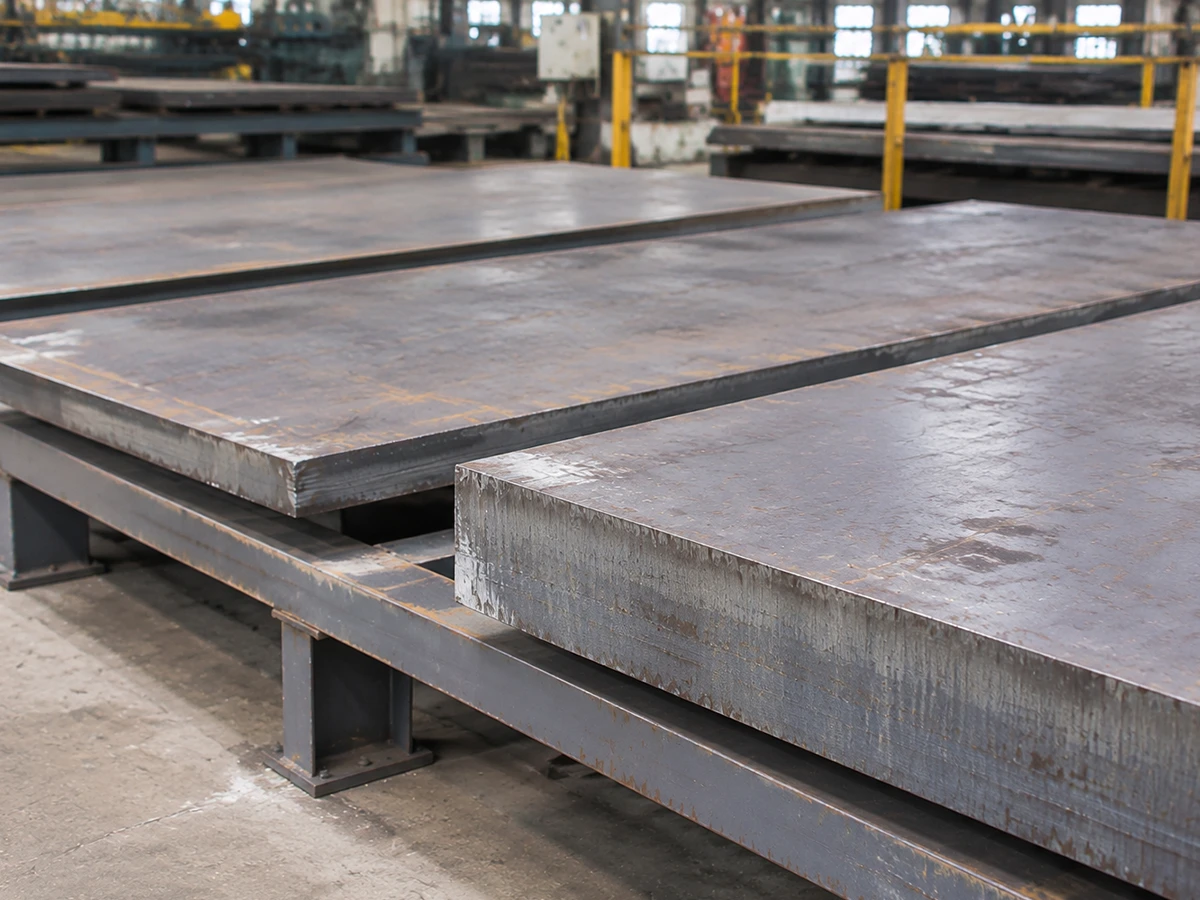
ASTM A387 Grade 22 is selected for code-defined welded pressure equipment, with the actual operating envelope determined by engineering calculations.
Use the appropriate pressure-vessel code and material allowable-stress data for the actual design temperature, thickness and condition.
Qualified WPS/PQR, consumables, preheat, interpass and PWHT cycles are defined for the actual material condition, thickness and joint configuration.
Service fluid, hydrogen exposure where relevant, corrosion allowance, damage mechanisms and inspection intervals are reviewed by the vessel engineering team.
Typical inquiries come from refinery, power-generation and industrial pressure-equipment procurement teams with approved material schedules.
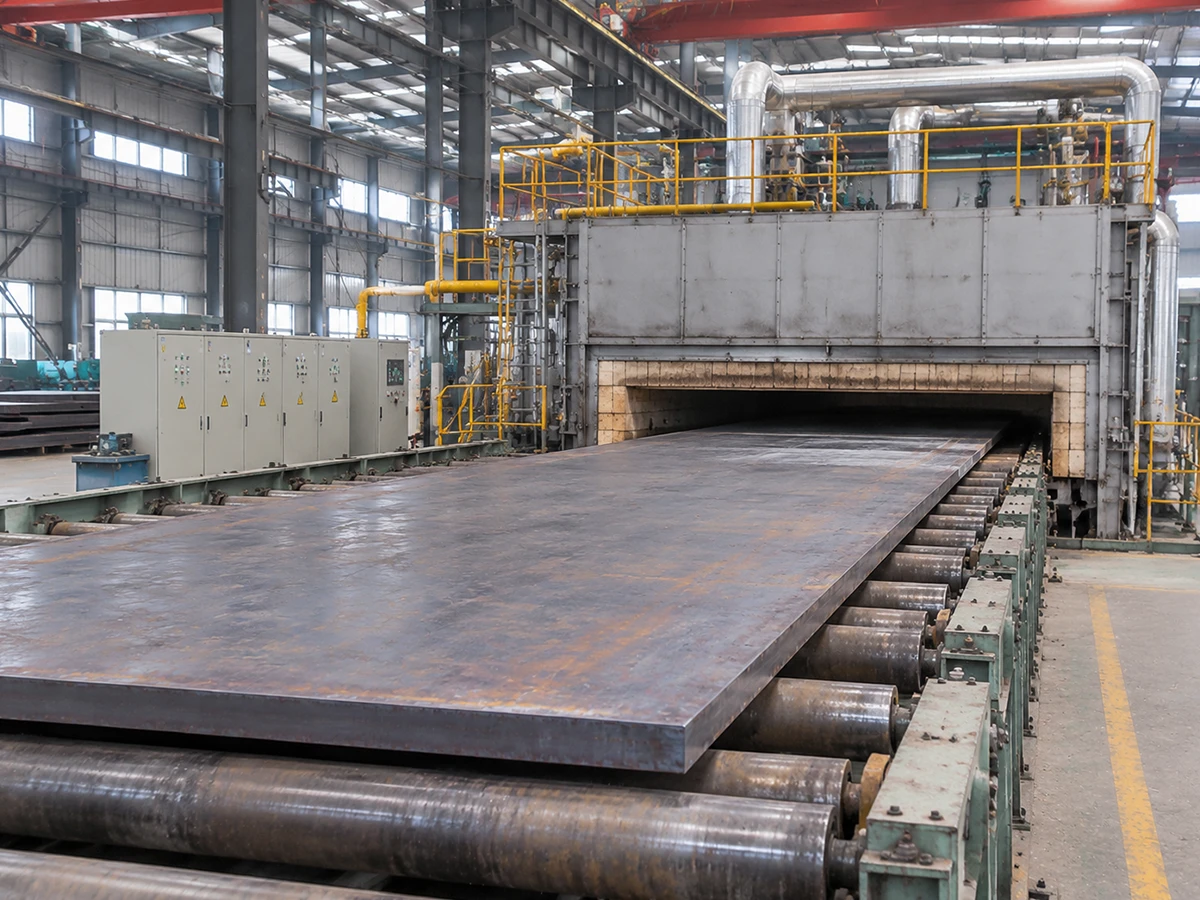
Shells, heads and pressure-boundary plate where the approved specification requires Grade 22.
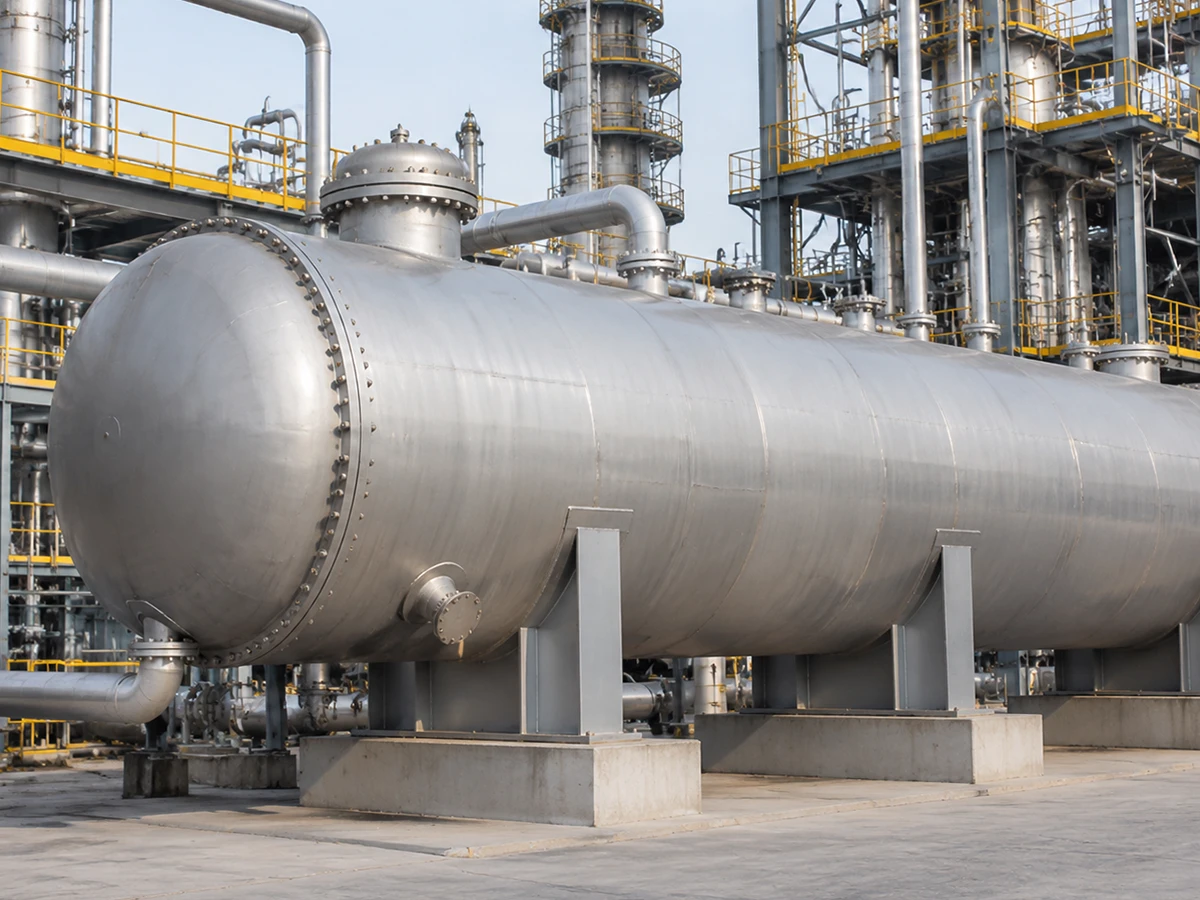
Code-defined parts using 2.25Cr–1Mo alloy plate and controlled heat treatment.
Specialist reactor and process-vessel components under project material and service requirements.
Heat-related pressure components where the design and pressure code call for Cr–Mo steel.
Fabricated components supplied with the specified class, thermal treatment and tests.
Heat-traceable material for approved repairs or modifications with engineering authorization.
For 2.25Cr–1Mo material, align welding and thermal processing with the approved procedure and actual plate condition.
Retain heat identification through cutting and forming. Confirm plate size, class and final treatment before release to the fabrication shop.
Confirm weld consumables, heat input, preheat and interpass controls with the relevant fabrication code and joint design.
Provide the intended PWHT cycle and any required simulated coupons or post-processing mechanical acceptance criteria.
Cutting, welding and PWHT temperatures should be set by the qualified project procedure, not inferred from a marketing grade overview.
We coordinate the actual mill source, heat-treatment documents and export planning for each Grade 22 inquiry.
Company-wide steel output across product lines. Grade 22-specific manufacturing capacity is confirmed separately for the actual producing mill.
Regular steel inventory across operations. Individual A387 Grade 22 lots must be checked by class, heat, size and treatment.
Company-wide operational area supporting steel supply, handling and export order coordination.
Overall steel operations and purchasing coordination for project-level commercial and document requirements.
Traceability and a clear producer document route are essential for pressure-equipment procurement.
Separate the sales supplier from the actual steel producer. Review class, plate chemistry, thermal condition and inspection documents from the producing mill.
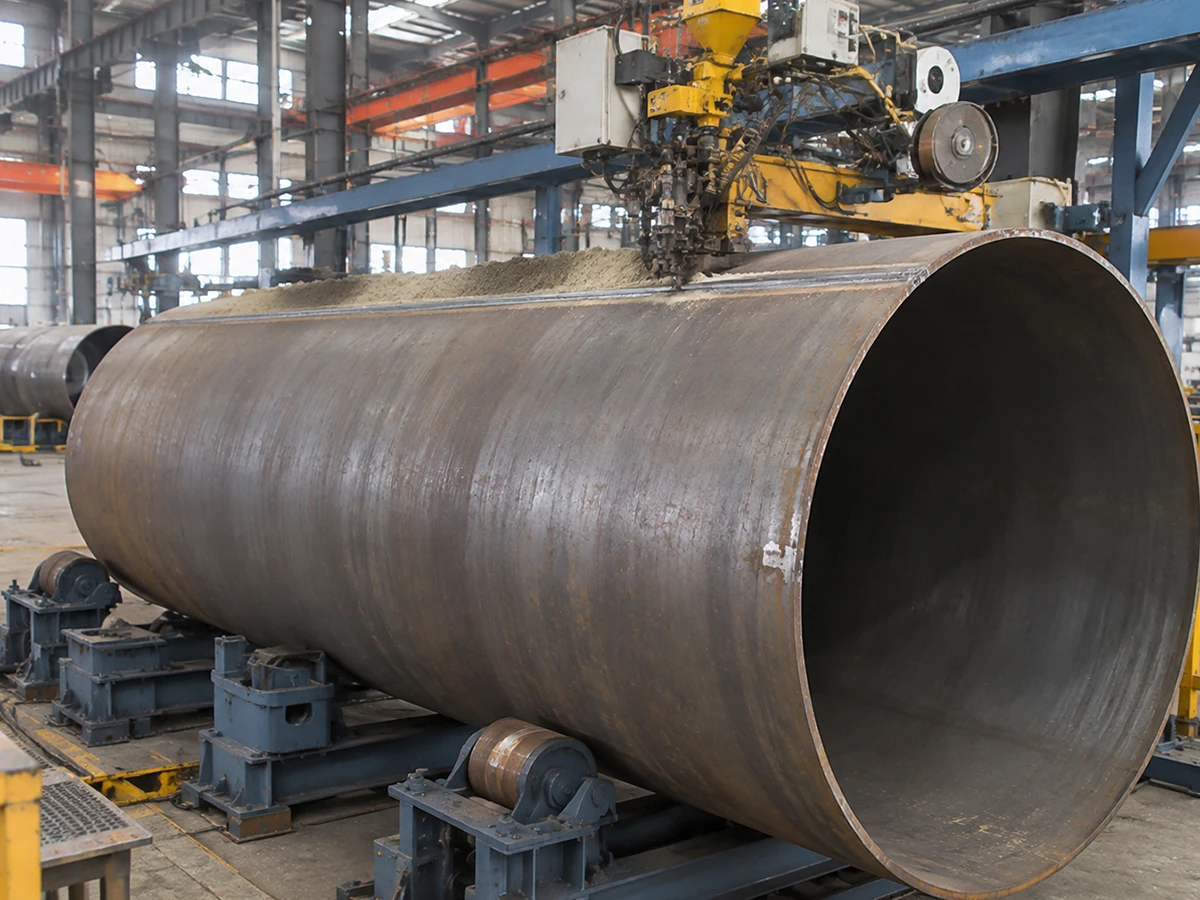
A meaningful Grade 22 availability check covers the actual heat-treated lot or production schedule—not only the nominal grade name.
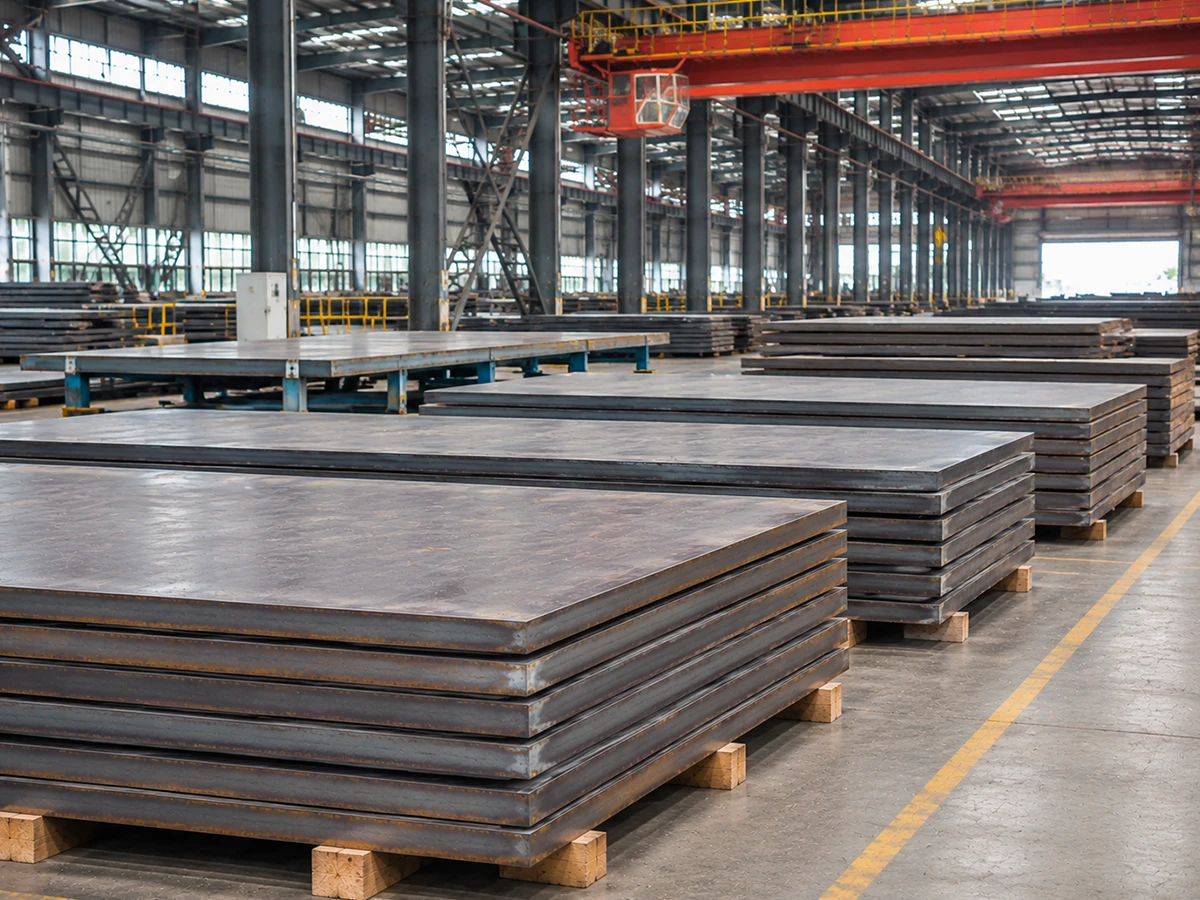
Share thickness, width, length, class, required thermal condition and certificate format. We can then check real stock, mill production and project-sourcing routes.
The mill certificate must identify the actual heat, grade, class, chemistry and heat-treated mechanical performance.
Before shipping, reconcile the MTC, markings and ordered supplementary testing with the material requisition.
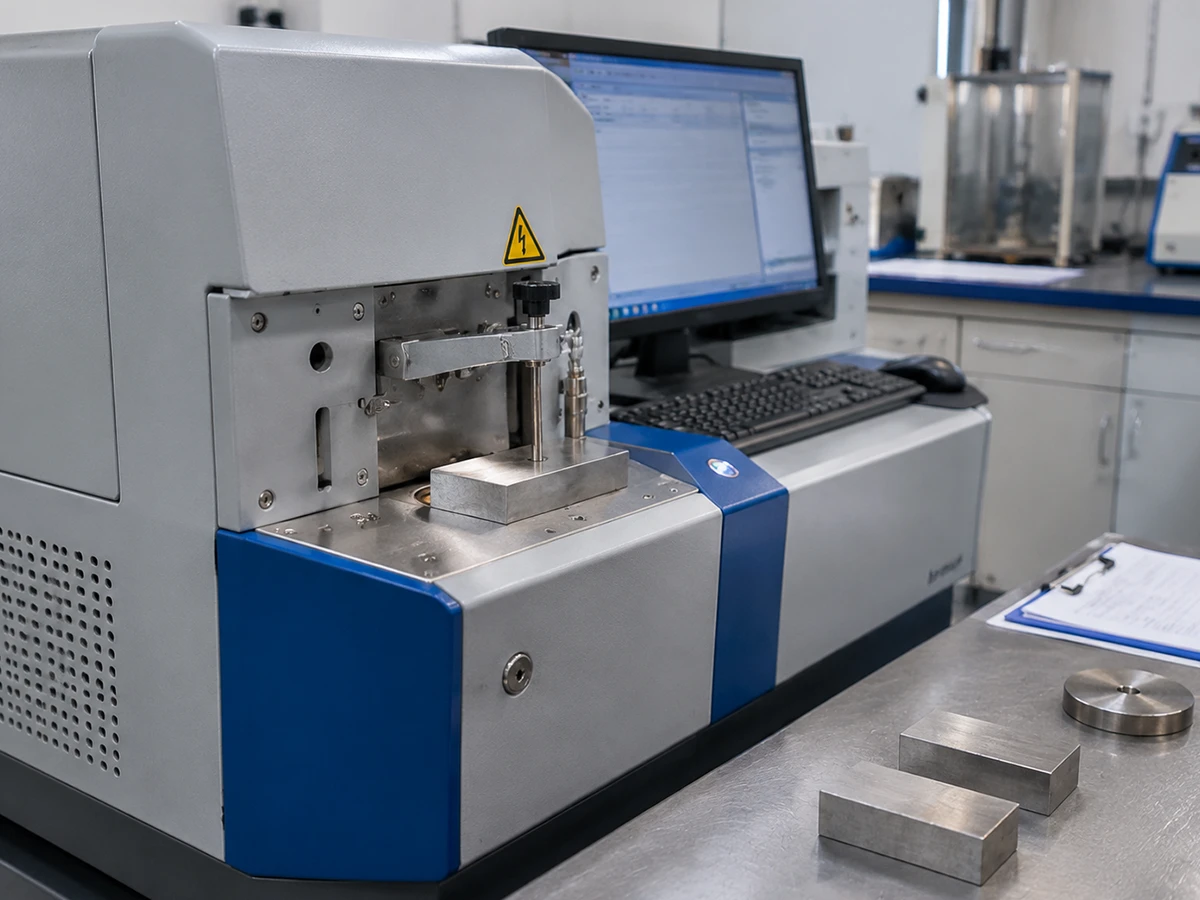
Charpy, ultrasonic inspection and project-specific simulated heat cycles are assessed against written methods and acceptance limits.
State the required ASTM A435/A435M, A577/A577M or A578/A578M examination route when applicable, plus examination extent and acceptance class.
Define specimen direction, test temperature, minimum energy and specimen size for impact tests, or elevated-temperature tensile method where separately required.
For project-specific testing after a simulated fabrication cycle, state time, temperature and mechanical acceptance criteria before order release.
Estimate nominal plate tonnage for a preliminary RFQ. Final invoice mass depends on actual dimensions, tolerances and shipping documentation.
Nominal calculation uses approximate density 7,850 kg/m³. Metric tonnes = thickness × width × length (mm³) × quantity × 7,850 / 10¹². This is a planning estimate, not a certified shipping weight.
To compare mill lots on the same basis, include the ordered class and thermal condition alongside the size and quantity.
Send the complete schedule and request documents for consolidated pricing.
Optional processing is coordinated around plate condition, edge quality, part identity and downstream weld procedure requirements.
Grade 22 is a heat-treated Cr–Mo material. Confirm the thermal-cutting method, required edge condition and any post-cut inspection before project release.
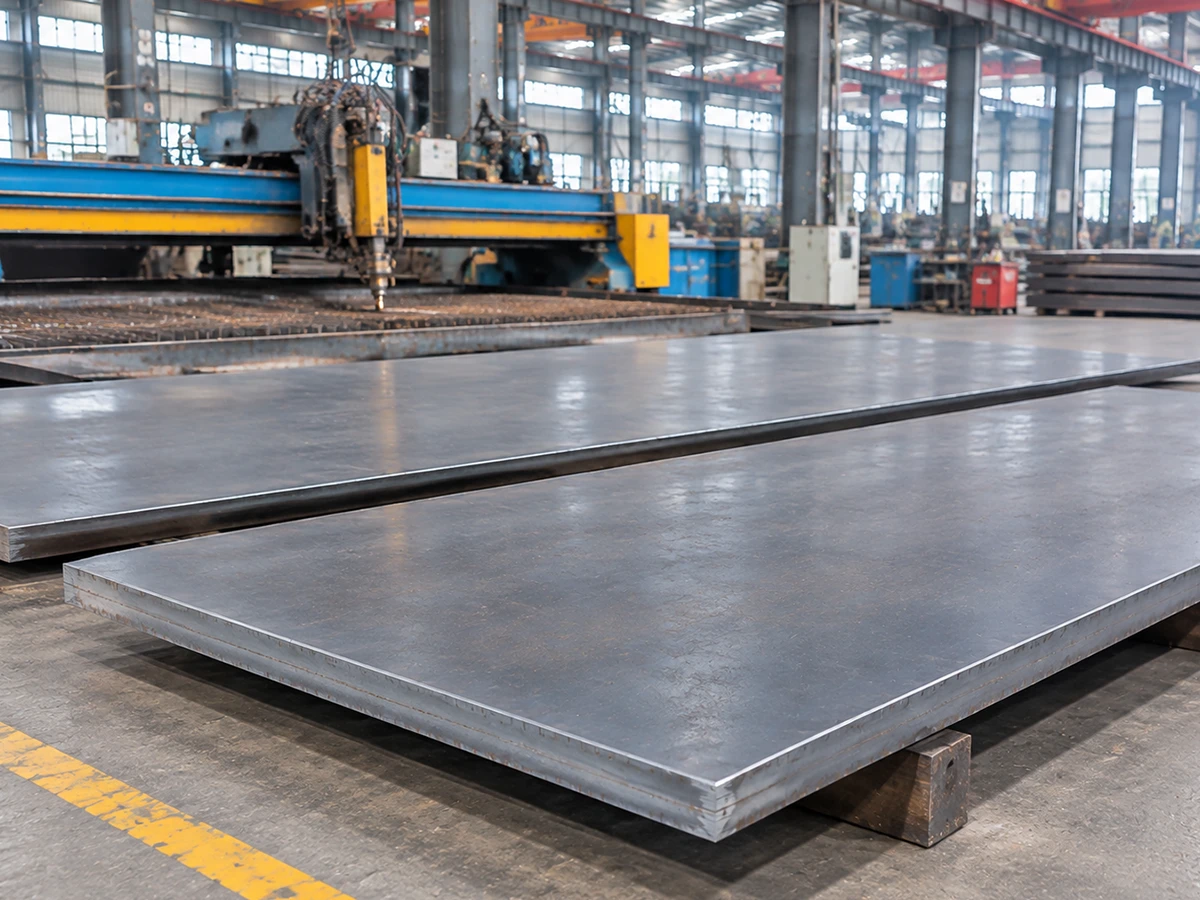
Arrange marking, lifting and shipment documents to preserve traceability from heat-tested plate to the receiving workshop.
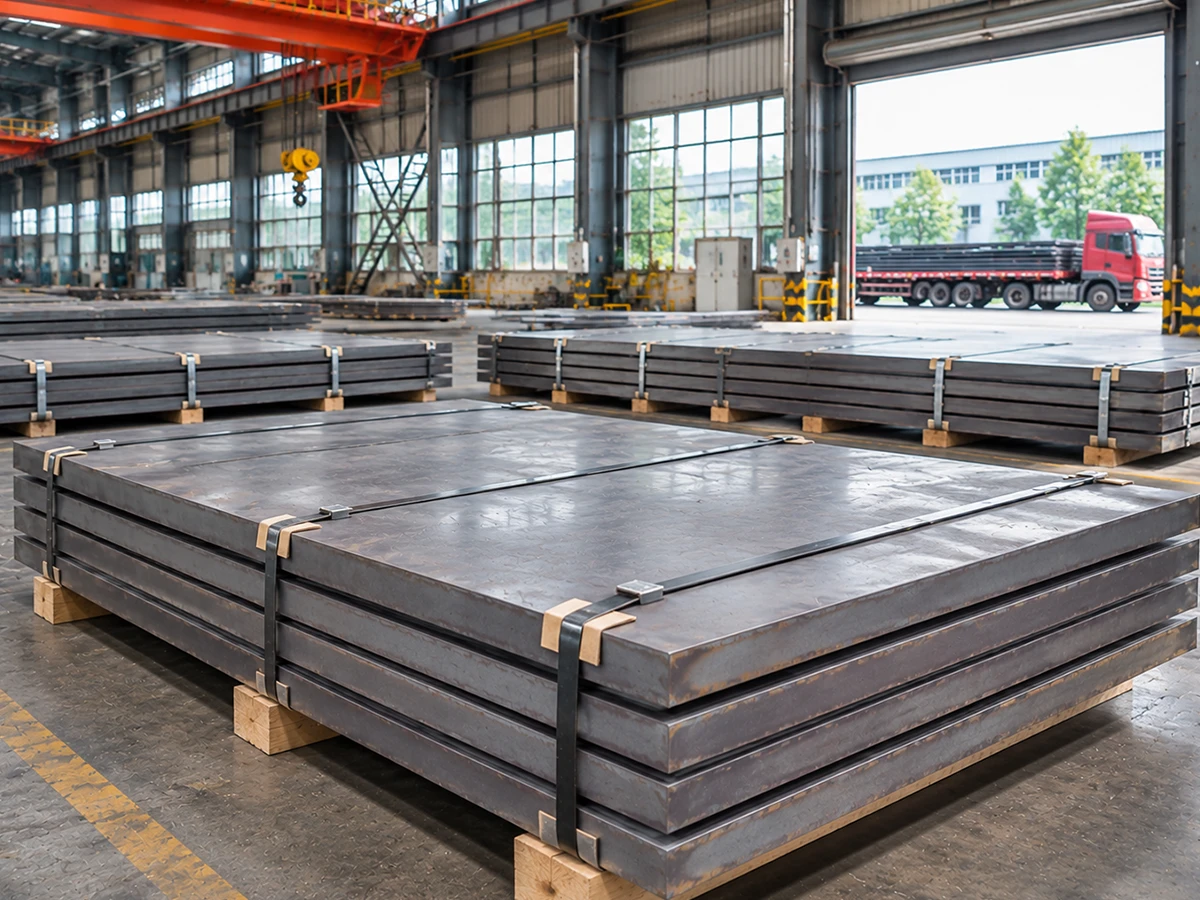
Large heat-treated plates may require special lifting, supports or alternate vessel freight arrangements. Coordinate documentation before truck, container or breakbulk loading.
These are separate specifications; project engineering approval is needed before considering a substitute.
Related-page cards remain non-clickable until their corresponding WordPress URLs are published and checked, avoiding broken internal links.
Provide a material requisition or code-specific list when requesting a project quotation.
We can review requirements for alloy chemistry, test results, producer documents and project delivery before quoting.
Grade 22 is a chromium–molybdenum alloy pressure-vessel plate with nominal 2.25% Cr and 1.00% Mo, intended primarily for welded boilers and vessels in elevated-temperature service under the applicable code.
In ASTM SI units Class 1 requires 205 MPa minimum yield and 415–585 MPa tensile strength. Class 2 requires 310 MPa minimum yield and 515–690 MPa tensile strength; its tensile requirements exclude annealed material.
Where tempering is required by the A387 Grade 22 thermal route, the specification lists 675°C (1250°F) minimum tempering. Actual time, sequence and special restrictions follow the producing mill and project requirements.
Annealed material is a permitted standard heat-treatment route only for an applicable Class 1 purchase. Class 2 strength requirements apply to a suitable non-annealed, qualifying heat-treated condition.
The ASME SA-387 designation is commonly specified for pressure equipment governed by ASME rules. State the construction-code edition, plate class and certificate wording so the producer can confirm exact compliance; dual certification requires documentation.
A project requiring Charpy testing must state temperature, absorbed energy, direction, sample size and acceptance method. The grade and class alone are not a universal promise of a particular impact-test result.
Grade 22 has a nominal 2.25Cr–1Mo alloy system, while Grade 11 is nominal 1.25Cr–0.5Mo. Material changes require review of design code, allowable stresses, metallurgy, fabrication and written engineering approval.
Mill test reports and grade/class checks form the base document review. UT, additional chemical analysis, Charpy, high-temperature testing, simulated PWHT and third-party inspection can be reviewed where specified and available.
Cutting can be coordinated against drawings when size, edge preparation, traceable part identification and downstream fabrication constraints are agreed. Availability depends on the confirmed plate lot.
Send Class 1 or Class 2, dimensions, total quantity, applicable ASTM or ASME edition, thermal condition, PWHT and additional tests, destination port, Incoterm and target delivery date.
Send Grade 22 Class 1 or Class 2, dimensions, tonnage, standard edition, final heat treatment, mill certificate wording and additional tests. We will confirm the source and prepare a material-specific proposal.
Send your required grade, dimensions, quantity and destination. Our team will review the inquiry.