Global Steel Supply & Processing
Source ASTM A514 Grade B quenched-and-tempered alloy steel plate for high-load welded structures. Review the exact Grade B thickness limit, heat-treated mechanical performance, certificate scope and cut-list requirements before placing a bulk order.
Send plate thickness, width, length, tonnage, Charpy/UT requirements, welding specification and receiving port. We confirm the producing mill and available heat lots before quoting.
Mill origin, current inventory and certificate options are subject to order verification.
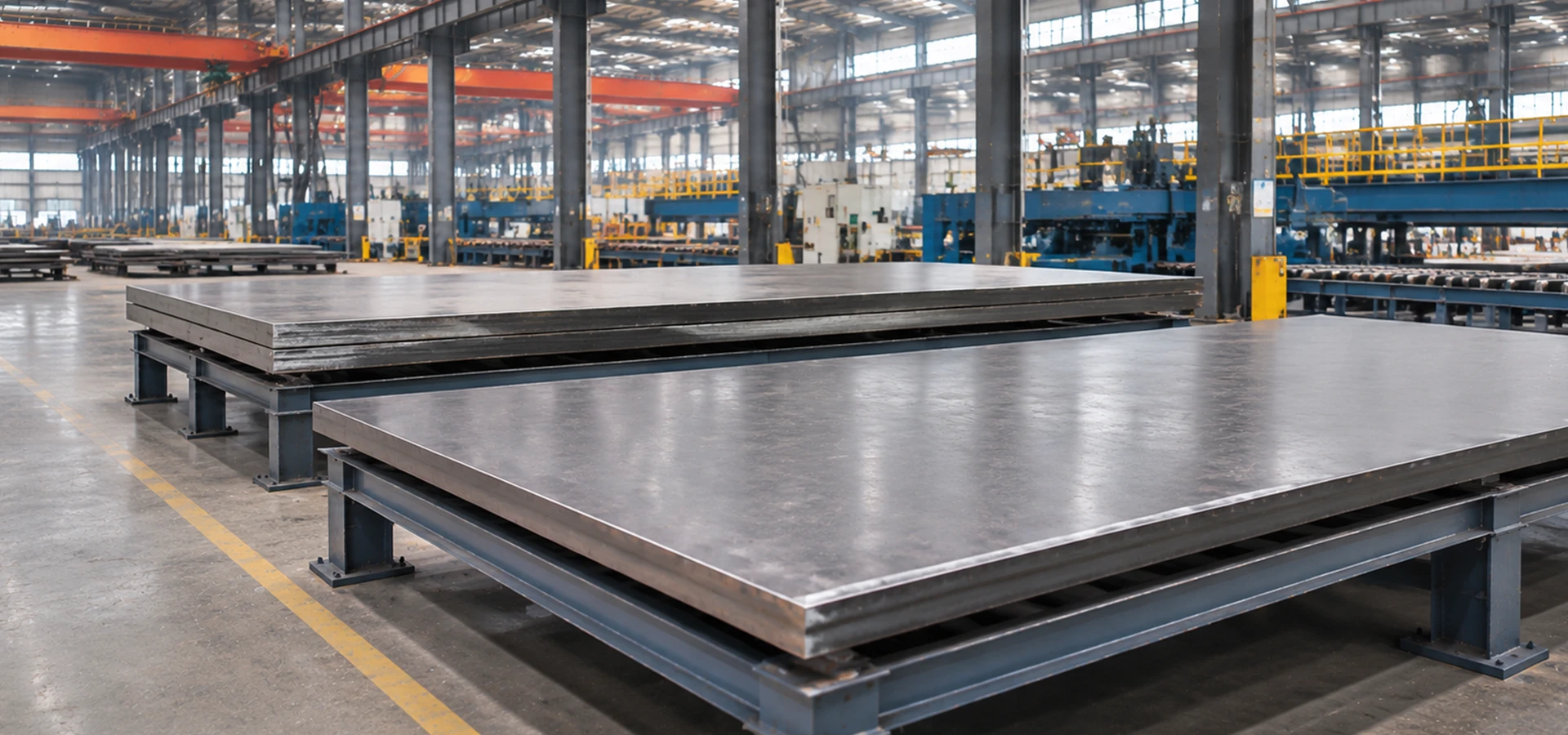
Specify ASTM edition, Grade B, Q&T condition, maximum thickness, dimensional tolerances, required testing and certificate format in one purchase inquiry.
| Procurement field | ASTM A514 Grade B specification |
|---|---|
| Product designation | ASTM A514 Grade B steel plate |
| Applicable ASTM edition | ASTM A514/A514M-22; general plate requirements: ASTM A6/A6M |
| Steel type | High-yield-strength, fine-grain, quenched and tempered low-alloy structural plate |
| Grade B maximum thickness | 32 mm / 1¼ in. under ASTM A514 chemical-grade thickness limits |
| Typical mill offer example | A selected SSAB Grade B product lists 4.78–31.75 mm; confirm available thickness, width and length for the actual producer |
| Minimum yield strength | 690 MPa / 100 ksi |
| Tensile strength | 760–895 MPa / 110–130 ksi |
| Delivery condition | Quenched and tempered as specified, with heat-treatment temperatures in the mill report |
| Impact / supplementary testing | Charpy V-notch, ultrasonic testing, extra hardness, dimensional/flatness control: per order requirements |
| Documents | Mill test certificate with heat number, ASTM grade, test results, chemistry and Q&T records |
| Commercial details | Quantity, cut sizes, loading plan, destination and agreed Incoterm |
Mechanical acceptance includes specimen orientation, gauge length and the specific thickness boundary for Brinell hardness requirements.
| Grade B thickness | Yield, min. | Tensile range | Elongation, min. | Hardness requirement |
|---|---|---|---|---|
| ≤20 mm / ≤¾ in. | 690 MPa | 760–895 MPa | 18% (50 mm gauge*) | 235–293 HBW |
| >20–32 mm | 690 MPa | 760–895 MPa | 18% (50 mm gauge*) | No base hardness range in ASTM Table 2 at this thickness |
*Values from ASTM A514/A514M-22 Table 2, applicable specimen geometry and ASTM A6/A6M/A370 testing rules. Mill data sheets may report different elongation figures for their stated specimen configurations. Use the tested dimensions and specimen type shown on the delivered certificate.
The specified 690 MPa minimum yield is for this grade's permitted thickness range, up to 32 mm. Quoting heavier A514 plates requires a different grade and a new thickness-specific acceptance review.
The ASTM base hardness range of 235–293 HBW applies to plates through 20 mm. For thicker Grade B plate, write any additional hardness requirement directly into the order.
Send the ASTM edition, exact plate thickness and whether your project requires additional hardness or toughness testing.
Confirm certified heat-analysis values, especially alloying elements relevant to hardenability and welding procedure qualification.
| Element | ASTM A514 Grade B heat-analysis range (mass %) |
|---|---|
| Carbon (C) | 0.12–0.21 |
| Manganese (Mn) | 0.70–1.00 |
| Silicon (Si) | 0.20–0.35 |
| Chromium (Cr) | 0.40–0.65 |
| Molybdenum (Mo) | 0.15–0.25 |
| Vanadium (V) | 0.03–0.08 |
| Titanium (Ti) | 0.01–0.10 |
| Boron (B) | 0.0005–0.005 |
| Phosphorus (P) | ≤0.030 |
| Sulfur (S) | ≤0.030 |
Cr, Mo, V and B support the quenched-and-tempered Grade B route. The actual heat analysis governs weldability review, procedure qualification and any project-specific carbon equivalent calculation.
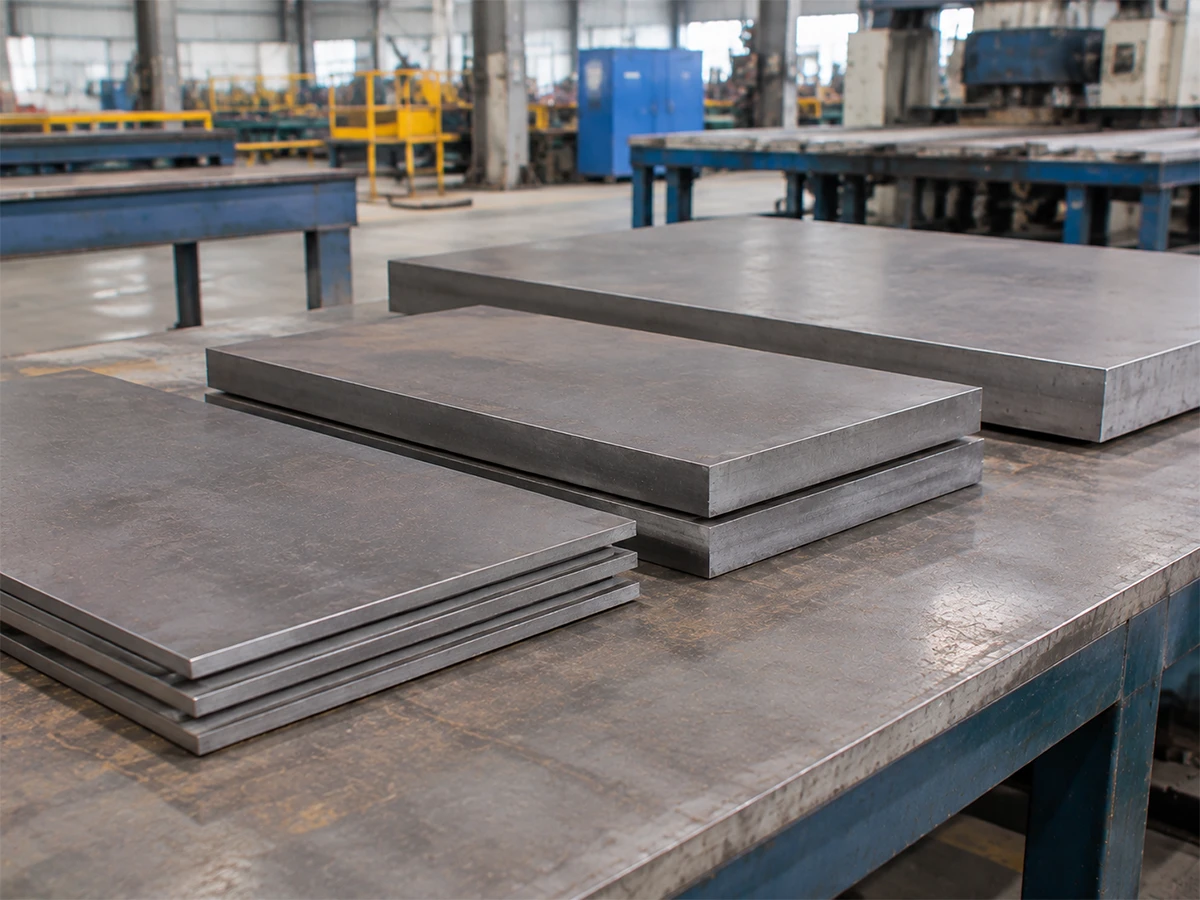
For Grade B, heat treatment is not an optional marketing feature: it is integral to the specified alloy steel product and its mechanical performance.
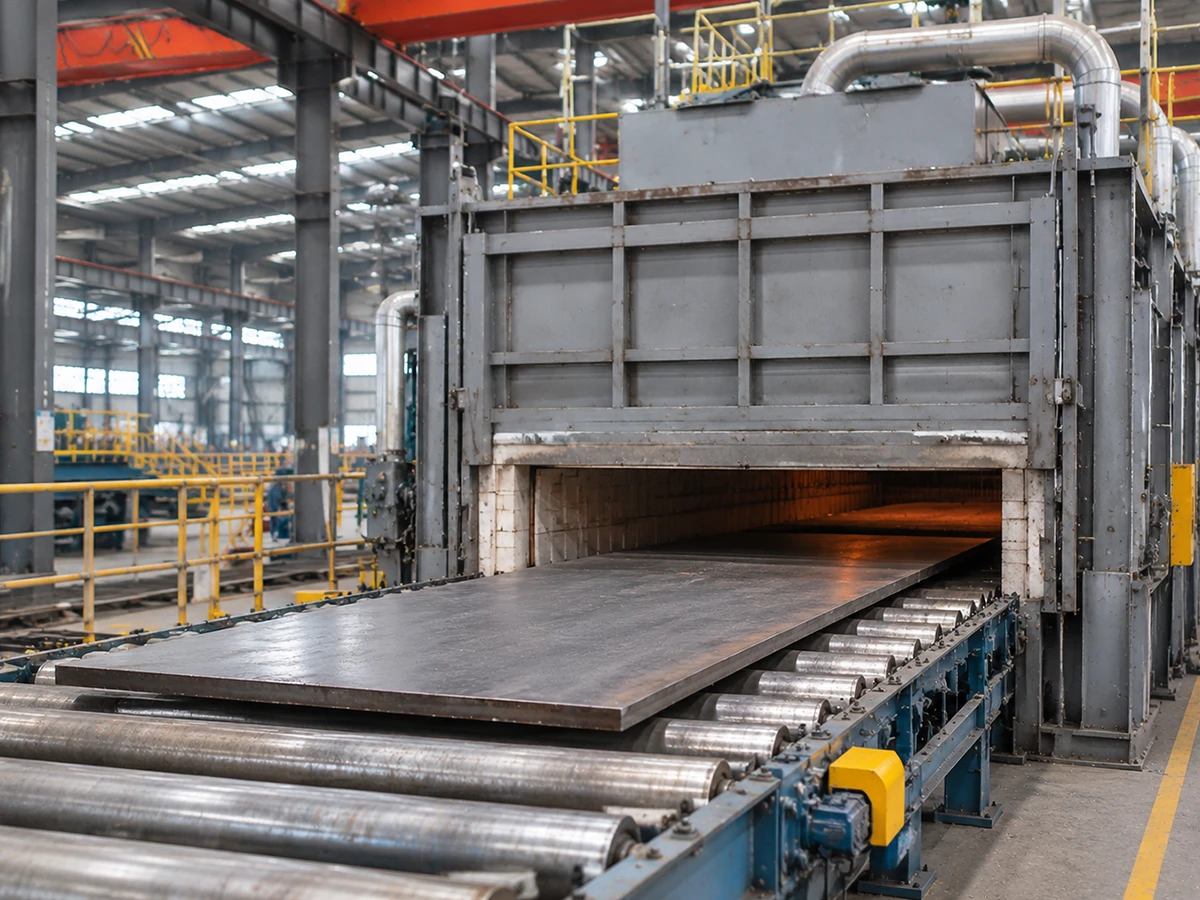
Under the ASTM A514 specified route, plates are heated to at least 900°C before quenching. The actual cycle belongs on the producing mill’s test report.
The quench stage establishes the transformed microstructure needed for this grade’s high yield strength. Cooling schedule and thickness are mill controlled.
Tempering is required in the standard heat-treated route. Record the actual process temperatures in the material documentation.
The mill test report should identify the producing heat, material grade, tempering condition, mechanical tests, chemical results and heat-treatment temperatures relevant to the supplied plates.
Welding, flame straightening and postweld heat treatment can affect the Q&T properties. Determine the procedure from the actual steel and approved engineering instructions.
Separate the ASTM base mechanical requirements from project-selected impact tests and additional inspection criteria.
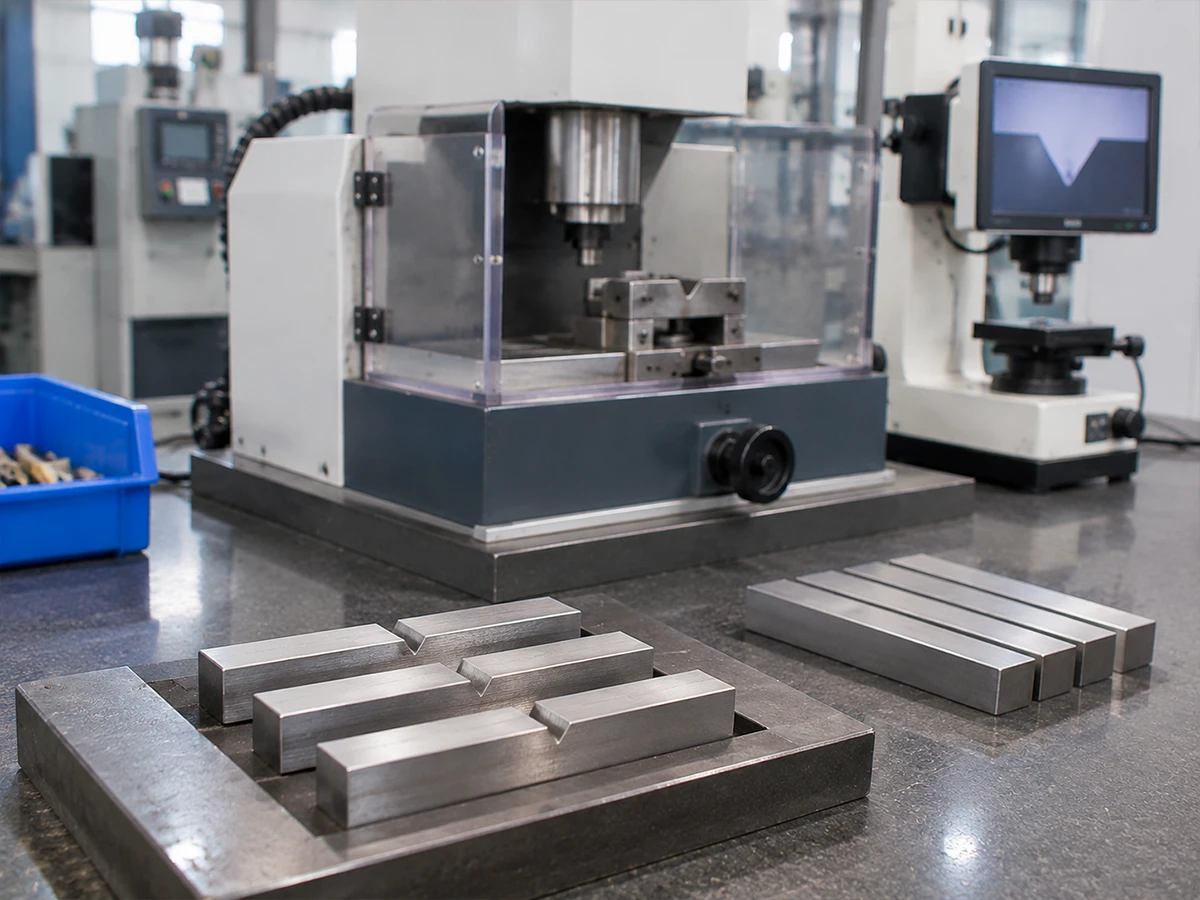
ASTM A514 Grade B sets its specified yield, tensile and eligible hardness requirements. It does not provide one universal Charpy temperature-and-energy guarantee for all Grade B purchase orders.
Specify Charpy test temperature, average absorbed energy, specimen orientation and size, sampling requirements, certificate type and any witnessing before purchase. Confirm the actual mill can satisfy that test route.
Provide ambient or low-temperature service, fatigue and welded-joint requirements to the design engineer.
Define temperature, orientation, specimen geometry, test frequency and agreed acceptance criteria.
Match the impact report and heat number to the delivered plates and fabrication cut pieces.
Include the acceptance temperature, energy, UT standard, plate thickness and quantity in your request.
A514 Grade B is a high-strength structural plate; application suitability depends on design loads, joint geometry, service temperature and fabrication qualification.
Specified high yield strength can help engineers manage weight and load capacity where plate grade and weld details are approved.
Trailer frames, mobile lifting equipment, transport structures and other high-load welded assemblies are common application routes.
Strength-sensitive plate structures with controlled fabrication procedures.
Structural fabricated components subject to calculated loads and service conditions.
Specified Q&T alloy plate for welded machine and support assemblies.
Selected according to the project material specification and welding qualification.
Get commercial coordination and material verification for an ASTM Q&T plate that is often bought against detailed structural drawings.
Quote the exact A514 Grade B standard, thickness, Q&T condition, requested inspection and destination.
BAOSTEEL METAL has company-wide annual steel output of 8 million MT and regular inventory of 1 million MT across its wider product business.
Review the actual supplying mill, furnace lot, heat treatment and original test documentation for specialized plate orders.
Coordinate size selection, optional processing, inspection requirements, export packing and logistics around procurement schedules.
Company-wide output and inventory are corporate operating figures, not a claim that 8 million MT of A514 Grade B plate are produced or held in stock. Grade B availability and certificate scope are checked for each quotation.
For high-strength Q&T plate, the stock enquiry needs more than nominal thickness. We align the exact grade, producing mill, material condition, rolling and heat-treatment records, inspection scope and shipping quantity.
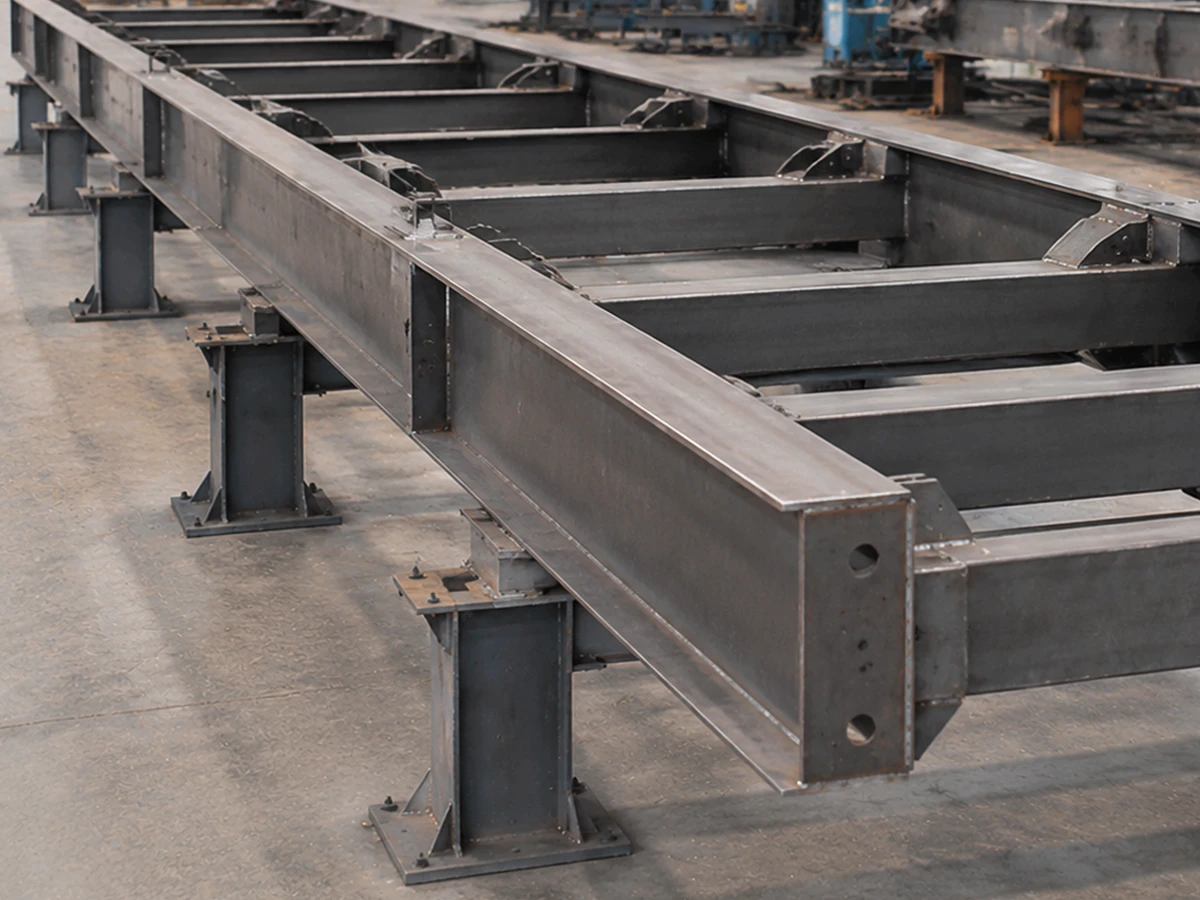
The exact steelmaker, furnace/heat lot and requested inspection requirements must agree with the purchase order before dispatch.
Mill identity, ASTM A514/A514M-22, Grade B, heat and plate marks, full chemistry and mechanical test values.
Confirm the test report records actual austenitizing/tempering temperatures and the specified finished condition.
Charpy, ultrasonic test and third-party inspection to a documented, mutually agreed acceptance scope.
| RFQ inspection item | How it is controlled |
|---|---|
| Tension test | Yield, tensile and elongation with applicable specimen details |
| Hardness | Required by base specification through 20 mm; additional requirements separately agreed |
| Chemistry | Heat analysis plus agreed product-analysis requirements |
| Charpy V-notch | Required temperature, energy, orientation and test frequency when ordered |
| Ultrasonic inspection | Specify test method and acceptance level if included |
| MTC / third-party inspection | Agree mill document and witness timing before production or dispatch |
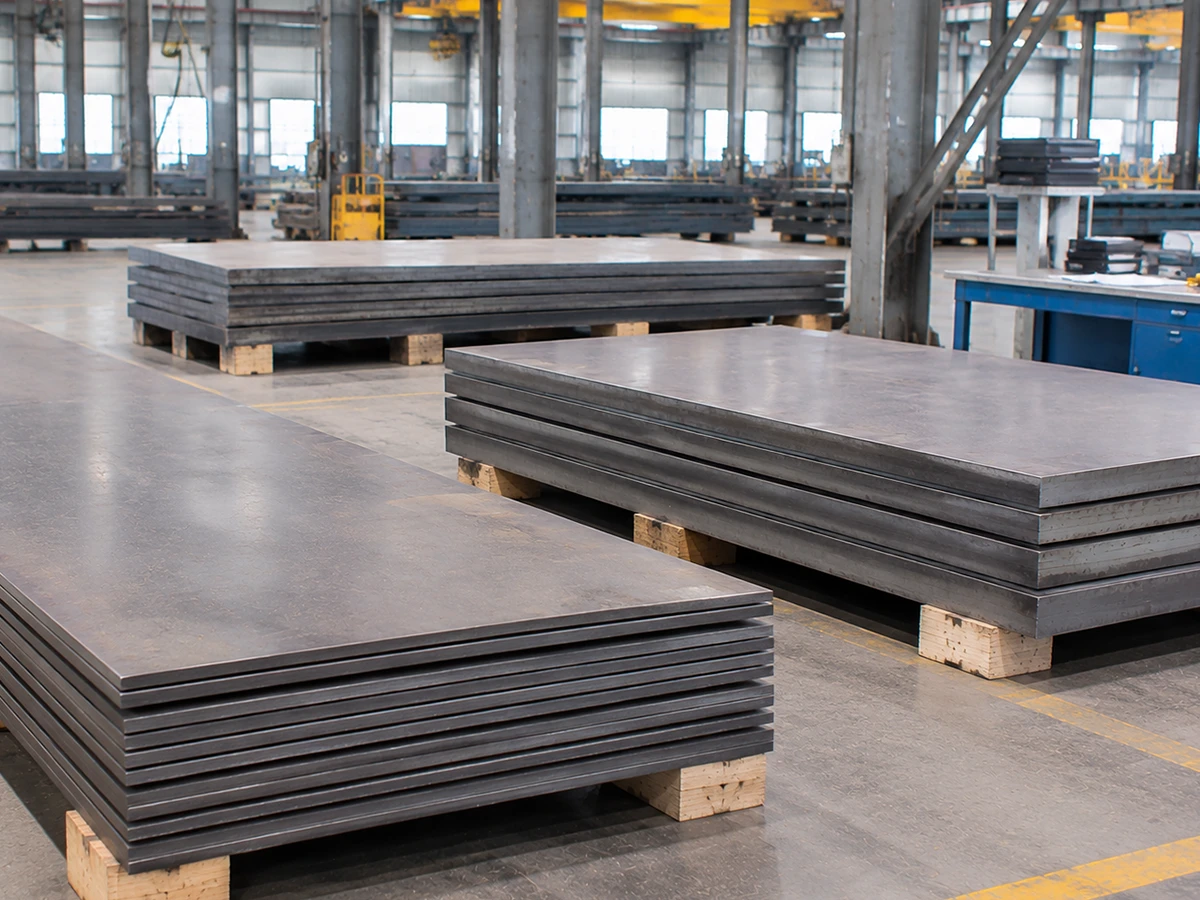
Where plates are processed into parts, agree heat marking transfer, dimensions after cutting and the documents accompanying each shipment.
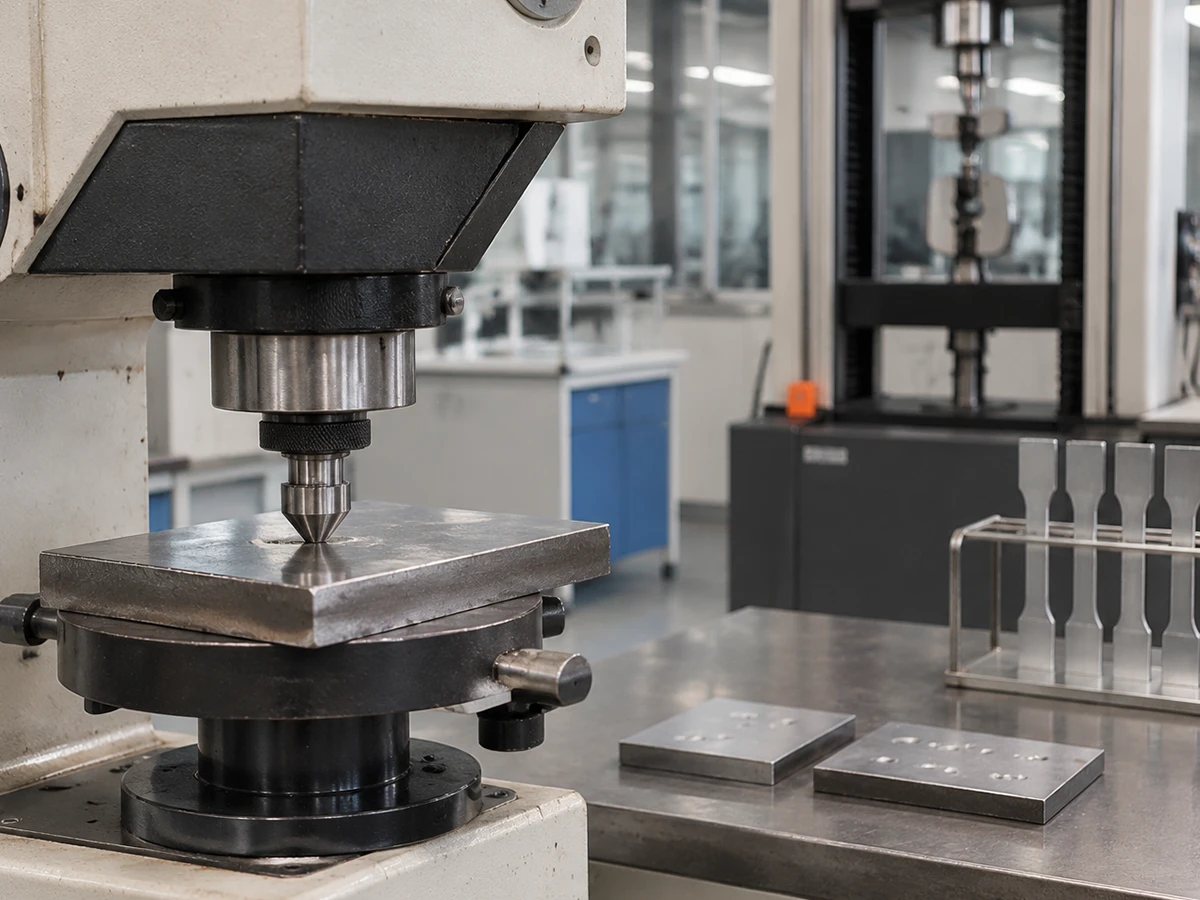
Grade B is intended for structures that may be welded with suitable procedures. Welding consumables, preheat, interpass temperature, heat input and hydrogen control belong in the actual WPS and PQR.
Plan plate orientation and cut-edge quality before forming so the as-delivered Q&T properties support the finished part.
Set the bend axis relative to the rolling direction and assess the actual approved material forming limits.
Remove thermal-cut defects, burrs, sharp corners and other local discontinuities near the bend path.
Confirm inside radius, die width, springback and inspection against the actual thickness and equipment.
A514 Grade B plate is commercially used in formed equipment parts, but minimum bend radii vary with thickness and rolling direction. Request producer guidance for the specific lot and drawing.
Control cut-edge condition, forming temperature and microstructure. For demanding bends, discuss a trial and the relevant inspection route with the manufacturer.
Detailed plate dimensions and tolerances reduce rework and help quote the required number of heats and shipment packages.
| Procurement item | What to specify |
|---|---|
| Thickness | Ordered Grade B thickness no greater than 32 mm; current mill/stock sizes confirmed on quote. |
| Width / length | Your finished dimensions or mill-plate dimensions; tolerances according to ASTM A6/A6M and agreed requirements. |
| Flatness / surface | Required surface condition, flatness tolerance and plate inspection at release. |
| Cut list | Piece dimensions, quantities, bevels, edge finish and drawing revision. |
| Plate identification | Heat/plate numbers, stamping/stencil instructions and inspection release. |
| Packing / transport | Gross/net weight, strapping/supports and delivery port. |
Example manufacturer commercial ranges are not universal BAOSTEEL METAL inventory promises. Confirm actual available plate sizes for each heat lot.
Use theoretical weight to prepare a bulk purchasing list before checking the final dimensions and mill quantities.
Enter finished plate sizes in millimeters and the whole number of pieces. Uses nominal carbon/alloy steel density 7,850 kg/m³.
Estimates exclude tolerances, cutting loss, packing, rust or attachments. Actual certified shipment weight takes precedence.
20 mm × 2,000 mm × 6,000 mm × 10 plates gives approximately 18.840 metric tonnes at the nominal density.
Although the calculator is a geometrical estimator, ASTM A514 Grade B has a maximum standard thickness of 32 mm. A thicker request needs a separate material/grade review.
Send dimensions, total pieces, target tonnage, required inspection and destination so our supply team can check heat lots and shipping options.
Processing is subject to available mill lots, workshop capacity, approval of cutting methods and post-cut inspection needs.
Check thickness, kerf, HAZ hardness and finished-edge quality against the actual Q&T plate and drawings.
Evaluate laser cutting where equipment capacity and the approved cutting procedure permit.
Agree hole geometry, edge preparation, part marking and any inspections required after processing.
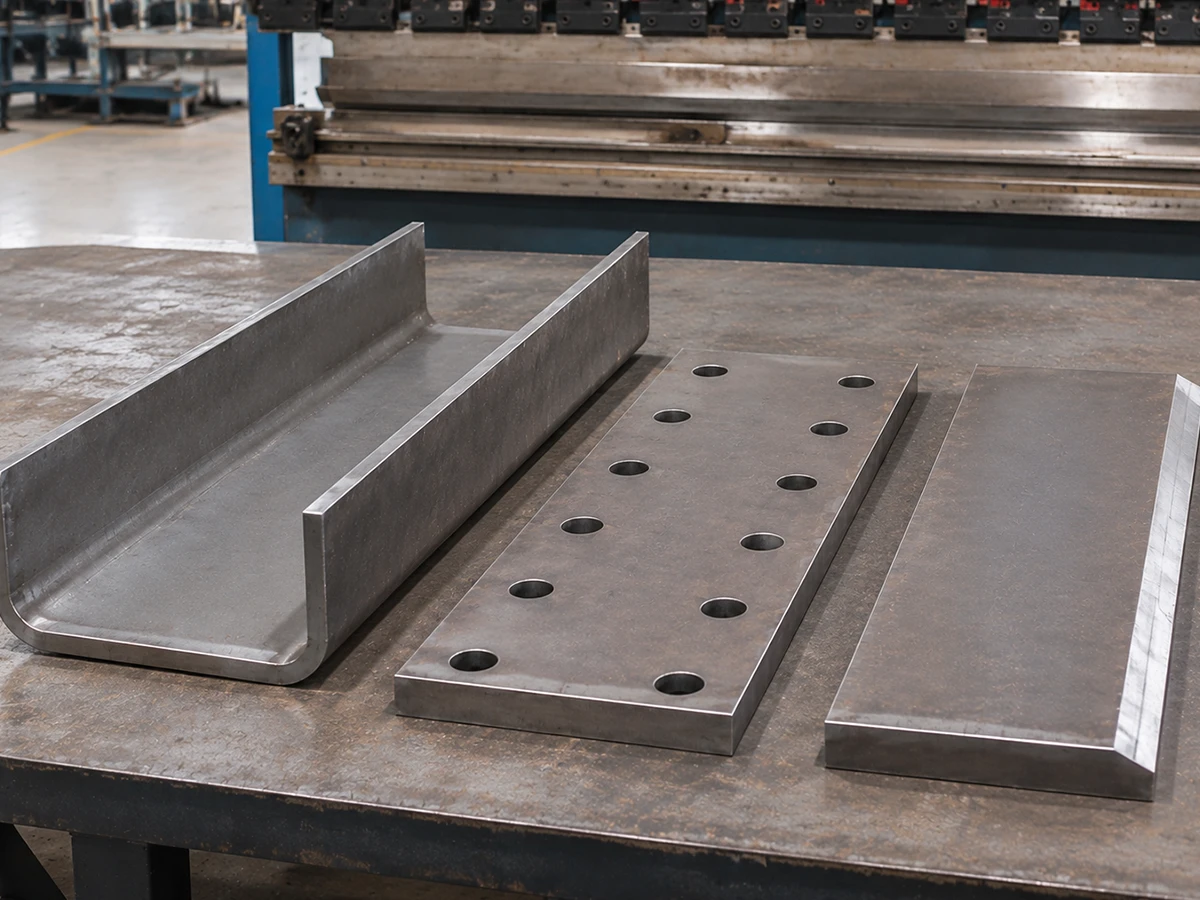
Provide plate sizes, piece count, edge requirements, material mark retention and delivery location.
Organize packing and documents around the plate weight and unloading plan. For cut parts, preserve original heat information through cutting, packing and delivery.
Compare material routes and purchase documents before considering any alternative high-strength plate.
GB/T 16270 Q&T plate; lower nominal yield class and different grade/impact rules.
GB/T 16270 D-quality plate; check −20°C Charpy, thickness bands and certificates.
GB/T 16270 nominal 690 MPa Q&T class, with its own impact and chemical requirements.
EN 10025-6 material, nominal 690 MPa yield and −40°C QL toughness route.
Lower yield structural steel; alternate design route only with engineering approval.
Compare high strength grades by governing standard, heat treatment, test requirements and dimensions.
Grade comparisons are intended for engineering and procurement review, not automatic substitutions. Publish links only after verifying the matching WordPress page URLs and live status.
The key purchasing checks are Grade B thickness ≤32 mm, finished Q&T condition, lot-specific MTC and any extra toughness tests.
A high-strength, quenched-and-tempered structural alloy steel plate under ASTM A514/A514M for engineered welded and non-welded structures.
ASTM A514/A514M-22 is the active edition currently listed by ASTM International. State the edition and any project additions on the purchase order.
The Grade B chemical requirement column specifies a maximum 1¼ in. [32 mm]. The 6 in. family-wide A514 scope applies to other grades and must not be used as the Grade B limit.
Minimum yield strength is 690 MPa and tensile strength is 760–895 MPa over the permitted Grade B thickness range.
ASTM A514/A514M-22 Table 2 specifies 18% elongation in a 50 mm gauge for the applicable standard specimen; testing configuration and mill reporting should be checked with the MTC.
The base ASTM 235–293 HBW requirement applies up to and including 20 mm plate thickness. For thicker Grade B material, set any required hardness limit in the order.
Finished Grade B structural plate normally uses the specified Q&T heat-treatment route. Any exceptional order without that heat treatment must explicitly address the purchaser’s later processing responsibilities.
A single universal temperature and absorbed-energy value is not part of the base Grade B claim. Specify your required Charpy orientation, temperature, energy and inspection frequency with the mill.
Review certified chemistry, plate thickness, qualified WPS/PQR, low-hydrogen practice, consumables, preheat, heat input and heat-affected-zone toughness where required.
The grades belong to different GB, EN and ASTM material systems. A design engineer must evaluate strength, thickness range, chemistry, Q&T procedure, Charpy requirements and weld qualification before substitution.
Send ASTM A514/A514M-22 Grade B, dimensions within the Grade B thickness limit, quantities, impact/UT options, certificate requirements, cutting drawings and shipping destination.
Send ASTM A514/A514M-22 Grade B, plate dimensions (within 32 mm maximum thickness), tonnes, required Q&T certificate, impact/UT requirements, optional processing and delivery port. Mill identity, stock status and inspection scope are confirmed for your purchase order.
Send your required grade, dimensions, quantity and destination. Our team will review the inquiry.
