Global Steel Supply & Processing
Carbon-manganese pressure vessel plate for welded equipment where strength, heat-treatment condition and project-defined toughness are part of the material specification.
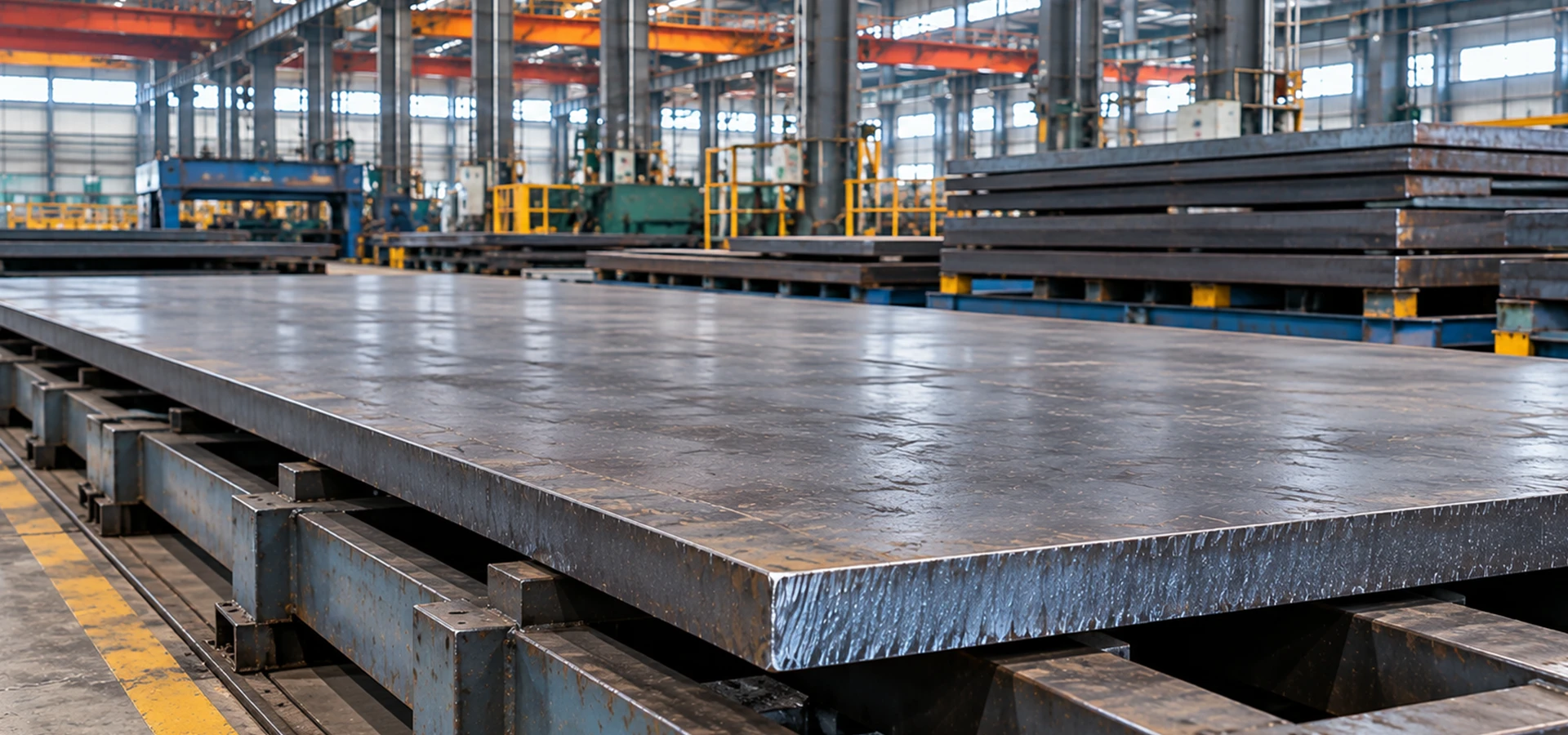
Grade 70 is selected by the approved pressure-equipment design. Confirm the actual plate dimensions, heat treatment and testing in the purchase order.
| Purchase item | What to specify for your order |
|---|---|
| Material grade | ASTM A516/A516M Grade 70; specify ASME SA-516/SA-516M Grade 70 explicitly if project documentation requires ASME material designation. |
| Thickness (mm) | Provide nominal thickness and tolerance. Typical RFQ examples: 12, 20, 32, 40, 50 and 60 mm. Actual thickness availability is quoted per mill. |
| Width × length (mm) | State finished sizes, rolling direction / cutting allowance, dimensional tolerances and whether full-size plate or cut blanks are required. |
| Delivery condition | As-rolled, normalized, or specified project route as permitted by the applicable material standard and order requirements. |
| Inspection / testing | Tension tests, chemical analysis, optional Charpy V-notch, ultrasonic testing, simulated PWHT tests or HIC by agreed scope. |
| Traceability | Heat number, plate identification, producing steelworks, test results, MTC and any project inspection release. |
| Commercial terms | Quantity (MT), destination, delivery window, packing and Incoterm. |
A516 does not set a single universal mill stock range. ASTM A516/A516M-25 states that allowable maximum plate thickness depends on meeting the chemical and mechanical requirements; supply range is verified for the selected steelworks and route.
Send thicknesses, width × length, total tonnage and required inspection conditions in one RFQ.
Use Grade 70 strength and elongation requirements with the actual specimen dimensions and thickness-adjustment rules.
| Property | Grade 70 reference | Procurement note |
|---|---|---|
| Minimum yield strength | 260 MPa | ASTM SI specification. |
| Tensile strength | 485–620 MPa | Grade 70 required range. |
| Elongation in 50 mm (2 in.) | 21% minimum | Apply A20/A20M thickness and specimen rules. |
| Elongation in 200 mm (8 in.) | 17% minimum | Not interchangeable with 50 mm gauge results. |
| Steelmaking | Killed, fine-grain practice | Verify heat analysis and certificate. |
Grade 70 is often requested as ASTM A516 Gr.70 or ASME SA-516 Gr.70. The project code, applicable standard edition and certified material designation must be specified; a commercial “equivalent” claim does not replace the correct certification route.
Composition limits can depend on nominal plate thickness and the applicable specification. Always match heat analysis against the correct grade and purchase edition.
| Element | Control for A516 Gr.70 orders |
|---|---|
| Carbon (C) | Heat-analysis C max: ≤0.27% (t ≤12.5 mm), ≤0.28% (12.5–50 mm), ≤0.30% (50–100 mm), ≤0.31% (above 100 mm). |
| Manganese (Mn) | Heat analysis 0.85–1.20%; an allowed C/Mn adjustment may change the upper limit under the standard. |
| Silicon (Si) | Heat analysis 0.15–0.40%. |
| Phosphorus (P) | ≤0.025% reference maximum; projects may specify a tighter limit. |
| Sulfur (S) | ≤0.025% reference maximum; lower-sulfur or sour-service requirements are quoted separately. |
| Carbon equivalent (CEV) | Specify a project maximum or supplementary requirement when weldability control is required. |
For pressure-containing equipment, the material certificate should identify the heat number and corresponding chemistry. Grade 70 reference limits include thickness-dependent carbon maxima, 0.85–1.20% Mn, 0.15–0.40% Si and 0.025% maximum P/S. Confirm the ordered edition, permitted composition adjustments and any agreed supplementary conditions.
Plate thickness and notch-toughness requirements influence whether the material is supplied as-rolled or normalized.
Plates 40 mm and under are normally supplied as-rolled, subject to the applicable standard and project testing conditions. Normalized plate can be ordered.
A516 plates above 40 mm fall under the standard normalizing requirement. Specify any additional heat-treatment and certification conditions in the purchase order.
For plates 40 mm and under ordered with notch-toughness testing, the normalizing provisions and purchaser exceptions need to be checked with the material specification.
A516 Gr.70 is designed for pressure-vessel service where notch toughness matters, but the steel grade alone does not guarantee one fixed low-temperature Charpy value.
Pressure-equipment buyers choose plate by design code, weldability, material traceability, testing and required dimensions.
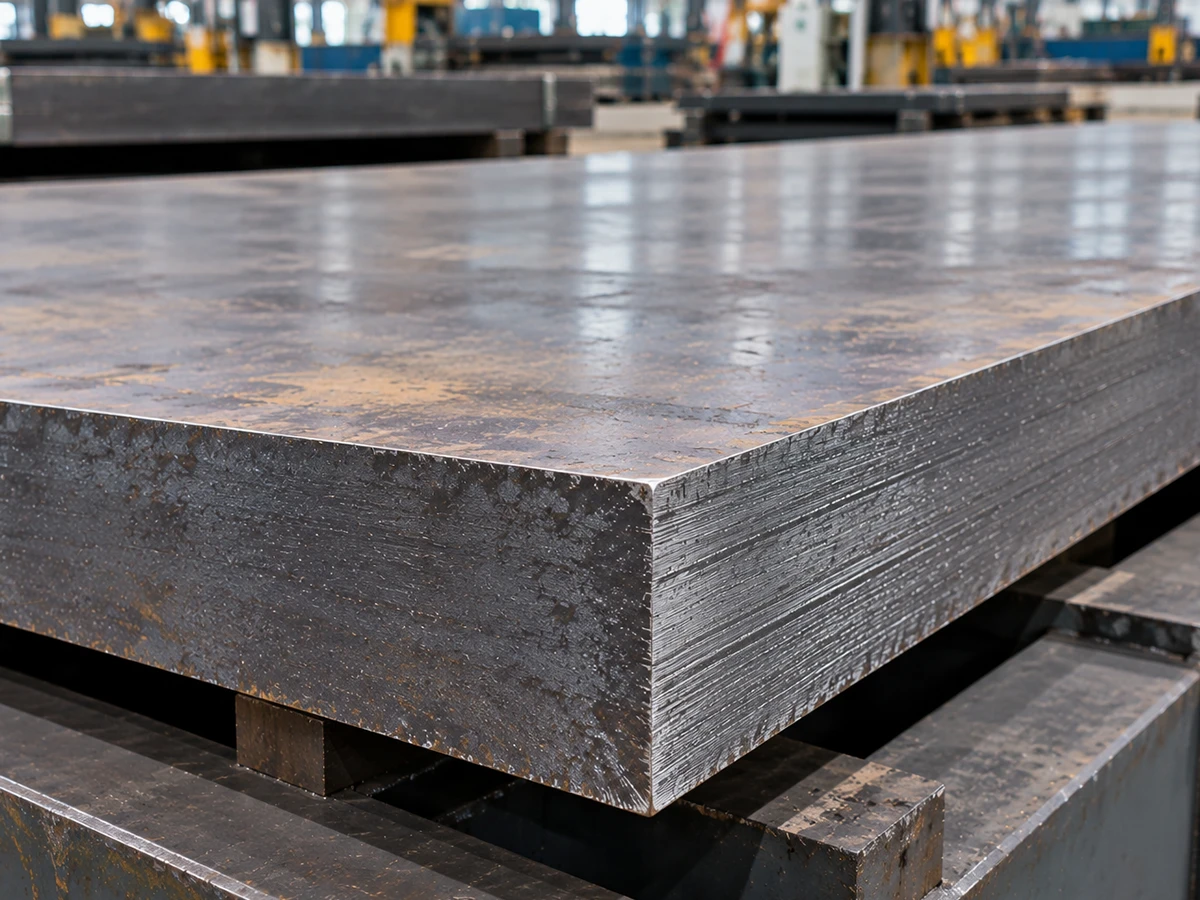
Plate prepared for forming, welding and approved vessel fabrication procedures.
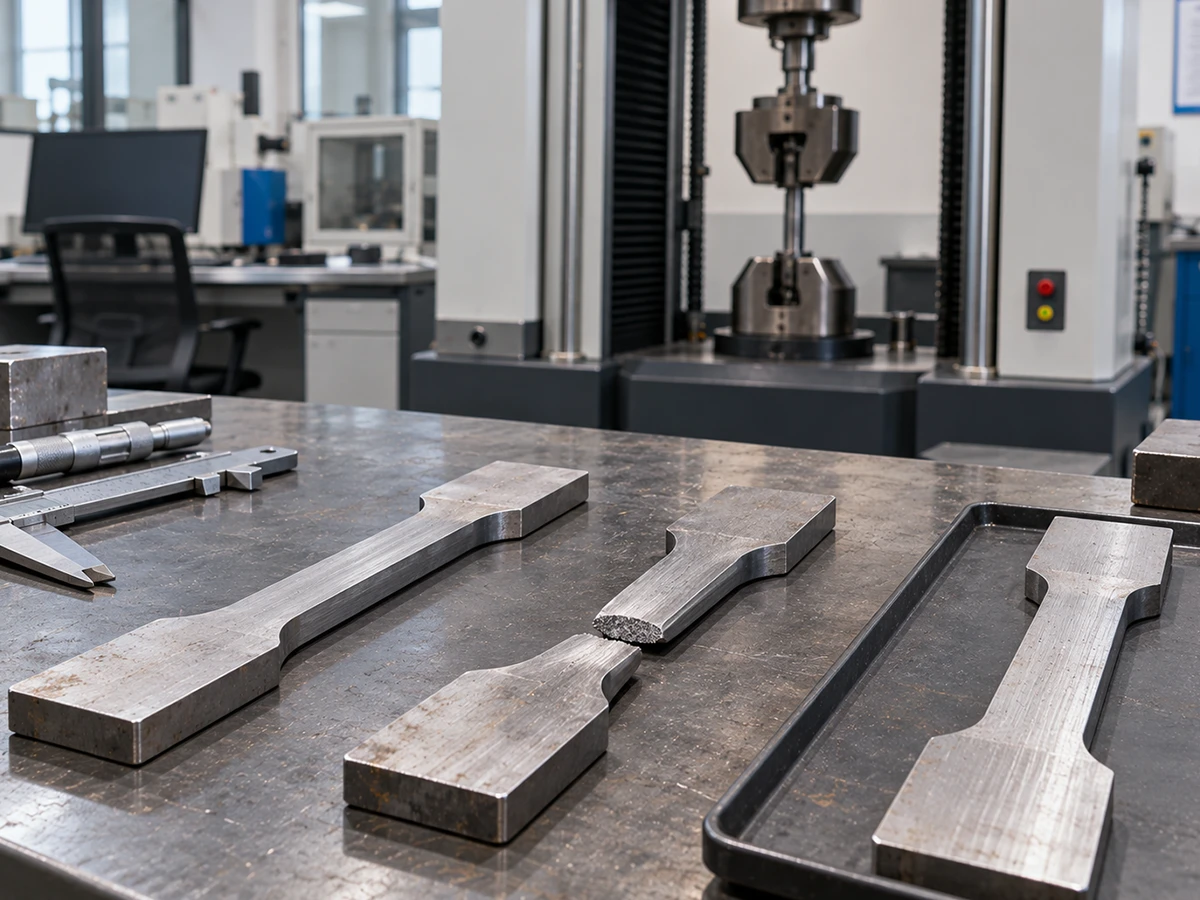
Material for qualifying pressure equipment and tank projects where specified by the design.
Shell courses, formed heads and welded assemblies.
Material where the project permits the specified Grade 70 route.
Oil & gas, chemical plant and mechanical equipment fabrications.
Full-size plate supply and project-cut blanks with retained heat identity.
Good fabrication begins with a compatible material condition and clear welding requirements. The purchaser and fabricator should align the plate MTC, welding procedure qualification, forming route and inspection plan before cutting.
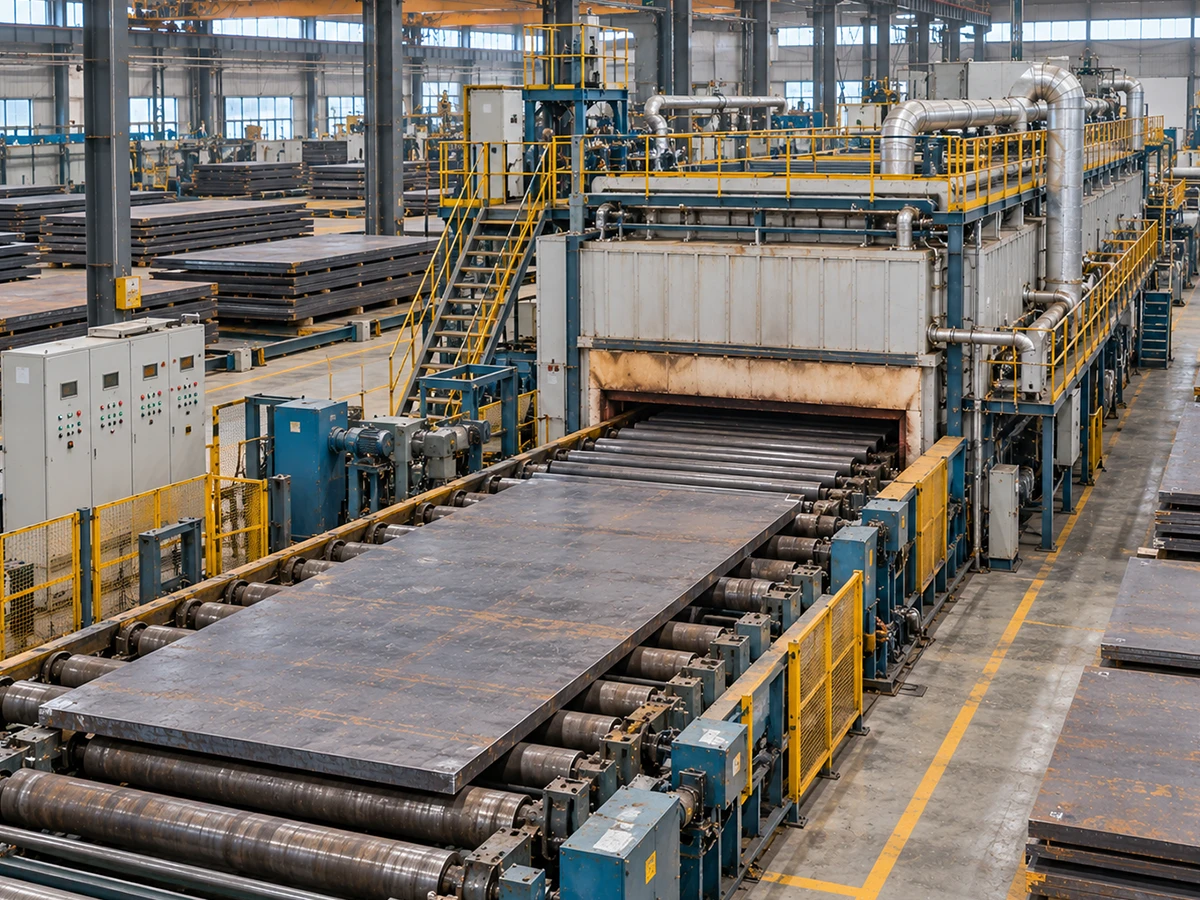
Use project-approved welding and heat-treatment procedures; material selection alone does not certify a completed vessel.
Coordinate specifications, supplier documentation, plate dimensions and logistics through one commercial contact.
Actual annual production across the wider company steel business; not presented as A516-specific output.
Company-wide routine inventory across steel categories. Grade 70 stock is confirmed separately.
Company-wide operating area supporting manufacturing, material handling and logistics.
Organization-wide workforce supporting production, processing, service and shipment coordination.
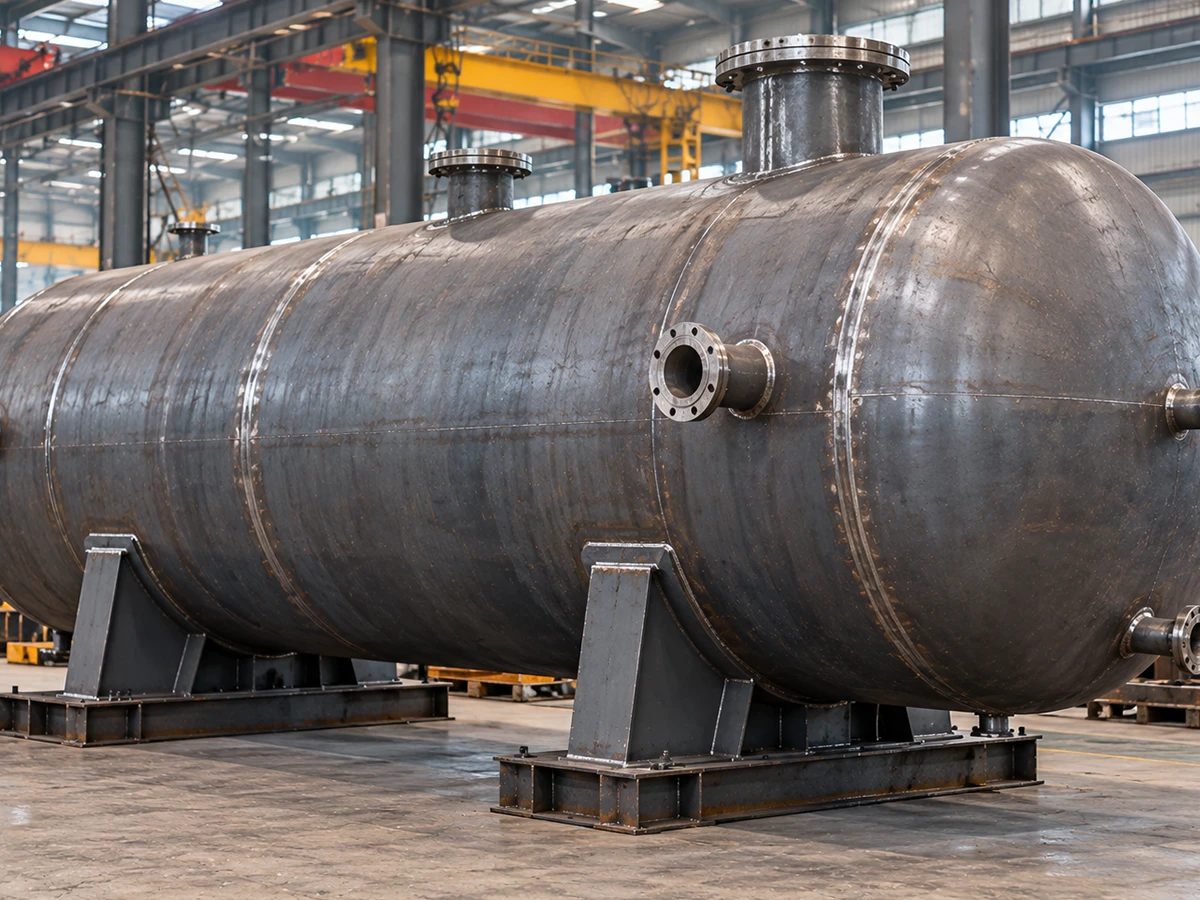
Plate manufacturing, normalization, inspection and certification need to match the purchase specification. BAOSTEEL METAL coordinates the supplier route and documentation against the requested application.
Send the plate schedule for a source-specific offer; stock, rolling route and lead time depend on actual dimensions and testing requirements.
Check actual Grade 70 heat, size, certificate, quantity and whether the existing delivery condition fits the order.
Coordinate production for required dimensions, normalization and specific testing with the nominated mill.
Arrange approved cutting and retain traceability records where the buyer needs blanks or an assembly plate list.
For complex vessel orders, attach the material list and technical purchase conditions.
A buyer should be able to compare the MTC against the grade, plate dimensions, heat, manufacturing condition and all specified tests before release.
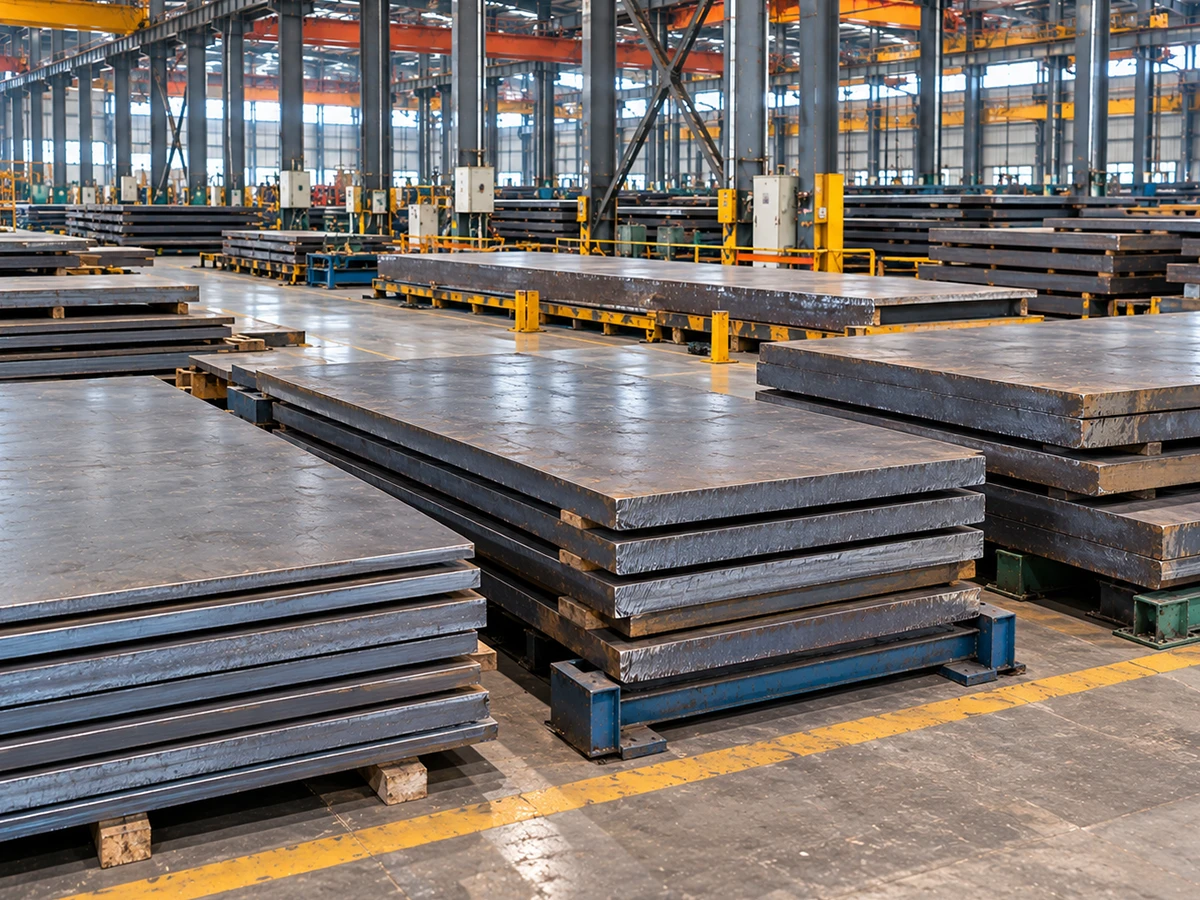
Image position for real quality-control or plate-marking evidence. Use original or authorized photographs.
Some projects need testing beyond the normal Grade 70 material designation. Specify the actual test method and acceptance criteria before a source is approved.
Where ordered, define the examination method, acceptance level, plate coverage and report requirement (for example, the agreed ASTM UT route).
Hydrogen-induced cracking tests, product route and acceptance criteria are project-specific and must be quoted separately. A standard Gr.70 MTC is not an HIC approval.
Request simulated fabrication heat cycles and mechanical testing when required by the vessel design or procurement specification.
Estimate theoretical plate weight from nominal dimensions to help prepare the RFQ; actual invoice weight follows commercial and measured tolerances.
Formula: thickness × width × length × plate quantity × 7.85 × 10⁻⁹ = metric tonnes (dimensions in mm; nominal density 7,850 kg/m³). Excludes cutting loss and commercial tolerances.
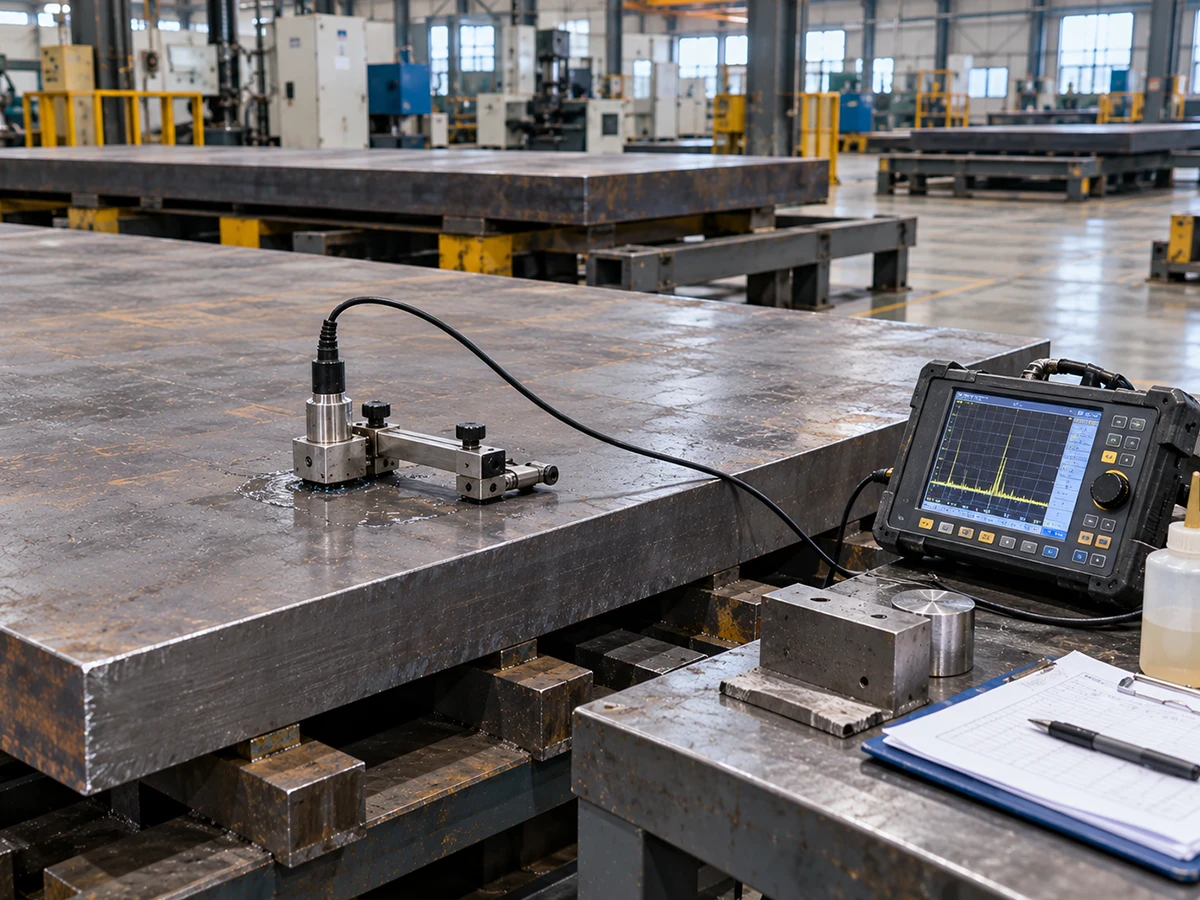
Use nominal dimensions only for preliminary weight estimation; check weighing and tolerances at dispatch.
Processing is coordinated where it improves project preparation, while preserving the material identity required by the purchaser.
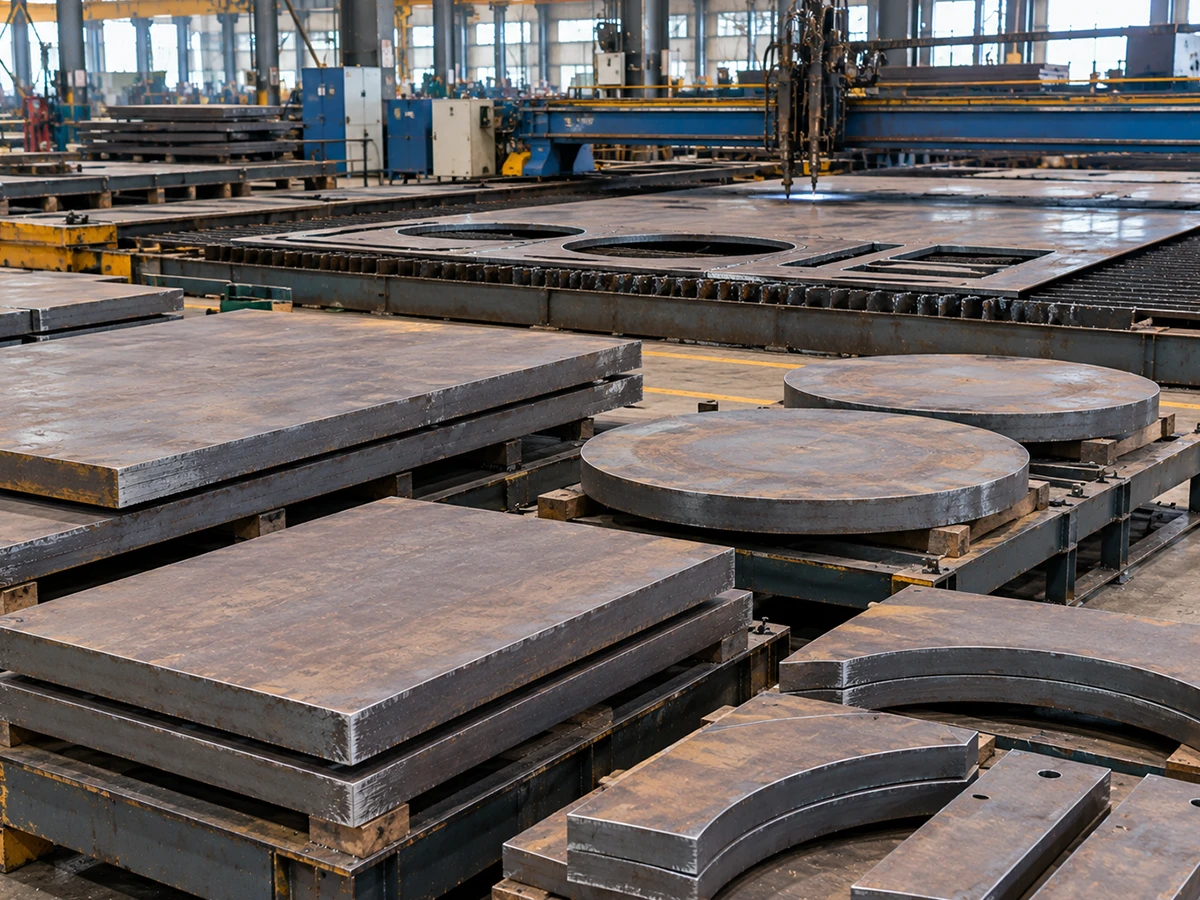
Thickness, geometry, edge quality and subsequent welding control determine the processing route. We can review cut-list feasibility with the specified mill condition and tolerance requirements.
Match the shipment to receiving-site handling requirements, identification rules and the agreed Incoterm.
For plate lots, review lifting, securing, surface condition, shipping marks and certificate attachments before dispatch. The shipment record should retain heat-to-plate traceability.
Select the governing material specification first. Similar application does not make two grades interchangeable.
Related-grade cards are intentionally non-clickable until the corresponding WordPress product pages are published. Add actual internal URLs in the HTML before launch, and avoid sending buyers to draft-page 404s.
If your project has a vessel code, MDMT, PWHT or sour-service requirement, specify it before comparing plate prices.
It is a carbon-manganese pressure vessel quality plate specified for welded pressure vessels and appropriate equipment or tank projects, subject to the governing design code and material selection.
The ASTM SI minimum yield strength is 260 MPa and the tensile strength range is 485–620 MPa. The 50 mm and 200 mm gauge-length elongation criteria differ; the MTC is checked against the ordered specification.
Plates over 40 mm are normally required to be normalized under the material standard. At 40 mm and below, as-rolled is normal unless a normalized condition or notch-toughness provisions apply.
No fixed −40°C energy guarantee follows solely from the grade name. The purchaser specifies the required Charpy temperature, energy, orientation and applicable testing conditions.
State the ASME/ASTM certification wording and code edition in the RFQ. We will check whether the proposed producing mill, material documents and delivery route support the specified order.
A516 Gr.70 by itself does not establish HIC resistance or sour-service suitability. Include the applicable project testing method, acceptance limits and required mill route for a qualified quote.
Include the UT method, acceptance level, witness points and third-party requirements in the purchase order. Specific availability is confirmed for the source and plate thickness.
Send grade and edition, thickness × width × length, tonnage, heat treatment, test/inspection scope, project code, destination port and target delivery schedule.
Send your required grade, dimensions, quantity and destination. Our team will review the inquiry.