Global Steel Supply & Processing
Source A588 Grade A structural plate to ASTM A588/A588M-24. Check thickness-dependent yield strength, Grade A chemistry, mill certificates and cutting requirements before arranging shipment. Unpainted use depends on the service environment and structure detailing.
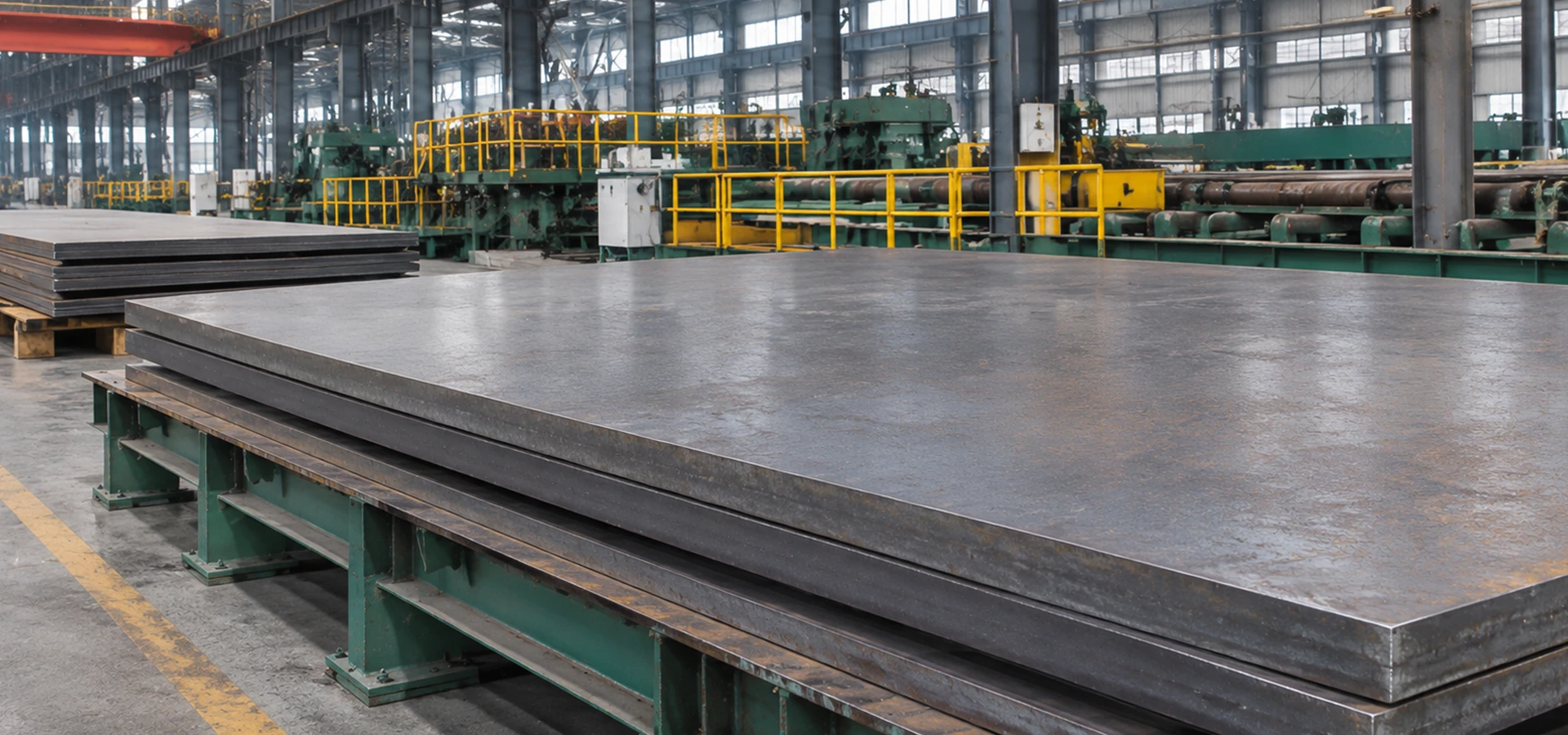
Use the precise ASTM Grade A designation, ordered dimensions and MTC scope rather than relying on a generic “weathering steel” description.
| Order item | What to specify or check |
|---|---|
| Product name | ASTM A588 Grade A Weathering Steel Plate; not generic Corten steel |
| Standard edition | ASTM A588/A588M-24 and ASTM A6/A6M where applicable |
| Strength / thickness | 345 MPa minimum yield up to 100 mm; reduced yield limits at greater thickness |
| Thickness scope | ASTM A588 covers material up to 200 mm; confirm the actual plate mill offering |
| Size and tolerance | Thickness × width × length; plate flatness, surface, sheared/flame-cut edges and ASTM A6/A6M tolerances |
| Finish / patina | Specify whether as-rolled, blast cleaned, preweathered or painted is required; confirm any process separately |
| Test documents | Grade and heat identity, heat analysis, yield/tensile/elongation, and supplementary testing if ordered |
| Outdoor use | Check drainage, chloride exposure, wet/dry cycles, adjacent materials and runoff staining design |
Nominal ranges and standard limits are not a claim of warehouse availability. Final certification, dimensional tolerances and optional tests follow the contract and actual producing mill.
The 50 ksi / 345 MPa designation applies to plates up to 100 mm; thicker plates use different specified minima.
| Plate thickness | Yield point (min.) | Tensile strength (min.) | Elongation, 50 mm (min.) |
|---|---|---|---|
| ≤100 mm (≤4 in.) | 345 MPa / 50 ksi | 485 MPa / 70 ksi | 21% |
| >100–125 mm (>4–5 in.) | 315 MPa / 46 ksi | 460 MPa / 67 ksi | 21% |
| >125–200 mm (>5–8 in.) | 290 MPa / 42 ksi | 435 MPa / 63 ksi | 21% |
A 150 mm Grade A plate is specified to the 290 MPa minimum yield class, while a 40 mm plate is in the 345 MPa class. Ask for actual tensile values and specimen thickness on the MTC.
ASTM A588 does not set a universal −20°C or −40°C Charpy guarantee for every Grade A order. If the drawing needs CVN testing, define temperature, energy, orientation, sampling and governing code in your RFQ.
We will confirm grade, thickness band, available mill sizes and the required test documentation.
The combination of copper, chromium and vanadium distinguishes Grade A from conventional carbon structural plate and from A588 Grades B/K.
| Element | Grade A reference, mass % | Procurement focus |
|---|---|---|
| Carbon (C) | ≤0.19 | Strength and fabrication chemistry |
| Manganese (Mn) | 0.80–1.25 | Subject to the standard’s permitted carbon–manganese adjustment |
| Silicon (Si) | 0.30–0.65 | Heat analysis |
| Chromium (Cr) | 0.40–0.65 | Atmospheric corrosion behavior |
| Copper (Cu) | 0.25–0.40 | Weathering alloy addition |
| Vanadium (V) | 0.02–0.10 | Strengthening alloy addition |
| Nickel (Ni) | ≤0.40 | Heat-analysis limit |
| Phosphorus (P) | ≤0.030, standard plate baseline | Different allowance can apply to narrow plates; verify current standard and product form |
| Sulfur (S) | ≤0.030, standard plate baseline | Different allowance can apply to narrow plates; verify current standard and product form |
The chemical values above are commonly published Grade A heat-analysis references, based on documented A588 tables. The 2024 standard and purchase order govern acceptance. Plate width and material-form exceptions may apply to P/S; use the mill certificate for contract compliance. A588 Grade A and Grade B have different chemical tables.
Under appropriate exposure, alloying elements can support a more protective oxide layer than ordinary carbon steel. Performance requires drainage and alternating wet/dry exposure.
Newly delivered hot-rolled A588 plate does not arrive with a universally uniform mature patina. Surface appearance evolves with weathering cycles, local pollution, cleaning and exposure. Final color and timing vary with site conditions.
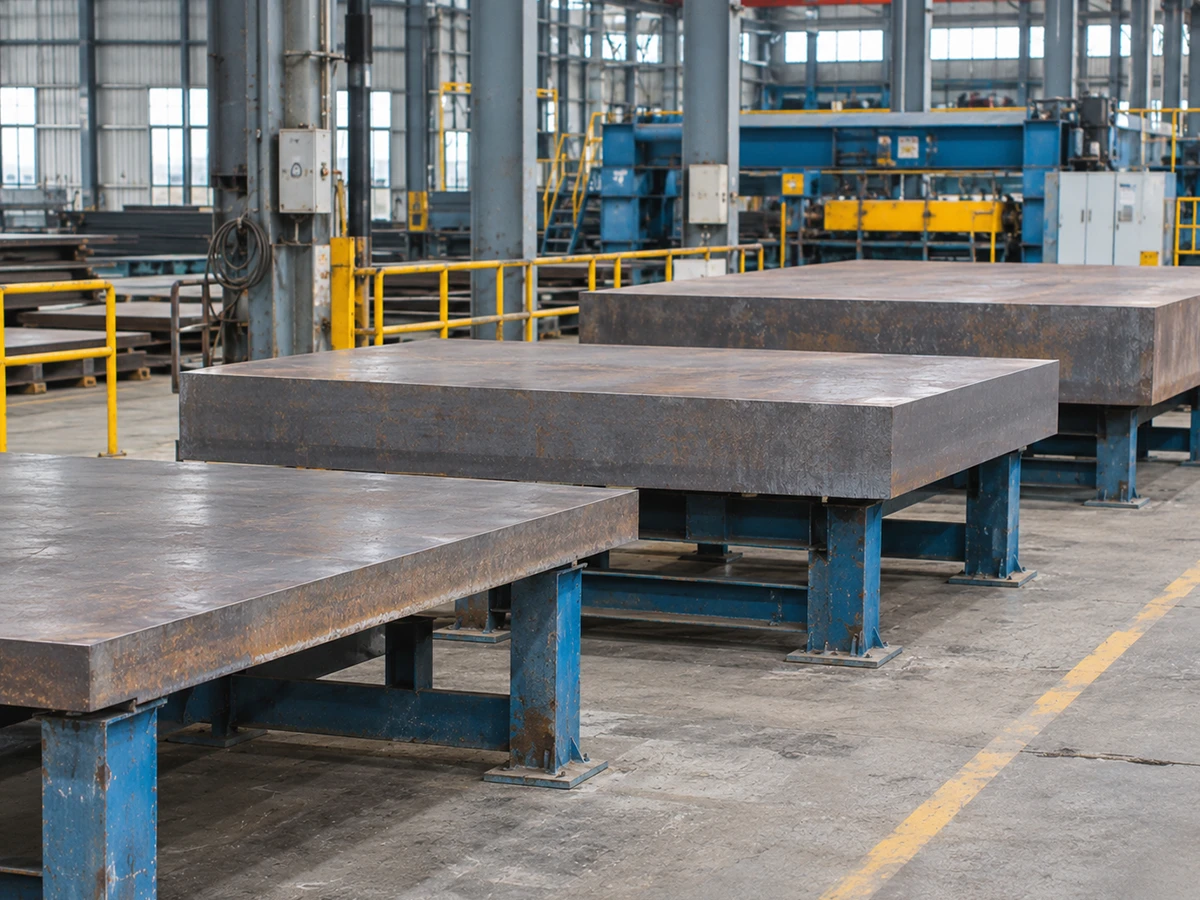
Open-air architectural, structural and landscape projects can benefit from weathering plate where the design supports air circulation, intermittent wetting and drainage.
Coastal salt spray, persistent dampness, stagnant water, contaminated runoff and enclosed crevices can undermine patina performance. Consider protective coating or an alternative material where project assessment requires it.
Specify the alloy steel for strength, atmospheric exposure and project code. The ultimate material selection remains with the design engineer.
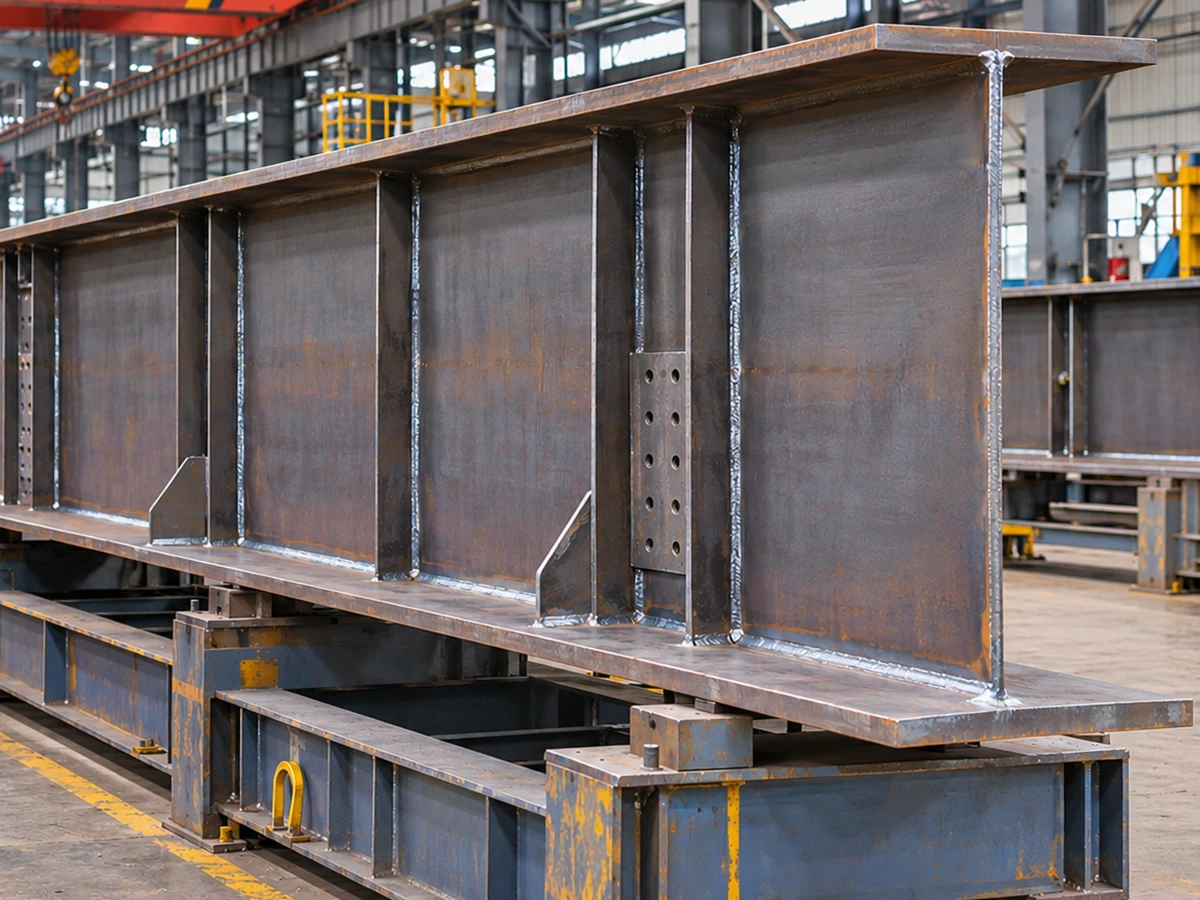
Girders, diaphragms and structural connection plate where A588 is accepted by the project specification. Bridge-code toughness and testing may require a separate A709 route.
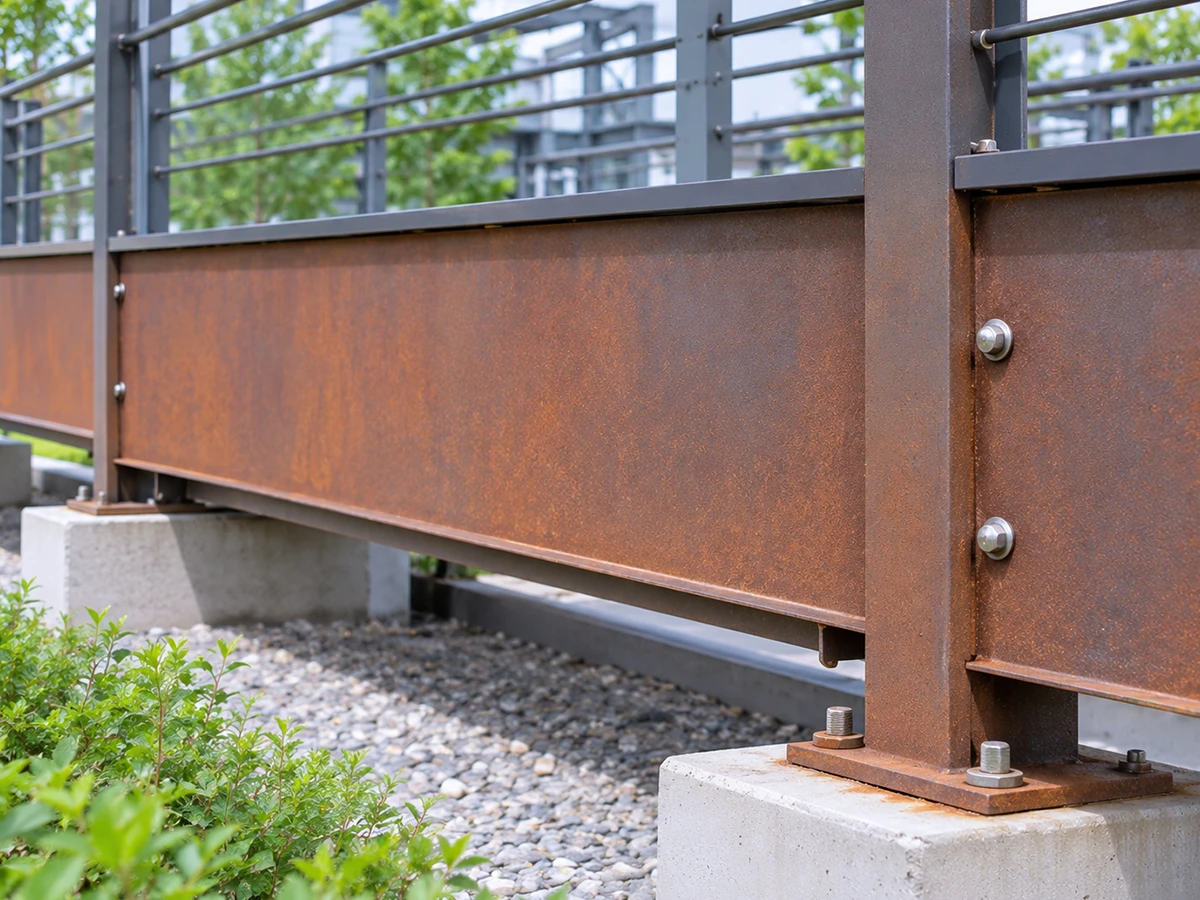
Exposed panels, public-space structures, structural frames and landscape features designed for visible weathering and runoff management.
Exposed structural parts and machinery supports with project-specific corrosion, fatigue and maintenance evaluation.
Structural plate, ribs and built-up sections for open-air service where code acceptance and welding details are specified.
Support plates and exposed steelwork requiring mechanical certification and assessment of local de-icing and chloride exposure.
Custom shapes and visible structural components with agreed surface finish, drainage and staining controls.
Weathering steel is supplied with a material grade; its surface finish is a separate purchase requirement.
Standard plate surface and edge conditions agreed with the supplying mill. Surface scale may be present prior to blasting or exposure.
Specify blasting standard, profile, cleanliness, rust-removal scope and any subsequent treatment or coating.
Only when offered by the processing supplier; define treatment, visual acceptance, runoff control and handling conditions.
Fabrication parameters depend on plate thickness, actual chemistry, connection geometry, weld procedure and structural code.
Use qualified welding procedures and compatible consumables for both design performance and exposed-joint appearance. A matching weathering weld-metal requirement may be relevant to visible uncoated joints.
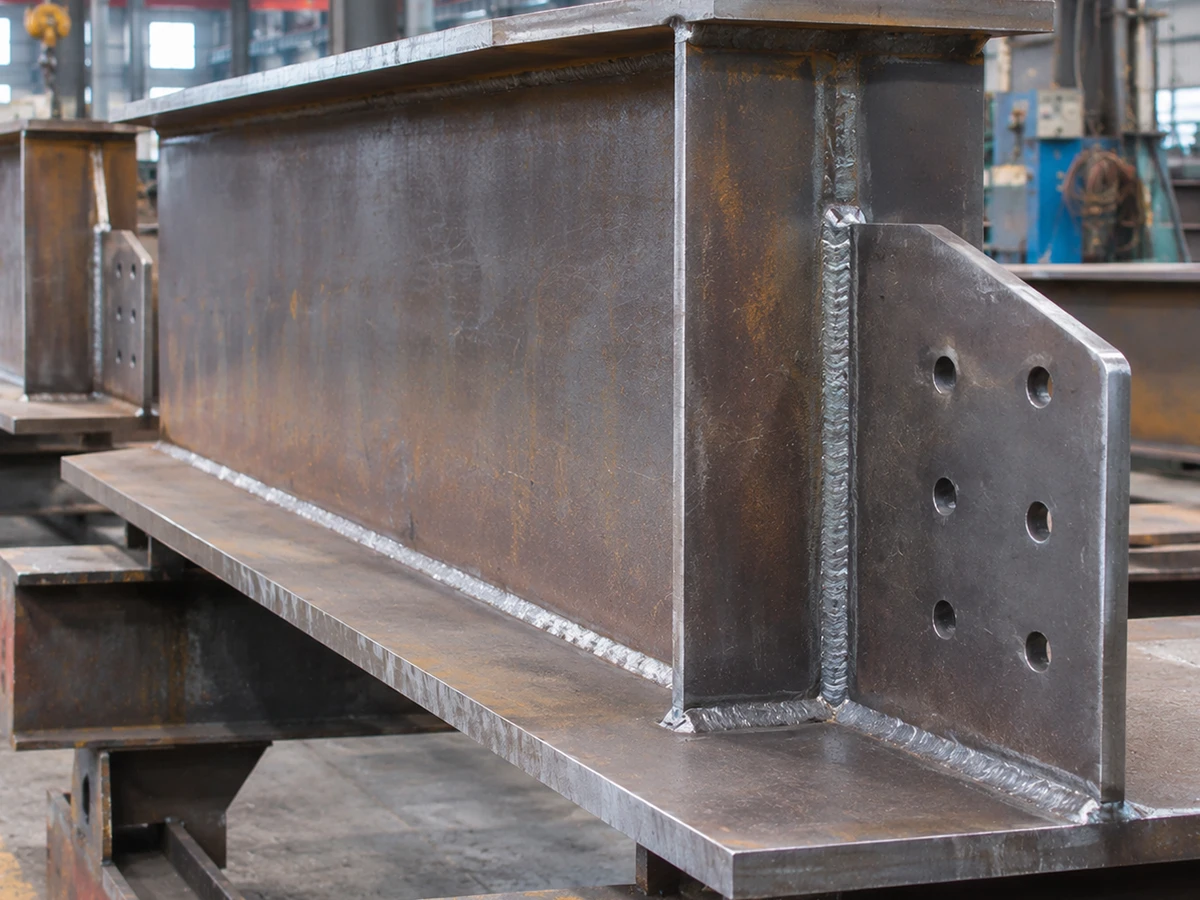
AWS, AASHTO or other project codes may specify independent joint toughness and welding acceptance rules. ASTM A588 material compliance by itself does not replace structural design qualification.
Work with one contact to check the material source, test documents, sizes, surface requirements, cutting route and shipping plan.
Request exact Grade A identity, producing mill and batch data before allocating materials to the order.
Match thickness, width, length, edge condition, tolerances and bundle or plate quantities to the buyer’s drawing.
Review MTC requirements and agreed Charpy, UT or third-party inspection before order release.
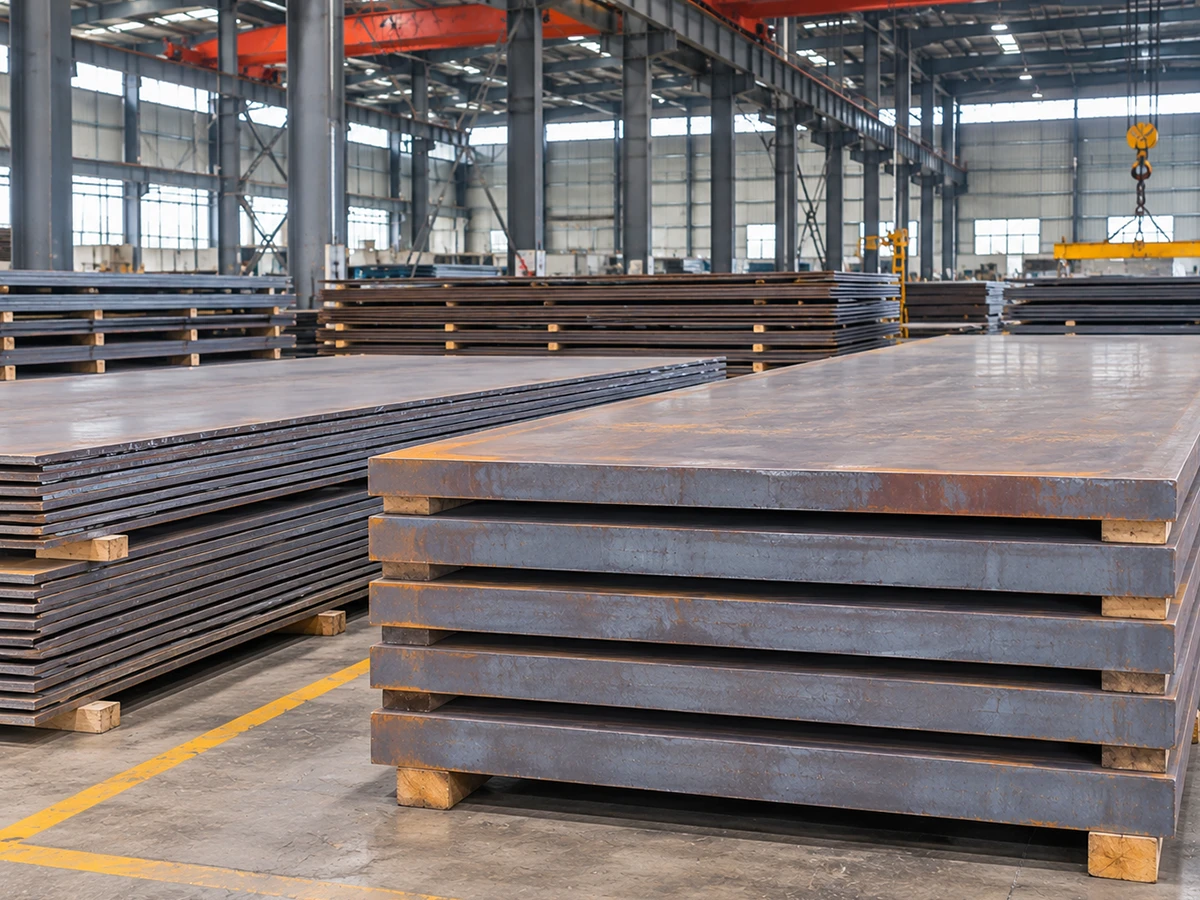
Arrange packing, plate identification, documentation and suitable loading format for destination and Incoterm.
Company-wide operating profile: annual steel output approximately 8 million MT; regular steel inventory approximately 1 million MT; industrial footprint approximately 500,000 m²; workforce 1,000+. These are whole-company indicators, not dedicated A588 Grade A stock, capacity or individual shipment guarantees.
Availability depends on the actual plate thickness, mill rolling schedule, finishing requirements and project timing.
For a new project, we review the requested ASTM edition, Grade A chemistry, available mill source, typical rolling formats and documents. Separate cut-to-size work can be evaluated before shipment.
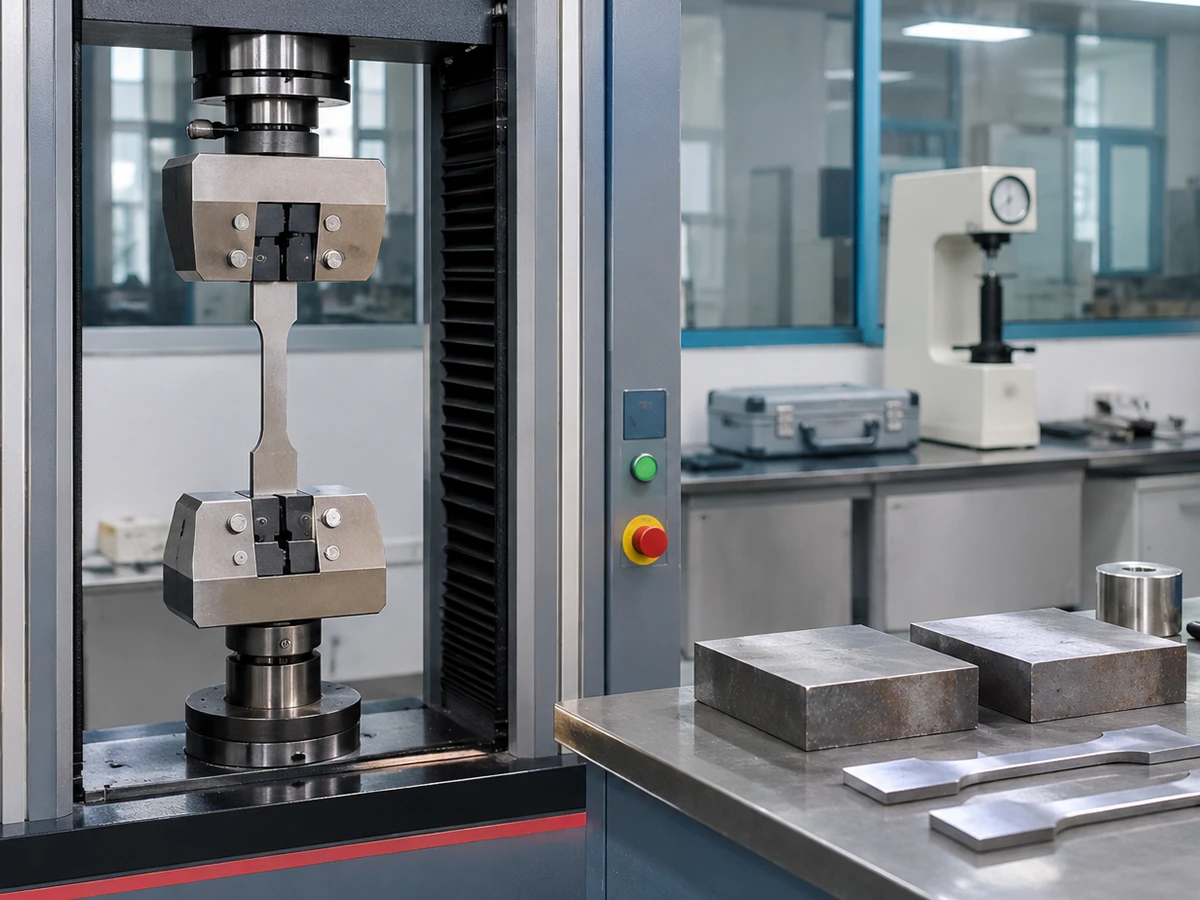
Ask for test evidence that can be matched to each supplied heat or plate lot. Additional project tests should be specified in the purchase order.
| Document or test | Buyer verification |
|---|---|
| ASTM product identity | ASTM A588/A588M-24, Grade A, plate dimensions and actual producer |
| Heat and plate traceability | Heat number, plate marks and quantity matched with packing list |
| Heat analysis | C, Mn, Si, Cu, Cr, V, Ni, P and S; applicable plate-width exception confirmed |
| Mechanical testing | Actual yield, tensile and elongation with test thickness identified |
| Dimensions and surface | Nominal dimensions and tolerance/flatness standard; agreed finish |
| Optional Charpy CVN | Temperature, joule value, sample orientation and sampling plan when specified |
| Optional ultrasonic testing | ASTM A435/A578 or other designated acceptance route when contractually required |
| Optional third-party survey | Scope, witnessing stages, certificate wording and agency nomination before dispatch |
Mill test certificates support order verification. If you need special toughness or third-party tests, send the drawing and acceptance method before the plate is allocated.
ASTM G101 may be used by engineers to estimate relative atmospheric corrosion resistance from alloy composition. It does not guarantee a specific field service life for every environment.
Estimate the theoretical weight of a plate list using a nominal density of 7,850 kg/m³. Quote tonnage and final invoicing may differ with actual dimensions and tolerance.
For reference only; ASTM A588 covers plates to 200 mm, and every requested size still needs mill availability confirmation.
Minor preparation can be arranged against an approved drawing. Discuss heat effects, edge quality and marking before cutting.
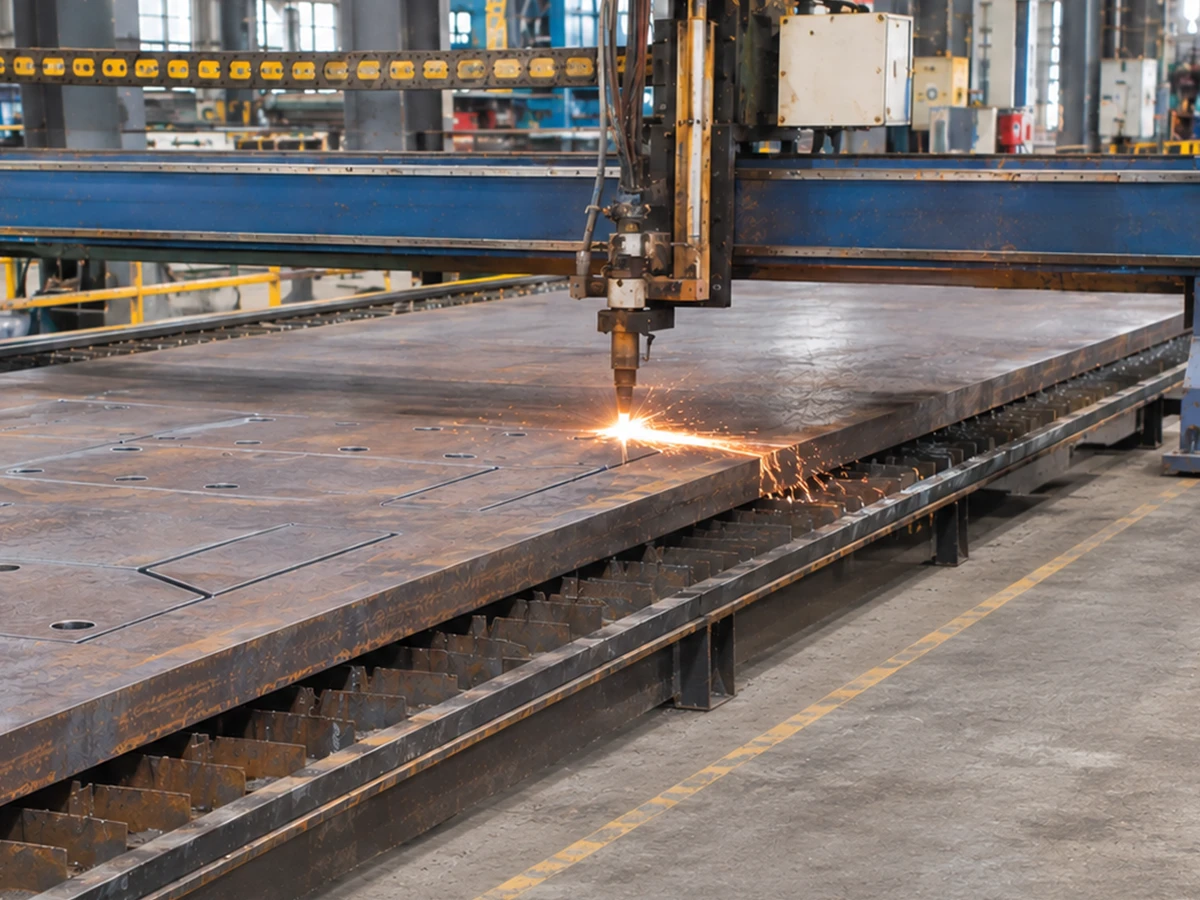
Cut blanks and larger structural profiles within equipment capacity; confirm heat-affected edge requirements.
Review gauge, cut quality and tolerances when laser processing is available for the specified plate.
Prepare weld bevels, bolt holes or match markings according to approved dimensions and heat traceability.
Protect geometry, traceability and finishes through the agreed packing and freight route.
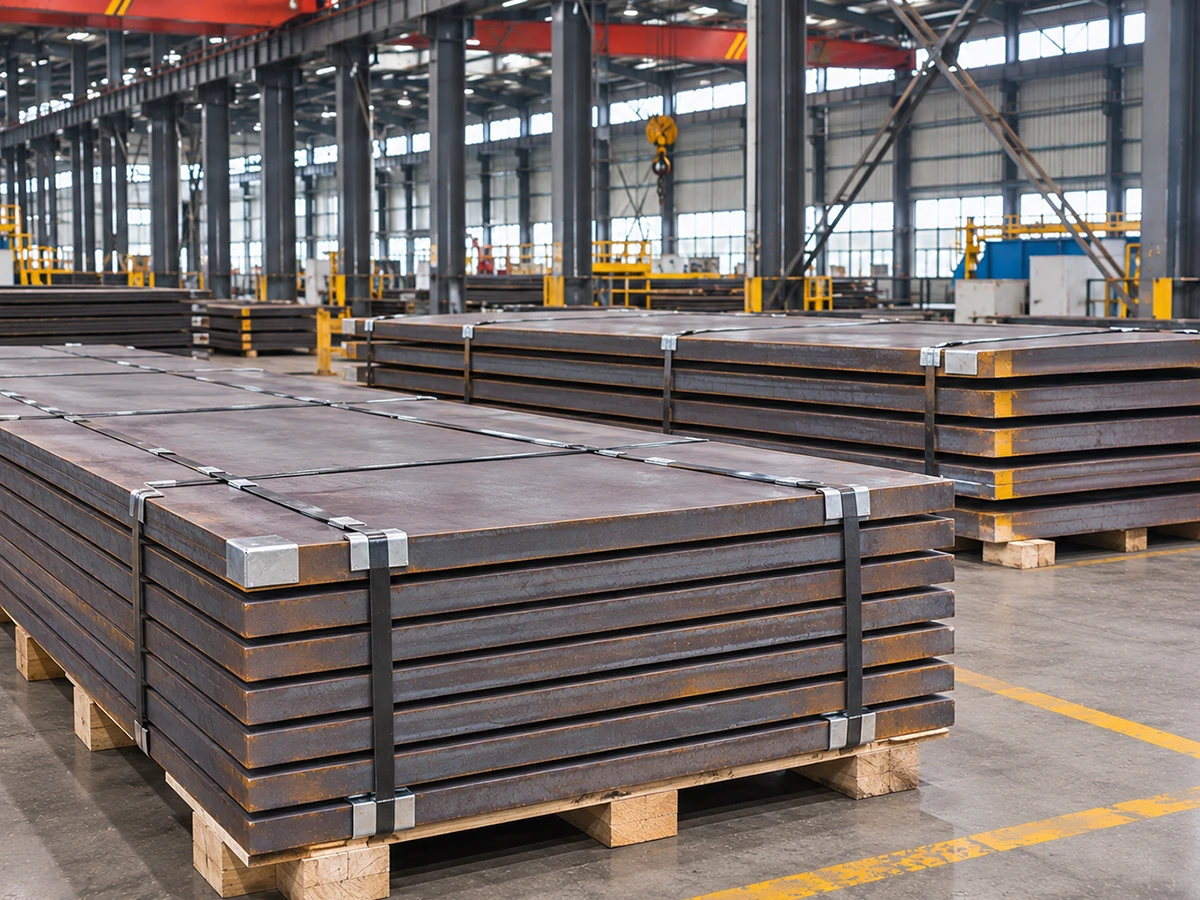
Depending on plate geometry, packing can include steel strapping, suitable timber supports, separation layers and labeled bundles. A specified preweathered surface may need special handling.
Consider different standards only under engineering approval. These cards do not assert that distinct product standards are direct substitutes.
GB/T 4171 atmospheric corrosion-resistant structural steel; confirm its own impact, mechanical and delivery requirements.
EN 10025-5 structural weathering steel with its own J2 impact and product inspection route.
A588 grades share some strength categories but have different Grade A/B/K alloy composition limits.
Bridge-specific weathering-steel grade under the A709 materials system. Check project CVN and code requirements.
Similar nominal yield class at certain gauges, but without the same A588 atmospheric corrosion requirements.
Common carbon structural steel for other design routes; not an A588 weathering-steel replacement.
Q355NH and S355J2W individual pages are planned next. Their cards can receive internal URLs after WordPress publishes them to avoid draft-page 404s.
The correct weathering steel order identifies both structural grade and expected exposure. Project-specific requirements control impact testing and unpainted use.
An ASTM high-strength low-alloy structural plate with specified atmospheric corrosion resistance. The product on this page follows ASTM A588/A588M-24 Grade A.
No. The Grade A plate minimum is 345 MPa through 100 mm, 315 MPa above 100–125 mm and 290 MPa above 125–200 mm.
The minimum tensile strength by thickness is 485 MPa through 100 mm, 460 MPa above 100–125 mm and 435 MPa above 125–200 mm.
A588 Grade A has defined low-alloy chemistry intended to improve atmospheric corrosion resistance relative to regular carbon structural steel in appropriate conditions.
In an appropriate open-air atmosphere with good drainage and compatible details, an unpainted design may be suitable. Coastal salts, persistent wetness and water traps require separate assessment.
As-rolled plate appearance varies. A mature protective patina develops after appropriate environmental exposure; deliberate preweathering treatment is a separate product finish.
No single universal test temperature and energy are guaranteed for every purchase. Define project CVN and sampling requirements when needed.
Not automatically. The drawing and applicable design authority must accept the exact material standard, strength, toughness, welding and corrosion criteria.
Specify a mill test certificate covering heat identity, ASTM grade, chemistry and tensile test results, with any supplementary CVN or UT documents agreed before supply.
Cutting and basic preparation may be quoted according to available workshop capacity, drawing revision, edge acceptance and heat traceability.
Provide ASTM A588/A588M edition, thickness/width/length, quantities, finish, exposure details, fabrication requirements, optional tests, destination and delivery term.
Send your ASTM A588/A588M-24 order, drawing, plate dimensions, tonnage, surface finish, impact/UT requirements and delivery destination. We verify mill availability, documentation and preparation options before quotation.
Send your required grade, dimensions, quantity and destination. Our team will review the inquiry.