
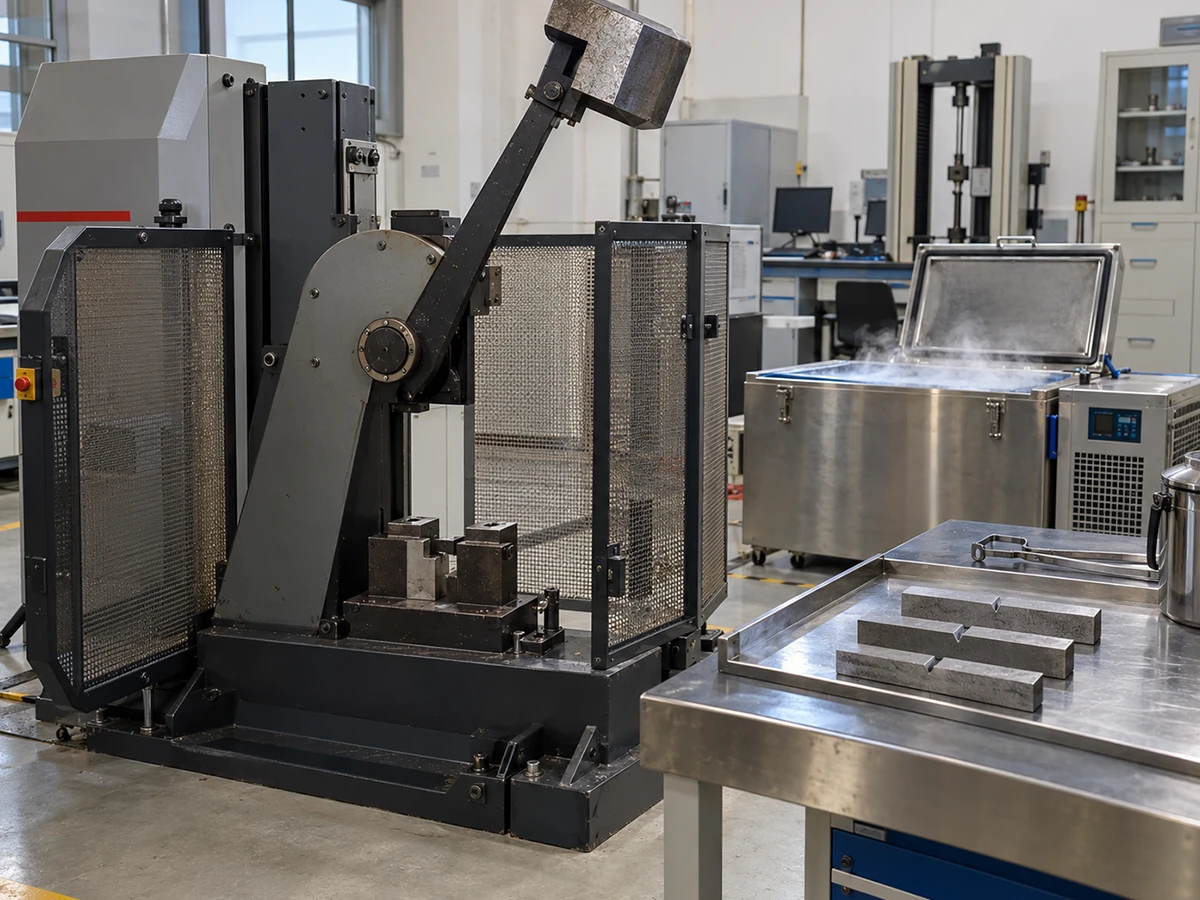
Plate Finish & Edge Condition
Agree plate condition, edge preparation and dimensional requirements in the RFQ.
Original Hardox® 500 Tuf is manufactured by SSAB. Material availability and source documentation are reviewed against each enquiry.
Share your plate sizes, quantity, required traceability and destination. Review supply feasibility and order terms for genuine SSAB-manufactured wear plate.
For authentic branded material, producer identity and documentation form part of the sourcing check.
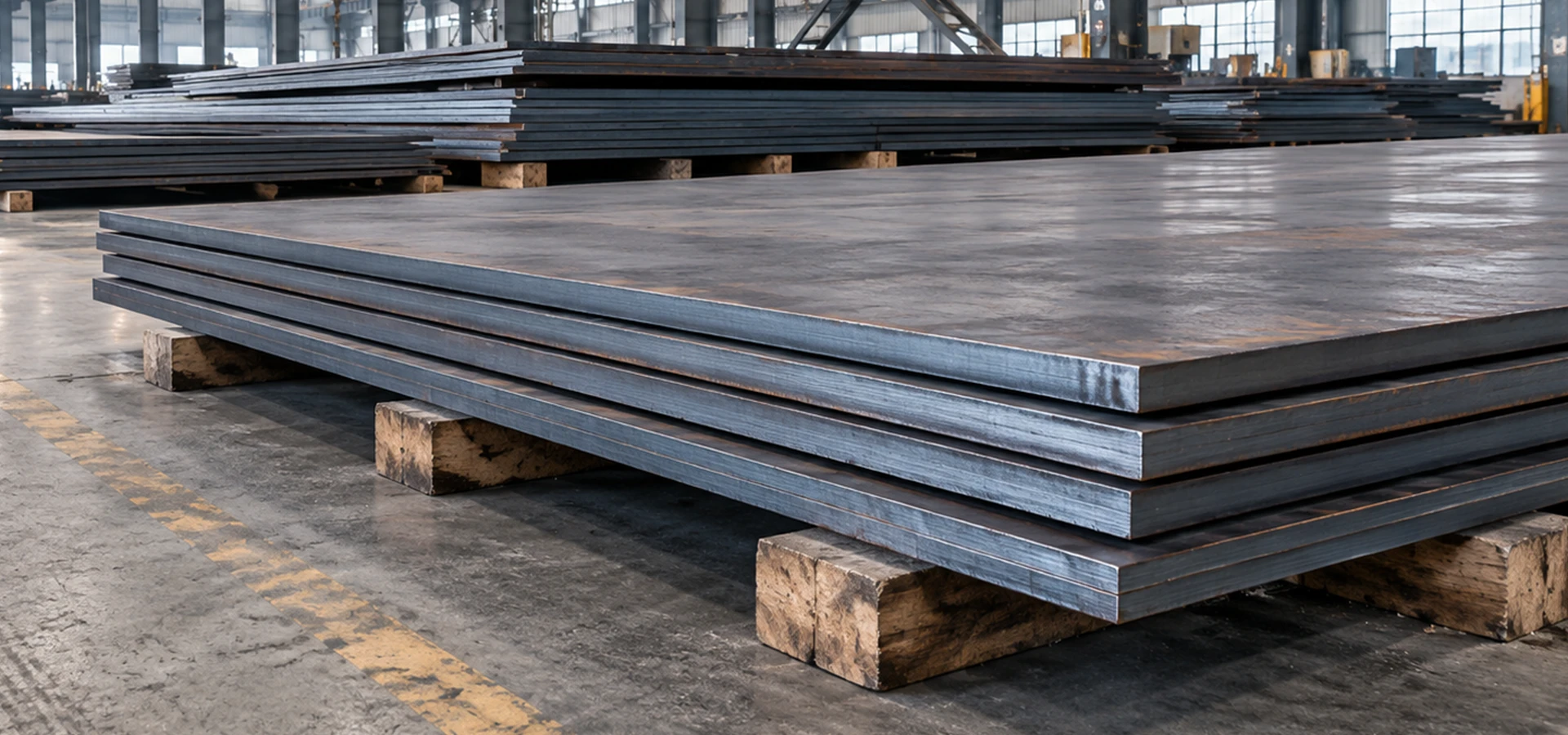
Review the producer’s guaranteed properties separately from typical mechanical data when preparing your purchase specification.
| Product designation | Hardox® 500 Tuf wear plate |
| Manufacturer | SSAB |
| Product category | Through-hardened abrasion-resistant steel |
| Plate thickness | 4.0–38.1 mm (SSAB dimension program) |
| Sheet thickness | 2.0–7.0 mm (separate sheet product) |
| Guaranteed hardness | 475–505 HBW |
| Typical yield strength | Approx. 1370 MPa — typical reference value |
| Typical tensile strength | Approx. 1600 MPa — typical 20 mm plate reference |
| Delivery condition | Quenched or quenched and tempered |
| Plate shape and flatness | SSAB Hardox® guarantees; applicable EN 10029 provisions |
| Producer documentation | Original material identity, heat information and the specified test documentation |
Set the material identification and grade verification expectations at the first quotation stage.
For this grade, the guaranteed transverse impact-test temperature depends on the thickness of the supplied material.
| Plate thickness | Guaranteed transverse Charpy V impact |
|---|---|
| 6.0–8.0 mm | 27 J at −40°C |
| 8.1–38.1 mm | 27 J at −20°C |
SSAB specifies Brinell hardness of 475–505 HBW, measured according to its product test method. Its through-hardened wear plate has a core-hardness guarantee expressed relative to the minimum surface hardness.
Manufacturer source: SSAB Hardox® 500 Tuf product data. The ordered thickness, producer’s current documentation and test method govern final acceptance.
Review the surface condition and plate edges alongside your required hardness and traceability documentation.
Agree plate condition, edge preparation and dimensional requirements in the RFQ.
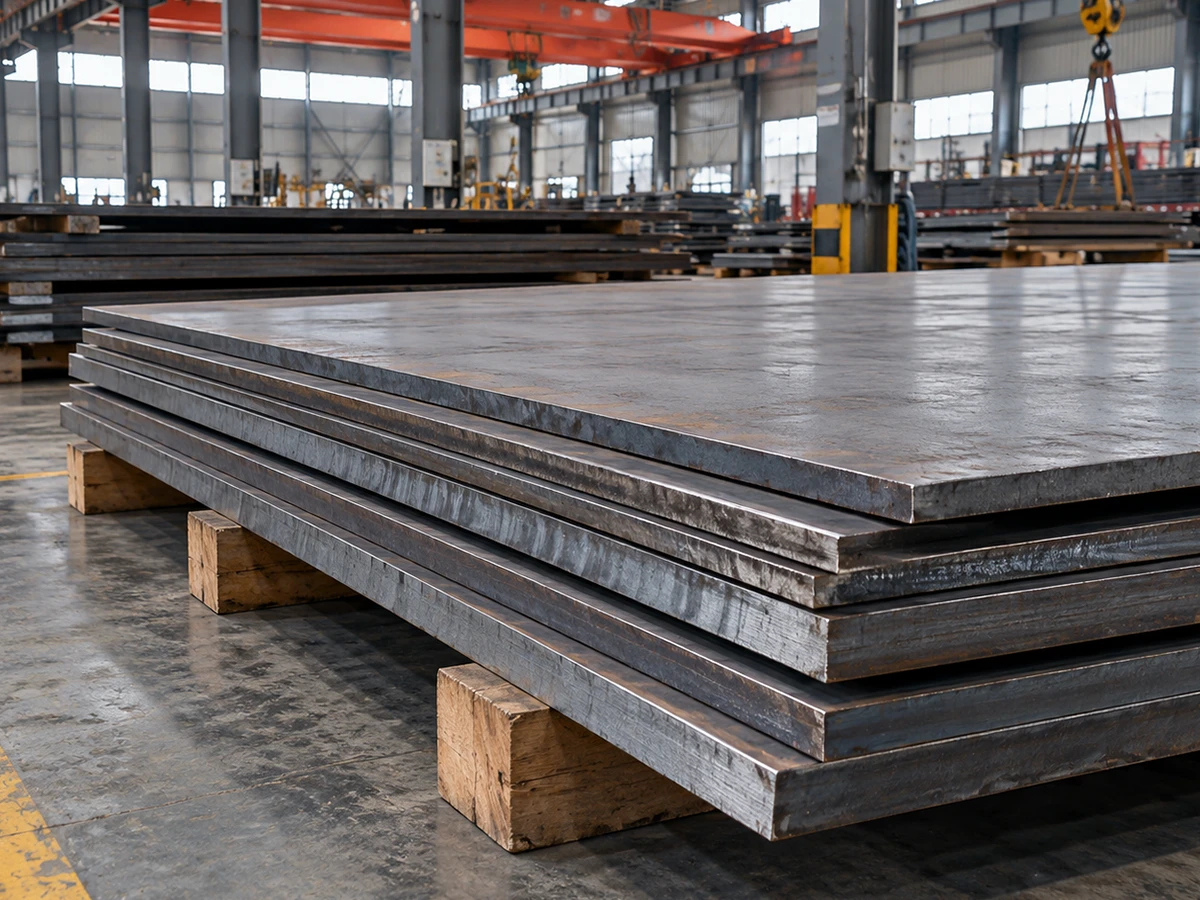
Review producer test records and the measurement route for the specified grade.
The grade is selected for severe abrasive duty where hardness, toughness, equipment mass and fabrication performance matter together.
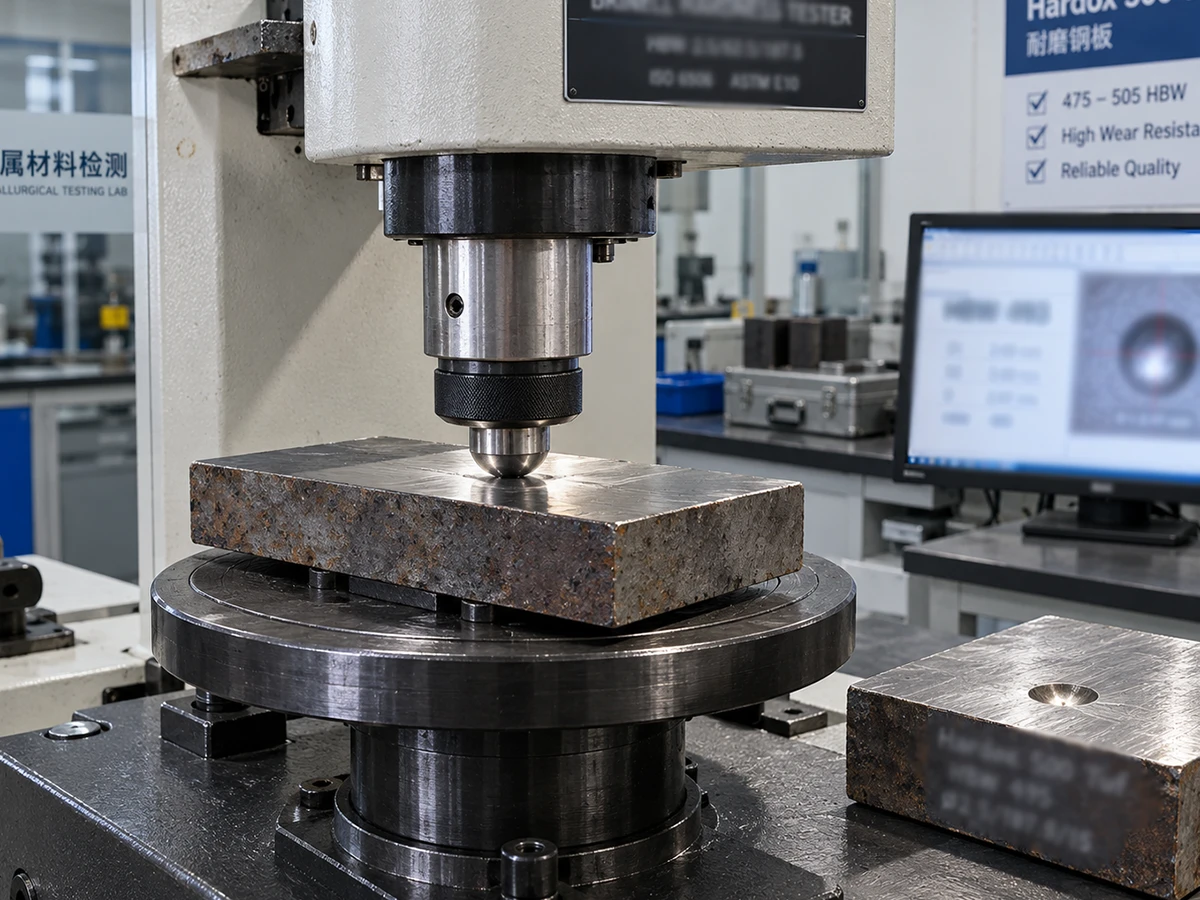
Floor and side-wall plate parts in heavy-duty hauling equipment.
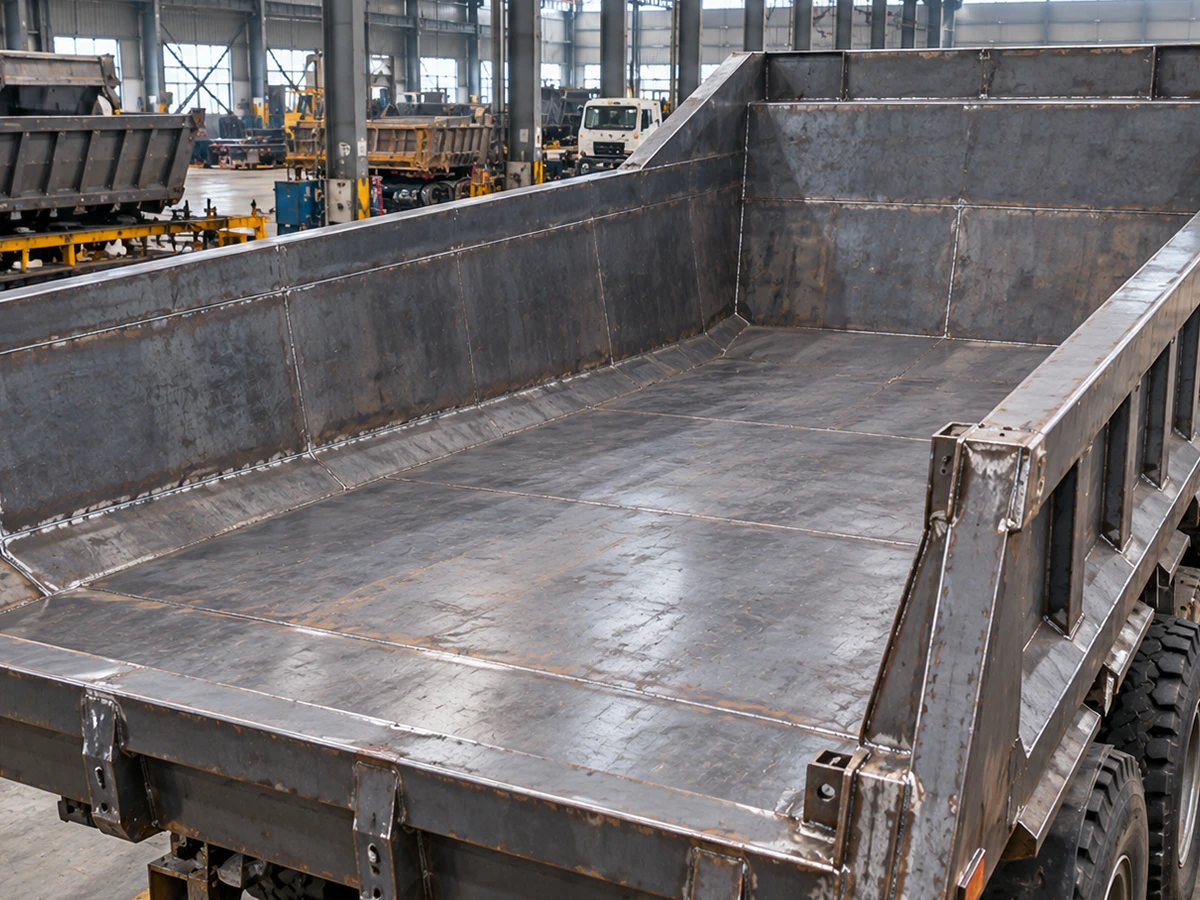
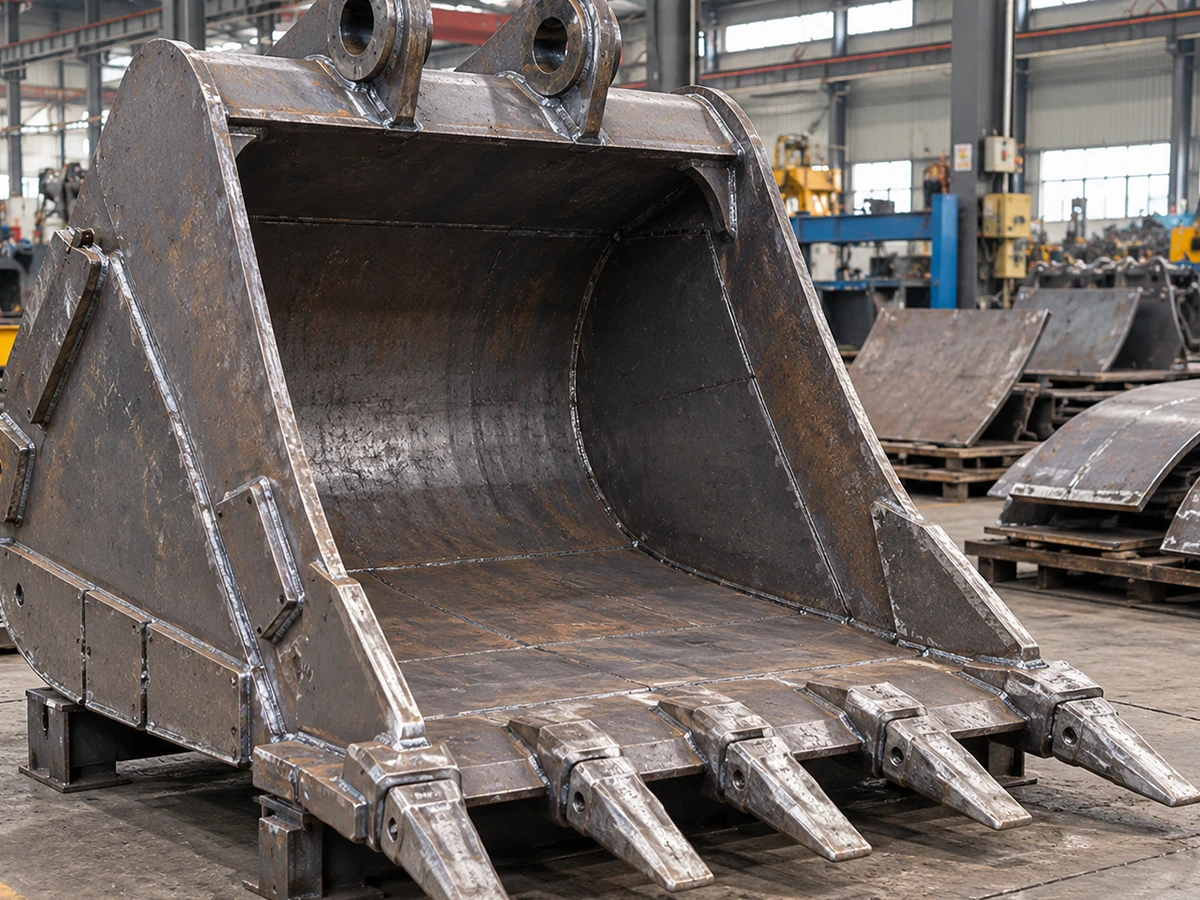
Wear-exposed bucket shells and fabricated digging attachments.
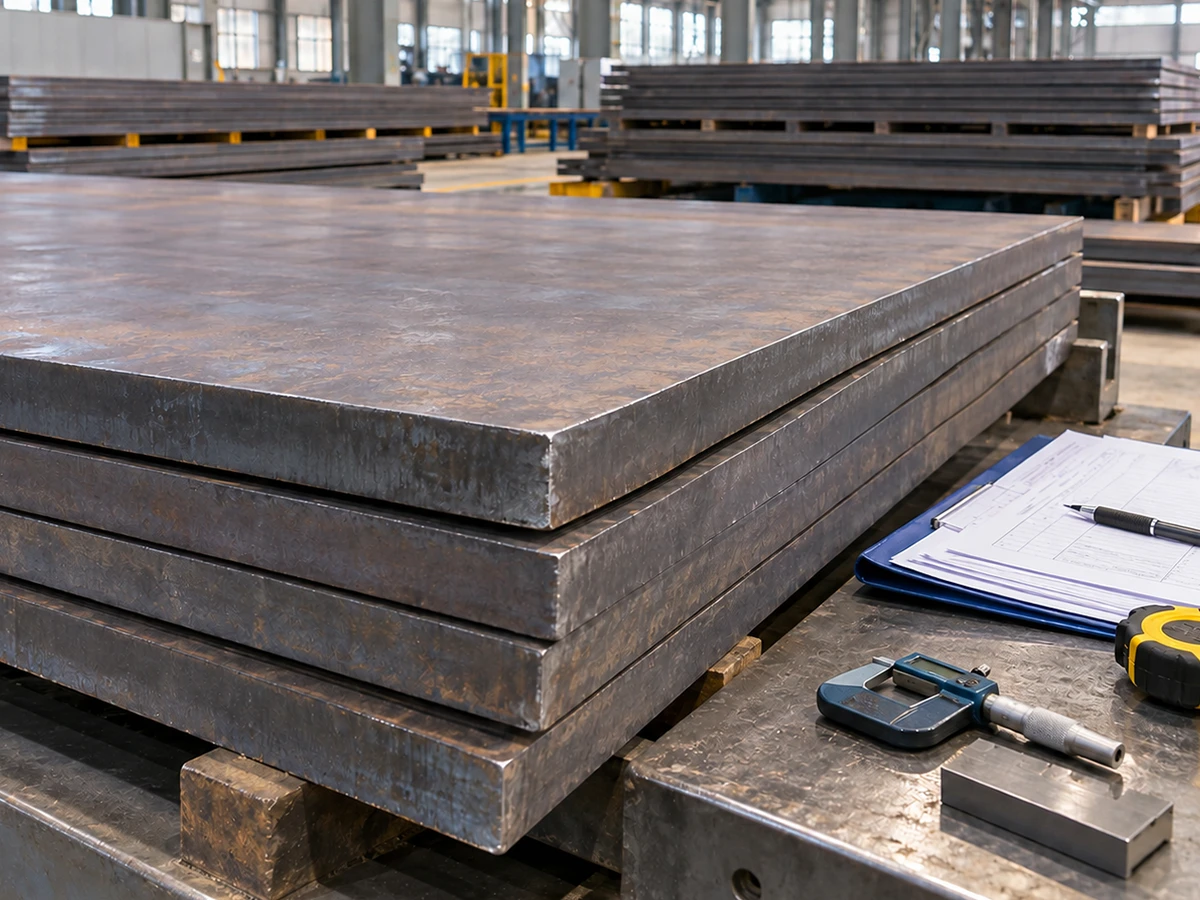
Load-handling bodies and heavy-duty structural wear components.
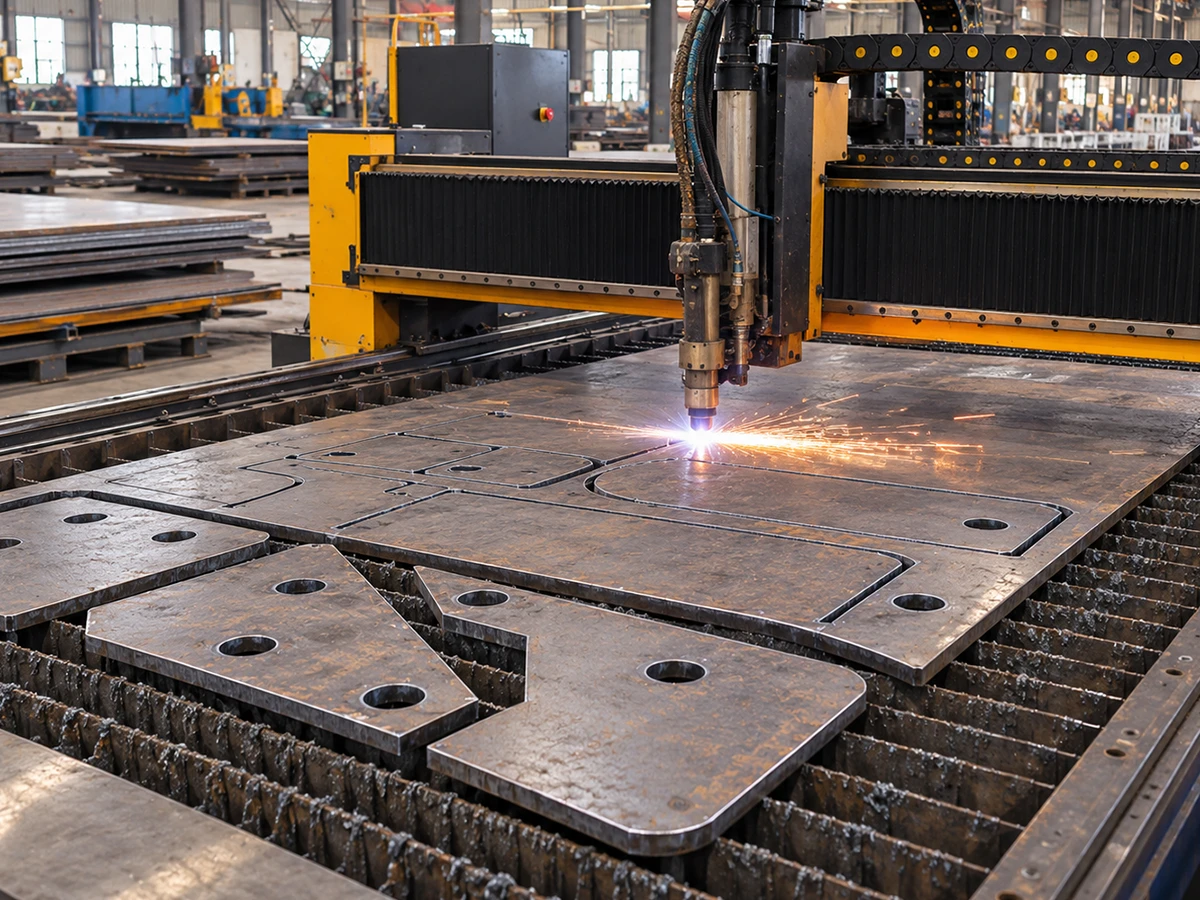
Scrap-handling containers and tough plate assemblies.
Drum and equipment components where wear-life and structural weight are considered together.
Selected wear locations in handling, earthmoving and mineral-processing systems.
For branded steel, your purchasing decision depends on correct material identity, test documents and reliable commercial coordination.
Your RFQ is reviewed by thickness, size, quantity and intended wear application.
Original material identity and supporting documents are confirmed as part of the supply review.
BAOSTEEL METAL reports 8 million MT annual steel output and 1 million MT regular inventory across its wider steel portfolio.
Port, packing, shipment volume and trade terms are discussed for the requested material.
Our company-wide operating figures describe BAOSTEEL METAL’s broader steel business. Genuine Hardox® wear plate is manufactured by SSAB and is sourced subject to separate verification.
Use the producer’s chemical limits and thickness-specific carbon equivalent when assessing cutting or welding requirements.
| Element | SSAB heat-analysis maximum |
|---|---|
| Carbon (C) | ≤ 0.30% |
| Silicon (Si) | ≤ 0.70% |
| Manganese (Mn) | ≤ 1.60% |
| Phosphorus (P) | ≤ 0.020% |
| Sulfur (S) | ≤ 0.010% |
| Chromium (Cr) | ≤ 1.50% |
| Nickel (Ni) | ≤ 1.50% |
| Molybdenum (Mo) | ≤ 0.60% |
| Boron (B) | ≤ 0.005% |
| Plate thickness | Max CET | Max CEV |
|---|---|---|
| 4.0–16.0 mm | 0.38 | 0.54 |
| 16.1–25.4 mm | 0.39 | 0.55 |
| 25.5–38.1 mm | 0.44 | 0.63 |
Use the applicable SSAB technical recommendations when specifying weld consumables, heat input, preheat and cutting procedures.
Chemical maximums and CET/CEV values are sourced from the producer’s current product table and may be revised. The actual heat analysis should be verified for the supplied order.
For a branded wear plate order, the original manufacturer and plate identity are procurement essentials. Include traceability requirements with your request for availability.
Enter your planned plate dimensions and number of pieces to estimate theoretical shipping tonnage.
Based on nominal steel density of 7,850 kg/m³. Final shipment and commercial weight follow the agreed order documents.
Your inquiry can include several plate sizes and fabrication drawings.
For source verification, specify the SSAB producer documents required by your procurement process.
Add drawings and processing details to the material enquiry. Suitable methods and thermal procedures depend on thickness and SSAB recommendations.
Profiles are reviewed against plate thickness and required edge quality.
Fabrication parameters are set according to material condition and SSAB technical guidance.
Finished dimensions and hole layouts can be included in the purchasing schedule.
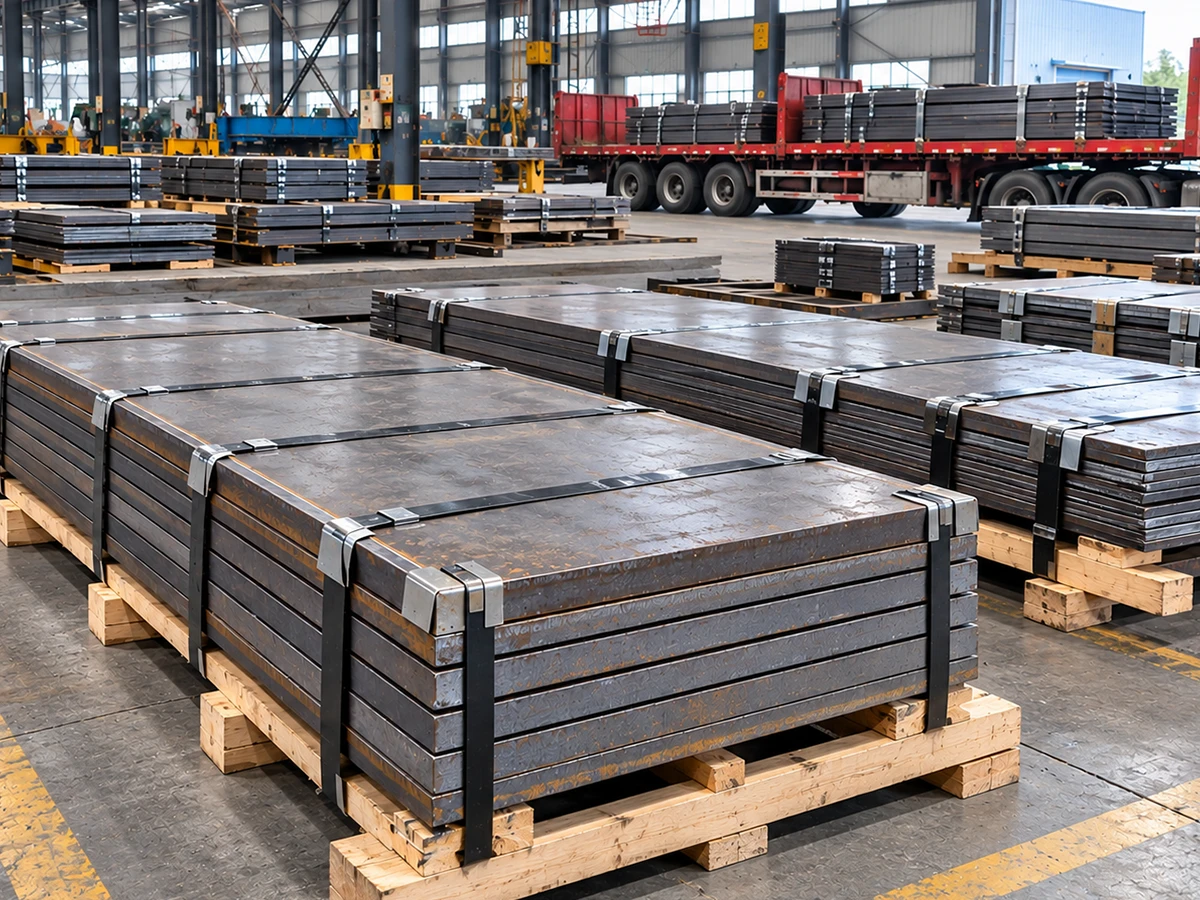
Send your destination port, plate quantity and unloading preferences for a shipment plan. Supply and documentation are confirmed before commercial acceptance.
Use the material specification and wear conditions to select a suitable grade and purchase route.
SSAB manufactures genuine Hardox® wear plate. Your purchase should identify the producer and verify the original material documents.
SSAB specifies 475–505 HBW for its plate product, under the manufacturer’s hardness-testing conditions.
For plate 6.0–8.0 mm, SSAB lists 27 J at −40°C in the transverse testing route; for 8.1–38.1 mm, it lists 27 J at −20°C. The applicable specimen size follows the data sheet.
Send exact grade, thickness, width, length, total tonnage, required producer documentation, processing drawings where relevant and destination port.
Cutting and welding are planned around the actual thickness, material condition and SSAB’s current workshop recommendations.
Send your required grade, dimensions, quantity and destination. Our team will review the inquiry.