
Nickel 200 / 201
Commercially pure nickel plate for chemical handling, caustic service and electrical applications where the specified nickel grade is required.
Nickel-based alloy plate for chemical processing, energy equipment, heat exchangers and demanding industrial service. Specify your alloy grade, UNS number, product standard, dimensions and condition for a purchase quotation.
Send your grade, UNS designation, standard edition, plate thickness, width, length, quantity and inspection requirements. Our team will review the supply route and documentation for your order.
Explore nickel alloy grades ↓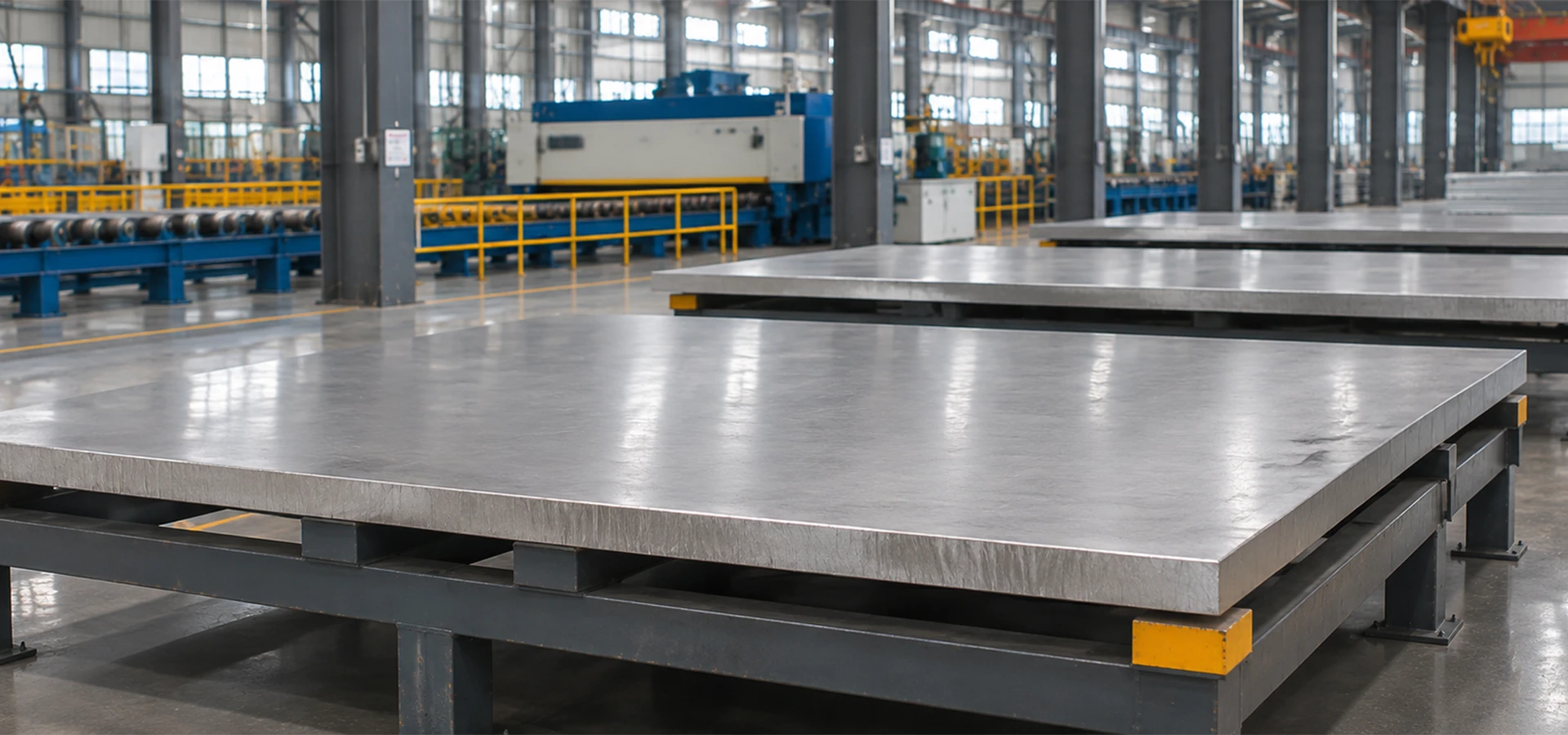
Choose the alloy specified in your engineering documents. Nickel, nickel-copper, nickel-chromium and nickel-chromium-molybdenum grades have distinct chemistry, heat-treatment and inspection requirements.
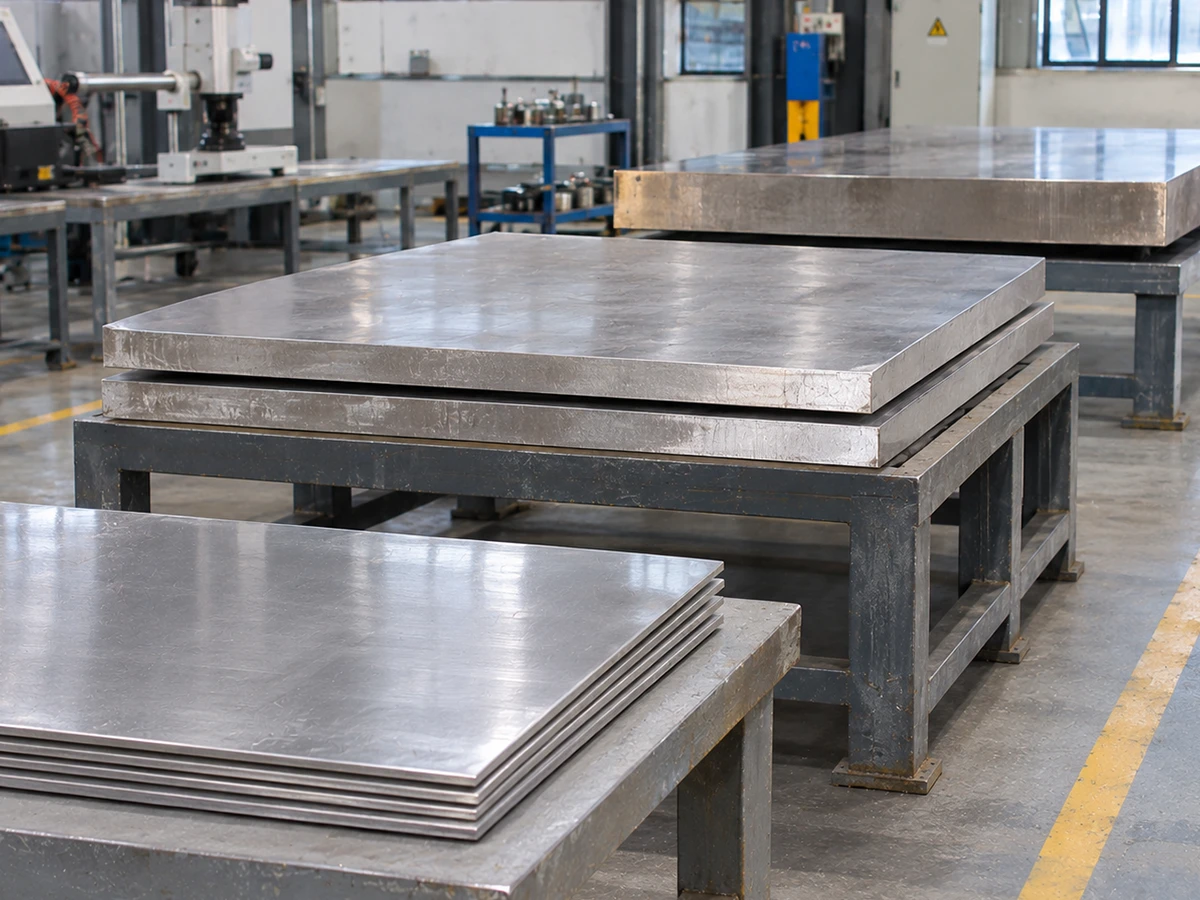
Commercially pure nickel plate for chemical handling, caustic service and electrical applications where the specified nickel grade is required.
Nickel-copper alloy plate for selected marine, chemical processing and hydrocarbon equipment applications.
Nickel-chromium plate grades used in high-temperature equipment and environments requiring oxidation resistance.
Nickel-chromium-molybdenum-niobium alloy plate for demanding corrosion and elevated-temperature service.
Precipitation-hardening nickel alloy plate for high-temperature applications requiring specified strength after heat treatment.
Nickel-iron-chromium plate grades for heat-resistant equipment, furnace components and process systems.
Nickel-iron-chromium-molybdenum-copper alloy plate for selected chemical and corrosion-service equipment.
Low-carbon nickel-chromium-molybdenum alloys for severe corrosive process environments.
View C-276 Plate ↗Nickel-molybdenum alloy plate for selected reducing-acid and chemical process applications.
Send the UNS number, trade designation or material specification shown on your drawing. We can review the requested plate form and applicable product standard with your enquiry.
For a clear quotation, identify the alloy and product standard first, then confirm the plate condition, dimensions, testing and shipment requirements.
| Alloy grade | Trade name, UNS designation and applicable material grade |
| Product standard | ASTM, GB or other specified standard with edition and grade / class |
| Product form | Plate, sheet or strip; state hot-rolled or cold-rolled route where specified |
| Dimensions | Nominal thickness × width × length, with dimensional tolerances |
| Condition | Annealed, solution annealed, stabilized annealed or precipitation-hardened condition as applicable |
| Surface | Descaled, pickled, bright annealed or other finish defined by the product specification |
| Edges & flatness | Mill edge, sheared edge, cut edge, flatness and squareness requirements |
| Testing | Chemical analysis, tensile properties, hardness, grain size, PMI or additional tests when specified |
| Documentation | Heat / lot traceability, material test certificate and inspection records |
| Delivery | Quantity, packing, destination port, Incoterms and requested delivery schedule |
Nickel alloy supply conditions vary by grade and specification. Final acceptance follows the material standard and requirements stated in your purchase order.
Attach your material list, drawing or previous material certificate where available. Include the required heat treatment and inspection scope for accurate review.
Use the product specification that matches the selected alloy and plate form. General requirements and alloy-specific standards work together to define material acceptance.
Nickel 200 and Nickel 201 plate, sheet and strip.
Monel 400 rolled plate, sheet and strip.
Nickel-chromium alloy plate, sheet and strip including UNS N06600 and N06601.
UNS N06625 and N06219 plate, sheet and strip.
UNS N07718 plate, sheet and strip in annealed condition for high-temperature service.
UNS N08800, N08810 and N08811 rolled plate, sheet and strip.
UNS N08825 and related grades in plate, sheet and strip.
Low-carbon nickel-chromium-molybdenum alloy plate, sheet and strip including C-276 and C-22.
Nickel-molybdenum alloy plate, sheet and strip including UNS N10665.
General requirements for flat-rolled nickel and nickel alloy plate, sheet and strip.
Nickel and nickel alloy plate and sheet; current Chinese national standard.
ASTM B906-22 provides general requirements for flat-rolled nickel and nickel alloy products. Alloy-specific specifications such as B162, B168, B443, B575 and B670 define the applicable grade requirements. GB/T 2054-2023 is the current Chinese national standard for nickel and nickel alloy plate and sheet.
Use this table to identify common alloy families and their plate specifications. Mechanical and chemical acceptance values are defined by the applicable standard, grade and supply condition.
| Alloy | UNS Designation | Plate Standard | Typical Purchasing Context |
|---|---|---|---|
| Nickel 200 / 201 | N02200 / N02201 | ASTM B162-26 | Chemical process equipment, caustic handling and electrical uses |
| Monel 400 | N04400 | ASTM B127-25 | Marine equipment, chemical handling and process components |
| Inconel 600 / 601 | N06600 / N06601 | ASTM B168-26 | Furnace equipment and high-temperature components |
| Inconel 625 | N06625 | ASTM B443-26 | Corrosion-resistant process equipment and offshore components |
| Inconel 718 | N07718 | ASTM B670-25 | High-temperature components requiring precipitation hardening |
| Incoloy 800 Series | N08800 / N08810 / N08811 | ASTM B409-22 | Heat exchangers, furnace parts and process equipment |
| Incoloy 825 | N08825 | ASTM B424-22 | Chemical processing and corrosion-service equipment |
| Hastelloy C-276 / C-22 | N10276 / N06022 | ASTM B575-17(2023) | Chemical processing and severe corrosive service |
| Hastelloy B-2 | N10665 | ASTM B333-25 | Selected reducing-acid process applications |
UNS numbers identify alloy chemistry. Use the UNS designation together with the applicable product standard, grade, condition and inspection requirements.
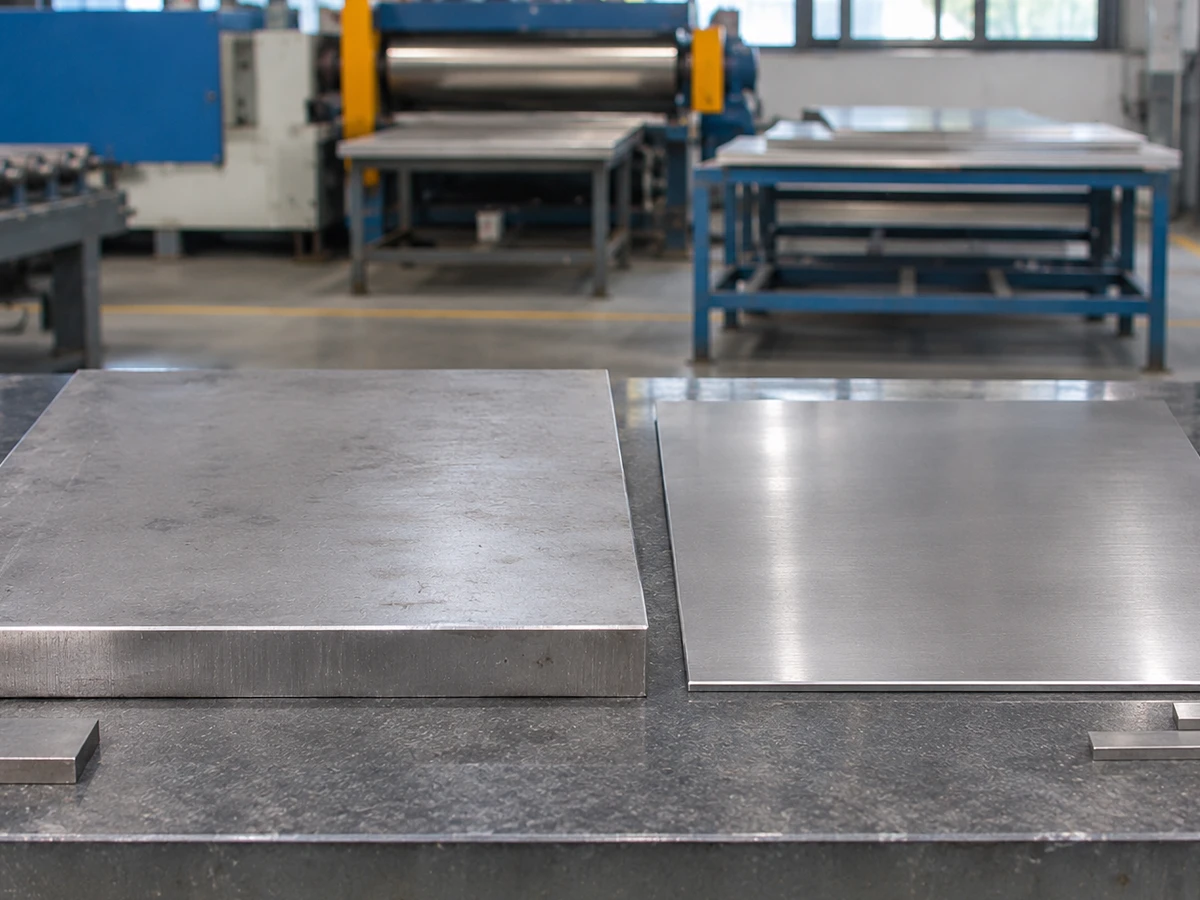
Nickel alloy plate is supplied in conditions defined by the applicable alloy specification. Your material condition influences the mechanical properties, fabrication route and final acceptance requirements.
Estimate theoretical plate weight using the selected alloy's nominal density. Confirm the final density and certified mass against the supplied material documentation.
Formula: thickness × width × length × density ÷ 1,000,000,000 = kg per plate. The result is a preliminary estimate for procurement planning.
Nickel alloys have different nominal densities. The grade selector sets a reference density for the estimate, and you can enter a value from the relevant technical datasheet.
Example: Inconel 625 plate, 10 × 1,500 × 6,000 mm, density 8,440 kg/m³ = approximately 759.6 kg per plate.
For a commercial quotation, send the alloy grade, plate dimensions, quantity, standard edition and required inspection documents.
Nickel alloy selection depends on process chemistry, temperature, pressure, fabrication and inspection requirements. Match the grade to your design specification and operating environment.
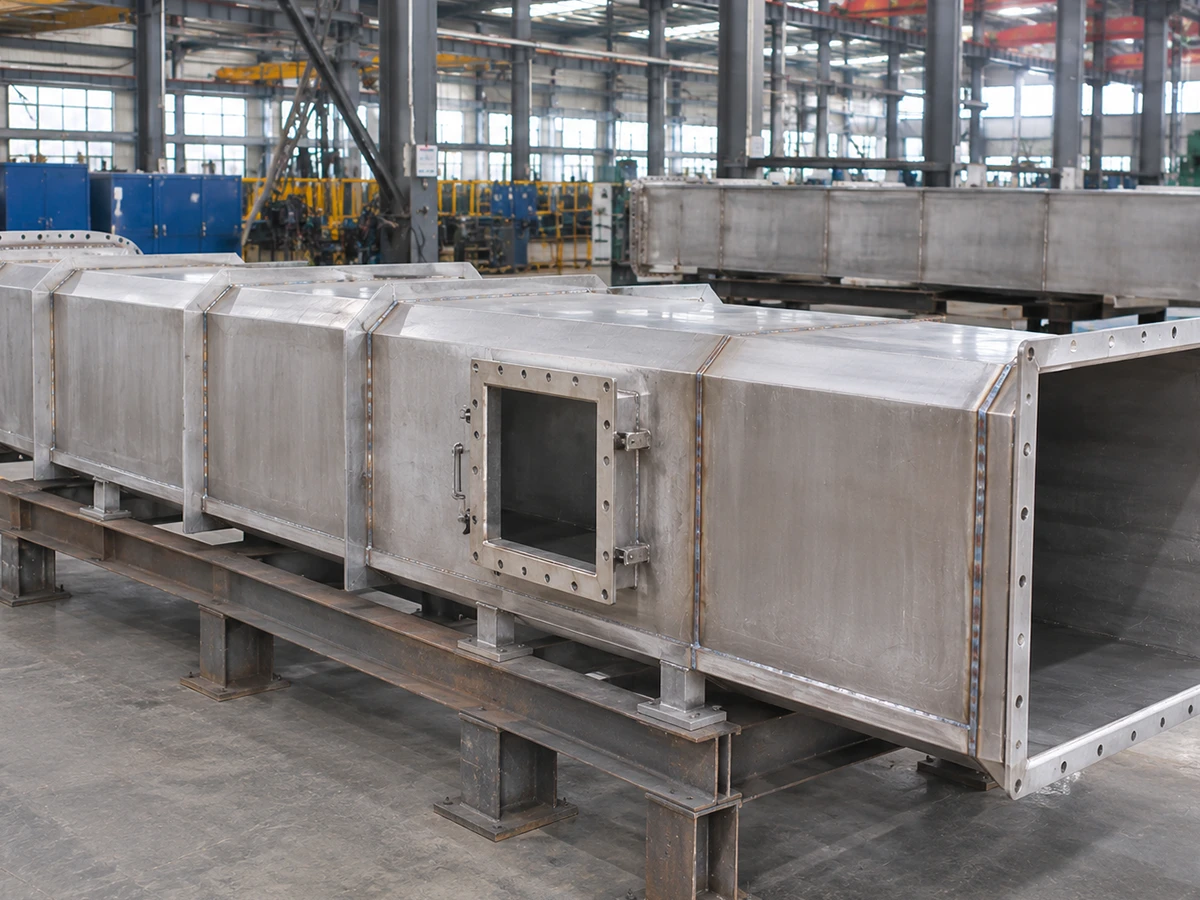
Plate materials for reactors, vessels, scrubbers and process components where the specified alloy is selected for corrosion service.
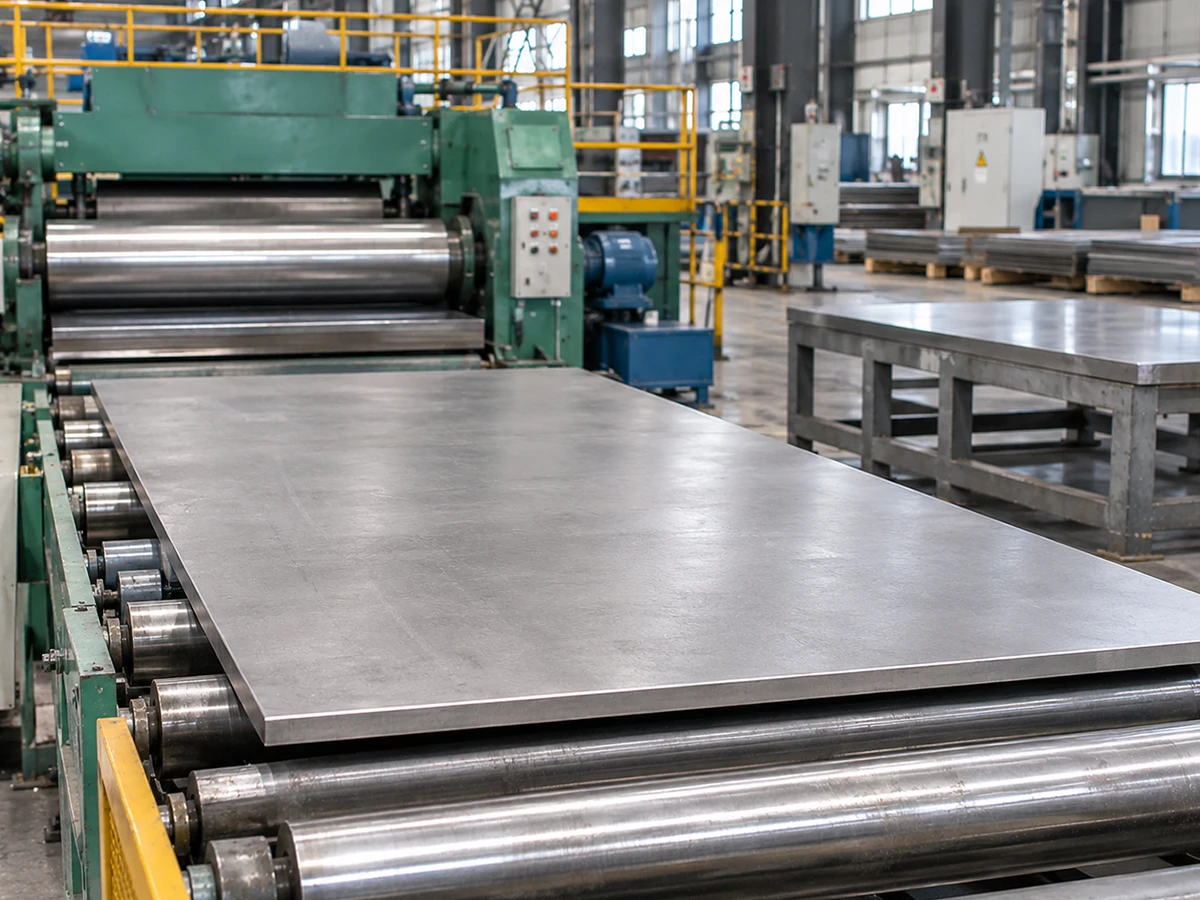
Nickel alloy plate for heat exchangers, furnace assemblies, thermal processing equipment and selected energy applications.
Alloy plate specified for process equipment exposed to defined chemical media.
Plate and fabricated components for thermal equipment and process systems.
Selected nickel alloys for seawater, marine and offshore equipment specifications.
High-temperature alloy plate for selected thermal and energy equipment.
Corrosion-resistant alloy plate for flue gas and process gas handling systems.
Specialty alloy plate specified for demanding strength and temperature requirements.
Confirm concentration, temperature, pressure, contaminants, fabrication method and applicable design code with your engineering team before selecting a nickel alloy.
Coordinate grade identification, plate dimensions, inspection documents and export packing through one purchasing enquiry.
Company-wide annual steel production reaches 8 million metric tons across the product portfolio, supporting broad industrial supply coordination.
Manufacturing Overview ↗Regular company-wide steel inventory is approximately 1 million metric tons. Specific nickel alloy grades and dimensions are checked by enquiry.
Inventory Overview ↗Define your UNS grade, product standard, heat treatment, testing scope and certificate requirements for the ordered material.
Quality Control ↗Include plate dimensions, tonnage, packing preferences and destination details for a coordinated commercial offer.
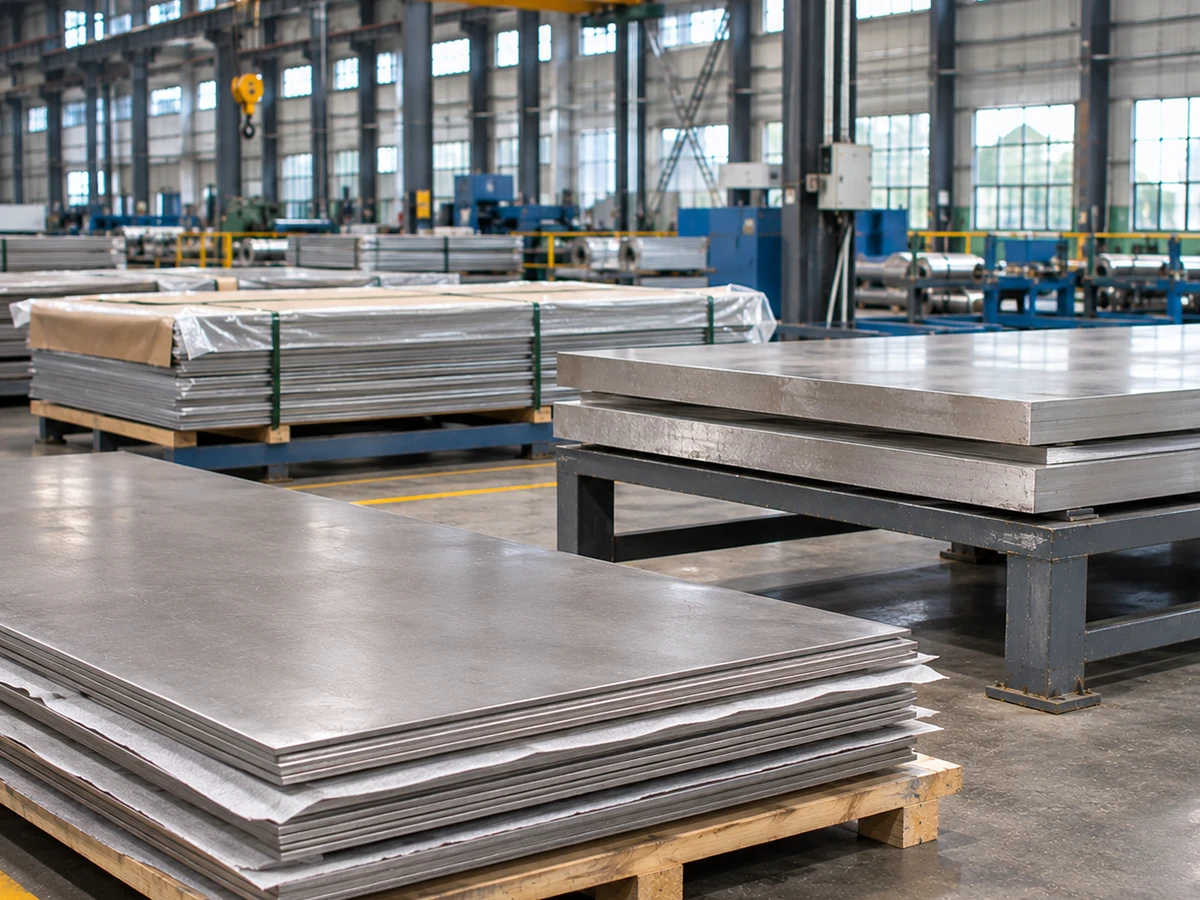
Nickel alloy products require grade-specific material identification, heat-treatment control and inspection documentation. Share the governing specification and dimensional schedule so the requested supply route can be reviewed against your project needs.
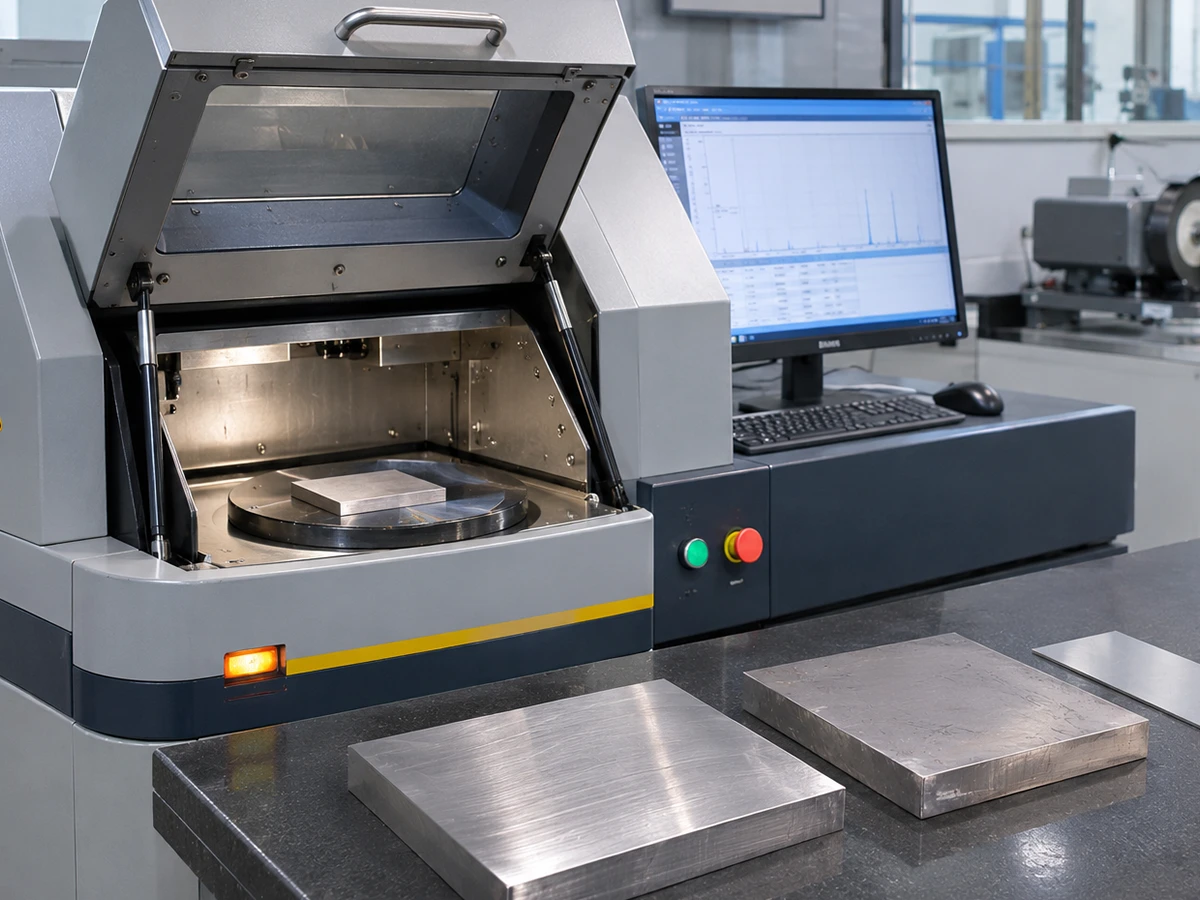
Set the acceptance scope against the applicable alloy specification and purchase order. Testing and documentation are confirmed by product grade, condition, dimensions and project requirements.
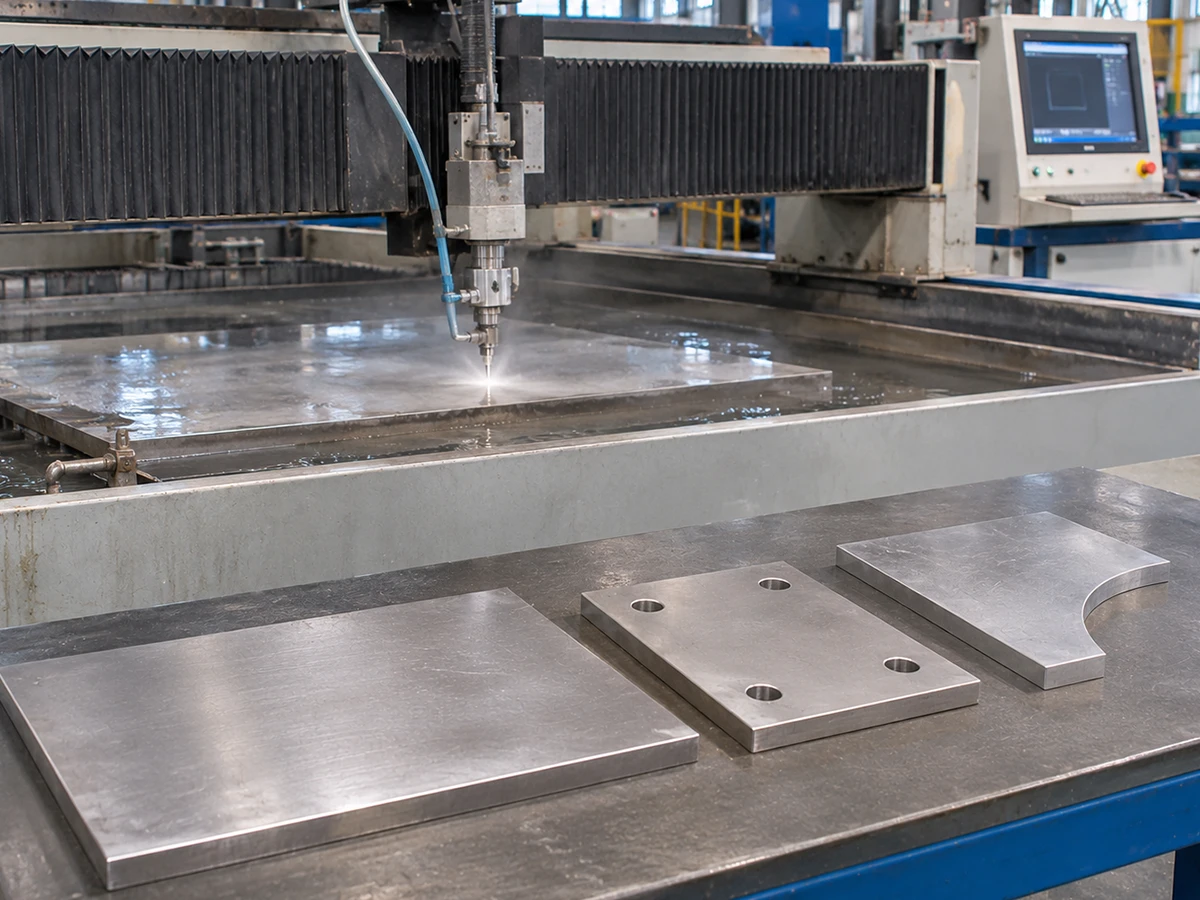
Send your part drawings and required tolerances with the alloy specification. Processing feasibility and the suitable cutting method are reviewed according to alloy grade, thickness and final geometry.
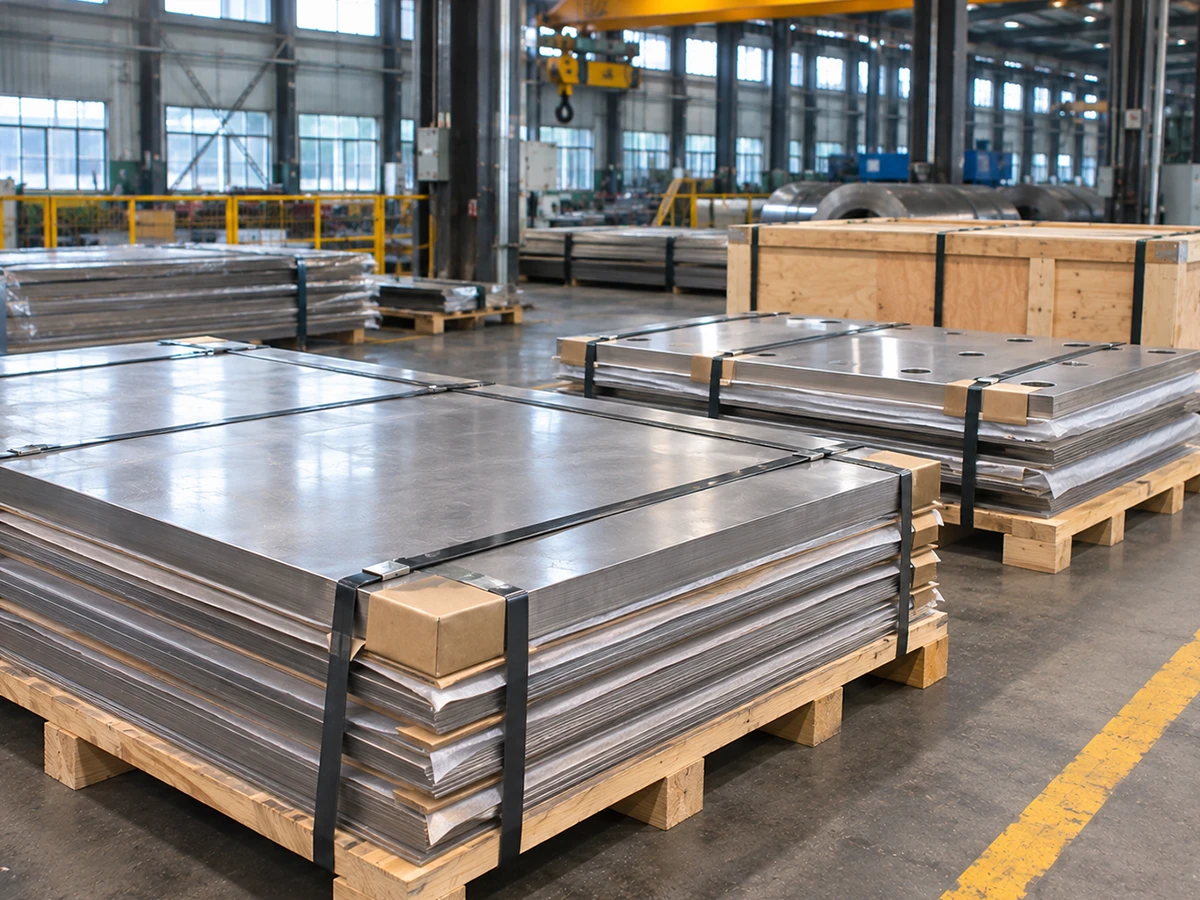
Nickel alloy plate packing is arranged according to surface condition, plate dimensions, handling method and transport route. Confirm the packing details with the order so the material arrives ready for receiving and inspection.
Continue to the relevant product family or view the dedicated Hastelloy C-276 plate page.
Answers for alloy selection, technical specifications and bulk procurement.
Common enquiries include Nickel 200/201, Monel 400, Inconel 600/601/625/718, Incoloy 800 series/825, Hastelloy C-276/C-22 and Hastelloy B-2. Confirm the grade and UNS number on your purchase specification.
Provide alloy grade, UNS designation, product standard and edition, thickness, width, length, quantity, heat-treatment condition, surface, inspection requirements and destination port.
These are different alloy families with distinct chemistry and performance characteristics. Selection should follow the process medium, temperature, pressure, fabrication method and applicable engineering code.
The required heat-treatment condition depends on the alloy and product specification. State the condition named in your material standard or engineering purchase document.
Cut-to-size options can be reviewed from your drawing. Include plate thickness, final dimensions, edge condition, tolerance and any requirements for thermal input or machining allowance.
Specify the material test certificate, heat analysis, mechanical test results, dimensional inspection, PMI, ultrasonic testing or third-party inspection as required by your order.
Multiply thickness (mm) × width (mm) × length (mm) × density (kg/m³), then divide by 1,000,000,000 to estimate kilograms per plate. Use the nominal density for the selected alloy and confirm final mass from material documentation.
Alloy 20 (UNS N08020) can be reviewed by enquiry. ASTM B463-21 was withdrawn in 2026. Confirm the current governing product specification and purchase-code requirements for Alloy 20 before ordering.
Send your required grade, dimensions, quantity and destination. Our team will review the inquiry.