Global Steel Supply & Processing
Source Q245R pressure-purpose carbon steel plate to GB/T 713.2-2023 for vessel shells, heads, tanks and welded process equipment. Specify the exact thickness and delivery condition to match the grade's thickness-dependent properties.
*245 MPa is the minimum yield requirement for 3–16 mm plate; thicker Q245R plates have different guaranteed yield levels. Mill, sizes, quantity and required inspection are confirmed for each quotation.
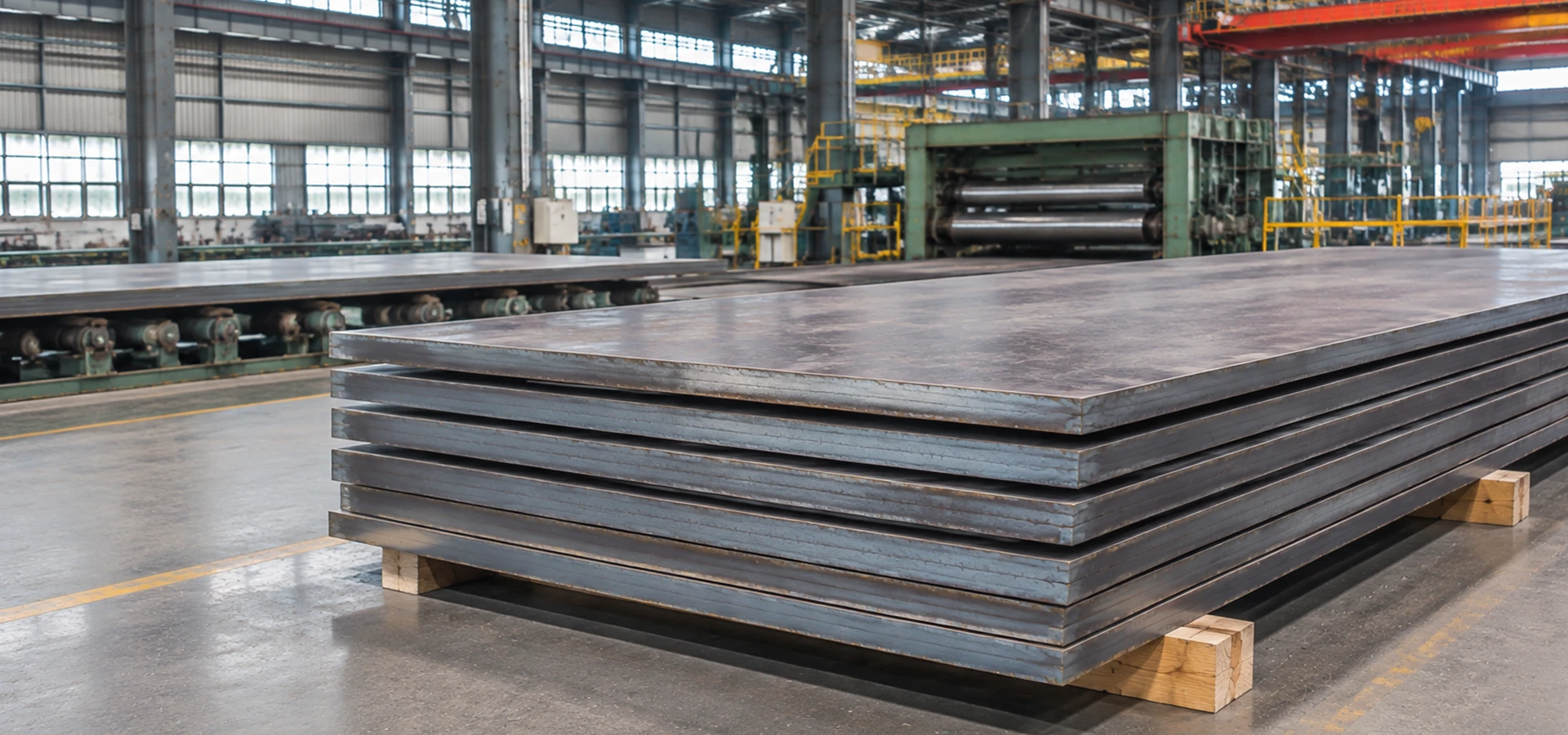
Choose the current Chinese pressure-equipment steel standard, dimensions, material condition and inspection scope before comparing offers.
| Purchase item | Specify this on your Q245R enquiry |
|---|---|
| Full designation | Q245R pressure vessel steel plate; GB/T 713.2-2023, with GB/T 713.1 general requirements. |
| Thickness | 3–250 mm is the stated standard scope for single-rolled plate. This is a standards scope, not an assertion that every thickness is in stock. |
| Width × length | Send cut plate dimensions in mm, quantity by item and acceptable dimensional tolerances; we confirm plate widths and achievable sizes from actual stock or mill route. |
| Delivery condition | Hot rolled (AR), normalizing rolled (NR) or normalized (N), as ordered and documented. |
| Mechanical certificate | Grade, heat number, thickness, strength, elongation, required impact result and delivery condition. |
| Additional inspection | Ultrasonic examination, HIC resistance testing, through-thickness testing, low-temperature impact option or purchaser witness, where required and agreed. |
| Fabrication input | Pressure-equipment construction code, weld/PWHT plan, design temperature and any project-specific restrictions. |
The applicable construction code and project design specification determine suitability. A standard-compliant material certificate alone does not demonstrate approval of the completed pressure vessel.
Send the plate list, delivery condition, required test certificates and arrival destination for a lot-specific supply check.
Q245R is a 245 MPa-class designation. The guaranteed yield and tensile levels change with plate thickness; the contract must state each ordered thickness.
| Plate thickness | Minimum lower yield, ReL | Tensile strength, Rm | Elongation, A | 0°C impact, KV2 |
|---|---|---|---|---|
| 3–16 mm | ≥245 MPa | 400–520 MPa | ≥25% | ≥34 J |
| >16–36 mm | ≥235 MPa | 400–520 MPa | ≥25% | ≥34 J |
| >36–60 mm | ≥225 MPa | 400–520 MPa | ≥25% | ≥34 J |
| >60–100 mm | ≥205 MPa | 390–510 MPa | ≥24% | ≥34 J |
| >100–150 mm | ≥185 MPa | 380–500 MPa | ≥24% | ≥34 J |
| >150–250 mm | ≥175 MPa | 370–490 MPa | ≥24% | ≥34 J |
Values transcribed from GB/T 713.2-2023, Table 2; impact is the specified V-notch absorbed-energy requirement. Standard sampling, specimens and test acceptance follow the applicable GB/T 713.1 and product rules. Use Rp0.2 where permitted when no clear yield point appears.
Three yield-strength bands apply: 245, 235 and 225 MPa. Each thickness range has its own contractual minimum.
For heavier sections, the minimum yield and tensile ranges decrease by thickness; confirm heat treatment, availability and inspection before ordering.
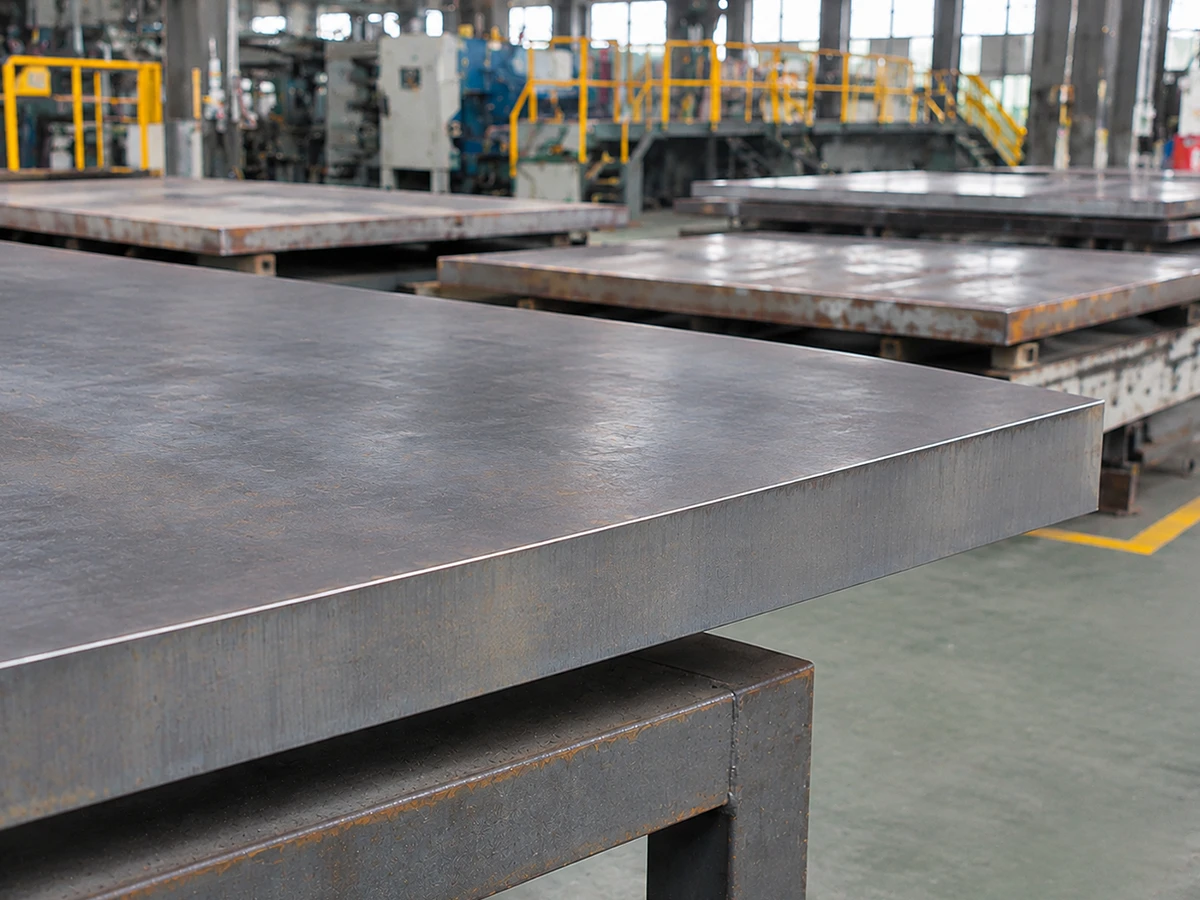
GB/T 713.2-2023 specifies the following melt chemistry. Actual results must be taken from the producing mill certificate and heat number.
| Element | Q245R requirement, wt.% | Notes for purchase review |
|---|---|---|
| Carbon (C) | ≤0.20 | Verify heat analysis with the material certificate. |
| Silicon (Si) | ≤0.35 | Maximum content under the product standard. |
| Manganese (Mn) | 0.50–1.10 | Upper limit may be 1.20 for plate thickness >60 mm. |
| Phosphorus (P) | ≤0.025 | Maximum melt-analysis limit. |
| Sulfur (S) | ≤0.010 | Maximum melt-analysis limit. |
| Residual Cu / Ni / Cr | Each ≤0.30 | Residue controls; combined Cu + Ni + Cr + Mo ≤0.70. |
| Molybdenum (Mo) | ≤0.080 | Residual element limit, not a Cr–Mo alloy designation. |
| Nb + V + Ti | Combined ≤0.050 | Microalloy additions, if present, to be shown on the MTC; element-specific controls also apply. |
Finished-product analysis tolerances follow GB/T 713.1. Carbon-equivalent limits may be agreed between purchaser and producer when required; one universal Ceq guarantee is not claimed for Q245R.
Review chemistry, plate thickness, joint design and restraint against the approved WPS/PQR. Preheat and post-weld heat treatment are project-dependent rather than one fixed Q245R setting.
Record the producing mill, heat number, chemical analysis and requested supplementary tests before cutting each pressure-vessel component.
Send your project limits for P, S, Ceq, heat treatment and testing so we can check the available Q245R producing route.
The grade defines a 0°C V-notch absorbed-energy requirement, and a lower-temperature option can be agreed in the purchase order.
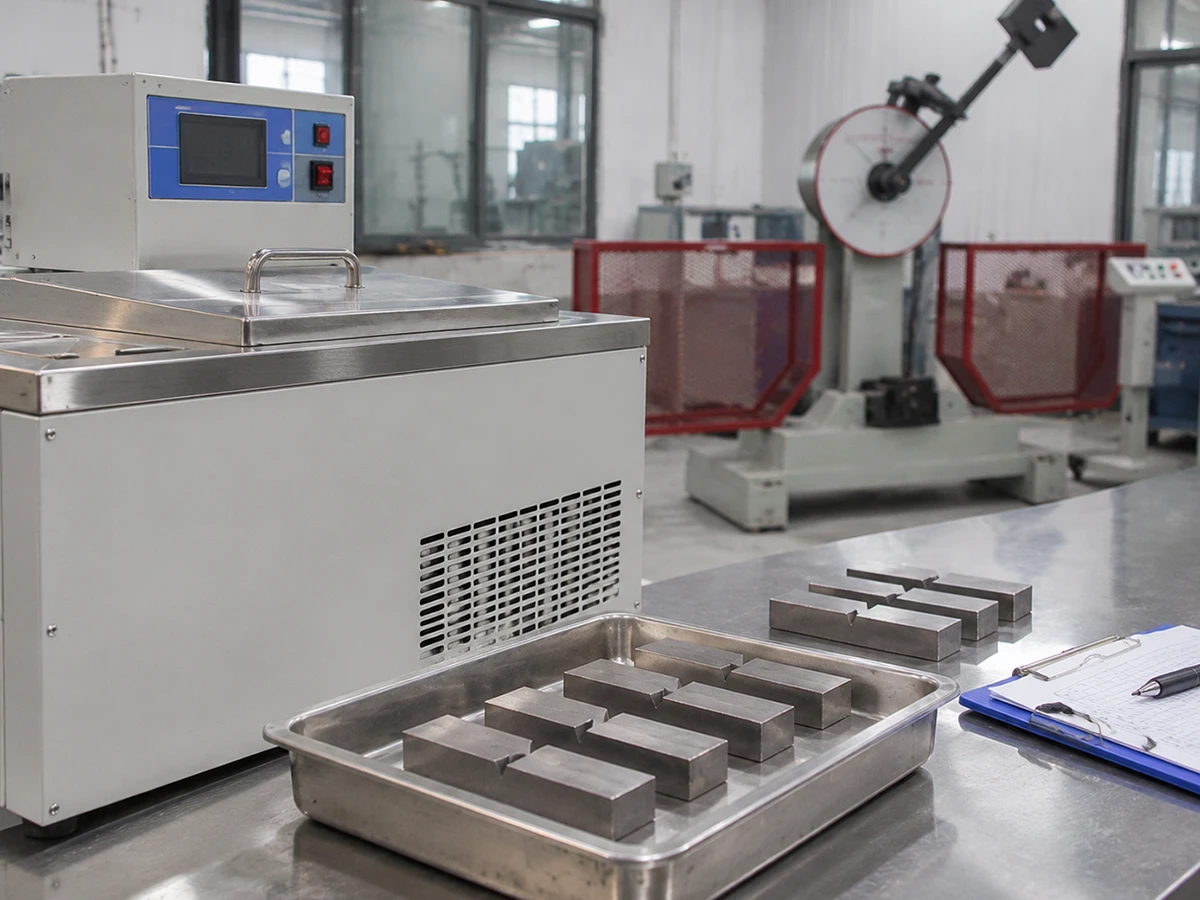
A 0°C grade requirement does not by itself mean that every Q245R heat is guaranteed at −20°C. The −20°C option must be included in the agreed material order and documented test results.
The ordered processing condition is part of the material requirement and should appear in the mill certificate.
As-rolled delivery for grades, plate thicknesses and fabrication requirements that accept this standard route.
Controlled rolling in a normalizing-related temperature range; verify the actual mill designation and certification.
Normalized condition when the vessel specification, design temperature or purchase order requires an explicit heat-treatment record.
Confirm whether the construction code, shell design, forming route or future PWHT imposes additional conditions. The order should identify them before steel is released.
For thicker plate, review testing and manufacture against the actual dimension. Bending-test omission above 60 mm is possible only by agreement and contract wording.
For plate thickness over 20 mm, GB/T 713.2 provides specified elevated-temperature yield levels when these tests are requested under the order.
| Plate thickness | 200°C | 300°C | 400°C |
|---|---|---|---|
| >20–36 mm | ≥186 MPa | ≥153 MPa | ≥129 MPa |
| >36–60 mm | ≥178 MPa | ≥147 MPa | ≥123 MPa |
| >60–100 mm | ≥164 MPa | ≥135 MPa | ≥113 MPa |
Selected temperature/thickness values from GB/T 713.2-2023 Table 3 (specified minimum ReL or Rp0.2). These are not design allowable stresses. The designer must apply the actual pressure-equipment construction code and temperature limits. High-temperature tensile testing is ordered explicitly, where required.
Buyers select plate thickness, delivery state, testing and fabrication requirements based on the equipment drawing and applicable code.
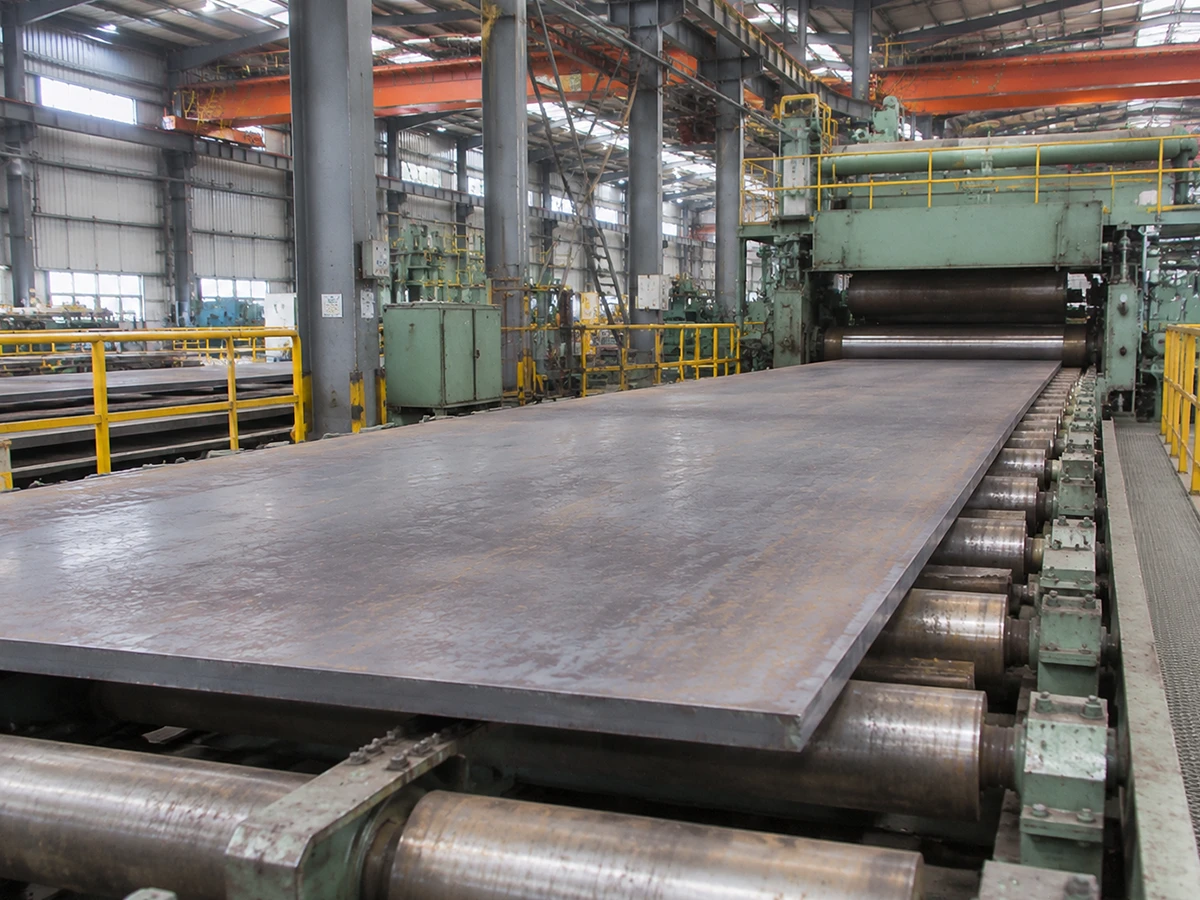
Rolled shell courses, welded seams and structural vessel sections.
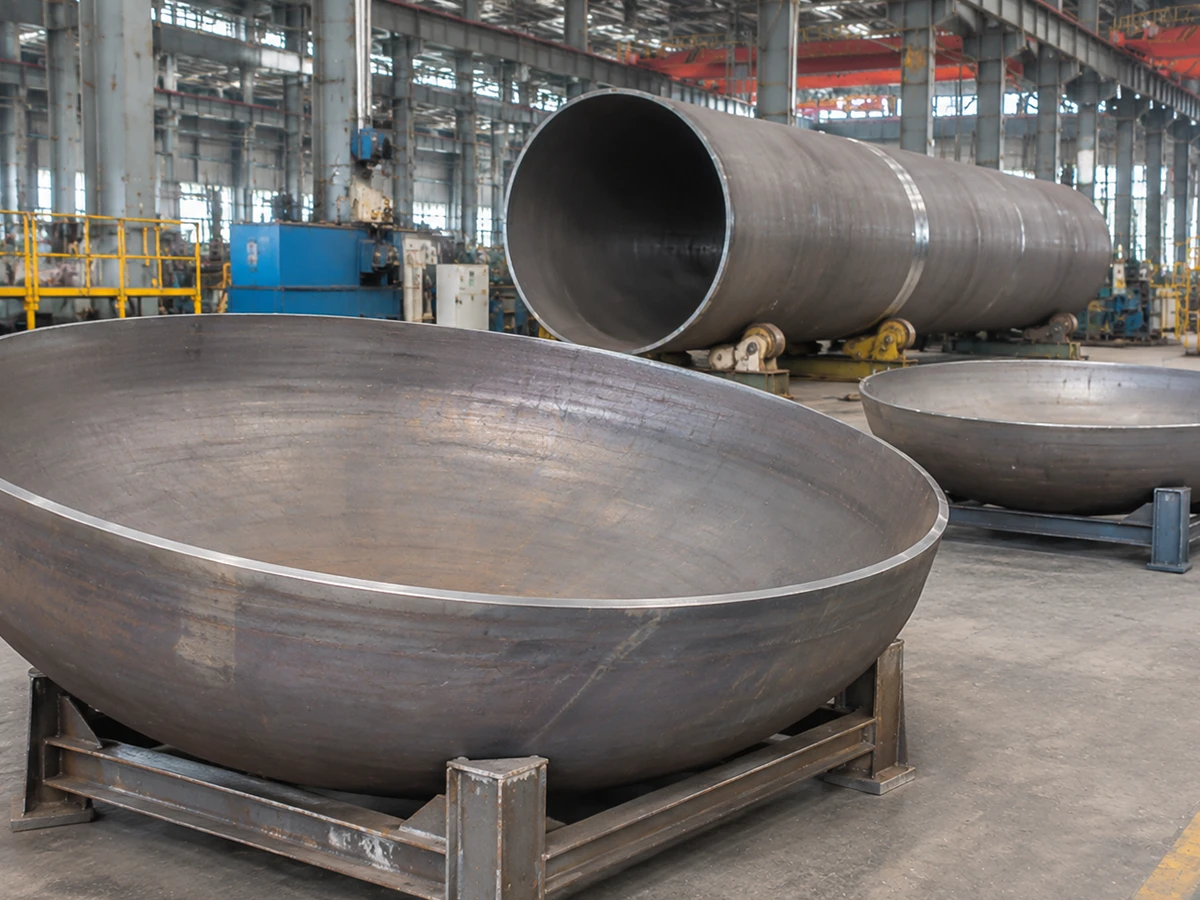
Formed heads and tank components with controlled material documentation.
Shells and welded components under approved process-equipment design.
Fabricated pressure-containing sections where Q245R is selected by the designer.
Pressure vessels and separators with material traceability requirements.
Replacement plate supplied to an exact drawing and code-approved material schedule.
Support your buyer and fabricator with material specifications, documented supply options and export order coordination.
Align Q245R plate thickness with the correct mechanical and 0°C toughness requirements before confirming the order.
Company-wide annual production of 8 million MT and regular inventory of 1 million MT across steel products. Q245R lot availability is checked separately.
Review the producing source, heat number, material test report and requested additional tests for the actual plate lot.
Consolidate plate schedules, packaging requirements, inspection status and destination documents through one RFQ route.
Q245R plate sourcing starts from your required thickness, dimensions, heat-treatment condition and inspection scope. Our team checks actual stock lots and available producing mills rather than quoting a universal stock range.
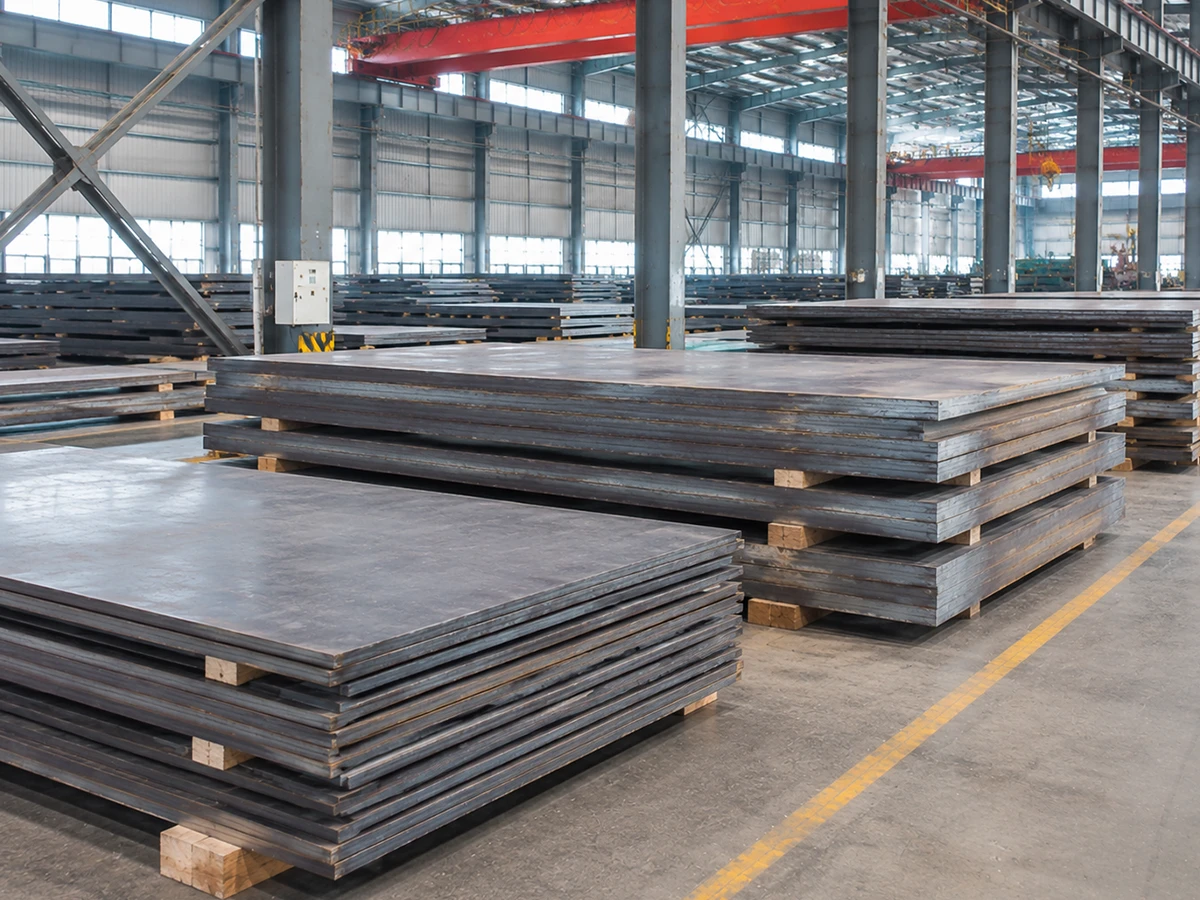
A Q245R quote should describe material-document requirements clearly enough for the vessel manufacturer to review the supply route.
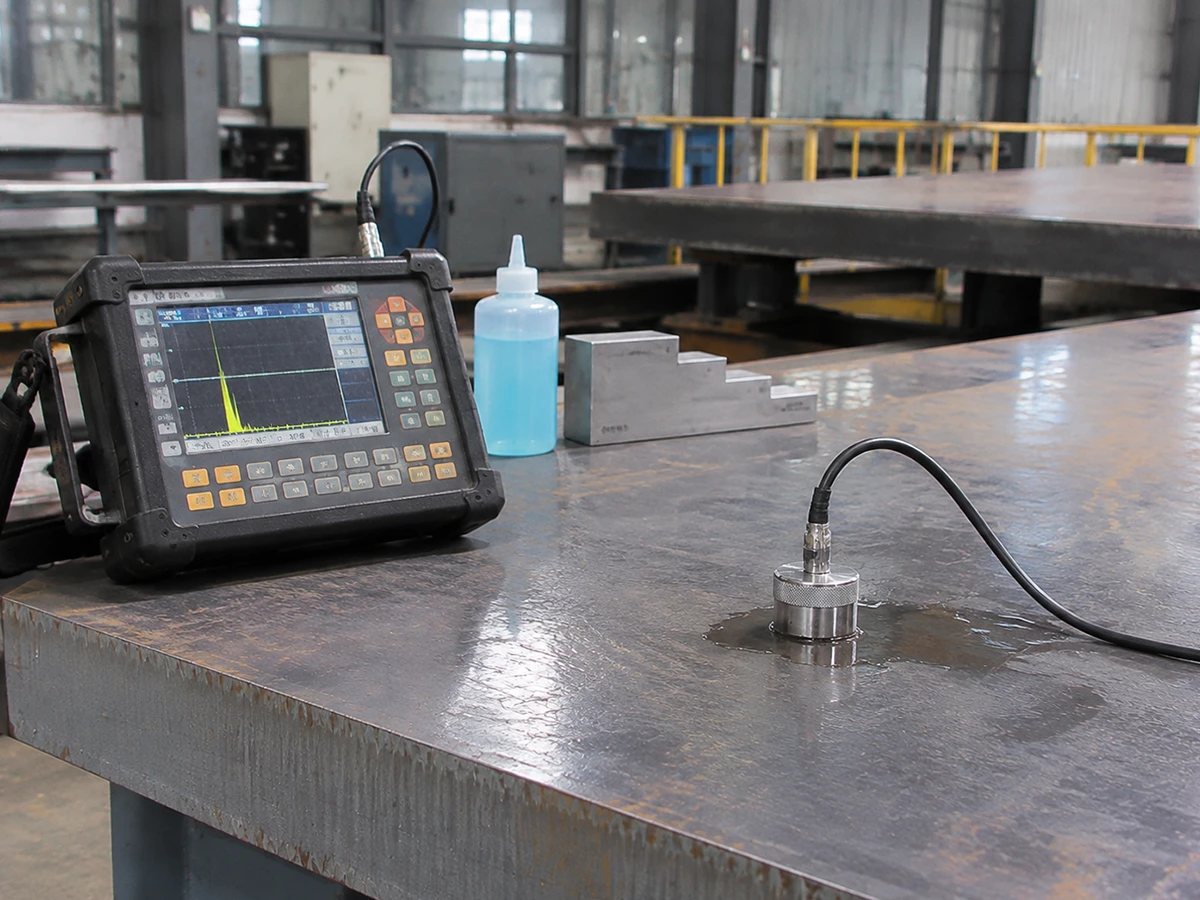
Ultrasonic plate inspection and applicable acceptance class may be agreed to project requirements, including NB/T 47013.3 when ordered.
Hydrogen-induced cracking evaluation, where needed, requires a defined standard, specimen plan and acceptance criteria.
Witness points, inspection scope and document release are coordinated only for the agreed order.
Specify the plate shape and edge condition before purchasing for pressure-equipment manufacture.
Confirm surface quality and rust condition against the ordered technical delivery requirement. Inspection evidence may be requested for a lot.
State thickness, width, length, flatness and tolerance requirements relevant to shell rolling or head forming.
Specify mill or cut edges, nesting drawings, marking and identification transfer for traceable downstream fabrication.
Selected processing services may be coordinated with the actual plate lot and shop capability. Material identification should be retained through cutting.
Flame, plasma or suitable laser cutting, by thickness and available equipment.
Drawing-based hole patterns, profile preparation and edge requirements.
Part IDs and heat references maintained when requested for shipment.
Material forming, welding and PWHT remain under the fabricator's qualified process and construction-code requirements.
Attach your drawing, cutting allowance, part identification and tolerance requirements.
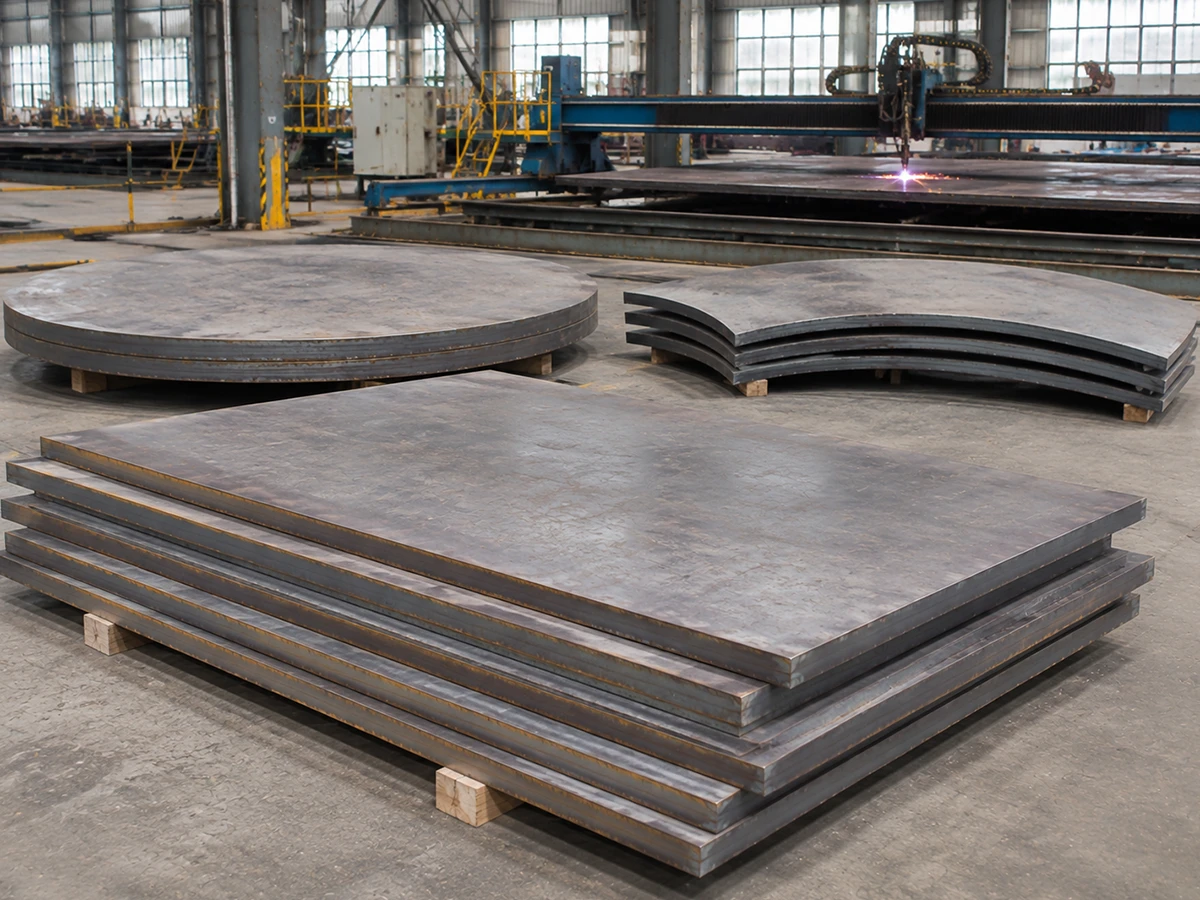
Shipment preparation is matched to actual plate size, weight, route and buyer handling requirements.
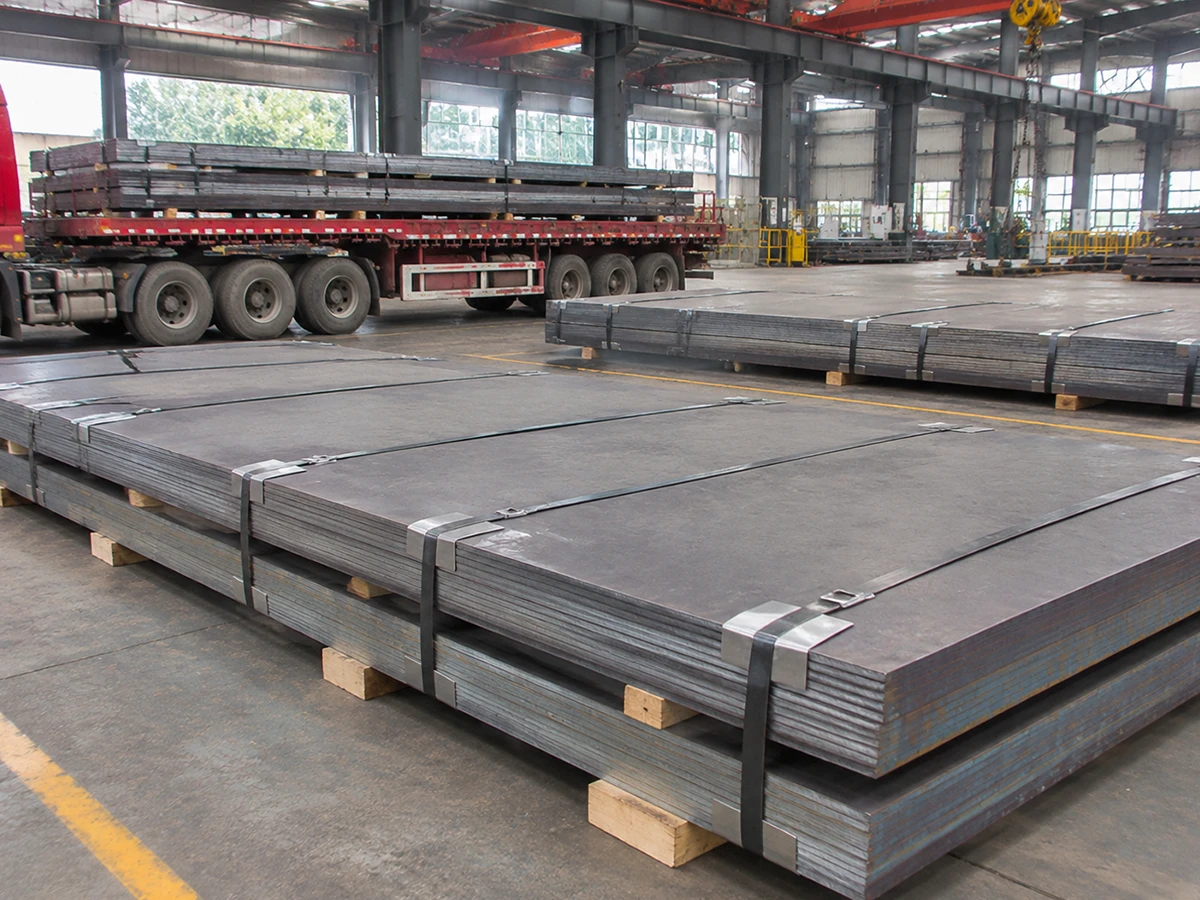
Agree export markings, lifting points, steel strapping, timber supports and moisture protection to match the transport method.
Enter plate dimensions in millimeters and quantity. Estimate uses a planning density of 7,850 kg/m³; final invoiced weight follows the sales contract.
Formula: thickness × width × length × 7,850 kg/m³ × quantity. Adjustments for tolerance and sale basis are made in your contract.
A concise technical request helps coordinate pricing and the available producing-mill route.
Send your material requisition, drawings and project constraints for a specific source and delivery assessment.
Different steel standards and plate classes have their own chemistry, tensile and impact rules. Material substitution needs written engineering acceptance.
245 MPa class for 3–16 mm; 0°C Charpy minimum 34 J. Strength requirements decrease in thicker-plate bands.
Different grade with higher yield-class designation and a 0°C impact requirement of 41 J. Review its own thickness-specific properties.
These product names are comparison routes, not equivalents. Internal WordPress links may be added once the respective grade pages have been published and their slugs verified.
Review standards, thickness, impact and documents before issuing a project order.
BAOSTEEL METAL can coordinate your grade and document review against an actual Q245R material schedule.
GB/T 713.2-2023 is the current product standard for the Q245R grade; GB/T 713.1 provides general requirements. State the required edition on the purchase order.
No. The 245 MPa minimum applies to 3–16 mm. For thicker plate, GB/T 713.2-2023 Table 2 specifies different minimum yield levels. Select the value by ordered thickness.
The Table 2 V-notch Charpy requirement is 34 J at 0°C, subject to the standard testing and specimen rules. A -20°C alternative can be specified by the buyer and agreed in the contract.
GB/T 713.2 lists hot rolled, normalizing rolled or normalized condition. Identify the required condition in the enquiry and check its declaration on the MTC.
The GB/T 713.2-2023 heat-analysis carbon maximum is 0.20%. Manganese is normally 0.50–1.10%, with a permitted 1.20% maximum for plates over 60 mm.
They appear in different material systems. Their specifications, test requirements and code acceptance are different; substitute only when the equipment designer and project specification explicitly permit it.
Additional ultrasonic, HIC, through-thickness and purchaser-witness requirements can be reviewed when provided with the order. Acceptance standards, test conditions and availability must be agreed.
Cutting and part identification can be coordinated for a confirmed plate source and suitable thickness. The buyer should supply drawings, tolerances and tracing requirements.
The product standard covers single-rolled plate up to 250 mm, but that does not mean each size is in stock. Actual mill capability, lot availability, testing and schedule must be checked.
Send the grade, GB/T edition, full dimensions, quantity, delivery condition, inspection plan, end-use code, destination and Incoterm. Attach the materials schedule if available.
Send your required grade, dimensions, quantity and destination. Our team will review the inquiry.
