Global Steel Supply & Processing
Source 16MnDR low-alloy steel plate for pressure equipment requiring specified low-temperature toughness. Purchase to GB/T 713.3-2023 with the correct thickness-specific strength, normalized delivery condition, −40°C Charpy records and traceable mill certification.
The published grade-standard range is 5–120 mm; actual production widths, lengths, stock and shipment dates are confirmed for your requested mill and order.
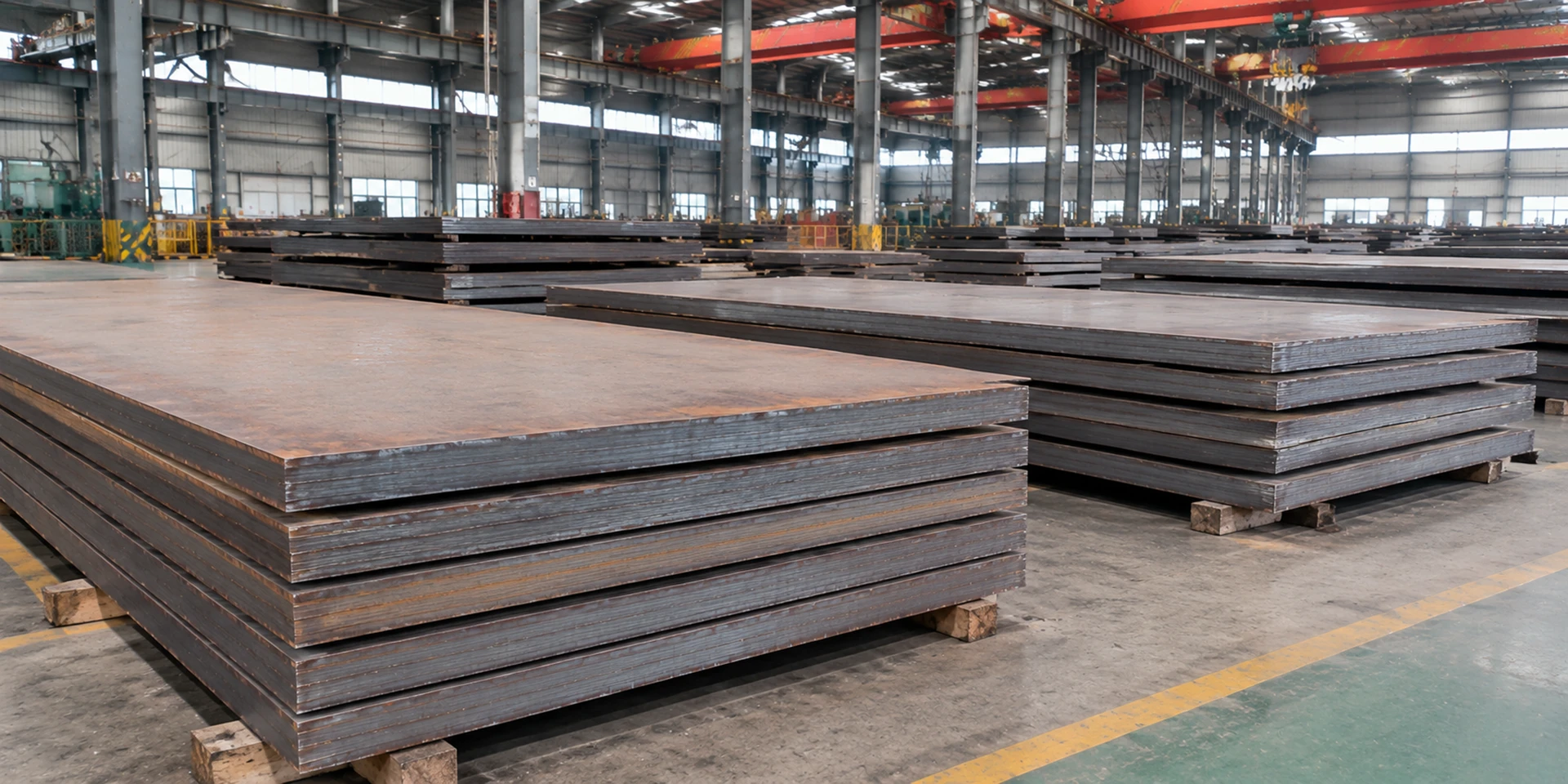
The grade designation alone is not the complete purchase specification.
| Specification item | 16MnDR procurement requirement |
|---|---|
| Grade | 16MnDR — low-temperature carbon–manganese low-alloy pressure vessel steel |
| Current product standard | GB/T 713.3-2023 — specified low-temperature properties, alongside GB/T 713.1-2023 general requirements |
| Previous standard | GB/T 3531-2014 was fully replaced on March 1, 2024; legacy projects may name that edition explicitly. |
| Nominal thickness in grade table | 5–120 mm; actual commercially available sizes depend on the producing mill and heat. |
| Plate width and length | Mill production or stock dimensions confirmed against each RFQ; cut-to-length services subject to agreed tolerance. |
| Delivery state | Normalized (N) or Normalized + Tempered (N+T), as specified by the purchase contract. |
| Impact test | Charpy V-notch at −40°C, KV2 ≥47 J, subject to applicable specimen and testing rules. |
| Base inspection documents | Producing mill test certificate, grade/heat identity, chemistry, tensile and impact test results. |
| Project additions | UT/NDT, supplementary chemistry, Z-direction properties, HIC, third-party witnessing and specified PWHT simulation when applicable. |
| Quantity and Incoterm | State pieces or MT, destination, requested shipping term and required delivery window. |
Product-property tables describe GB/T 713.3-2023 grade requirements. They are not a live stock list or a guarantee that every mill can supply every listed dimension.
Specify 16MnDR, thickness, plate size, tonnage and all required test certificates in one request.
Five distinct strength bands from 5 mm through 120 mm.
The minimum yield requirement decreases at larger gauges. Use the thickness row corresponding to the nominal plate ordered; reported yield is lower yield strength ReL, or Rp0.2 when a distinct yield point is absent.
| Nominal thickness (mm) | Min. yield (MPa) | Tensile Rm (MPa) | Min. elongation (%) | Charpy requirement |
|---|---|---|---|---|
| 5–16 | 315 | 490–620 | ≥21 | −40°C / ≥47 J |
| >16–36 | 295 | 470–600 | ≥21 | −40°C / ≥47 J |
| >36–60 | 285 | 460–590 | ≥21 | −40°C / ≥47 J |
| >60–100 | 275 | 450–580 | ≥21 | −40°C / ≥47 J |
| >100–120 | 265 | 440–570 | ≥21 | −40°C / ≥47 J |
Reference: GB/T 713.3-2023 Table 2. The full material standard and GB/T 713.1 govern specimen selection, test orientation, reduced-size impact testing, retests and any agreed supplementary conditions.
Specify the actual heat chemistry and any project-specific alloy restrictions.
Heat-analysis limits follow the 16MnDR grade table. Actual heat values belong on the mill certificate, and any product-analysis tolerances must be taken from the applicable general standard.
| Element | Heat-analysis requirement (%) | Procurement note |
|---|---|---|
| Carbon (C) | ≤0.20 | Heat analysis maximum |
| Silicon (Si) | 0.15–0.50 | Heat analysis range |
| Manganese (Mn) | 1.20–1.60 | Heat analysis range |
| Phosphorus (P) | ≤0.020 | Heat analysis maximum |
| Sulfur (S) | ≤0.010 | Heat analysis maximum |
| Nickel (Ni) | ≤0.40 | Heat analysis maximum |
| Molybdenum (Mo) | ≤0.08 | Heat analysis maximum |
| Nitrogen (N) | ≤0.012 | Heat analysis maximum |
| Aluminum, total (Alt) | ≥0.020 | Alternative Als / microalloy rules apply |
If acid-soluble aluminum (Als) is used instead of total aluminum, Als is at least 0.015%. The aluminum acceptance rule also includes an exception when Nb+V+Ti ≥0.015%; verify the chosen mill route against the current standard.
State the alloy, carbon-equivalent or weldability limits and any product-analysis requirements in the RFQ.
For low-temperature vessels, the impact record is a core acceptance item, not an optional marketing feature.
Base 16MnDR requirement in GB/T 713.3-2023. Confirm the exact test record, specimen orientation, specimen size and acceptance method for each ordered heat and thickness.
16MnDR uses a specified −40°C Charpy V-notch route. The standard testing condition is part of the material purchase specification.
Allowable design temperature, impact test exemptions and fabrication acceptance are governed by the actual vessel design code.
Review recorded results for the relevant heat; do not use a generic catalogue number as an individual plate test certificate.
Match the mill process and final test values to the condition required by your vessel design.
GB/T 713.3-2023 lists 16MnDR in the normalized or normalized-plus-tempered delivery condition. Heat-treatment requirements are therefore central to the quotation and mill inspection plan.
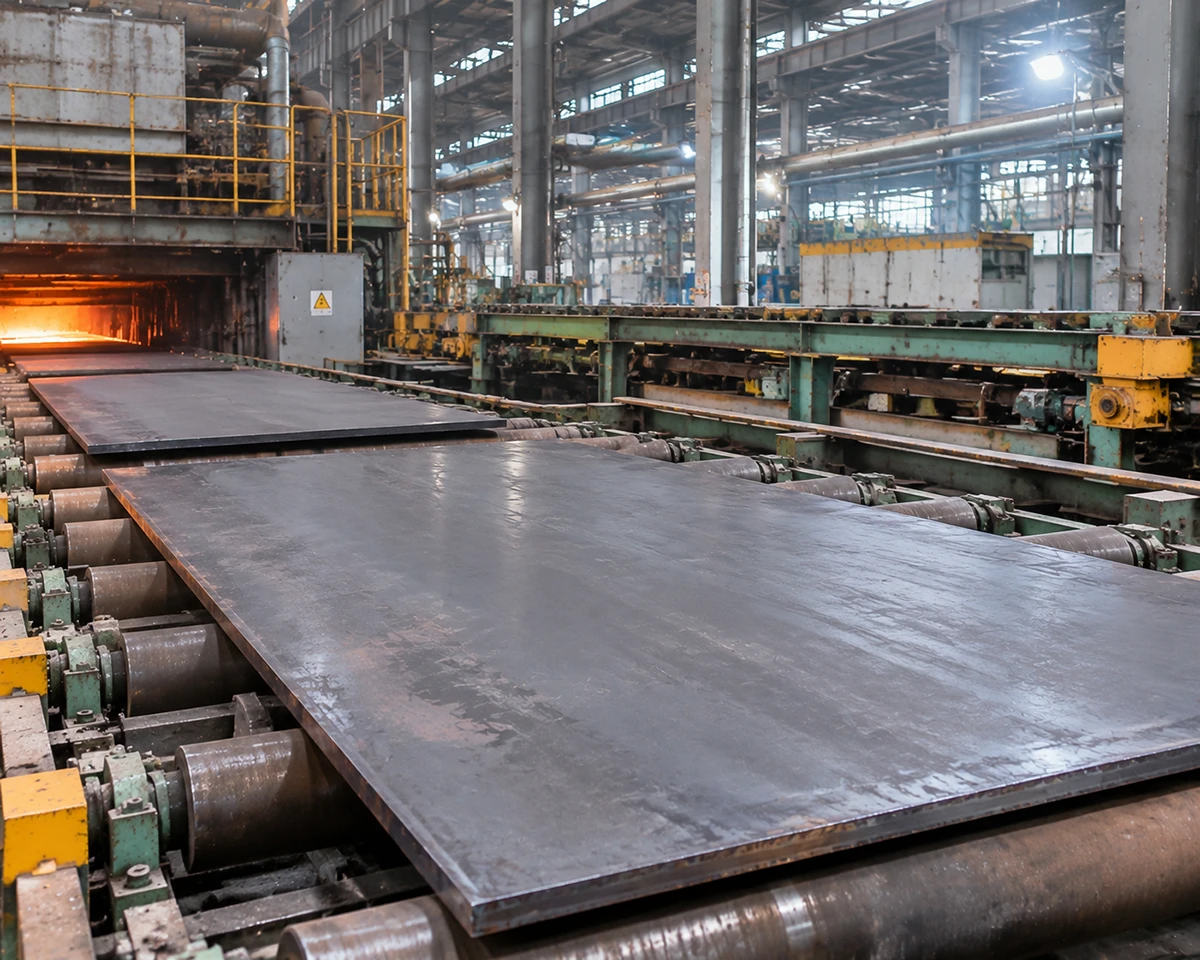
Compare standard systems and required acceptance documents before choosing a pressure-vessel material.
| Material | Standard | Typical delivery | Impact acceptance route | Buying distinction |
|---|---|---|---|---|
| 16MnDR | GB/T 713.3-2023 | N / N+T | −40°C / 47 J | Low-temperature low-alloy pressure vessel plate |
| Q345R | GB/T 713.2-2023 | Hot rolled / normalized routes under applicable rules | 0°C / 41 J basic route | Higher nominal ambient-temperature pressure steel grade |
| ASTM A516 Grade 70 | ASTM A516/A516M | As-rolled or normalized, depending on thickness and order | Project / additional test requirements | Carbon-steel welded pressure vessel plate |
| ASTM A537 Class 1 | ASTM A537/A537M | Normalized | Impact conditions specified by project | Heat-treated C–Mn–Si vessel steel |
Rows are a purchasing comparison, not an equivalence table. Material substitution requires the equipment designer or applicable code authority to approve strength, toughness, chemistry, weldability, thickness and heat treatment.
Match steel grade, temperature rating and fabrication condition to the design documentation.
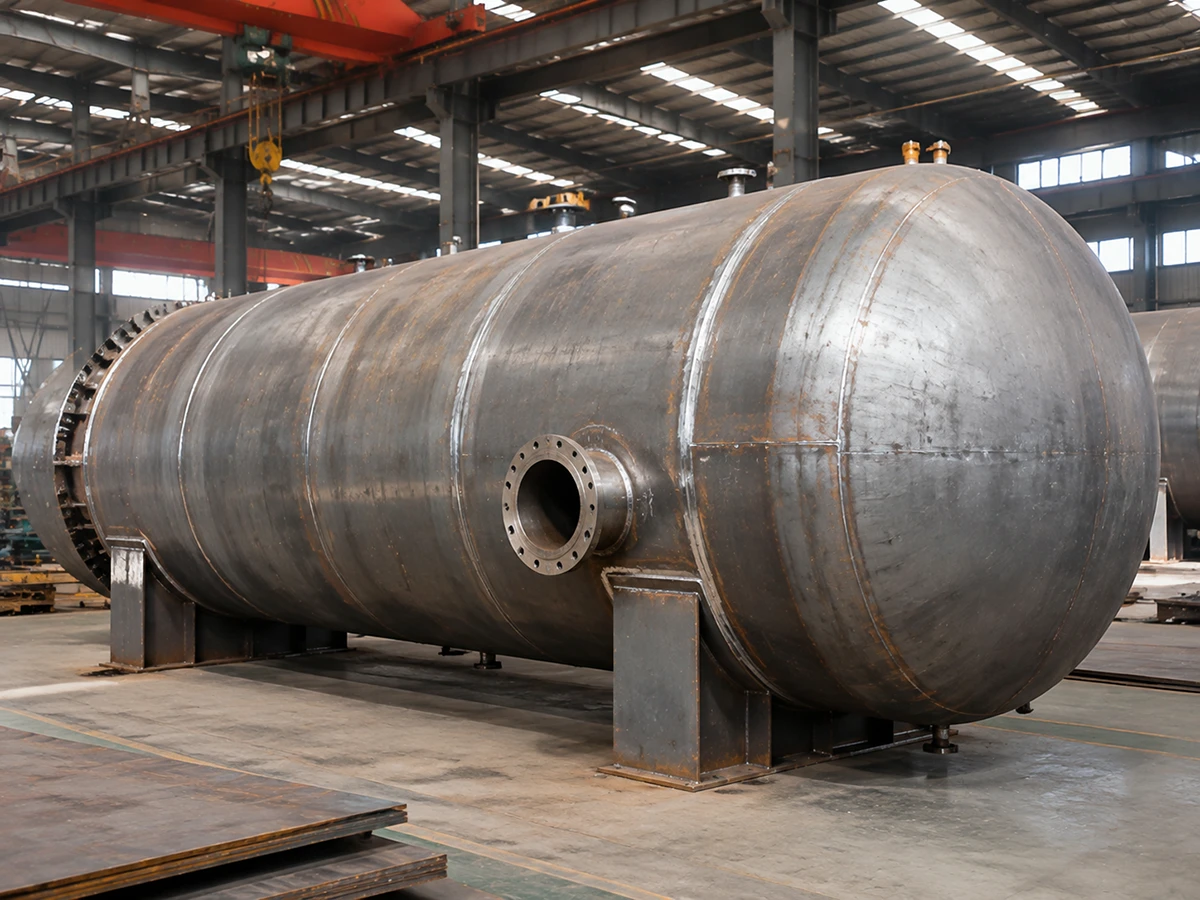
Pressure-containing shells and vessel components requiring the specified −40°C material impact route.
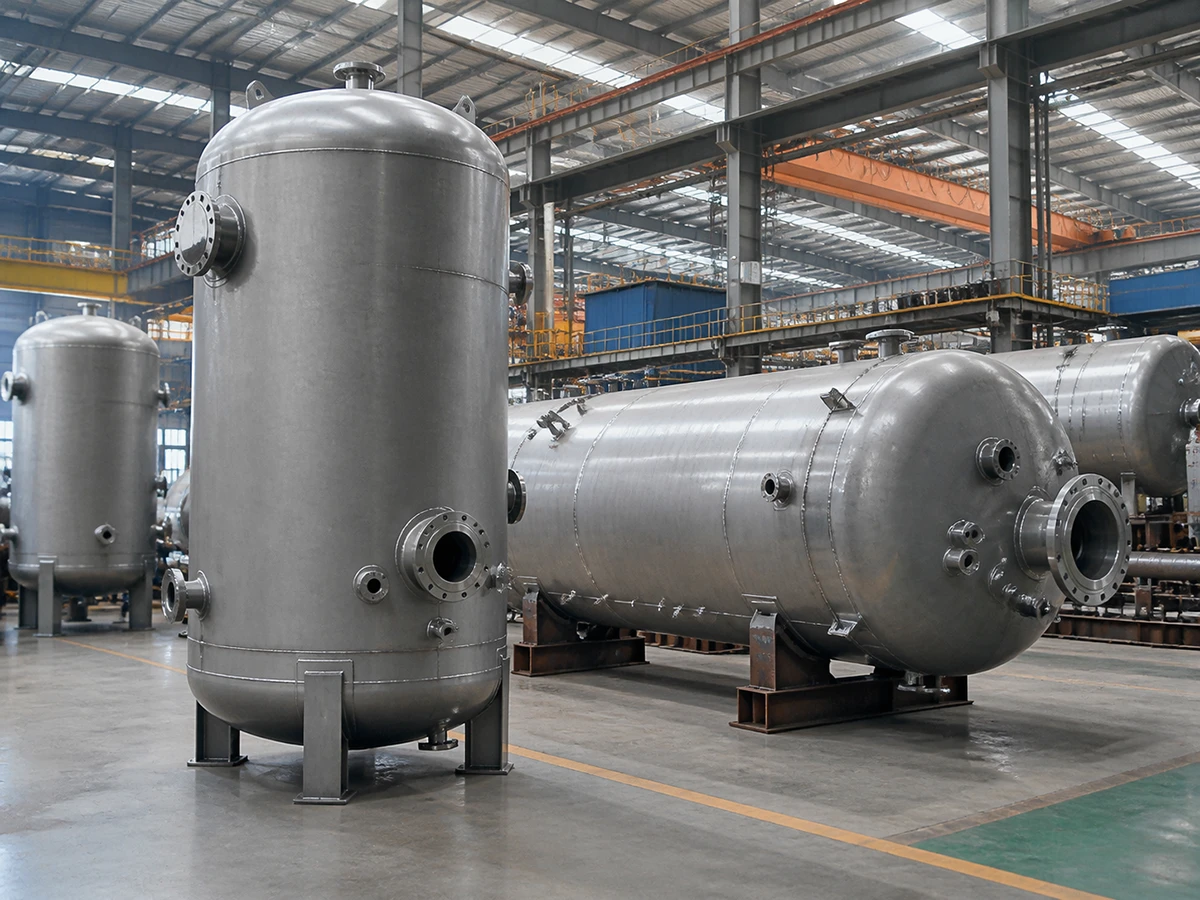
Selected tanks, storage shells, headers or equipment assemblies where the design code accepts the nominated material.
Low-temperature process equipment components subject to the project materials specification.
Vessel shells and heads requiring verified plate toughness and traceable heat identity.
Welded vessel parts delivered with material chemistry, impact and tensile test evidence.
Turnaround or repair purchases matched to existing drawings, codes and approved procedures.
Applications are indicative. Final suitability for the design temperature, fluid, weld process and national pressure-equipment regulation is determined by the competent design and manufacturing teams.
Document the actual vessel fabrication route before material release.
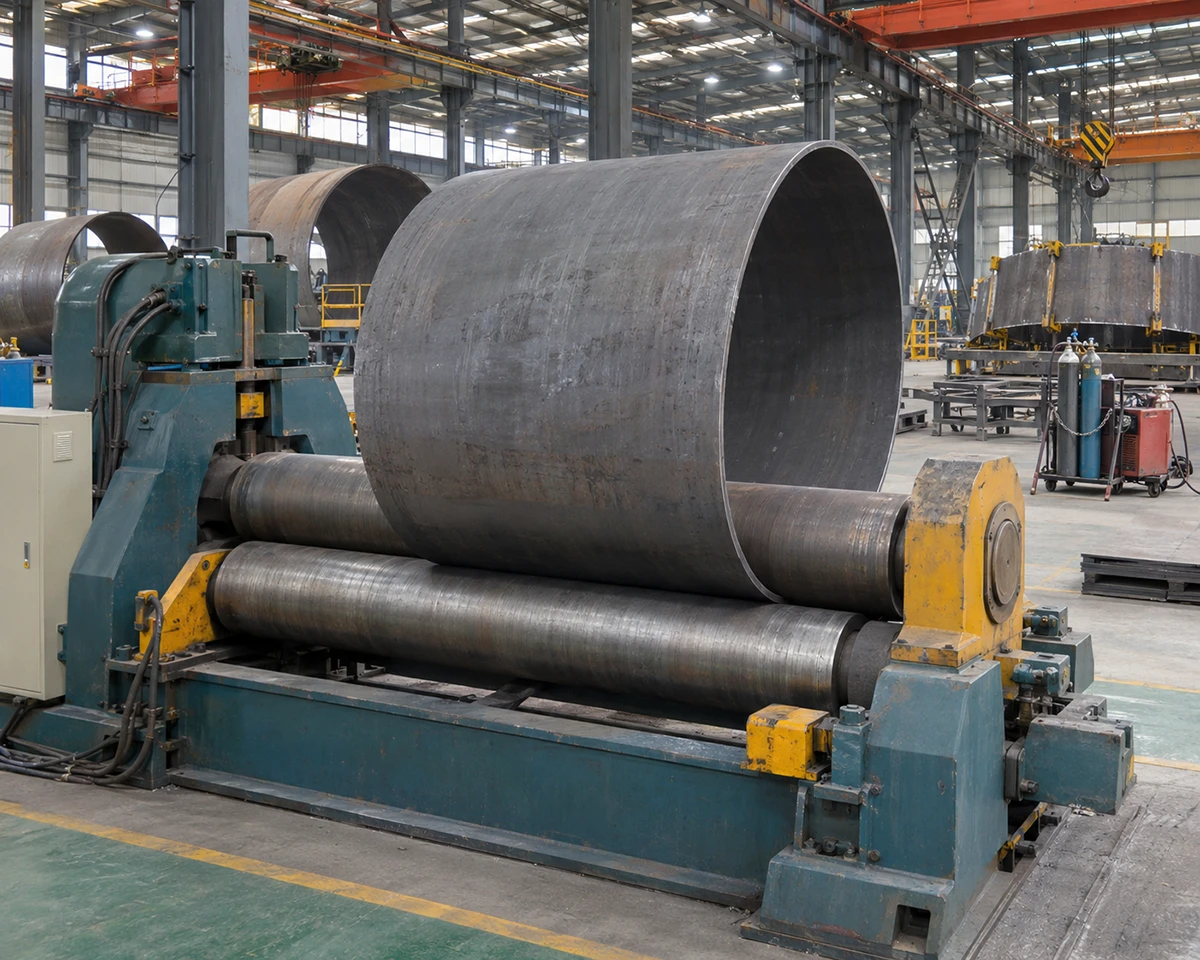
A low-temperature base-metal result must be supported by the applicable fabrication procedure, including weld metal and heat-affected-zone toughness.
A project-supply approach centered on material conformity and a clear purchase path.
Quote the specified GB/T 713.3 edition, 16MnDR material, nominal thickness band and required heat treatment.
Coordinate mill chemistry, tensile results and −40°C Charpy records by heat and plate identity.
Check mill routes, stock plates and realistic lead times rather than implying every size is on hand.
Align cut sizes, material markings, packing, destination and commercial paperwork.
BAOSTEEL METAL company-wide operating figures: approximately 8 million MT annual output, 1 million MT regular inventory, 500,000 m² and 1000+ employees. These figures cover our broader steel operations and are not 16MnDR-specific capacity or ready stock.
A plate grade must be supported by a real mill route and a matching certificate.
We match the required plate thickness, delivery condition and inspection requirements against the producing mill and its actual manufacturing capability.
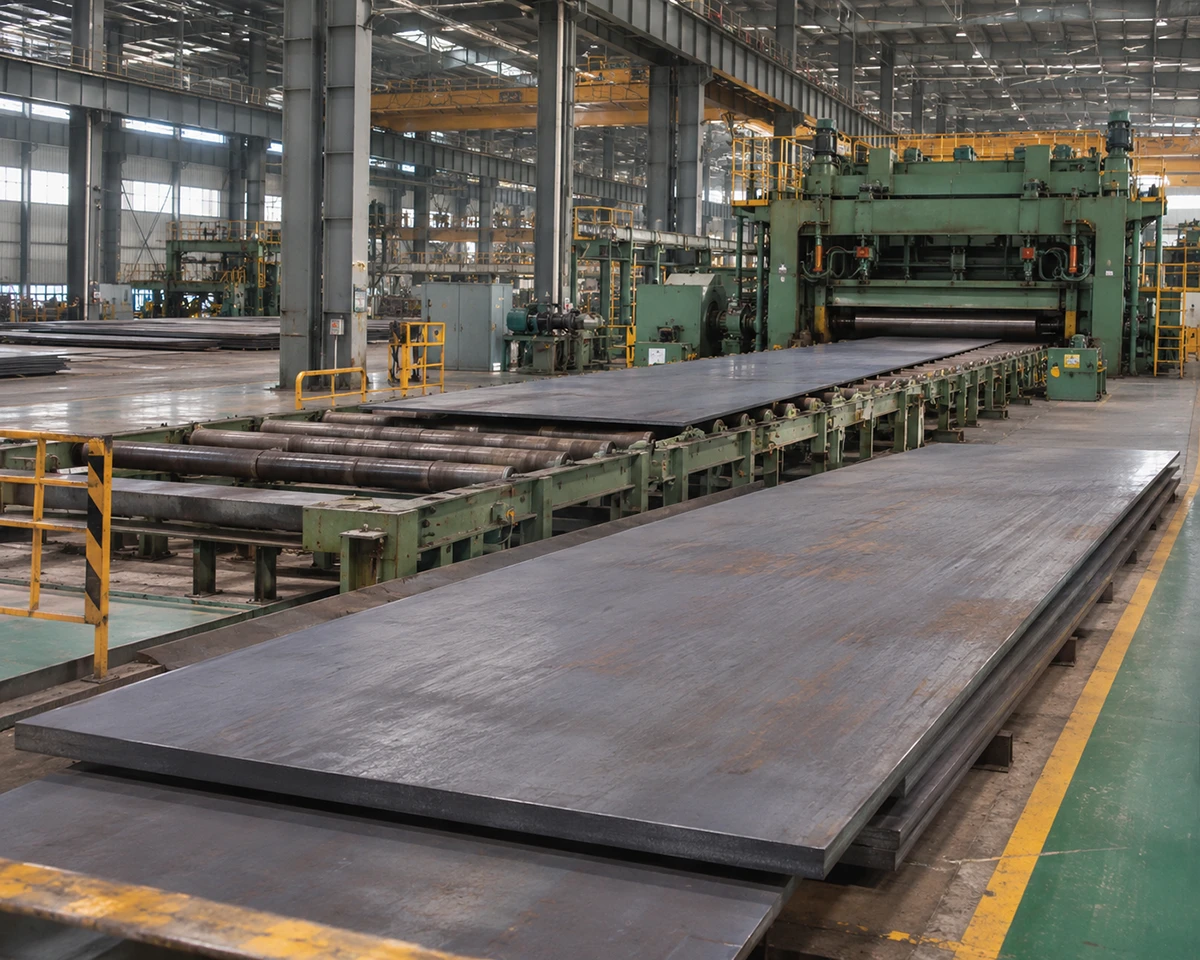
Quote from an actual mill or stock position and avoid assumptions about grade-specific inventory.
Provide thickness, width, length, pieces, destination and target delivery date.
Identify feasible ready stock or new plate production with N / N+T condition.
Agree Charpy, MTC, chemistry and any UT / HIC or third-party witness terms.
Review verified dimensions, delivery term, packing, schedule and price.
Send your material list to check stock plates, mill lead time and available certificates.
Confirm the final document set early, especially for controlled pressure equipment.
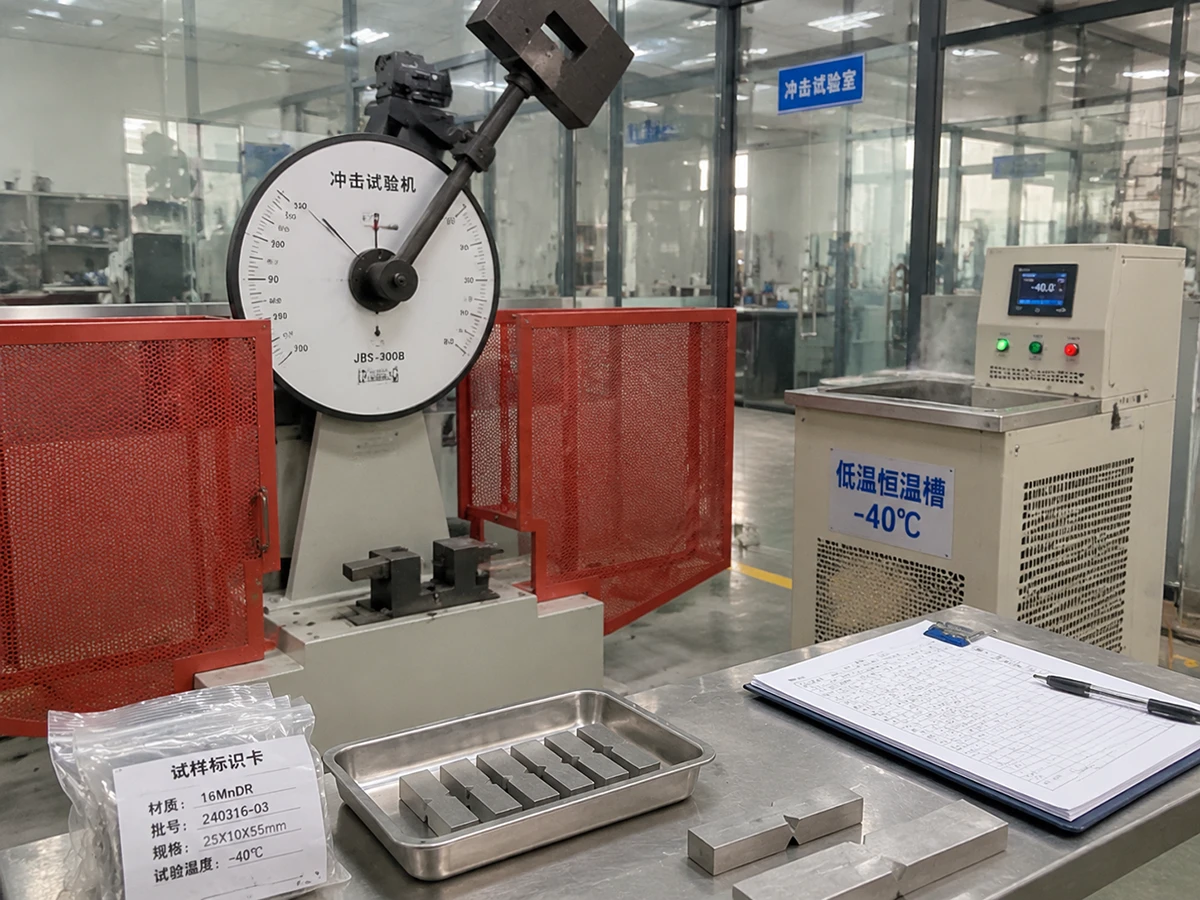
For 16MnDR, the critical documents are the actual mill test certificate and the evidence that the shipped plate was produced and tested to the specified low-temperature grade.
Select the right additional tests and acceptance criteria before rolling or dispatch.
Specify the applicable acceptance standard, test method, inspected area, sensitivity and reporting format.
If wet-H₂S or sour service applies, specify HIC or SSC criteria and the governing test method separately.
Request Z-quality where the welded joint or design calls for through-thickness ductility.
For test temperatures or energy above the baseline −40°C / 47 J requirement, obtain mill agreement in writing.
Include independent inspection, hold points, certificate format and release timing in the purchase plan.
If the fabrication route requires simulated post-weld heat treatment, agree coupon test condition and results before production.
The base grade does not guarantee every supplementary service test. Project-specific requirements are priced and accepted as part of a documented purchase order.
Estimate shipping tonnage before requesting an actual mill quote.
Enter nominal plate dimensions in millimeters and a whole-number quantity. Density 7,850 kg/m³ is used for planning only.
Theoretical weight only; delivered mass follows actual dimensions and the applicable tolerance/packing rules.
Processing supports procurement; final component acceptance follows the equipment fabricator’s requirements.
Request simple processing around your plate supply. Retain heat traceability and any required testing plan after cutting.
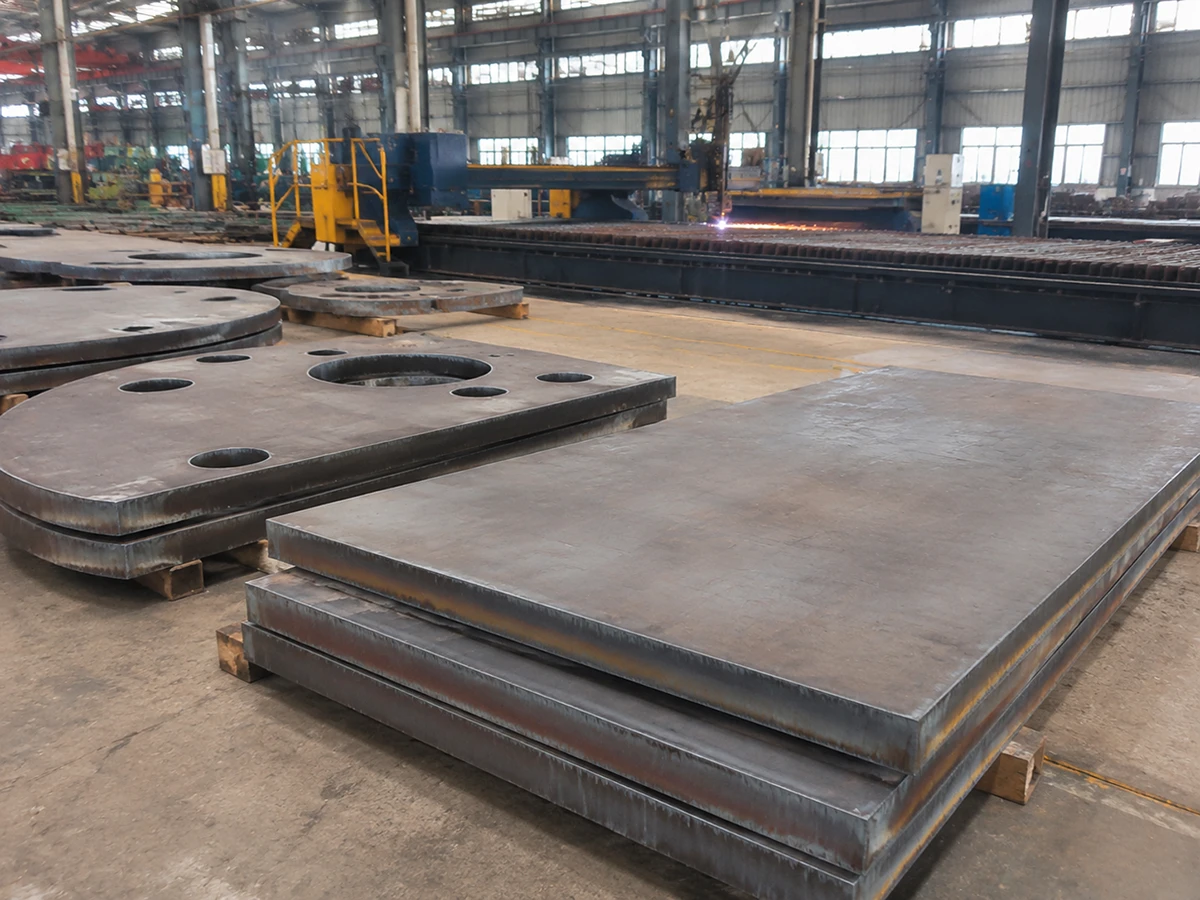
Specify DXF drawings, dimensions, tolerance and marking.
Match cut components to parent plates and certificates.
Identify UT / edge checks in the cutting schedule if required.
Keep receiving inspection straightforward with clear identifiers and document traceability.
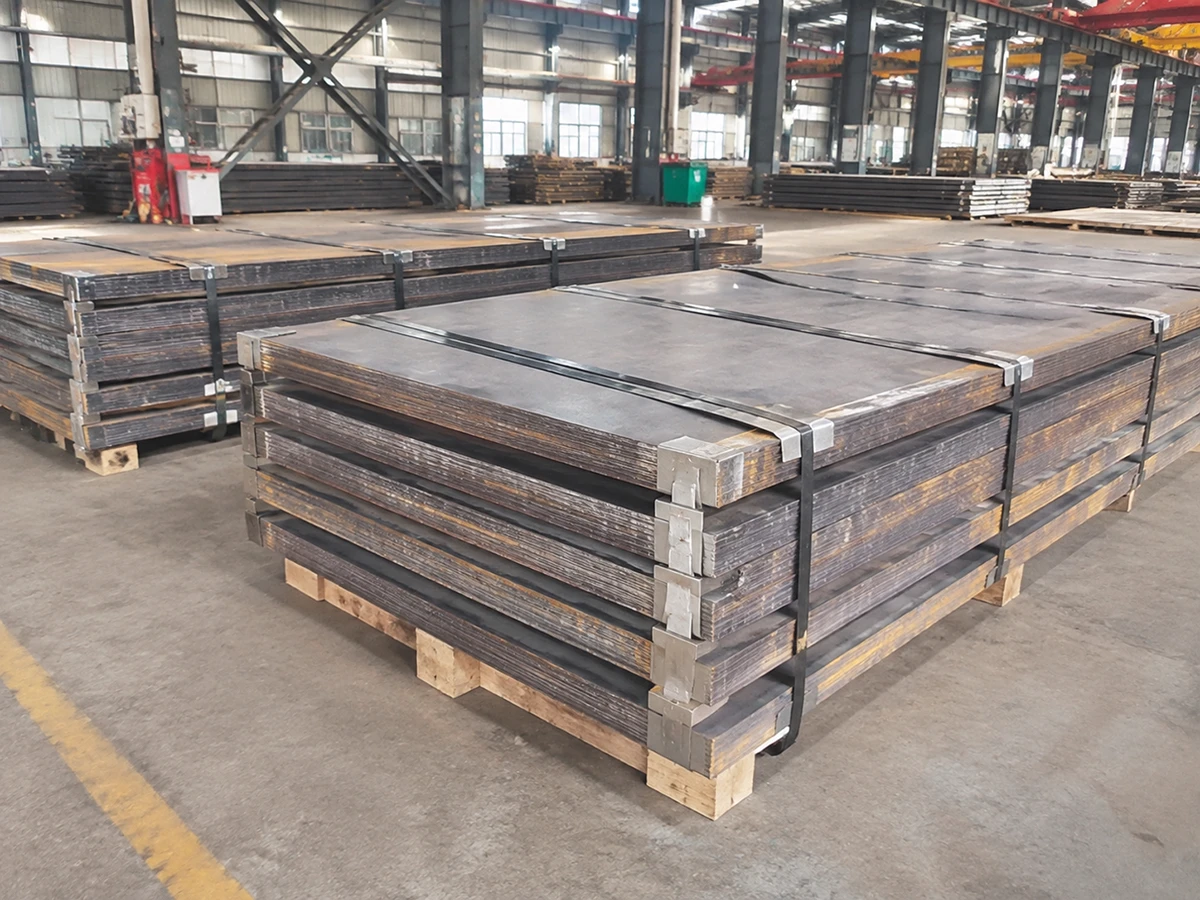
We coordinate suitable plate supports, steel strapping, marking, packing lists and shipping preparation with the agreed transport mode.
Use the source standard and design conditions to shortlist possible material systems.
All products have separate standard requirements. If a linked page remains an unpublished WordPress draft, publish it before activating the corresponding internal link.
Material identity, impact testing and documentation drive most project RFQs.
Clear answers to common questions about low-temperature plate, material standards, testing and export orders.
16MnDR is a low-alloy steel plate grade for pressure equipment requiring specified low-temperature properties under GB/T 713.3-2023.
GB/T 713.3-2023, together with relevant general requirements in GB/T 713.1-2023. It replaced GB/T 3531-2014 in March 2024.
The 16MnDR grade table specifies Charpy V-notch testing at −40°C with a minimum KV2 of 47 J, under the applicable testing and specimen rules.
No. The minimum is 315 MPa for 5–16 mm and decreases in specified steps for thicker material, reaching 265 MPa for plate above 100 mm through 120 mm.
The product standard lists normalized (N) or normalized plus tempered (N+T). Confirm the selected condition on the purchase order and mill test certificate.
No. GB/T 3531-2014 was replaced by GB/T 713.3-2023. An older drawing can be evaluated against its explicitly named material edition by the engineering team.
A material substitution requires the responsible designer or code authority to verify applicable standard, chemistry, thickness-specific strength, impact properties, weldability and heat treatment.
Additional UT, HIC and related tests should be expressly specified with their method and acceptance criteria; a generic request for 16MnDR does not establish those requirements.
Buyers generally request a producing-mill MTC with heat/plate identification, chemistry, tensile, −40°C impact test results and delivery condition, plus any agreed inspection reports.
Send thickness, width, length, quantity, delivery condition, required test records, design code, shipping destination and target date. Availability is then checked against actual mill/stock routes.
Share the GB/T 713.3 grade and edition, thickness, dimensions, tonnage, normalizing condition, −40°C impact records, vessel code, destination and required delivery window. Receive a mill-verified technical and commercial response.
Send your required grade, dimensions, quantity and destination. Our team will review the inquiry.
