
Specify Grade 50 for structural designs that call for a 50 ksi minimum yield point.
Global Steel Supply & Processing
ASTM A572/A572M-25 · 50 ksi / 345 MPa Minimum Yield Strength
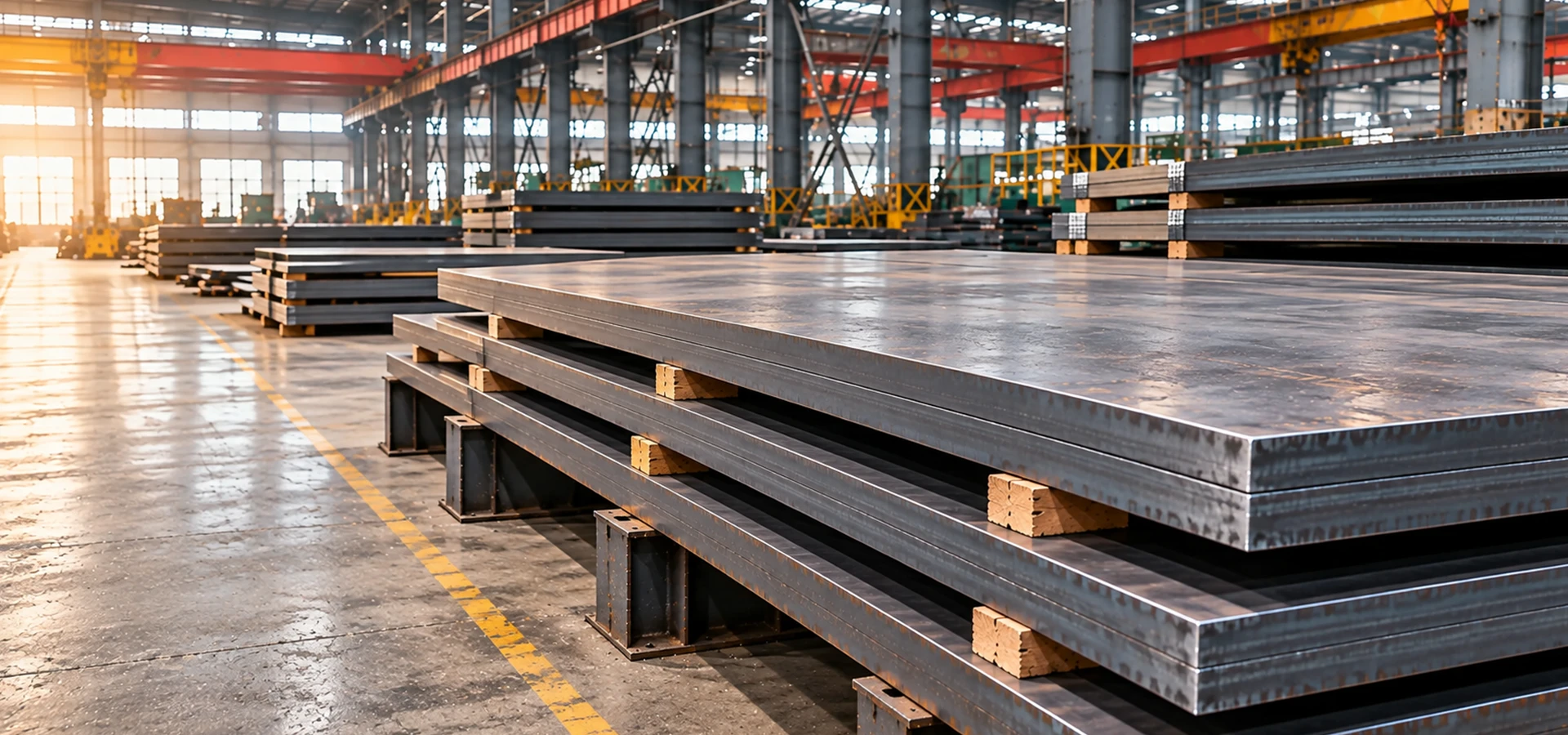
Confirm the product standard, grade, plate dimensions and test documents for your structural steel purchase.
| Product | ASTM A572 Grade 50 High-Strength Low-Alloy Steel Plate |
|---|---|
| Material Standard | ASTM A572/A572M-25 |
| Grade | 50 / 50 ksi minimum yield point |
| Steel Type | HSLA structural steel with specified microalloy content |
| Minimum Yield Strength | 345 MPa / 50 ksi |
| Minimum Tensile Strength | 450 MPa / 65 ksi |
| Maximum Plate Thickness in Standard | 100 mm / 4 in. for Grade 50 plate |
| Supply Condition | As-rolled hot-rolled plate, as specified |
| General Delivery Requirements | ASTM A6/A6M as referenced by A572 |
| Inspection Documents | MTC, heat analysis, tensile test and agreed supplementary tests |
| Order Dimensions | Thickness × width × length; quantity in pieces or metric tons |
Include the project requirements that determine material acceptance and delivery.
A572 Grade 50 combines a higher specified yield level with the fabrication requirements used for structural plate procurement.
Specify Grade 50 for structural designs that call for a 50 ksi minimum yield point.
Columbium, vanadium, titanium and nitrogen alloy systems support the required high-strength low-alloy grade chemistry.
Grade 50 is specified for bolted, welded and riveted structural applications under the applicable design and fabrication requirements.
Share your design thickness, connection details and inspection requirements with the plate schedule.
Heat-analysis limits depend on plate thickness and the selected alloy type. Use the MTC to confirm your supplied heat.
| Element | Grade 50 reference requirement | Procurement detail |
|---|---|---|
| Carbon (C) | ≤0.23% | Heat-analysis maximum |
| Manganese (Mn) | ≤1.35% | ASTM permits specified adjustment with reduced carbon; minimum depends on plate thickness |
| Phosphorus (P) | ≤0.040% | Heat-analysis maximum |
| Sulfur (S) | ≤0.050% | Heat-analysis maximum |
| Silicon (Si) | ≤0.40% | For specified thicker plate conditions, 0.15–0.40% range applies |
Confirm the selected A572 alloy type and its heat-analysis report as part of your material acceptance.
| ASTM Alloy Type | Required alloy system | Heat-analysis reference |
|---|---|---|
| Type 1 | Niobium / Columbium | 0.005–0.05% Nb |
| Type 2 | Vanadium | 0.01–0.15% V |
| Type 3 | Niobium + Vanadium | Nb 0.005–0.05%; V 0.01–0.15%; Nb + V 0.02–0.15% |
| Type 5 | Titanium + Nitrogen + Vanadium | Ti 0.006–0.04%; N 0.003–0.015%; V ≤0.06% |
The producer selects the permitted type unless the purchaser specifies otherwise. The applicable alloy content is reported with the material test documentation.
The following minimum values are specified for Grade 50 plate under ASTM A572/A572M.
| Mechanical property | ASTM Grade 50 requirement |
|---|---|
| Yield Point | 50 ksi / 345 MPa minimum |
| Tensile Strength | 65 ksi / 450 MPa minimum |
| Elongation in 200 mm (8 in.) | 18% minimum |
| Elongation in 50 mm (2 in.) | 21% minimum |
| Maximum Plate Thickness | 4 in. / 100 mm |
Set the test scope around your structural design, plate dimensions and fabrication conditions.
ASTM A6/A6M elongation adjustments may apply to plates wider than 600 mm. Confirm specimen orientation, plate width and the applicable edition in your purchase specification.
Your plate schedule can specify the surface condition, edge preparation, dimensional tolerance and shipment protection.
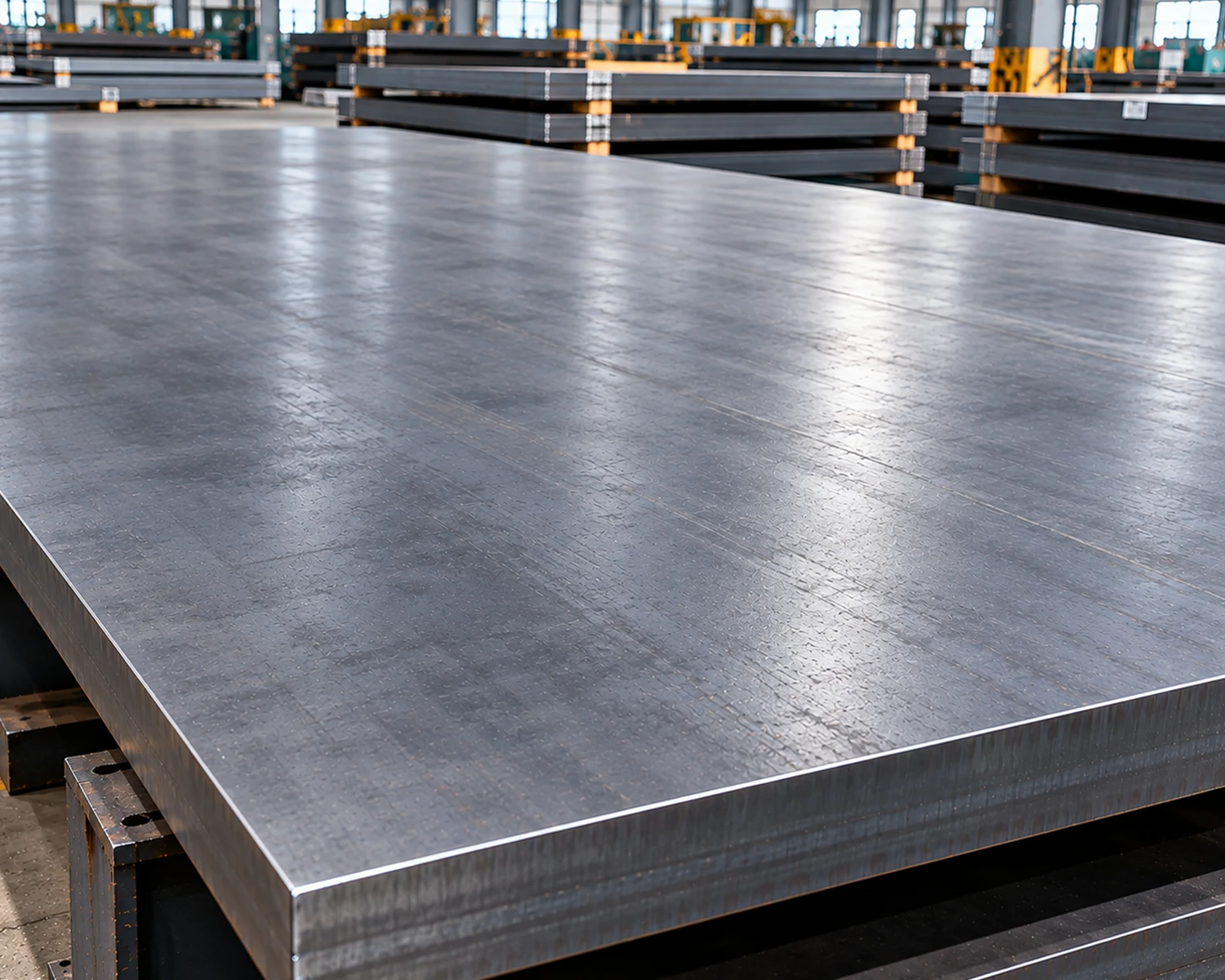
As-rolled structural plate with a natural mill surface.
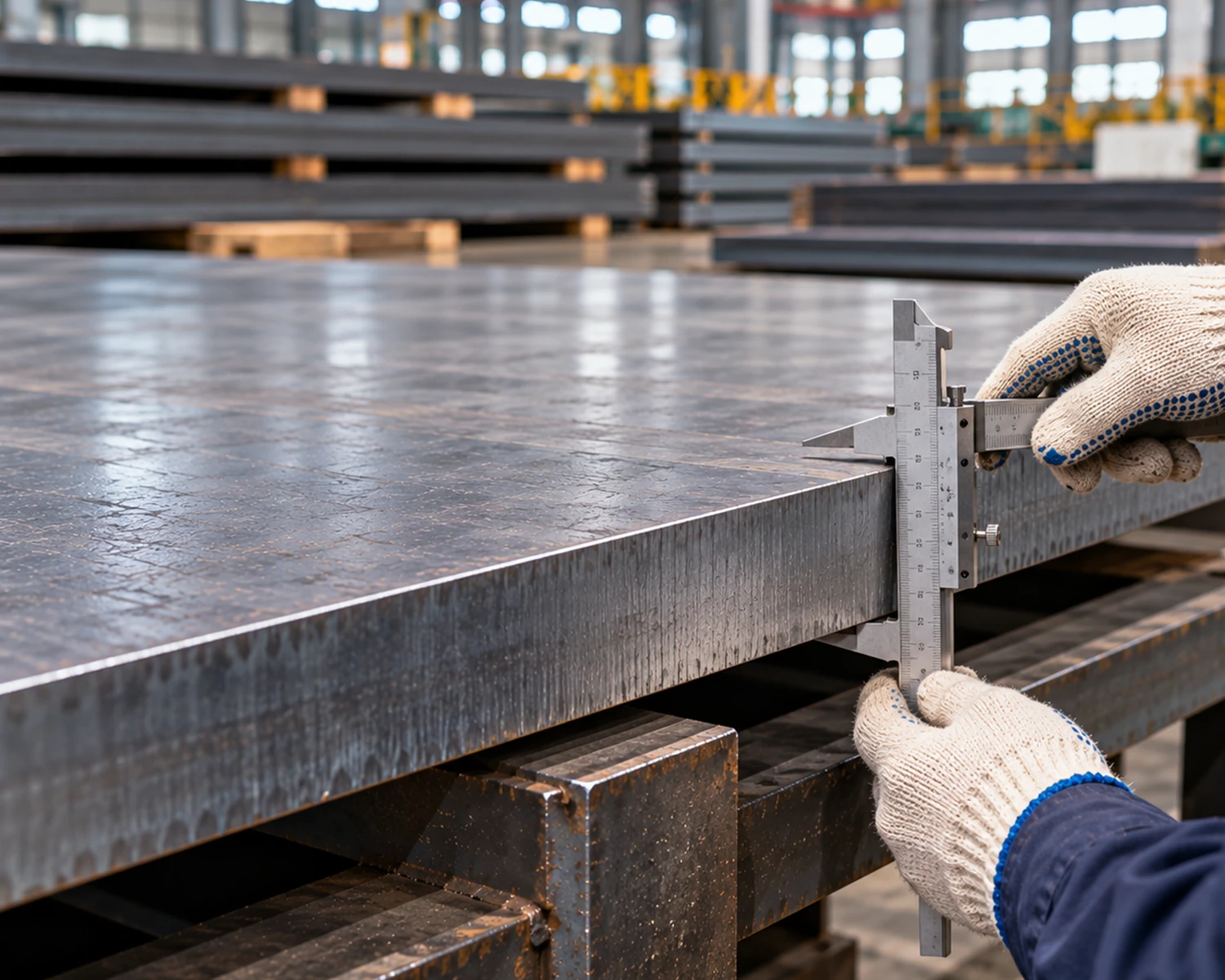
Specify nominal thickness, cut edge and dimensional tolerance.
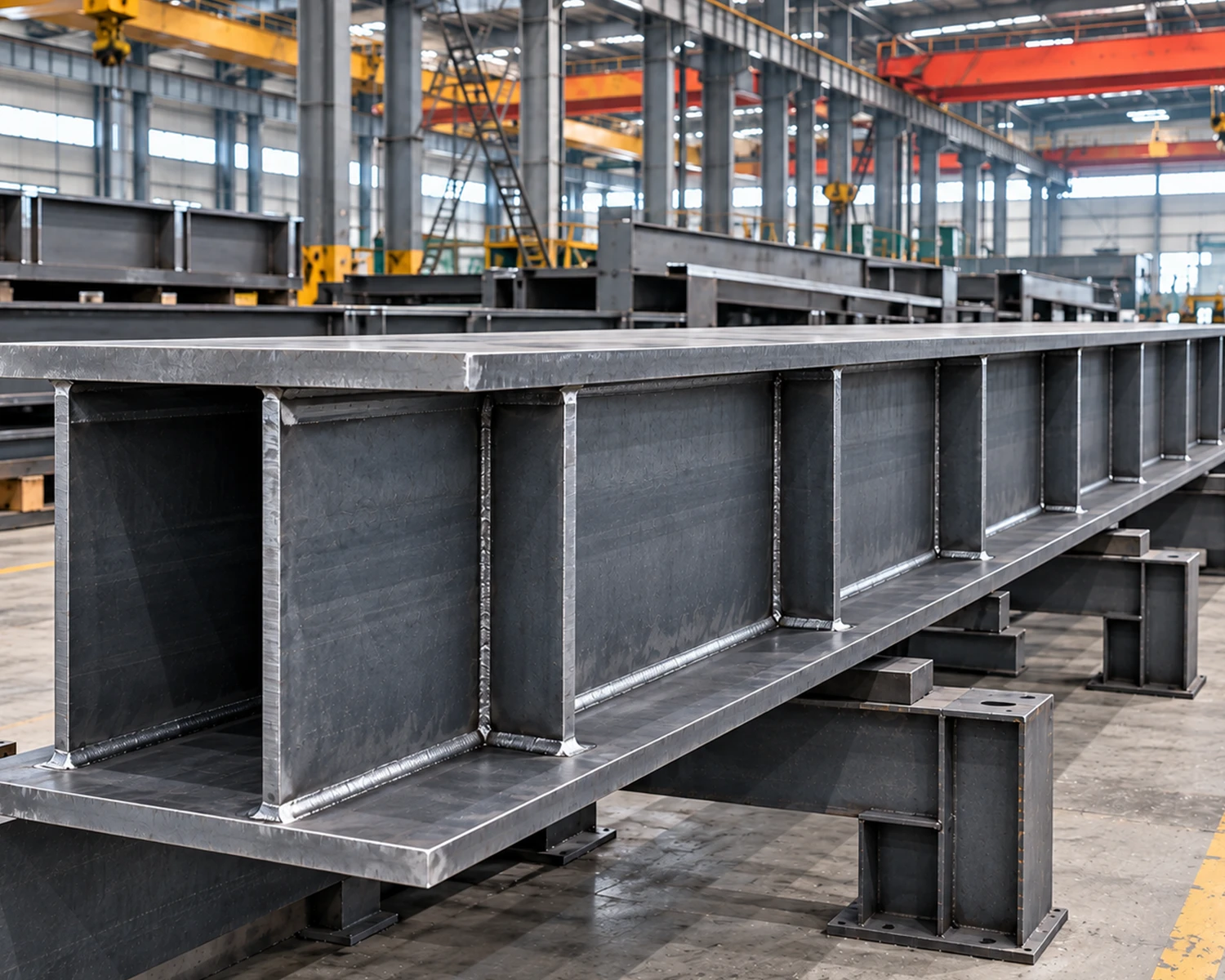
Finished dimensions and edge preparation based on your drawings.
Use Grade 50 plate for structural projects with defined design strength, connection and inspection requirements.
Structural plate components for bridge fabrication, with project-specific impact toughness requirements where specified.
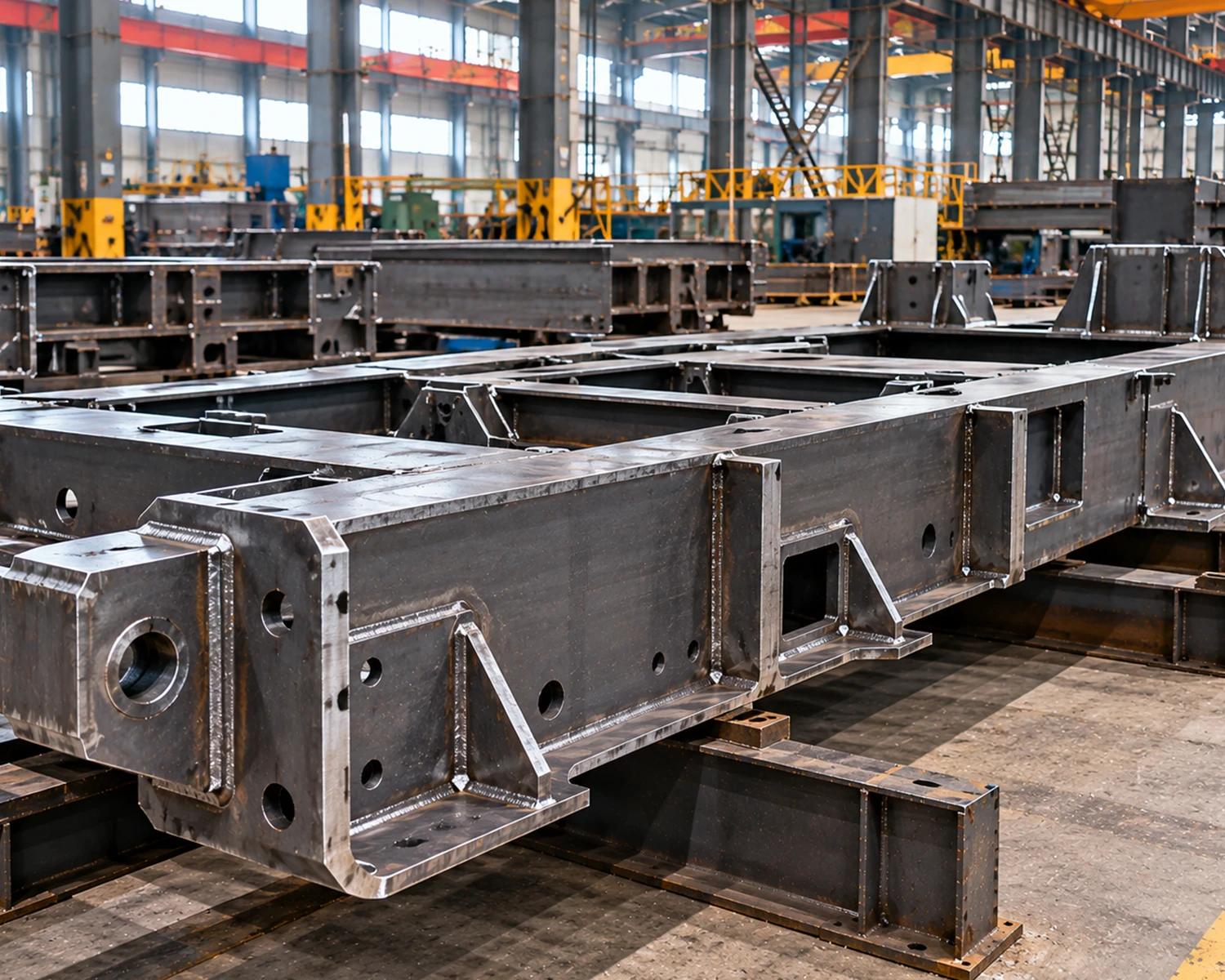
Columns, connection plates, base plates and fabricated structural members.
Equipment supports, access platforms, industrial frames and structural assemblies.
Structural plate components and fabricated support structures.
Plate components for transport equipment and heavy-duty fabrication.
Frames, brackets, structural supports and equipment components.
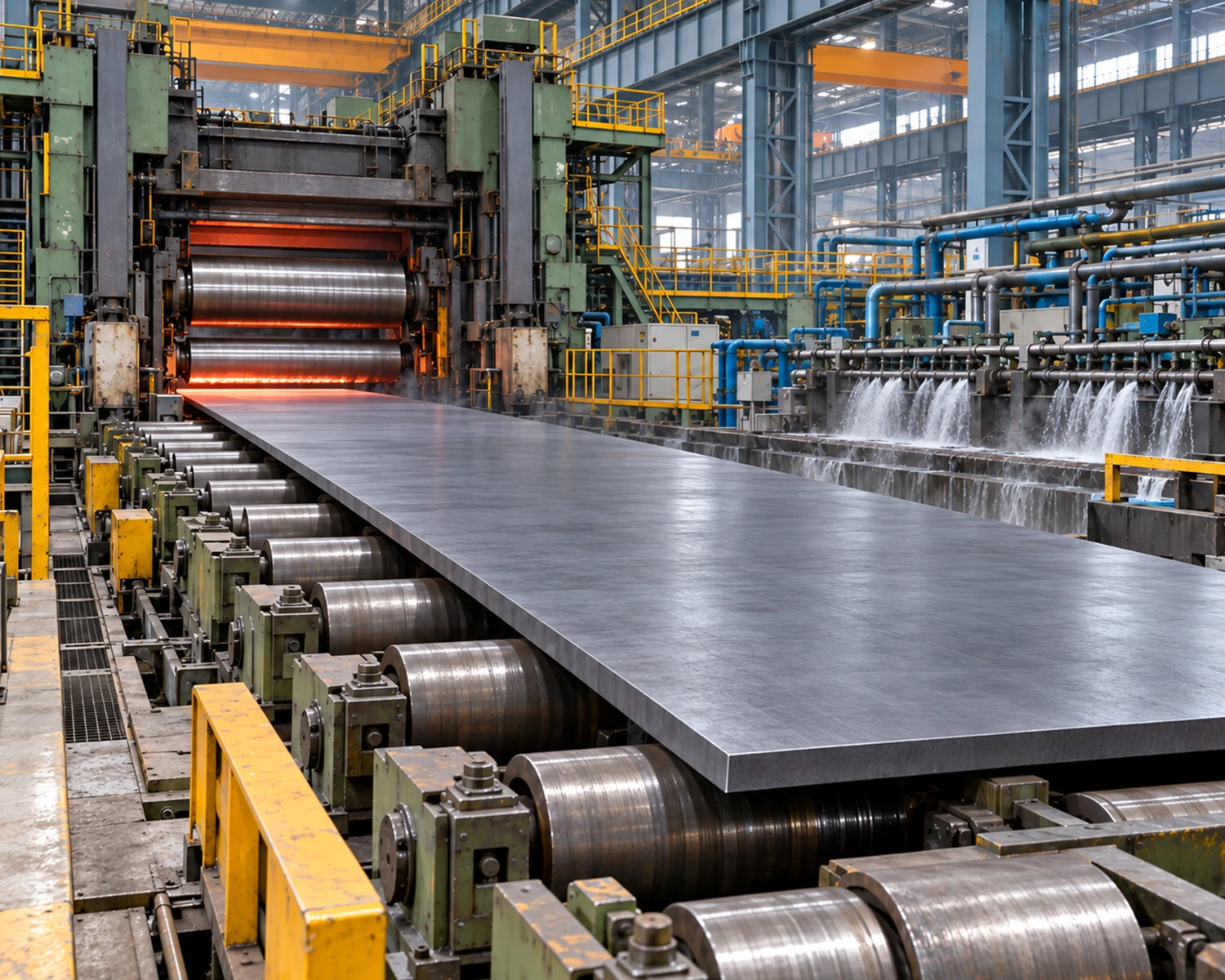
Send your structural drawings, plate schedule and project inspection requirements.
Compare the structural grade, specified strength and project requirements before finalizing your plate selection.
| Steel grade | Minimum yield strength | Material focus | Product page |
|---|---|---|---|
| ASTM A36 | 250 MPa / 36 ksi | General carbon structural steel | A36 Steel Plate → |
| ASTM A572 Grade 50 | 345 MPa / 50 ksi | HSLA structural plate with specified alloy content | Current page |
| ASTM A588 | Grade-dependent; up to 345 MPa / 50 ksi | Atmospheric corrosion-resistant structural steel | A588 Steel Plate → |
| ASTM A514 Grade B | High-yield quenched-and-tempered plate | Higher-strength structural and equipment applications | A514 Grade B → |
A572 Grade 50 and A588 serve different material specifications. A588 is selected where atmospheric corrosion performance forms part of the project requirement. A514 uses a quenched-and-tempered product specification.
Your order can draw on our company-wide production capacity, inventory operations and export coordination.
Actual annual steel production across our company product range.
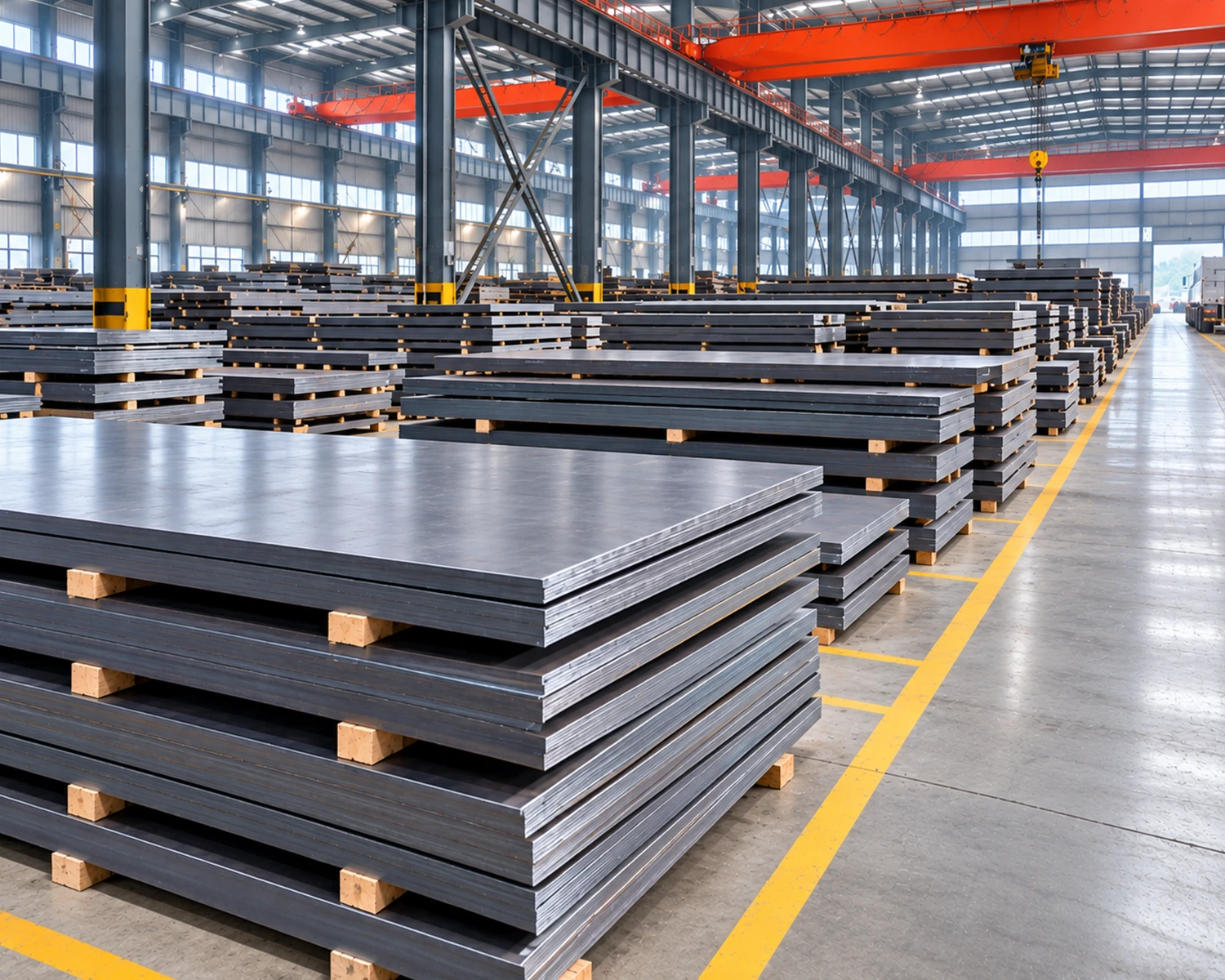
Company-wide steel inventory supports planned purchasing; confirm A572 Grade 50 sizes by enquiry.
Industrial facilities support steel production, order coordination and material handling.
Production and order teams coordinate material requirements, inspection and export supply.
Send your thickness breakdown, plate dimensions, tonnage and delivery target. Our team will confirm the supply route, order schedule and material documentation for your project.
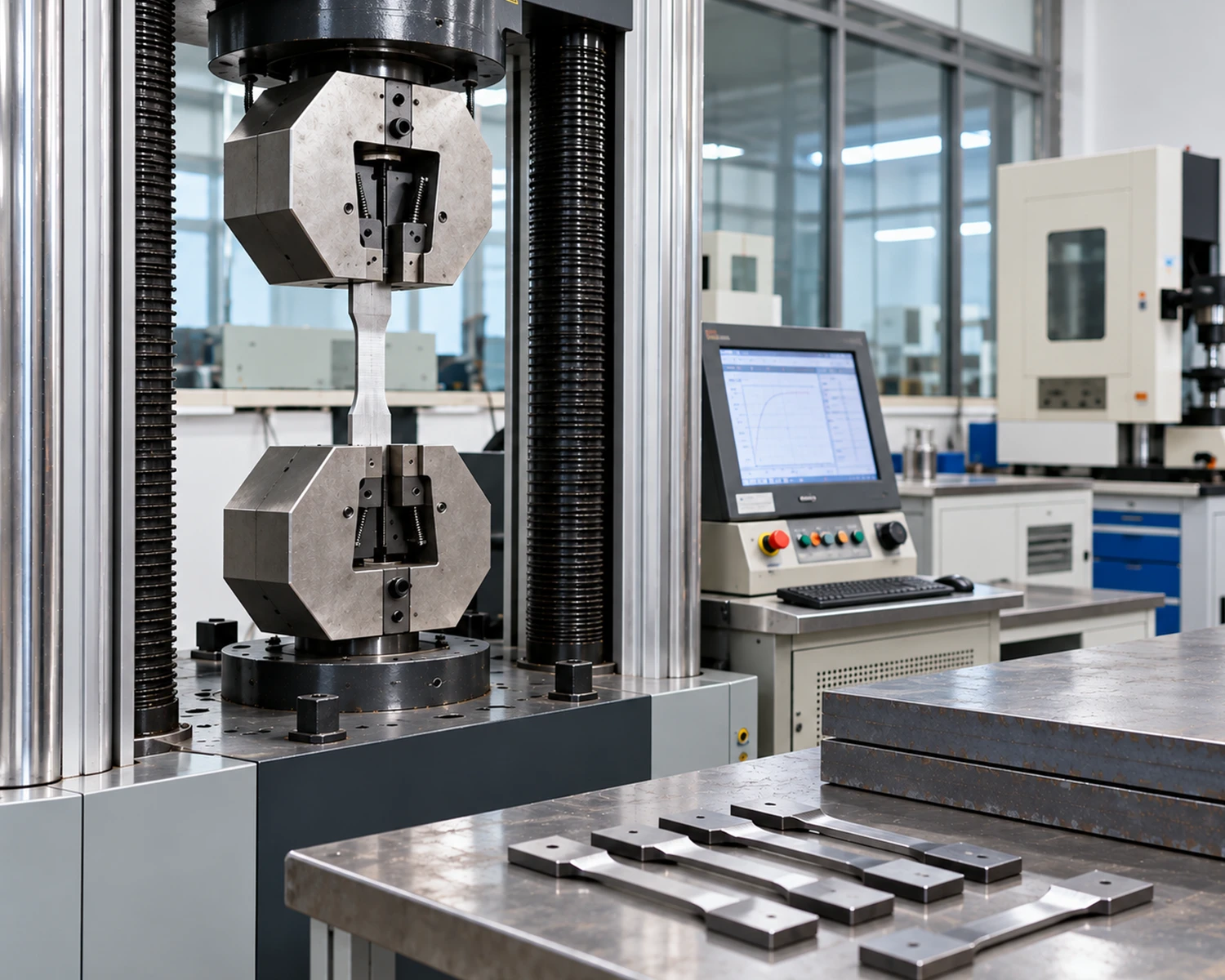
Set your material acceptance scope with the purchase order. The inspection package can include heat analysis, tensile testing, dimensional checks and supplementary testing agreed for the project.
Calculate nominal plate mass from thickness, width, length and quantity using a steel density of 7,850 kg/m³.
Theoretical mass for order planning. Final shipment weight follows the agreed dimensions and weighing basis.
List each plate size and quantity for a consolidated factory quotation.
Include the drawing, finished dimensions and tolerance requirements with your material list.
Profile cutting for structural plate blanks and components based on the drawing.
Cutting options for selected heavy plate thicknesses and finished dimensions.
Hole layouts, bevels and prepared edges according to approved fabrication details.
Attach your plate nesting plan or component drawings for a combined material and processing quotation.
Specify bundle weights, surface protection, edge guards, marking and unloading conditions. Packing details and shipment lots are coordinated with your destination requirements.
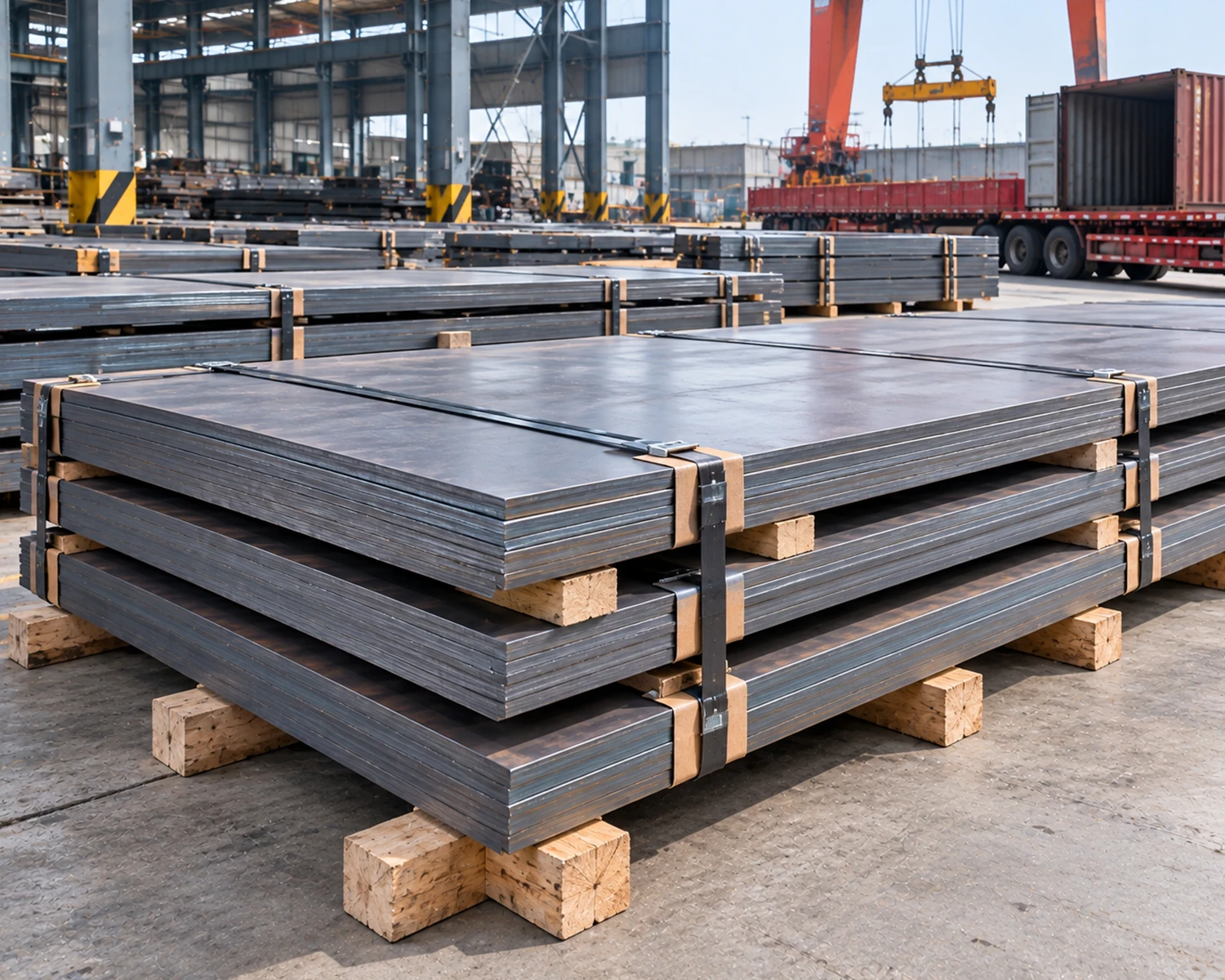
Review related structural grades and connect your plate purchase list across product categories.
ASTM A572 Grade 50 specifies a minimum yield point of 50 ksi, equivalent to 345 MPa, with a minimum tensile strength of 65 ksi or 450 MPa.
The ASTM A572/A572M product table lists a maximum plate thickness of 4 in. or 100 mm for Grade 50. Confirm the ordered product dimensions and current standard requirements.
The grade has carbon, manganese, phosphorus, sulfur and silicon requirements, together with one of the permitted niobium, vanadium or titanium-based alloy systems.
Grade 50 is covered for bolted, welded and riveted structural applications. Your project welding procedure, design code and supplementary toughness requirements define the fabrication acceptance.
Yes. Include the required CVN test temperature, absorbed energy criteria, specimen orientation and frequency in the purchase specification.
Specify the MTC, heat analysis, alloy-type reporting, tensile test results, dimensional inspection and any agreed CVN or ultrasonic test records.
Send your required grade, dimensions, quantity and destination. Our team will review the inquiry.