Global Steel Supply & Processing
Legacy Grade 75 [520] · 75 ksi Specified Minimum Yield · Edition-Specific Enquiries
Need ASTM A615 Grade 75 (Grade 520) rebar for an older schedule or a defined special application? Send the applicable standard edition, bar sizes, quantities and acceptance criteria. We review procurement feasibility and suitable specification routes for your project.
Check current ASTM grade status ↓
Grade 75 remains a meaningful historical project designation, but its applicability depends on the edition and intended end use.
Earlier editions, including ASTM A615/A615M-16, included Grade 75 [520] in the main concrete-reinforcement grades. From the 2018 revision (A615/A615M-18ε1), Grade 75 was removed from the main body. The current ASTM A615/A615M-26 scope names Grades 40, 60, 80 and 100 for ordinary concrete reinforcement.
Annex A2 of newer ASTM A615 editions addresses Grade 75 [520] for other applications, such as certain mining-related uses. Annex A2 does not automatically qualify Grade 75 as current-standard concrete reinforcement. For new concrete projects, an engineer may assess a Grade 80 [550] alternative where the design and governing rules allow it.
Start with the edition, intended application and bar designation. Each affects whether a Grade 75 enquiry can be accepted as written.
| Product Name | ASTM A615 Grade 75 Rebar (historical / edition-specific) |
| Designation | Grade 75 [520]; 75,000 psi specified minimum yield |
| Earlier Example | ASTM A615/A615M-16 included Grade 75 in its main scope |
| Current Edition | ASTM A615/A615M-26; Grade 75 excluded from main concrete-grade list |
| Other Uses | Annex A2 Grade 75 provisions, only when expressly specified |
| Bar Size | ASTM # bar designation and suitable SI equivalent; eligibility depends on edition |
| Surface | Deformed / ribbed steel bar; mill finish as ordered |
| Order Form | Cut lengths; coil requests assessed by size and applicability |
| Length | 6 m / 9 m / 12 m or approved project lengths by agreement |
| Acceptance | Named standard edition, heat-specific MTC, agreed tests and project approval |
| Quotation | Exact application, size, length, tonnage, destination and approval status |
ASTM bar numbers represent nominal dimensions and mass; transverse ribs make the measured outer dimension different from the equivalent nominal round diameter. Record the exact # bar on the purchase order and compare rolling marks with the MTC.
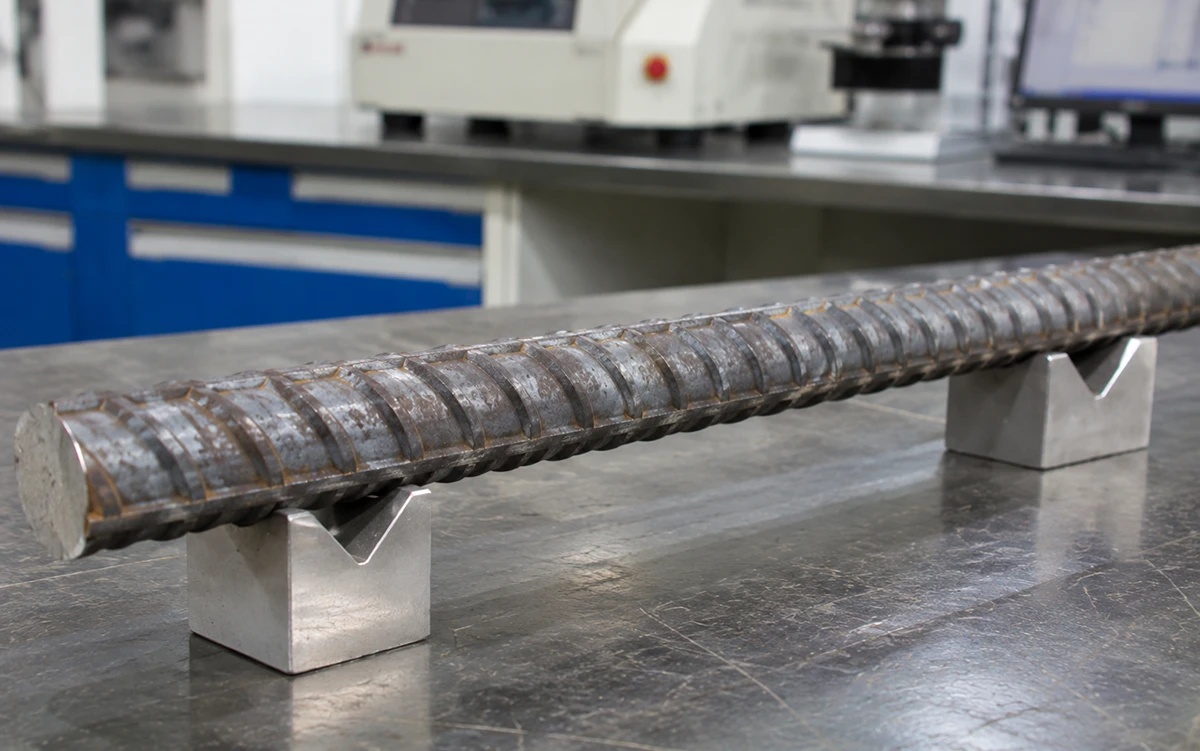
Common ASTM bar sizes are shown for estimating geometry and shipment weights. The permitted Grade 75 size range must be confirmed from the contract edition and application.
| ASTM Bar No. | SI Designation | Nominal Diameter (in) | Approx. Diameter (mm) | Area (in²) | Nominal Weight (lb/ft) | Approx. Mass (kg/m) |
|---|---|---|---|---|---|---|
| #3 | No. 10 | 0.375 | 9.5 | 0.11 | 0.376 | 0.560 |
| #4 | No. 13 | 0.500 | 12.7 | 0.20 | 0.668 | 0.994 |
| #5 | No. 16 | 0.625 | 15.9 | 0.31 | 1.043 | 1.552 |
| #6 | No. 19 | 0.750 | 19.1 | 0.44 | 1.502 | 2.235 |
| #7 | No. 22 | 0.875 | 22.2 | 0.60 | 2.044 | 3.042 |
| #8 | No. 25 | 1.000 | 25.4 | 0.79 | 2.670 | 3.973 |
| #9 | No. 29 | 1.128 | 28.7 | 1.00 | 3.400 | 5.060 |
| #10 | No. 32 | 1.270 | 32.3 | 1.27 | 4.303 | 6.404 |
| #11 | No. 36 | 1.410 | 35.8 | 1.56 | 5.313 | 7.906 |
| #14 | No. 43 | 1.693 | 43.0 | 2.25 | 7.650 | 11.383 |
| #18 | No. 57 | 2.257 | 57.3 | 4.00 | 13.600 | 20.240 |
These are general nominal rebar dimensions and masses, not a Grade 75 availability or approval chart. Older editions and Annex A2 may differ in permitted sizes. ASTM inch-pound and metric requirements are independent; specify the contractual system.
Attach the plan, the required ASTM edition, and the bar-size takeoff so the grade can be checked before pricing.
The figures below describe historical Grade 75 [520] references. They do not establish compliance with the current A615/A615M-26 concrete-rebar grade list.
| Nominal Bar Size | Historical Elongation Reference | How to Apply |
|---|---|---|
| #6–#8 | 7% minimum (8 in. gauge length) | Reference from older published Grade 75 provisions |
| #9–#11 | 6% minimum (8 in. gauge length) | Reference from older published Grade 75 provisions |
| #14–#18 | 6% minimum (8 in. gauge length) | Reference from older published Grade 75 provisions |
Ask for the specified edition and intended application, then confirm heat analysis, tension and elongation results, bar number, bend testing, and the purchaser's acceptance criteria. Historical test data should not be used to certify production without matching evidence.
For a proposed Grade 80 substitution on a concrete project, obtain documented approval from the structural engineer and check detailing, splices and construction-code compliance.
Bend-test provisions and rolled identification need to match the specified historical edition or Annex A2 use—not a generic current-grade assumption.
| Representative # Size | Historic Test Pin Diameter |
|---|---|
| #6–#8 | 5 × nominal bar diameter |
| #9–#11 | 7 × nominal bar diameter |
| #14–#18 | 9 × nominal bar diameter |
Illustrative legacy test-pin references only. The angle, allowed sizes and test acceptance depend on the specified edition. Laboratory bend-test radii do not dictate field bend schedules.
Deformed bars commonly carry rolled mill, size, steel-type and grade marks. Examine grade marks, tags and test reports together; the grade indication alone cannot resolve whether an older contract or the Annex A2 application governs acceptance.
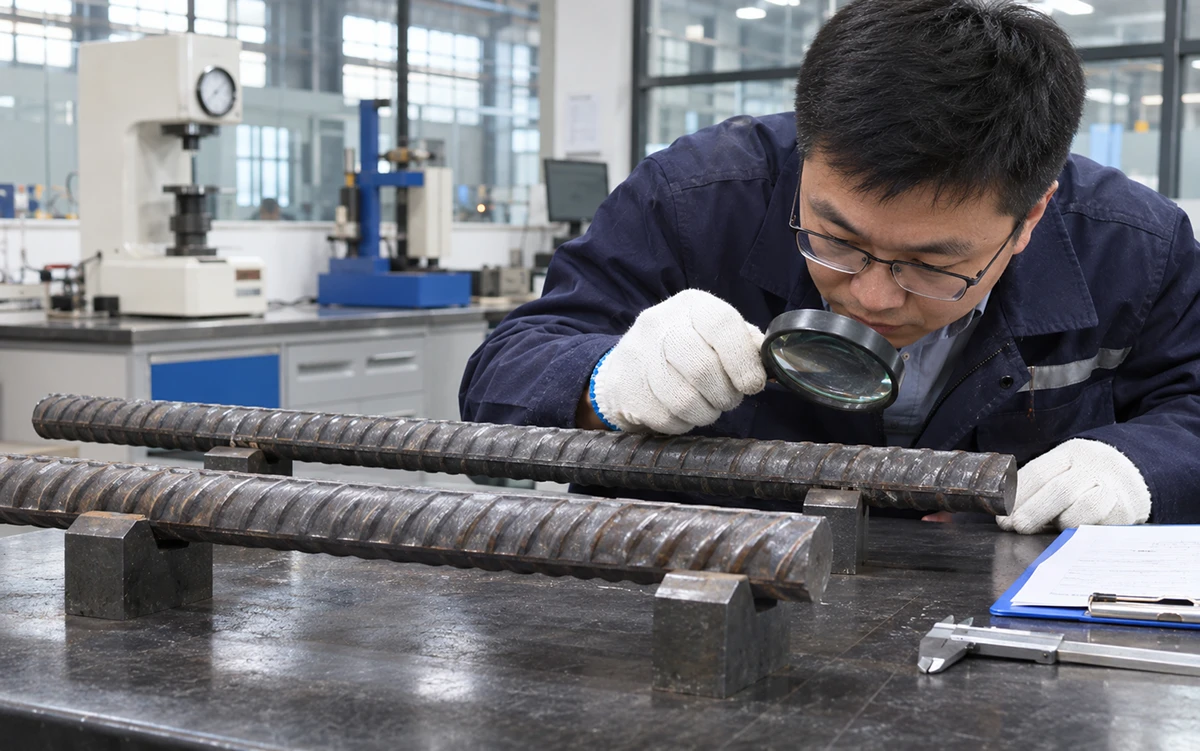
For a Grade 75 enquiry, request the actual photographs of rolled markings or verified mill documents before shipment approval where required.
Share the standard revision, intended use and any mandatory third-party hold points.
Bar geometry and shipment form are separate from grade approval. Availability of any specific legacy grade must be reviewed before a supply commitment.
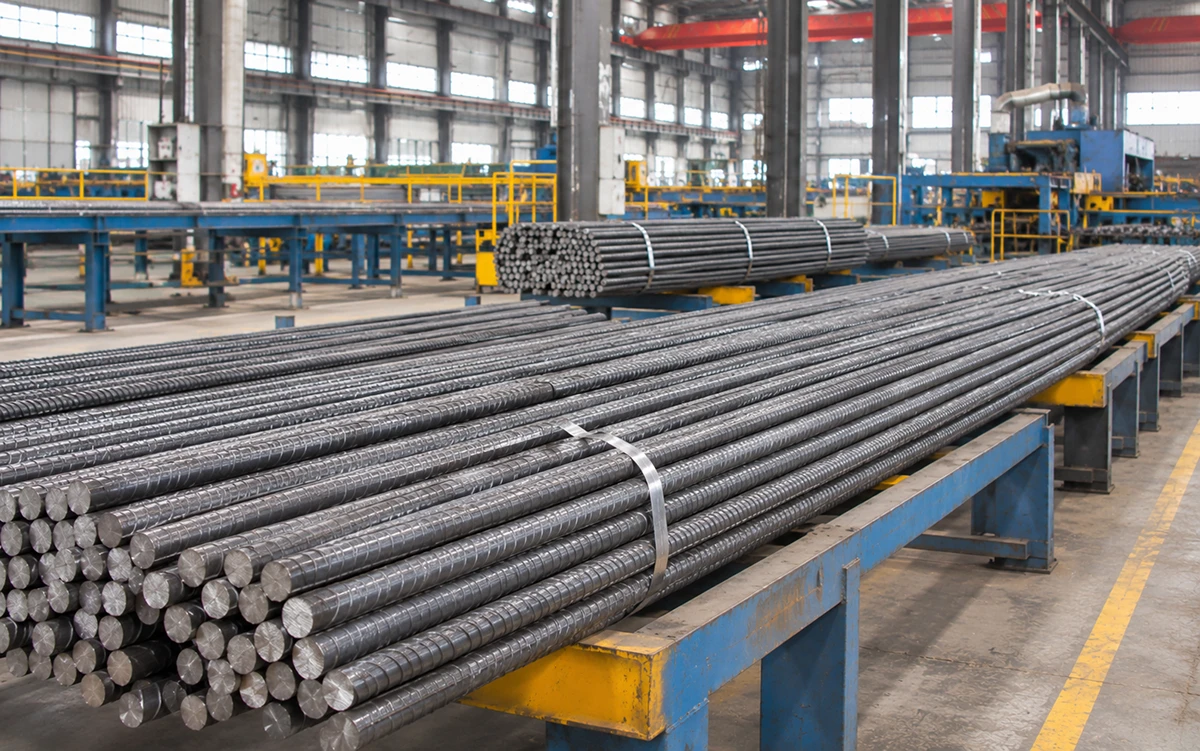
Common delivery form for project takeoffs, with lengths, bundle weights and bar designations agreed before acceptance.
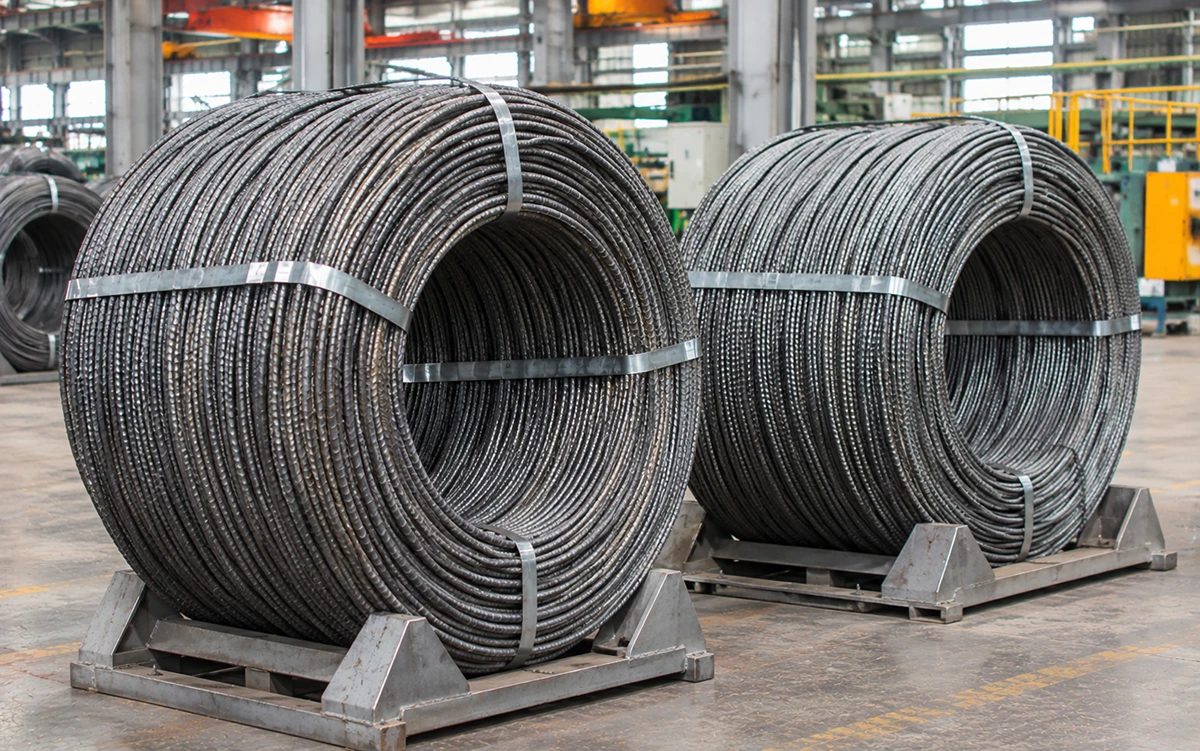
Smaller-size deformed bar coils may be considered where the specified grade, product edition and supply route permit them.
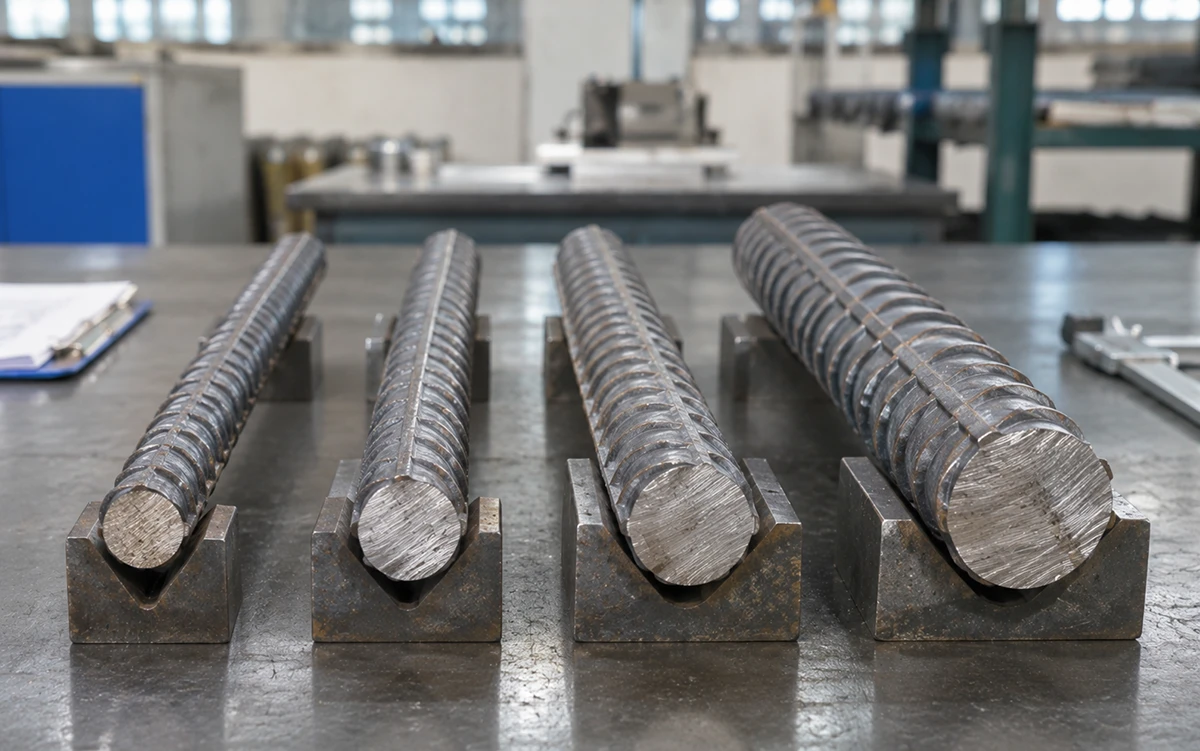
Transverse rib geometry, clean cut ends and identification are reviewed against the purchase standard and ordered bar size.
Send a separate schedule for legacy-grade material and any engineer-approved alternatives.
Application is driven by the permitted material specification and the project design, rather than by yield designation alone.
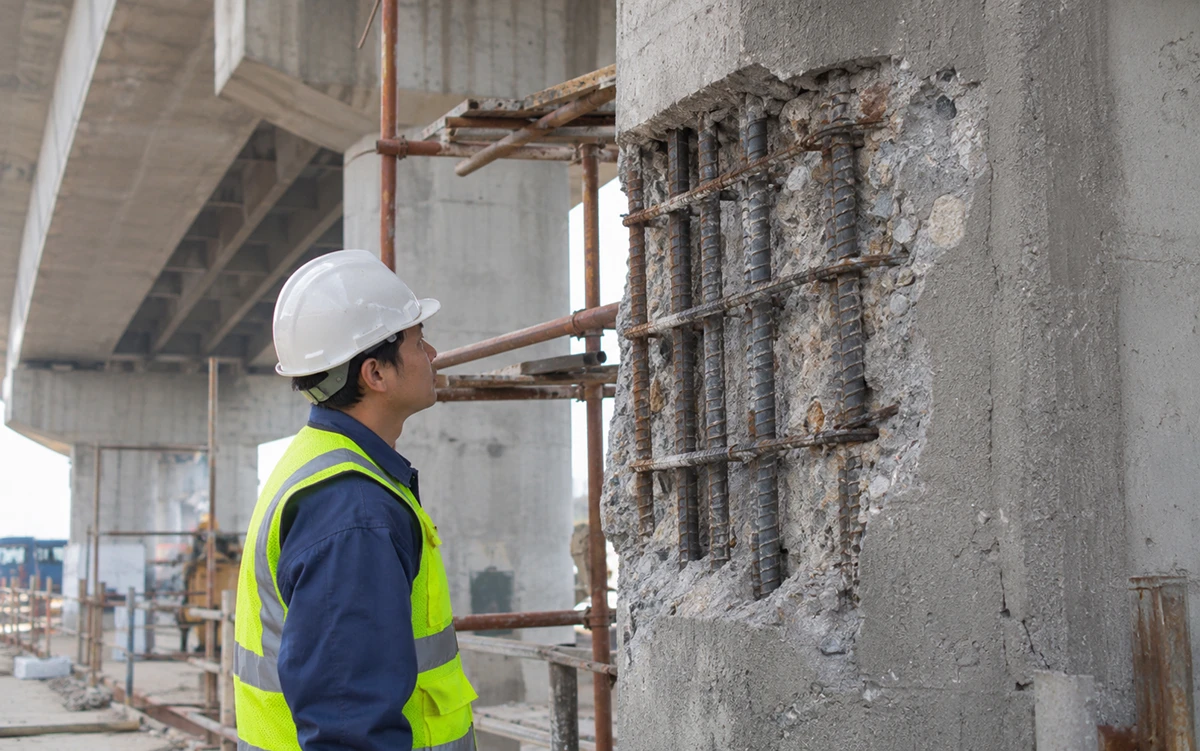
Existing reinforcement plans that explicitly reference earlier editions recognizing Grade 75.
Repair and extension work where existing grade records must be reconciled with modern design requirements.
Selected non-concrete-reinforcement applications described under the appropriate Annex A2 contract provisions.
Specialized sourcing requests that name a historical grade and provide an acceptable edition.
Potential current-grade alternative only after the engineer checks structural design and approves substitution.
Grade-mark identification, MTC reconciliation and material records for controlled receiving.
Different specified yield strengths do not establish identical ductility, welding eligibility, design compatibility or permitted use.
60 ksi [420] minimum specified yield. A current concrete-reinforcement grade under A615; relevant when a design calls for this strength level.
View Grade 60 Rebar ↗75 ksi [520] historic specified yield. Removed from the concrete-rebar main body in 2018; a special Annex A2 route remains for other uses.
Check Grade 75 Status ↗A615 Grade 80 [550] may be reviewed as a substitution with design approval. A706 Grade 60 is a distinct low-alloy specification with controlled requirements.
Compare ASTM A706 Grade 60 ↗Our company-wide manufacturing scale supports order coordination; actual Grade 75 availability and specification compliance are evaluated for each enquiry.
Actual annual steel production across the wider business; specific rebar supply is confirmed against the requested standard and sizes.
Company-wide steel inventory across product families, with current rebar sizes and grades checked for each enquiry.
Agree grade, heat traceability, chemical analysis, tensile and bend acceptance with the purchase order.
Coordinate bundle lengths, marking, packing lists and shipping terms for project and distributor requirements.
Ask our sales team to review your rebar schedule and delivery destination.
Estimate project tonnage by nominal ASTM bar number, length and quantity. This is a size and mass calculator, not a Grade 75 certification or availability check.
Nominal takeoff values do not establish eligibility for Grade 75 under any ASTM edition. Confirm grade, approved bar size, dispatch mass and fabrication losses separately.
Mass per metre × bar length × number of bars = total kilograms. Divide by 1,000 for metric tons. The mass per metre is selected from the reference ASTM bar-size table.
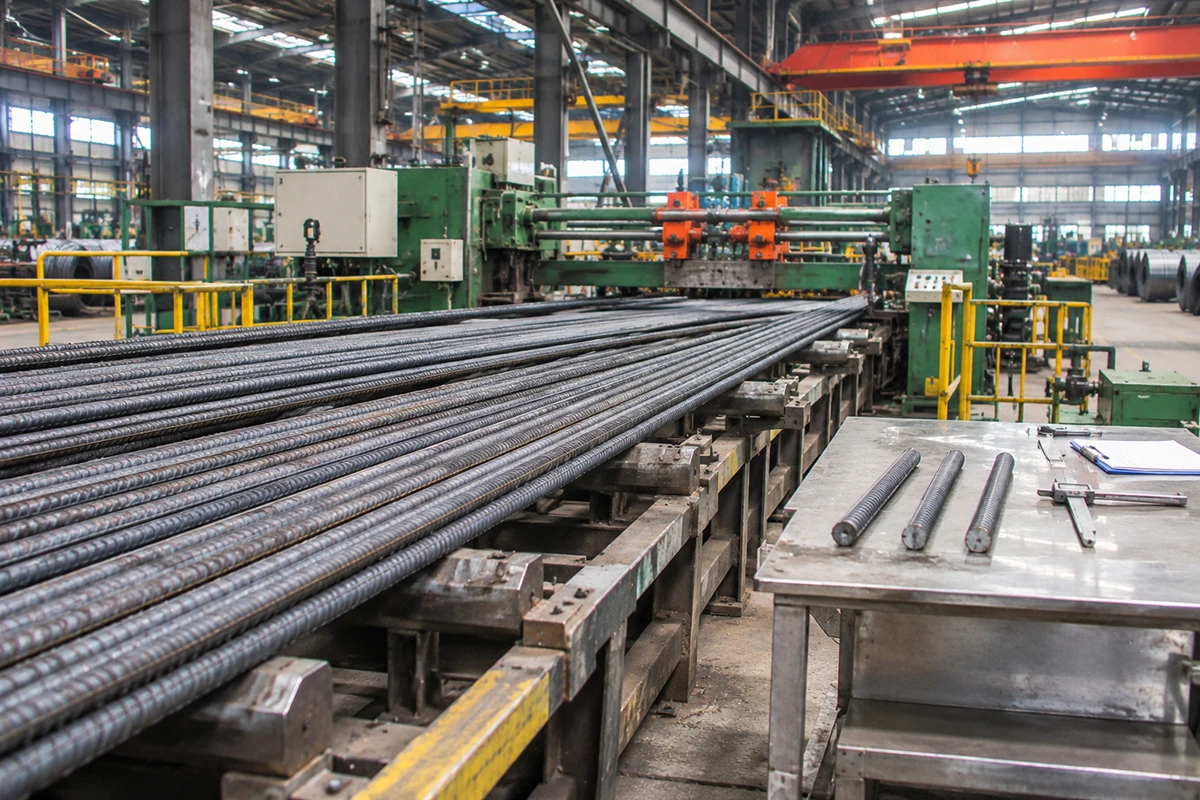
Ribbed reinforcing bars are hot rolled, measured, identified and bundled according to order specifications. For a legacy Grade 75 request, standards compliance must be established before production scheduling or mill allocation.
BAOSTEEL METAL maintains 1 million metric tons of regular steel inventory across its combined product families. This figure does not represent stock of ASTM A615 Grade 75 rebar. For legacy specifications and special Annex A2 enquiries, availability is reviewed individually.
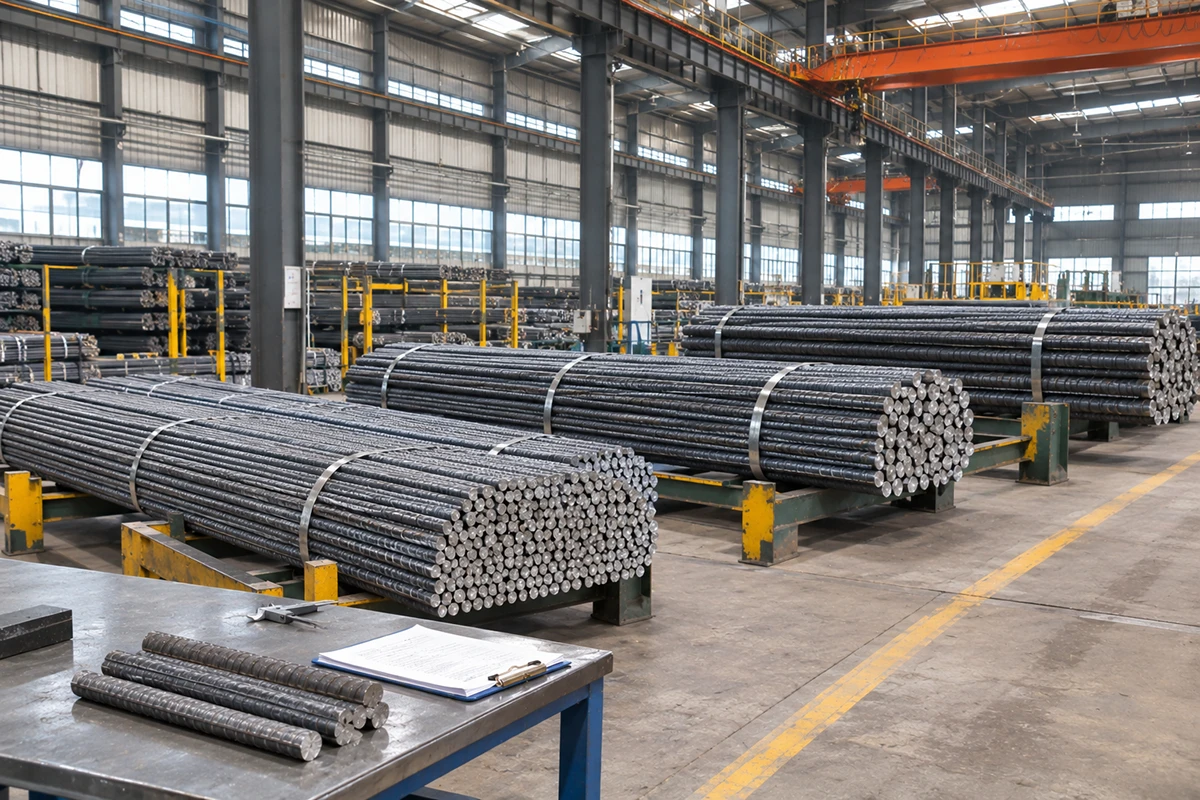
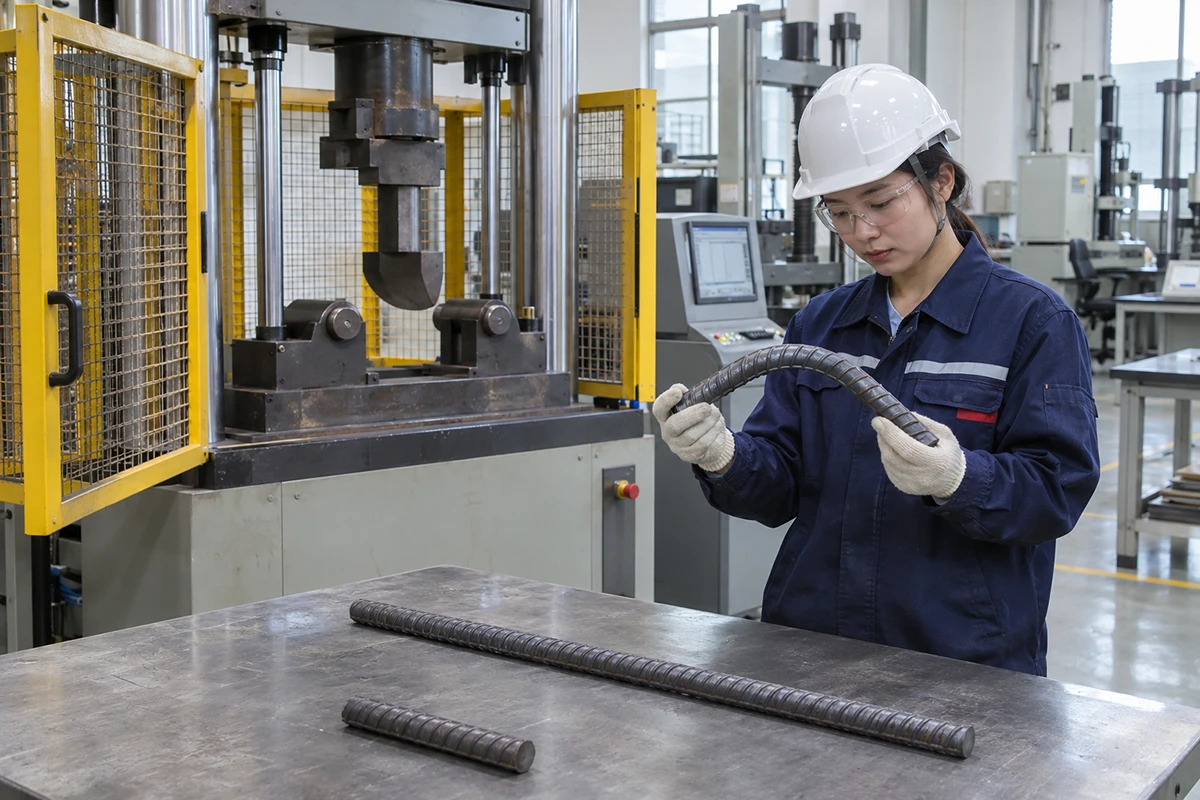
Receiving inspection needs to tie together the purchase standard, applicable edition, bar markings and heat-specific test records. Confirm any historical-grade documentation requirements before contract acceptance.
Processing requirements for legacy Grade 75 must be aligned with the agreed material specification and approved fabrication drawings.
Confirm cutting dimensions, bundle groups and allowable length tolerances on the approved purchase schedule.
Bending is assessed against contract rules and approved schedules; legacy test pin diameters are not field-bending instructions.
Segregate bundles and documents by size, grade, heat and inspection status to support project receiving.
Confirmed orders can be prepared by bar designation and cut length for receiving control. For special Grade 75 requests, edition and material acceptance precede shipping commitments.
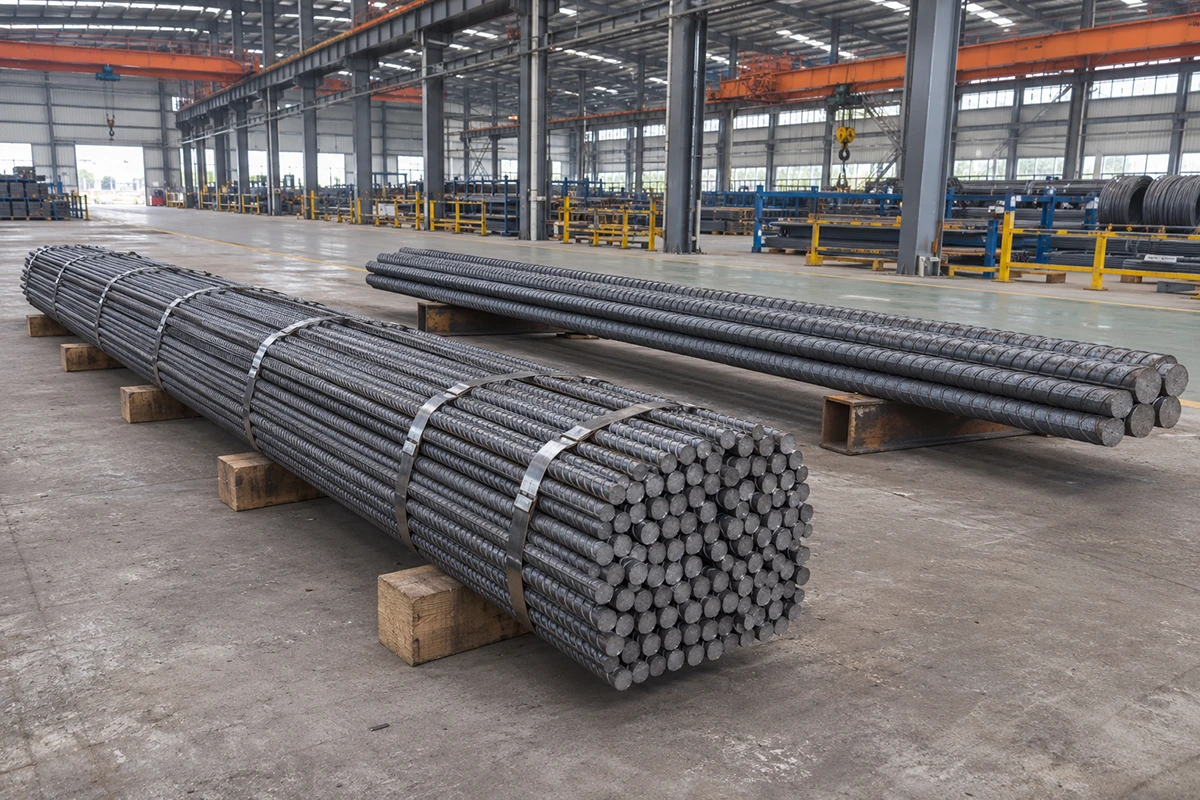
Compare an earlier-grade enquiry with current products and other structural-steel categories.
Answers for older reinforcement schedules, materials verification and special-use purchase requests.
No. Grade 75 [520] was removed from the main concrete-reinforcement grades with the 2018 revision. ASTM A615/A615M-26 lists Grades 40, 60, 80 and 100 in its main scope. Grade 75 remains addressed in Annex A2 for other specified applications.
Historical ASTM A615 Grade 75 [520] references specify a minimum yield strength of 75,000 psi (520 MPa designation) and a minimum tensile strength of 100,000 psi (690 MPa designation). Check the exact ordered edition and the heat-specific test report for acceptance.
Only after the responsible designer checks and approves the substitution. Grade 80 has a higher specified minimum yield level, but material acceptance also depends on ductility, development length, anchorage, splices and the governing construction code.
No. Annex A2 provides requirements for a distinct category of other applications when expressly specified by the purchase order. It is not an automatic authorization to use Grade 75 as ordinary concrete reinforcement under the current A615 main scope.
Select the ASTM nominal bar number, multiply its reference kg/m by the cut length and number of bars, then divide total kilograms by 1,000 to obtain metric tons. This estimates mass, not the acceptance of a grade/size combination.
Provide the ASTM standard and year, intended application, approval or drawing, permitted bar sizes, lengths, quantities, testing/MTC requirements and destination. We assess applicable material and supply routes individually.
Send your historical standard edition or Annex A2 requirement, project approval status, bar numbers, lengths, tonnage and destination. We will review the specification and available supply approach before quoting.
Send your required grade, dimensions, quantity and destination. Our team will review the inquiry.