Global Steel Supply & Processing
Low-Alloy Deformed Rebar · Grade 60 [420] · ASTM A706/A706M-26a
Source ASTM A706 Grade 60 reinforcing steel with controlled chemistry and tensile properties. Send your # bar sizes, straight-bar or coil requirement, quantities, ASTM edition, MTC scope and destination for a project-specific quotation.
Review Grade 60 mechanical requirements ↓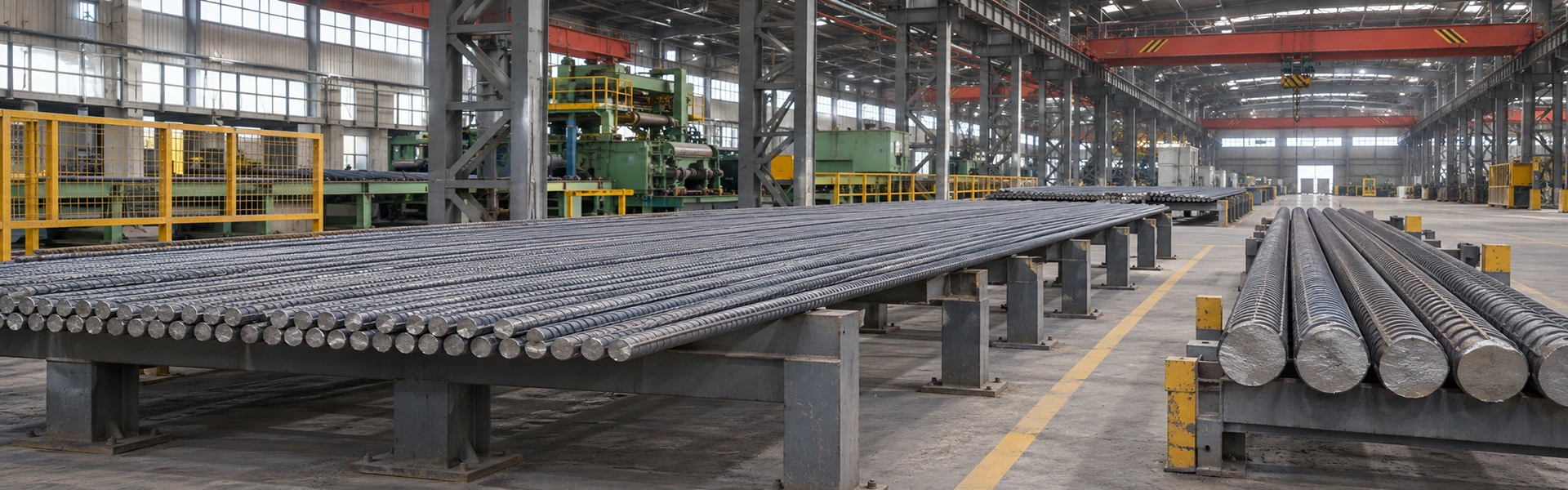
Specify the correct reinforcement material for welded or controlled-ductility designs—not just a 60 ksi yield grade.
ASTM A706 applies to low-alloy reinforcing bars where chemical composition and tensile response need tighter control. The grade is frequently specified for prefabricated reinforcement assemblies, structural connections and engineered concrete work where the approved design requires defined ductility or welding provisions.
List each rebar # size, cut length, total pieces or metric tons, mill certificate requirements, any supplementary tensile properties, welding-related acceptance, packing, port and requested delivery window.
For welded reinforcement, obtain the applicable engineer-approved procedure and confirm AWS D1.4/D1.4M compliance separately from the material order.
Check the grade, ASTM revision, deformation profile, delivery form, and chemical/physical acceptance before the order is released.
| Product | Deformed low-alloy steel reinforcing bar for concrete |
| Specification | ASTM A706/A706M-26a (current edition; contract edition controls) |
| Grade | Grade 60 [420], minimum specified yield 60 ksi / 420 MPa |
| Inch-Pound Bar Numbers | #3–#11 plus #14 / #18, subject to project and supply confirmation |
| Surface | Deformed / ribbed, mill finish |
| Steel Type Identification | W type marking, interpreted with actual mill and grade marks |
| Delivery Form | Straight cut lengths or suitable coils by order and diameter |
| Typical Requested Lengths | 6 m / 9 m / 12 m; custom project lengths by agreement |
| Chemical Control | Heat analysis limits, carbon equivalent and alloy-element reporting |
| Mechanical Control | Yield minimum/maximum, tensile minimum, strength ratio, elongation, bend |
| Inspection Documents | Heat-level test reports, MTC, marking and dimensional verification as ordered |
| Quotation Basis | Bar sizes, lengths, quantity, ASTM edition, inspection, destination and delivery terms |
The # bar number denotes standard nominal area, mass and an equivalent-round diameter. Steel ribs project beyond the base of the bar, so the measured outside diameter over ribs is not the correct input for ASTM rebar quantity estimates.
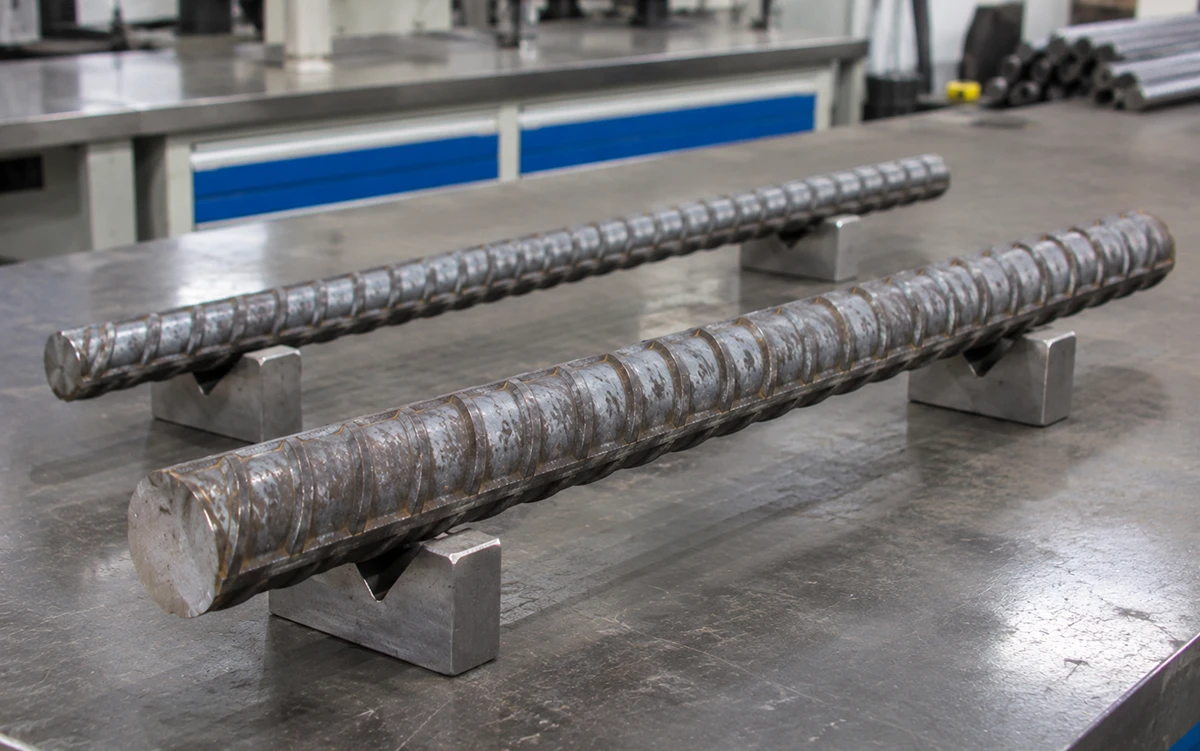
Reference #3 to #18 nominal diameters and weights for purchase estimates; actual order availability is checked by grade and size.
| ASTM Bar No. | SI Designation | Nominal Diameter (in) | Approx. Diameter (mm) | Area (in²) | Nominal Weight (lb/ft) | Approx. Mass (kg/m) |
|---|---|---|---|---|---|---|
| #3 | No. 10 | 0.375 | 9.5 | 0.11 | 0.376 | 0.560 |
| #4 | No. 13 | 0.500 | 12.7 | 0.20 | 0.668 | 0.994 |
| #5 | No. 16 | 0.625 | 15.9 | 0.31 | 1.043 | 1.552 |
| #6 | No. 19 | 0.750 | 19.1 | 0.44 | 1.502 | 2.235 |
| #7 | No. 22 | 0.875 | 22.2 | 0.60 | 2.044 | 3.042 |
| #8 | No. 25 | 1.000 | 25.4 | 0.79 | 2.670 | 3.973 |
| #9 | No. 29 | 1.128 | 28.7 | 1.00 | 3.400 | 5.060 |
| #10 | No. 32 | 1.270 | 32.3 | 1.27 | 4.303 | 6.404 |
| #11 | No. 36 | 1.410 | 35.8 | 1.56 | 5.313 | 7.907 |
| #14 | No. 43 | 1.693 | 43.0 | 2.25 | 7.650 | 11.38 |
| #18 | No. 57 | 2.257 | 57.3 | 4.00 | 13.600 | 20.240 |
Table values follow the ASTM nominal rebar designations, not the outside dimension across ribs. Approximate metric conversions are provided for planning. Choose A706 or A706M as the contractual unit system and verify the applicable revision.
Send a bar-by-bar takeoff with quantities, cut lengths, and the required MTC and welding-related documentation.
Grade 60 has both lower and upper yield controls and a required actual tensile-to-yield ratio—features important to engineered reinforcement.
| Measured Property | Grade 60 [420] |
|---|---|
| Minimum yield strength | 60,000 psi [420 MPa] |
| Maximum yield strength | 78,000 psi [540 MPa] |
| Minimum tensile strength | 80,000 psi [550 MPa] |
| Actual tensile strength ÷ actual yield strength | ≥1.25 |
These are Grade 60 reference values from a published ASTM A706/A706M edition. For acceptance, use the latest edition named in the purchase contract (currently A706/A706M-26a), and review the actual mill test certificate.
| Bar Size | Reference Min. Elongation in 8 in. [200 mm] |
|---|---|
| #3–#6 [10–19] | 14% |
| #7–#11 [22–36] | 12% |
| #14–#18 [43–57] | 10% |
Elongation values refer to the defined test gauge length; they are material-test acceptance properties, not elongation predictions for installed structural members. Verify supplementary project ductility requirements separately.
Request heat-specific MTCs and the latest approved grade requirements before fabrication or shipment.
The steel chemistry and carbon equivalent are controlled to improve weldability; field welding must still follow approved procedures.
| Element | Maximum (mass %) |
|---|---|
| Carbon (C) | 0.30 |
| Manganese (Mn) | 1.50 |
| Phosphorus (P) | 0.035 |
| Sulfur (S) | 0.045 |
| Silicon (Si) | 0.50 |
CE = C + Mn/6 + Cu/40 + Ni/20 + Cr/10 − Mo/50 − V/10
Element values are mass percentages from the heat analysis. Inspect the approved MTC and compute the CE using the formula in the contracted ASTM edition.
ASTM ribbed bars have rolled identifiers for the producing mill, bar size, steel type and grade. W is the low-alloy steel type mark used with ASTM A706; S refers to ASTM A615 carbon-steel bars.
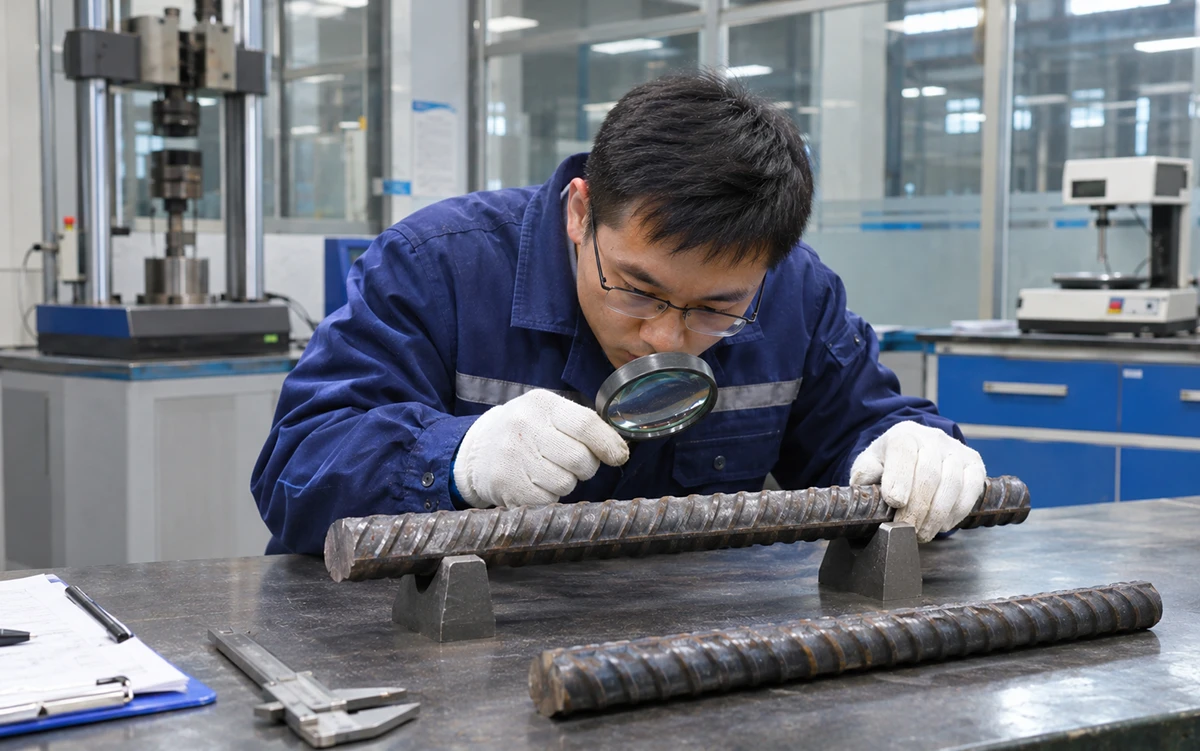
Confirm the W-type marking, correct size and Grade 60 grade marking against the bundle tags, inspection data and heat number. A single visible letter is not a substitute for a traceable MTC.
Submit the drawing notes, material grade and relevant AWS/ACI acceptance requirements for review.
Select the delivery form that matches the fabricator’s schedule, handling methods and approved reinforcement plan.
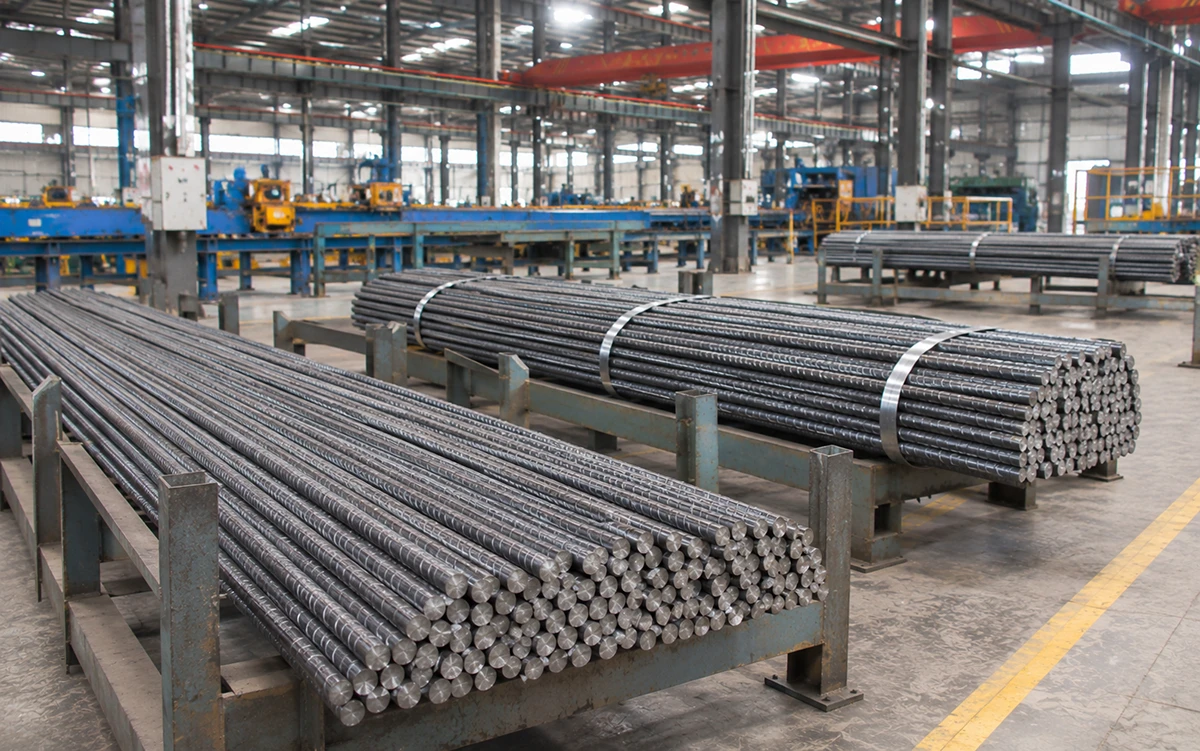
Specified bar numbers and cut lengths bundled for project delivery. Send total tonnage or individual piece counts by size.
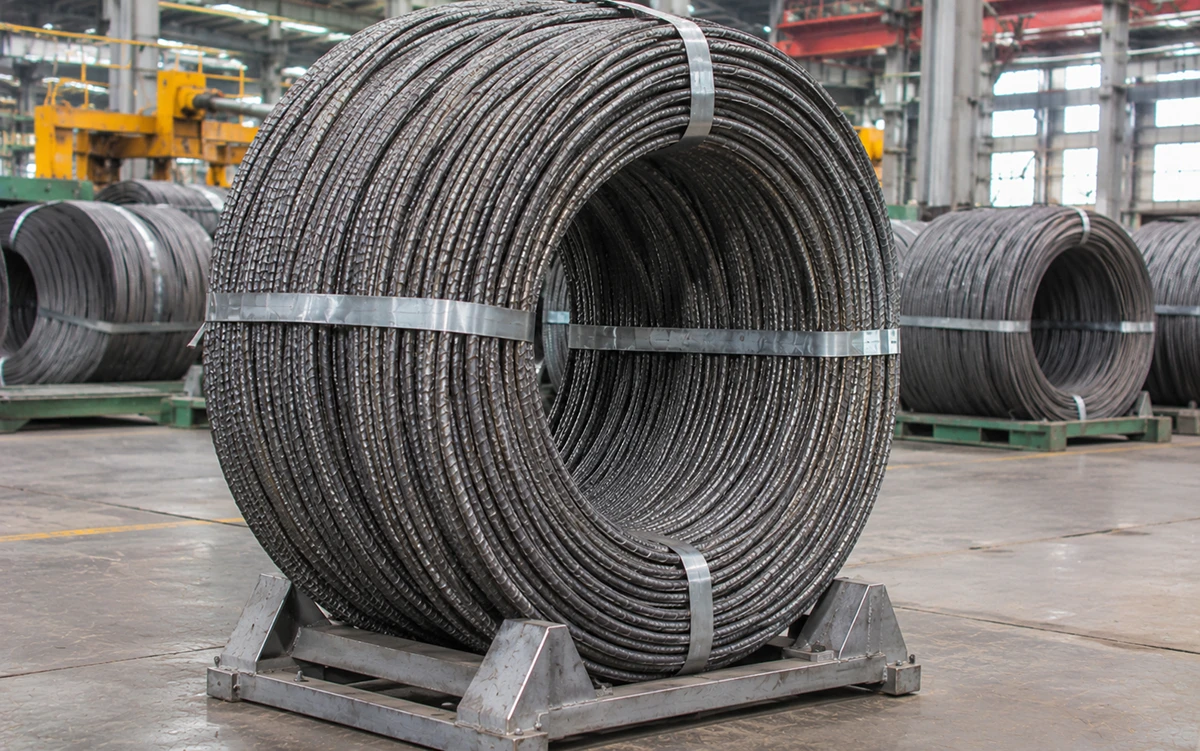
Coils may be considered for suitable bar sizes and supply routes, subject to the specified grade, straightening method and order availability.
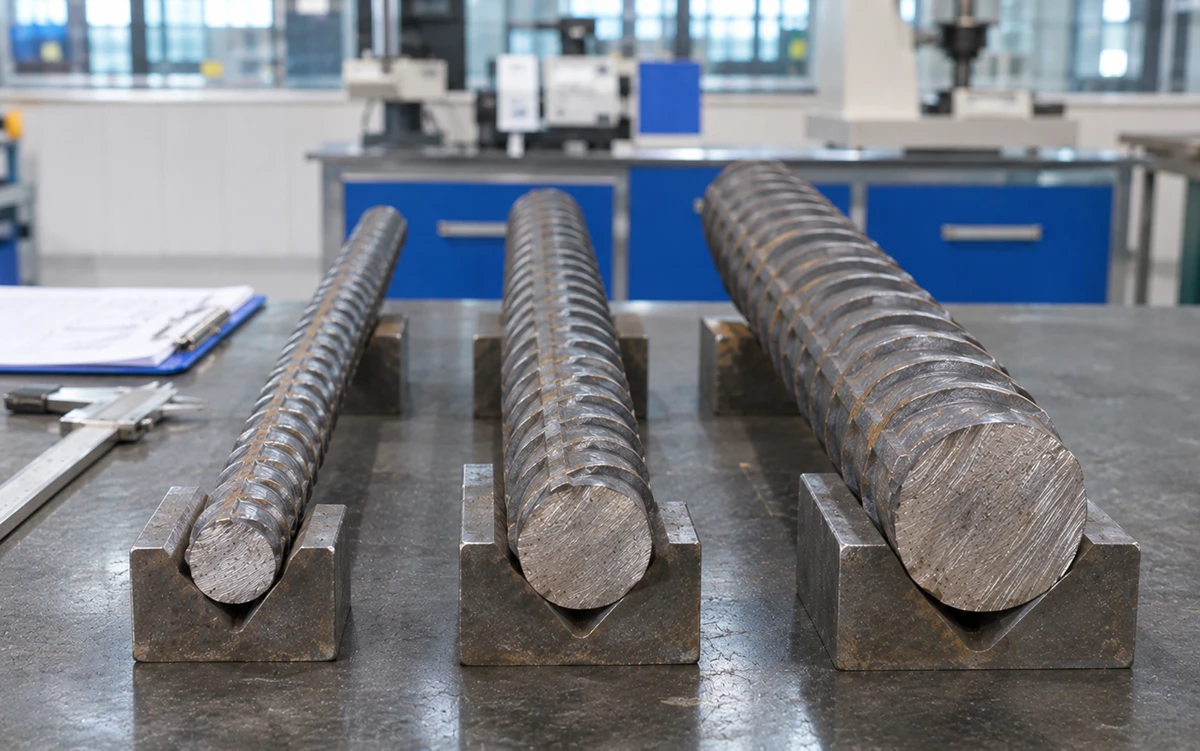
Deformation pattern, bar marks, ends and surface condition are checked against the ASTM requirements and project schedule.
Weldability-related chemical control and defined tensile response can support engineered reinforcement detailing when specified by the structural designer.
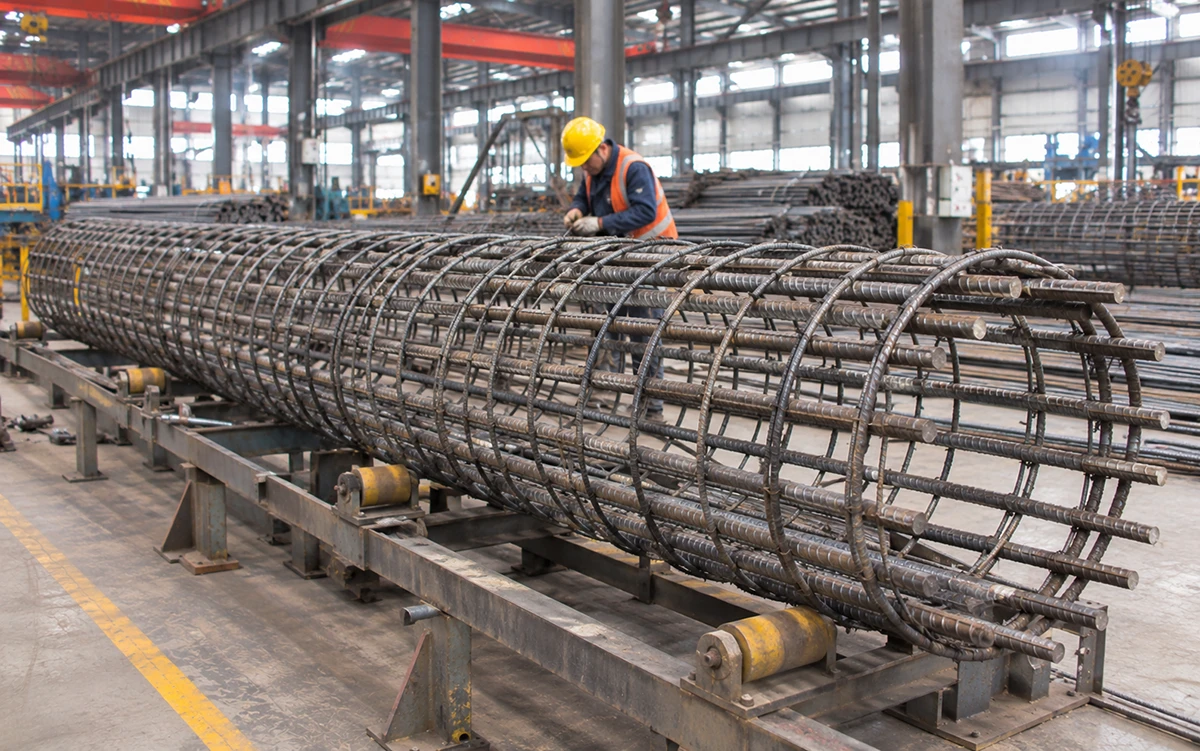
Bar cages, deck assemblies and structural concrete components with approved reinforcement schedules.
Fabricated rebar assemblies where the approved construction method calls for controlled chemistry.
Rebar for ductility-sensitive structural systems when governing codes and any additional criteria are satisfied.
Foundations, pile cages and mat reinforcement according to the structural drawings and fabrication plan.
Reinforced walls, infrastructure elements and civil concrete retaining structures.
Steel distributors and reinforcement fabricators sourcing grade-controlled project batches.
Use of A706 alone does not establish compliance with a seismic design code, welded joint procedure or specific structure. Those are determined by the governing project documents and engineer.
Both grades are designated 60 ksi minimum yield, but they have different chemical and tensile control requirements.
Controls heat chemistry, carbon equivalent, upper yield strength and actual tensile-to-yield ratio. Select where the project requests A706 and its associated material documentation.
Current Grade 60 specification ↗Common carbon-steel reinforcement grade with the same specified minimum yield class. Weldability, ductility and yield controls must be separately evaluated against the design.
View A615 Grade 60 ↗A legacy Grade 520 designation; no longer in the current main A615 concrete-rebar grade list. Check the applicable old edition and engineer-approved alternatives.
View Grade 75 information ↗Company-wide production and inventory scale support coordinated procurement, while actual A706 size, chemistry and test-document availability are checked per order.
Company-wide actual annual steel production. The specific A706 Grade 60 supply route is confirmed against each contract.
Combined inventory across steel product families. No promise of grade-specific live stock without confirmation.
Align bar size, heat chemistry, CE, tensile, bend and traceability details with buyer specifications.
Plan multi-size bundles, packing lists, shipping terms and required document sets for export orders.
Our team can review your bar list, chemistry and documentation requirements together.
Estimate tonnage from ASTM nominal kg/m for each bar number. The grade does not change the geometric nominal mass.
These are reference nominal masses, not an actual dispatch or receiving weight. Confirm bundle count, weighbridge documentation and contracted measurement system.
Mass per metre × bar length × number of bars = total kilograms. Divide by 1,000 for metric tons. The mass per metre is selected from the reference ASTM bar-size table.
Industrial rebar production and testing are coordinated against the approved steel chemistry, bar size and ordered grade.
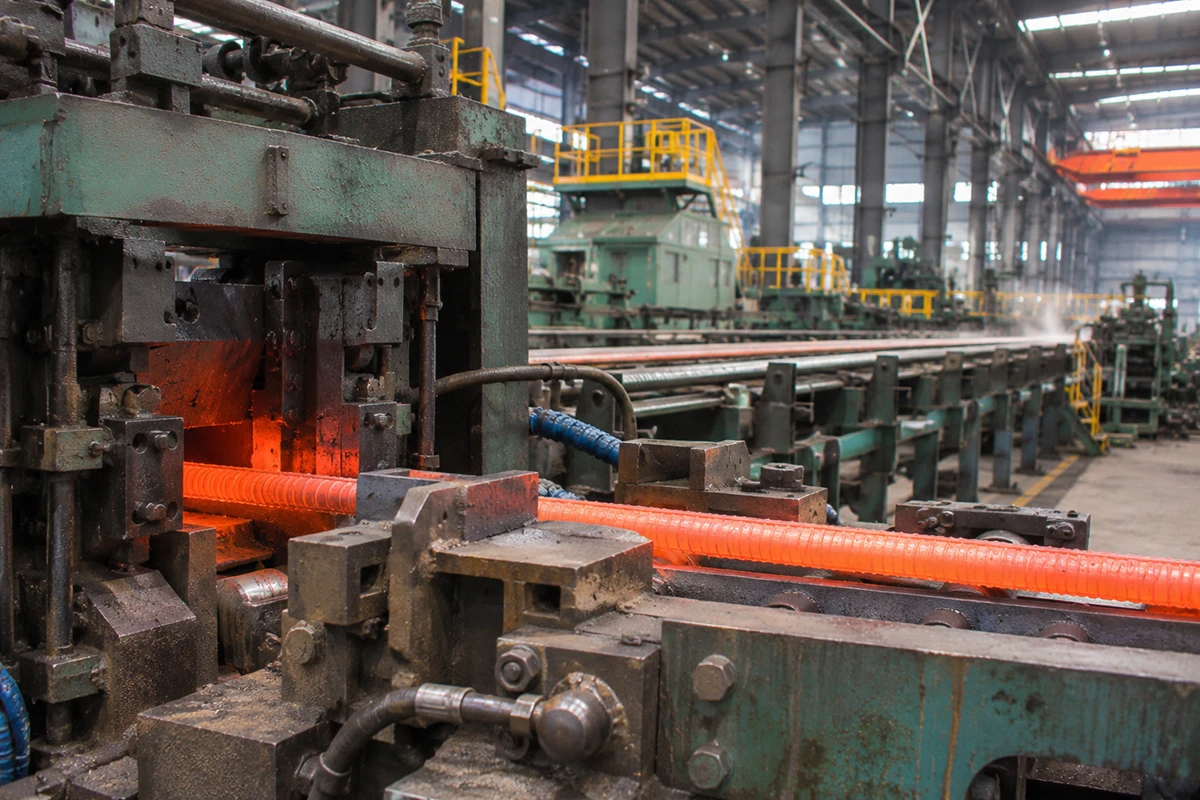
Production planning links the intended low-alloy steel chemistry to the specified rolled bar size, rib pattern and heat record. Buyers should review the required tensile and bend acceptance, as well as heat analysis and grade markings.
Each enquiry is matched with the requested bar numbers, cut lengths, available producing route and required MTC. Company-wide steel inventory is not the same as immediately available A706 Grade 60 stock.
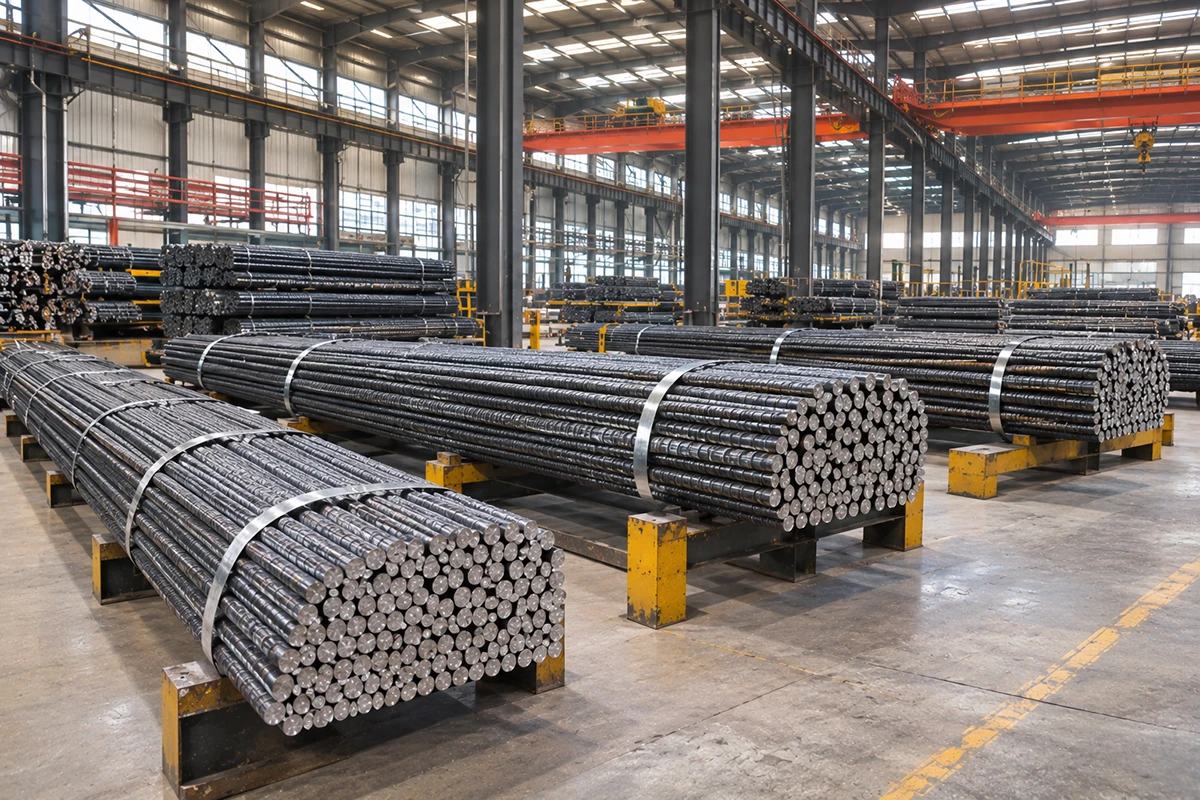
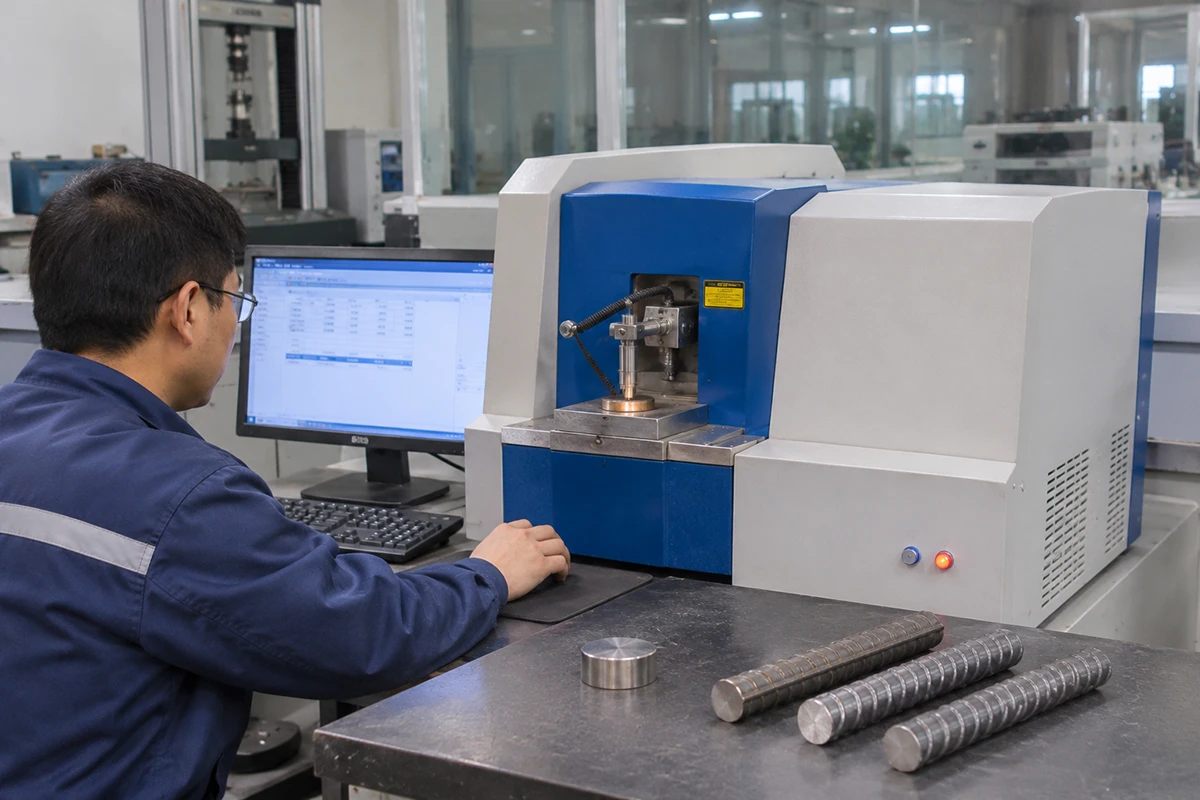
For grade-controlled procurement, acceptance should connect the physical bars to the heat-specific test report and the actual ASTM edition named on the purchase order.
Send approved schedules at the quotation stage; processing scope and code-compliant methods are established by the project engineer.
Review agreed project lengths, bundle segmentation and dimension control before dispatch or fabrication.
Fabrication shape codes and bend diameters follow the engineer-approved bar schedule and construction specification.
The welding procedure, filler material, preheat and inspection must meet applicable AWS D1.4/D1.4M and project rules.
| ASTM Bar Number | Reference Pin Diameter for 180° Lab Bend Test |
|---|---|
| #3–#5 | 3d |
| #6–#8 | 4d |
| #9–#11 | 6d |
| #14–#18 | 8d |
d is the nominal bar diameter. These are reference test fixture ratios reported in a published A706 edition—not a field bend schedule. Confirm the contracted ASTM revision and actual site detailing rules.
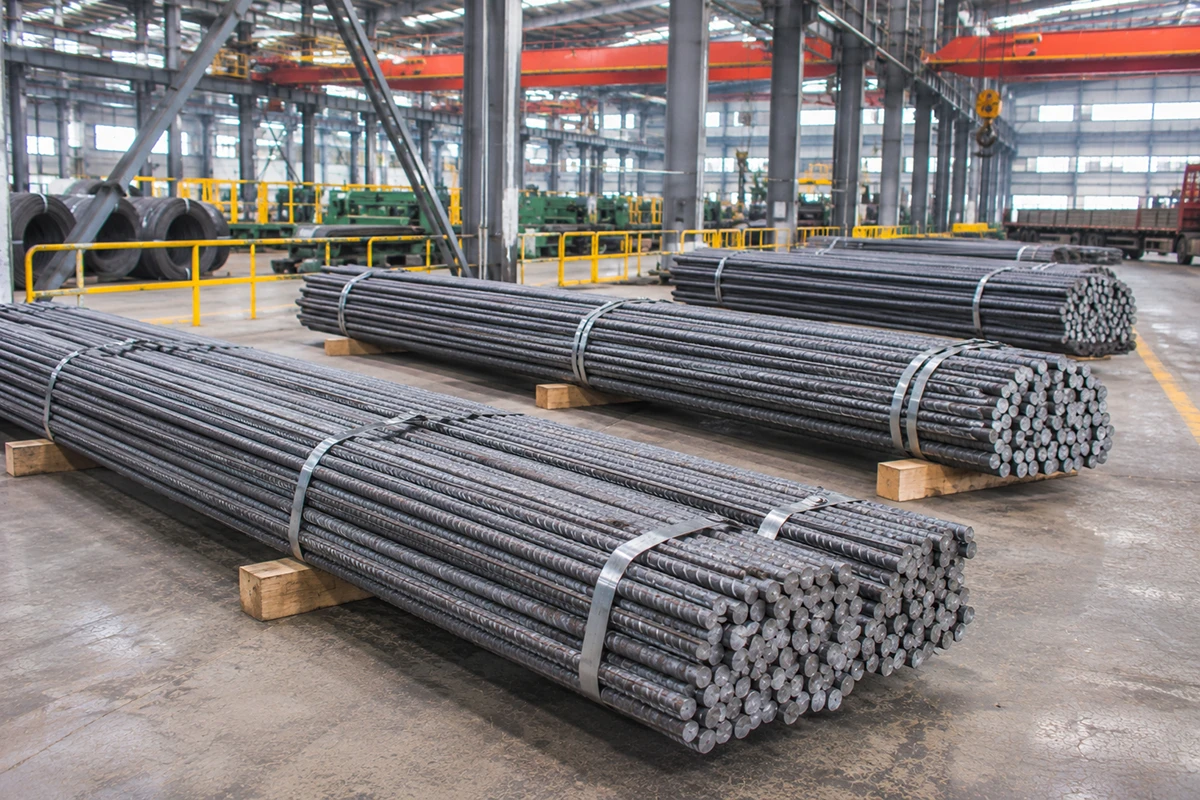
Organize reinforcing bar shipments by ASTM bar number, ordered length, grade and heat identity so fabricators can link receipt lots to the documents they need.
Compare the relevant product specifications or return to the broader steel categories.
Answers to common grade selection, CE, welding and bar-size procurement questions.
It is low-alloy steel reinforcing bar to ASTM A706/A706M with a Grade 60 [420] specified minimum yield of 60,000 psi [420 MPa], plus controlled chemistry and additional mechanical requirements.
A706 restricts carbon equivalent and chemistry and has upper yield and actual tensile/yield ratio controls. A615 Grade 60 shares the minimum yield class but is not automatically a substitute where A706 is expressly required. Use the engineer's specification and matching MTC.
A commonly referenced ASTM A706 maximum is 0.55% by the specification's formula. Check the heat-specific chemistry, actual CE calculation, and applicable edition rather than relying on a generic steel grade label.
No. A706 is designed with chemistry controls to support weldability, but welding still requires an appropriate approved procedure, filler metal, any necessary preheat, inspection and governing AWS D1.4/D1.4M requirements.
W denotes low-alloy steel of the ASTM A706 type in the common rolled identification sequence. Read it together with the mill mark, bar number, grade, bundle label and mill test report.
Multiply the selected # bar's nominal kg/m by its length in metres and the number of bars. Divide kilograms by 1,000 for metric tons. For example, 100 bars of #5 at 12 m each are approximately 1.862 MT.
No material designation alone establishes compliance with the building code or project detailing. The engineer must verify governing standards, additional ductility or uniform-elongation requirements and the approved reinforcement schedule.
Send ASTM A706/A706M edition, Grade 60 [420], bar number, cut length, quantity, any W-mark/MTC/CE requirements, approved fabrication drawing, destination, delivery term and inspection arrangements.
Send your required grade, dimensions, quantity and destination. Our team will review the inquiry.