
NM400
General abrasion-resistant plate grade. Hardness and dimension requirements form the primary purchase criteria.
Choose the applicable thickness range and agreed inspection scope.
GB/T 24186-2022 · 370–430 HBW (t ≤ 80 mm) · Wear Liners & Heavy Equipment
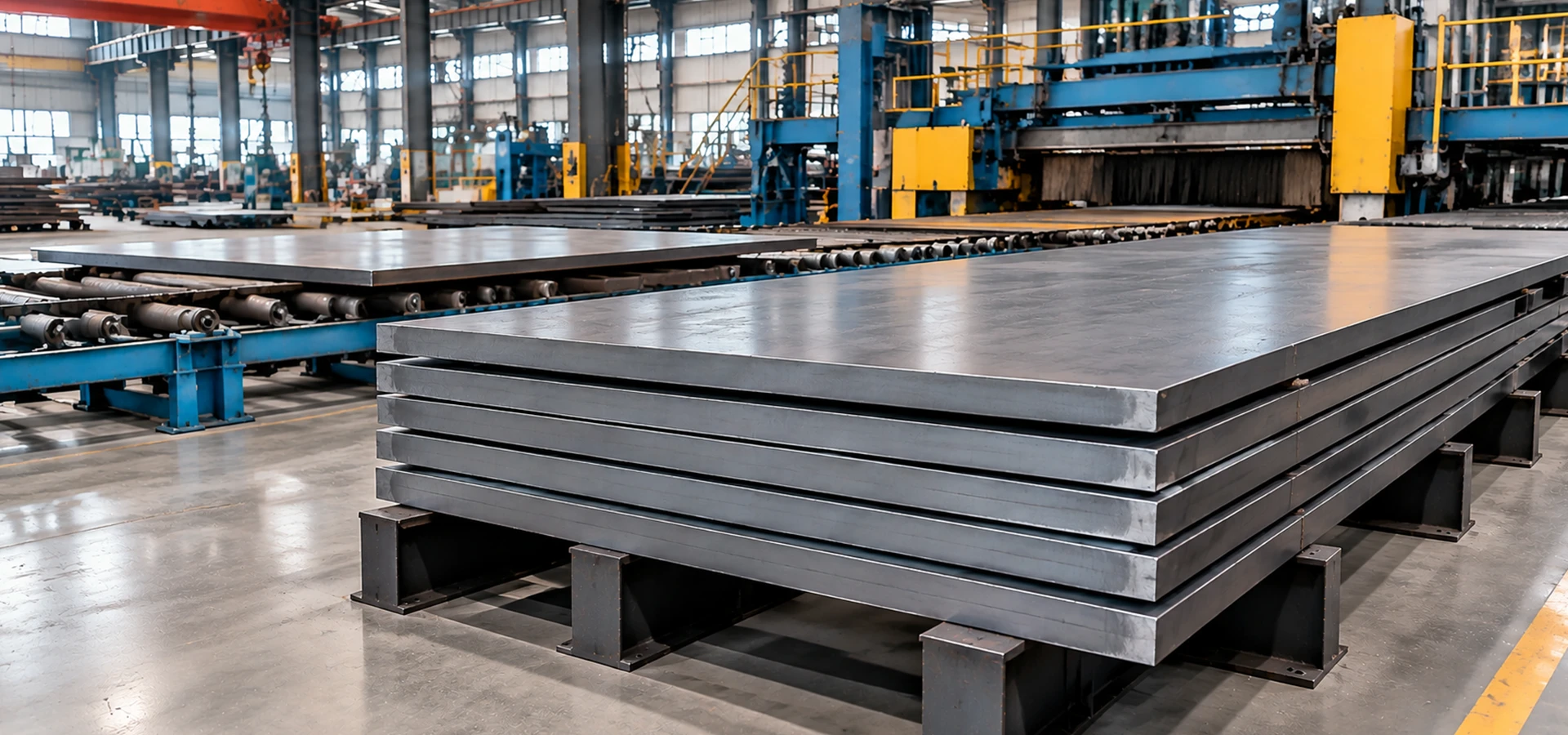
Order by exact hardness class, size, surface condition and inspection documentation.
| Product | NM400 Wear Resistant Steel Plate |
|---|---|
| Grade / Quality Class | NM400; NM400D or NM400E for the specified impact class |
| Product Standard | GB/T 24186-2022 |
| Surface Hardness (t ≤ 80 mm) | 370–430 HBW |
| Surface Hardness (80 < t ≤ 120 mm) | 360–440 HBW |
| Standard Thickness Scope | Up to 120 mm; mill supply range confirmed by your size |
| Dimensions | Thickness × Width × Length, with required tolerances |
| Dimensional Requirements | GB/T 709-2019, as agreed in the purchase order |
| Delivery Condition | Quenched / quenched and tempered or approved mill supply condition, per order |
| Documentation | Heat number, material certificate, hardness records and specified inspection |
Give our team the specification needed to confirm production, stock and shipment arrangements.
Specify the inspection location and plate thickness with your purchase order.
| Plate Thickness | Surface Hardness | Section-Centre Hardness | Buyer Focus |
|---|---|---|---|
| t ≤ 80 mm | 370–430 HBW | 330–430 HBW | Surface and section-centre hardness as specified |
| 80 < t ≤ 120 mm | 360–440 HBW | Specify additional centre-hardness tests by agreement | Thick plate acceptance and reporting |
GB/T 24186-2022 hardness ranges apply to NM400, NM400D and NM400E in the stated thickness bands. The MTC and order requirements determine your acceptance documentation.
Need hard-wearing replacement liners with controlled hardness?
Specify the required impact class where equipment operates under defined low-temperature conditions.
General abrasion-resistant plate grade. Hardness and dimension requirements form the primary purchase criteria.
Choose the applicable thickness range and agreed inspection scope.
Designated quality class with longitudinal low-temperature impact testing at −20°C.
For thickness ≤80 mm, standard-size specimen reference: ≥24 J.
Designated quality class with longitudinal low-temperature impact testing at −40°C.
For thickness ≤80 mm, standard-size specimen reference: ≥24 J.
Use the chemistry certificate to confirm the agreed NM400 grade and the heat supplied for your order.
| Element | NM400 Base Grade (Mass %) |
|---|---|
| Carbon (C) | ≤ 0.30 |
| Silicon (Si) | ≤ 0.70 |
| Manganese (Mn) | ≤ 1.60 |
| Phosphorus (P) | ≤ 0.025 |
| Sulfur (S) | ≤ 0.010 |
| Chromium (Cr) | ≤ 1.20 |
| Element | NM400 Base Grade (Mass %) |
|---|---|
| Nickel (Ni) | ≤ 0.70 |
| Molybdenum (Mo) | ≤ 0.50 |
| Titanium (Ti) | ≤ 0.050 |
| Boron (B) | 0.0005–0.0060 |
| Acid-soluble Aluminium (Als) | ≥ 0.010 |
| Traceability | Heat analysis verified against material certificate |
Reference: GB/T 24186-2022 base NM400 heat analysis. NM400D and NM400E have their own low-temperature-class chemistry limits. Any purchaser-approved deviations or additions follow the agreed contract.
Review the actual plate face and edge condition when preparing your component drawings.
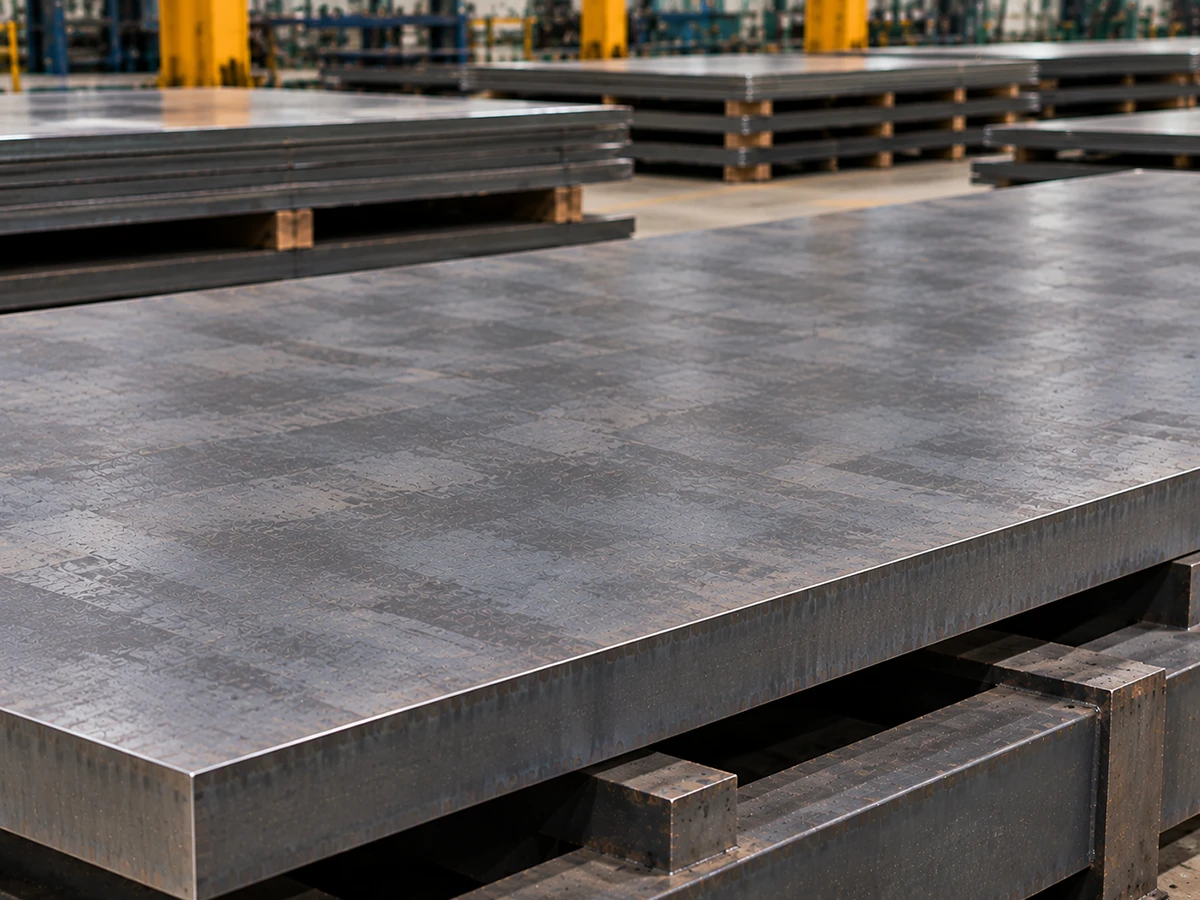
Confirm the plate face and acceptable surface condition with your RFQ.
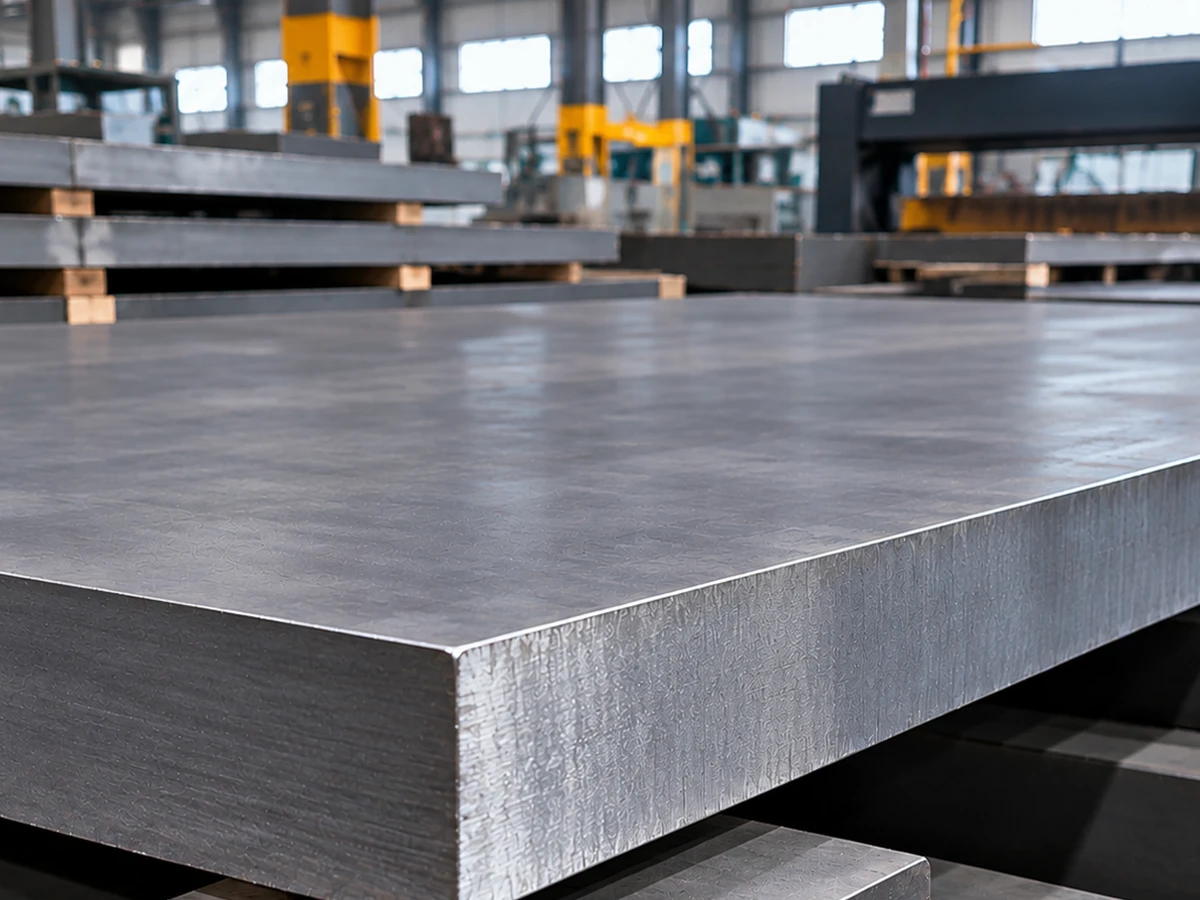
Specify dimensions, cut edge and finished shape for your liner parts.
Build replacement kits and new equipment components around your actual wear pattern and specified hardness class.
Replaceable liners for impact and sliding abrasion in ore transfer systems.
Chute wall and transition liners exposed to granular material movement.
Wear-facing plates for loading zones, floors and other specified high-wear surfaces.
Bucket reinforcement, side wear panels and replaceable component shapes.
Wear-protection panels in specified feed and screening equipment locations.
Wear plates used at transfer points and associated mechanical handling zones.
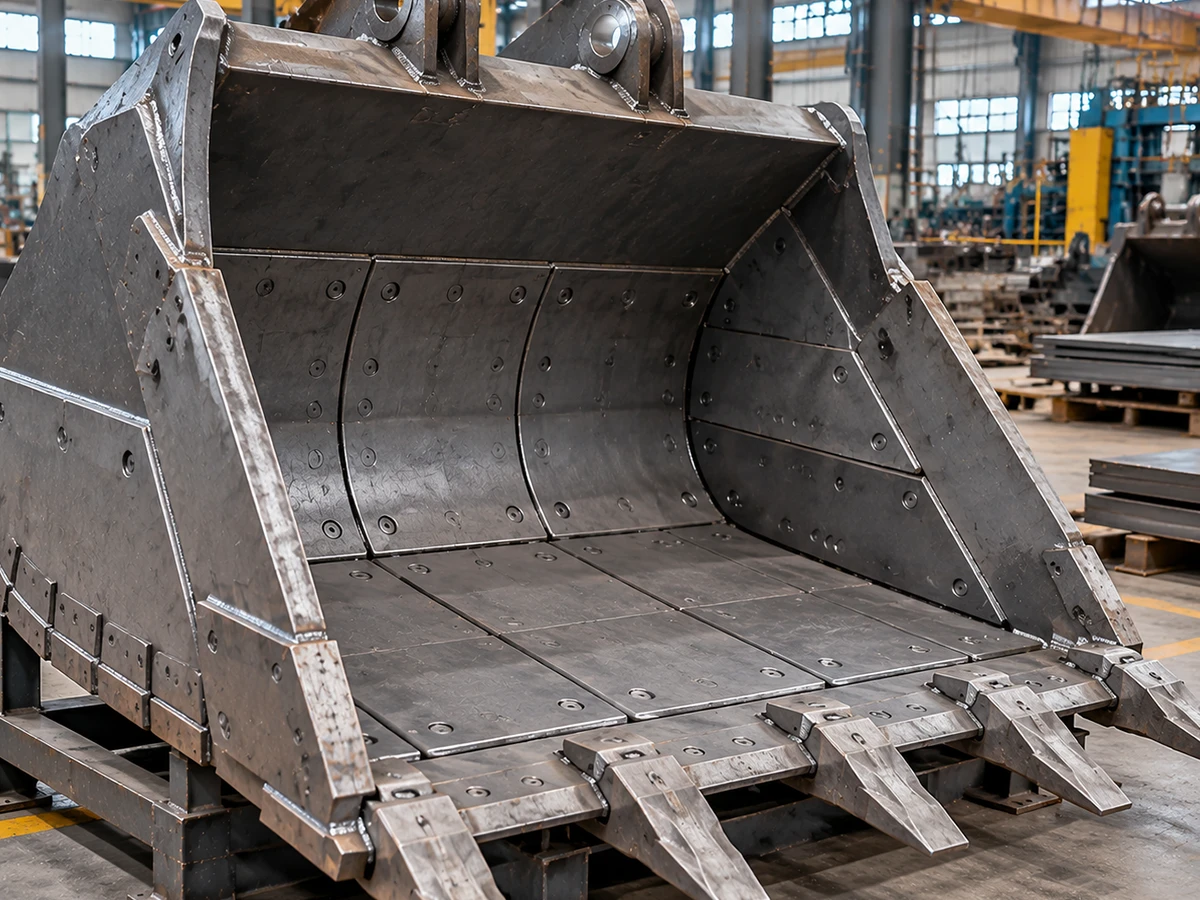
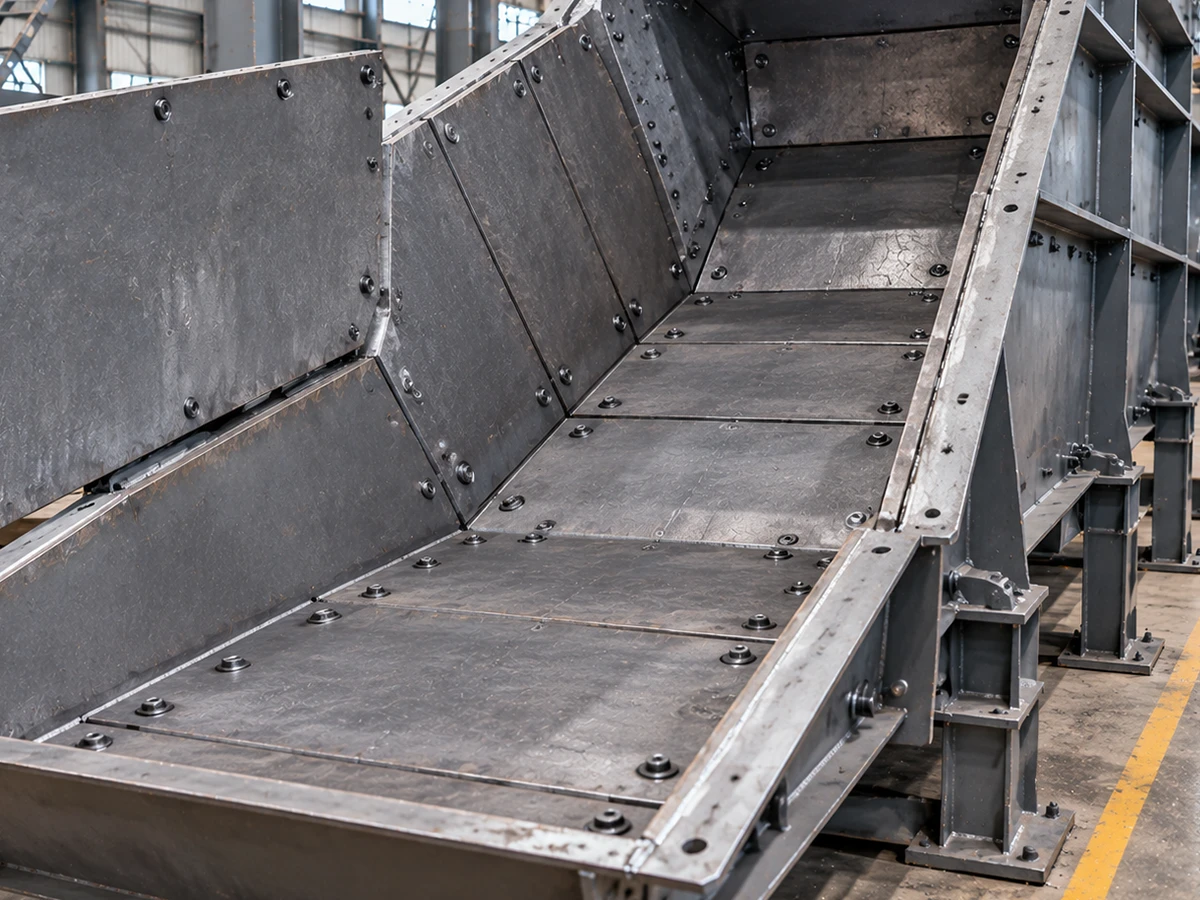
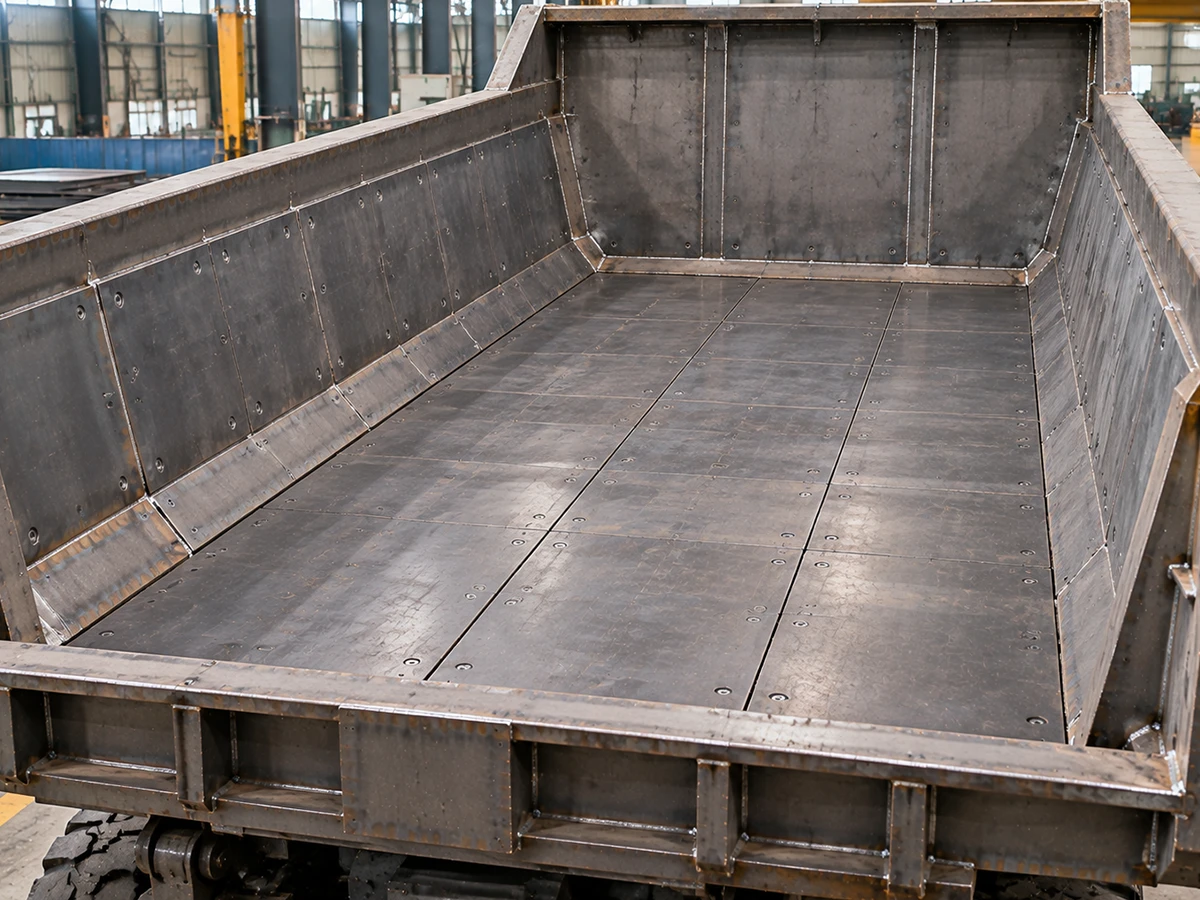
Have replacement-part drawings? Include the cut list with your plate enquiry.
Select wear plate by the applicable hardness band, thickness and impact test requirements.
| Wear Plate Grade | Surface HBW at t ≤80 mm | Common purchase consideration | Product Page |
|---|---|---|---|
| NM360 | 330–400 | Lower nominal hardness class for selected wear parts | View NM360 → |
| NM400 | 370–430 | 400-class abrasion resistant steel plate | Current Page |
| NM450 | 420–480 | Higher nominal hardness class for specified wear duty | View NM450 → |
These are separate grades under GB/T 24186-2022. Equipment design, working temperature, impact exposure and fabrication requirements determine the appropriate purchase grade.
Manufacturing scale, traceability and order planning help your purchasing team manage repeat or project-based requirements.
Actual company-wide steel production supports high-volume manufacturing operations.
Our overall steel stock is managed across product groups; NM400 availability is checked by grade and dimension.
Specify Brinell hardness, NM400D/E testing and heat traceability with each steel plate order.
Align plate sizes, packing conditions and the requested destination within one RFQ.
Request the hardness locations and test method appropriate for your thickness. Your order may also specify heat analysis, dimensional inspection and low-temperature impact documents for NM400D or NM400E.
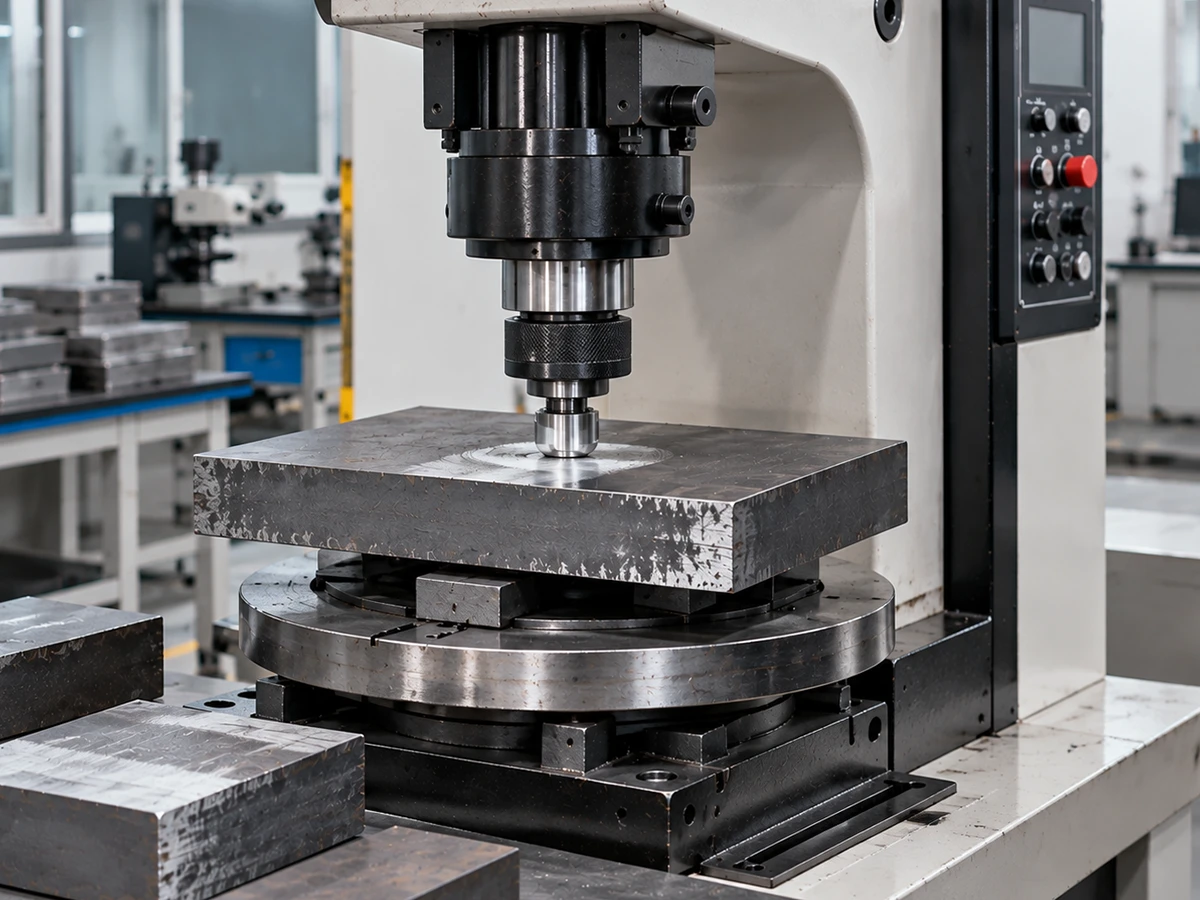
Add a drawing, profile list or finished size requirement to the RFQ. Final cutting method and tolerances are confirmed with the order.
Profiled blanks for suitable plate thicknesses and drawing geometries.
Cutting options for heavy wear plate sections, with heat-control planning.
Bolt-hole layouts and replacement part markings as specified.
For hardened wear plate, the appropriate cutting and welding procedures depend on thickness, chemistry and joint design.
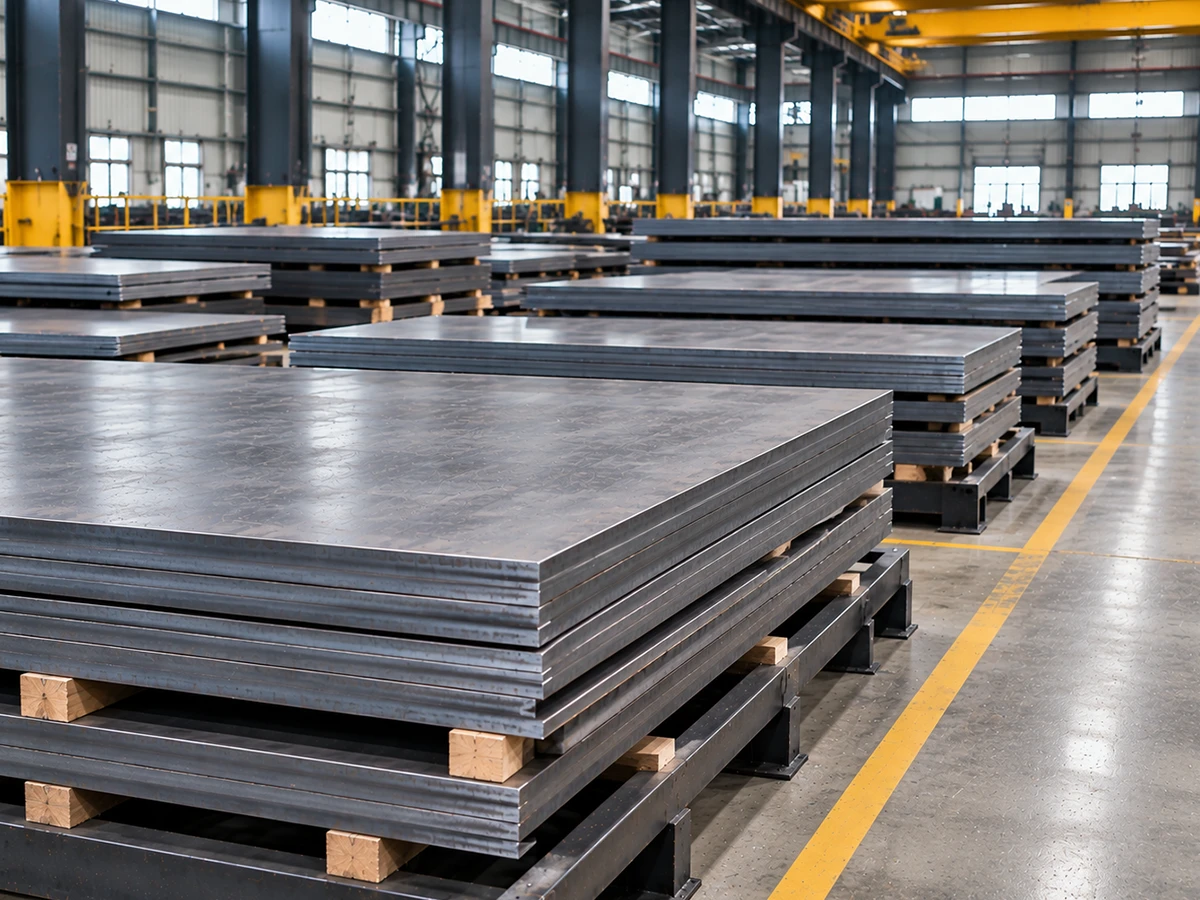
Send the plate schedule and quantity breakdown. Our team will confirm current NM400 stock, production arrangements, material records and shipment timing for the exact order.
Estimate the theoretical weight from nominal plate dimensions before submitting your RFQ.
Theoretical mass is based on nominal dimensions and density; commercial weights follow the agreed measurement method and tolerances.
Place dimensions, grade and inspection requirements in a single request.
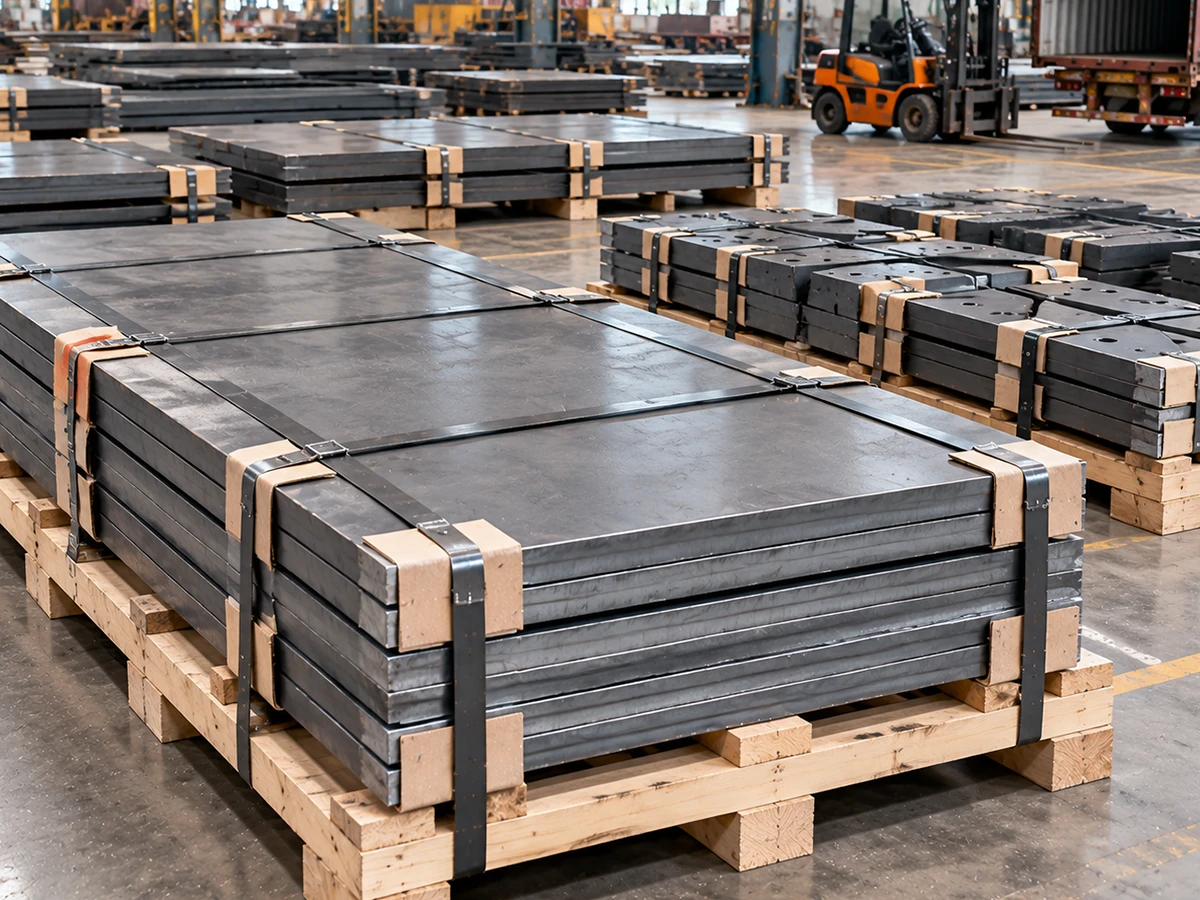
Specify handling requirements for heavy plate bundles, cut components and export shipment. Packing arrangements can include supports, edge protection and lot identification.
Move between hardness classes and compare ordered material properties on each dedicated page.
Hardness-class names and standard requirements may differ among manufacturers. Each grade is quoted to the material specification agreed with your order.
GB/T 24186-2022 sets 370–430 HBW surface hardness for thickness up to 80 mm, and 360–440 HBW for 80–120 mm. Add the thickness and test locations to your RFQ.
Choose D or E where the purchase specification calls for longitudinal impact tests at −20°C or −40°C respectively. Include the required specimen and acceptance criteria.
Attach the component drawing, finished dimensions, quantity and edge requirements. We will confirm cutting methods and tolerances with the quotation.
Send the grade, full plate size, order tonnage, hardness / impact requirements and delivery destination through the RFQ form.
Send your required grade, dimensions, quantity and destination. Our team will review the inquiry.