
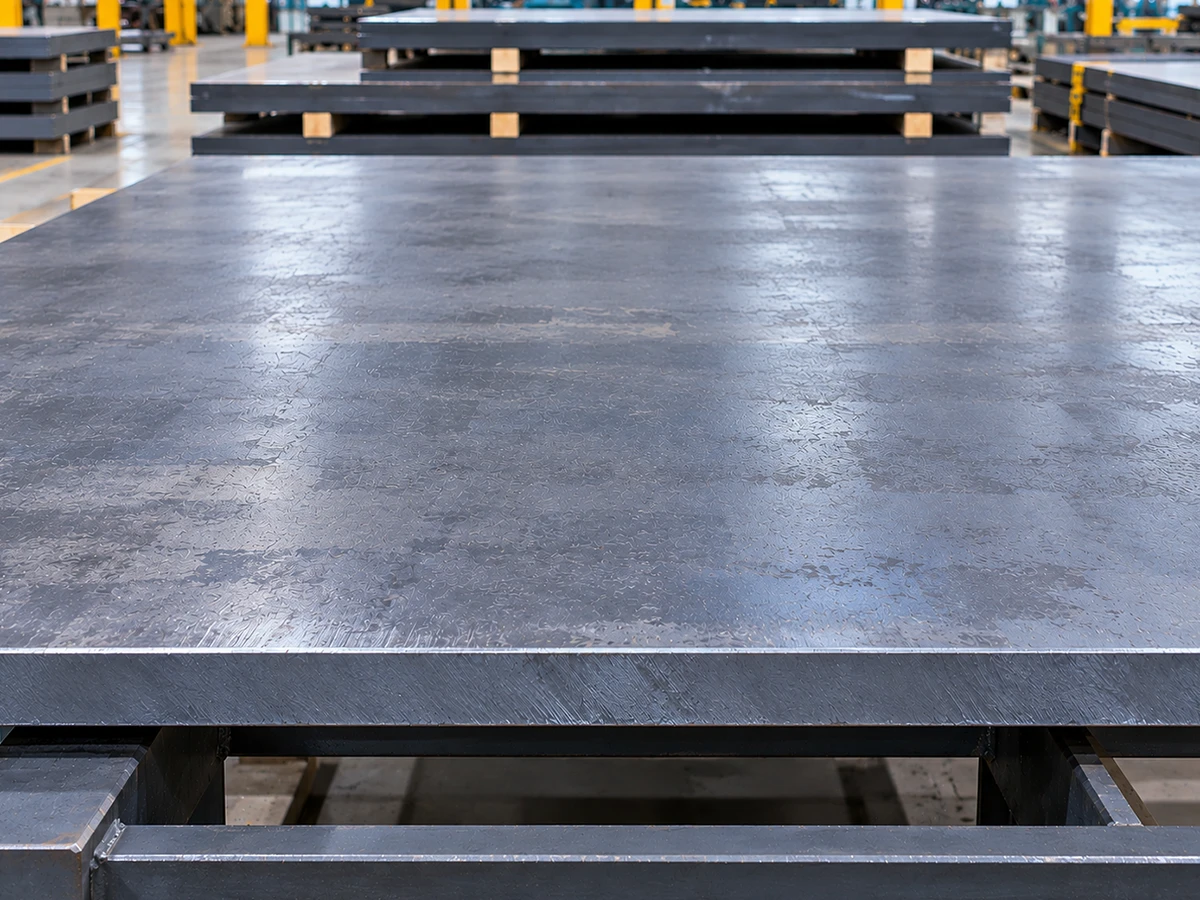
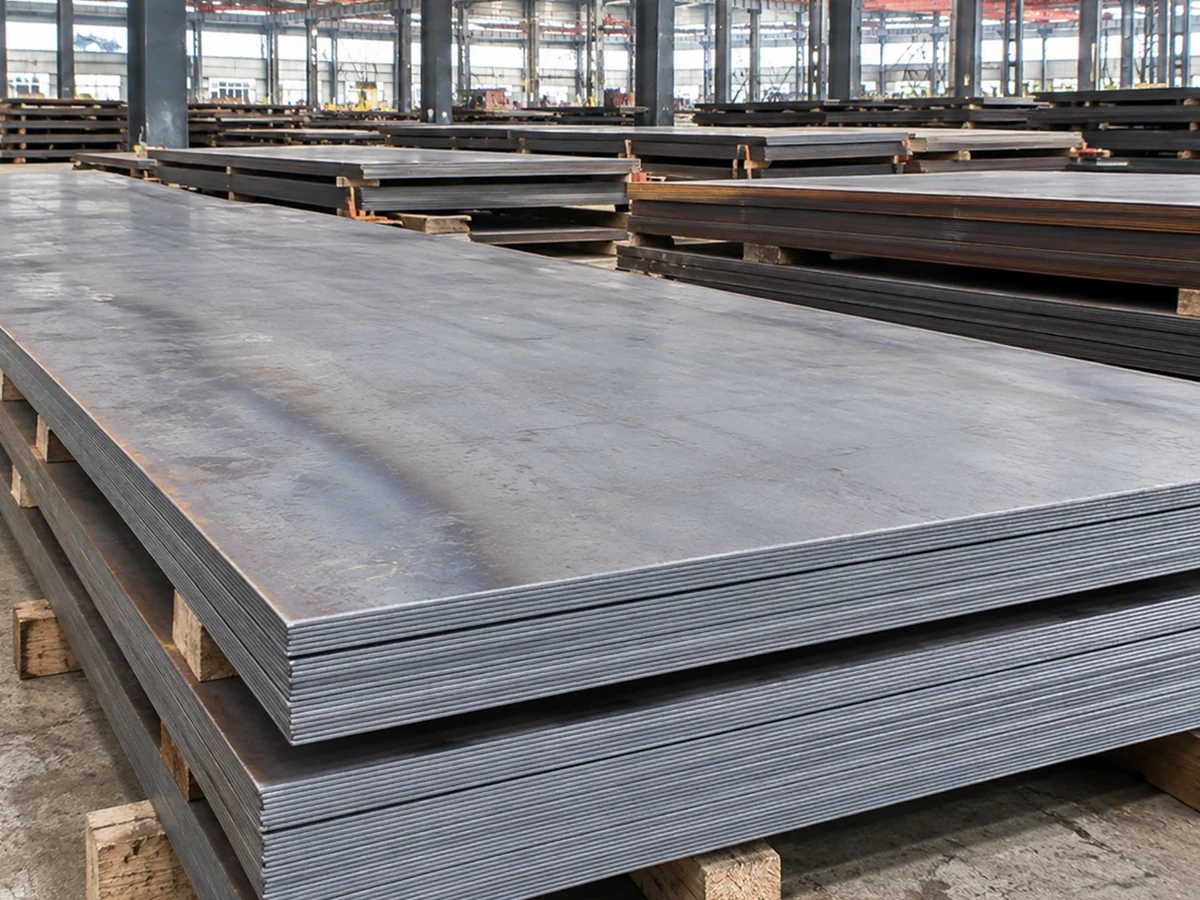
As-Rolled Surface
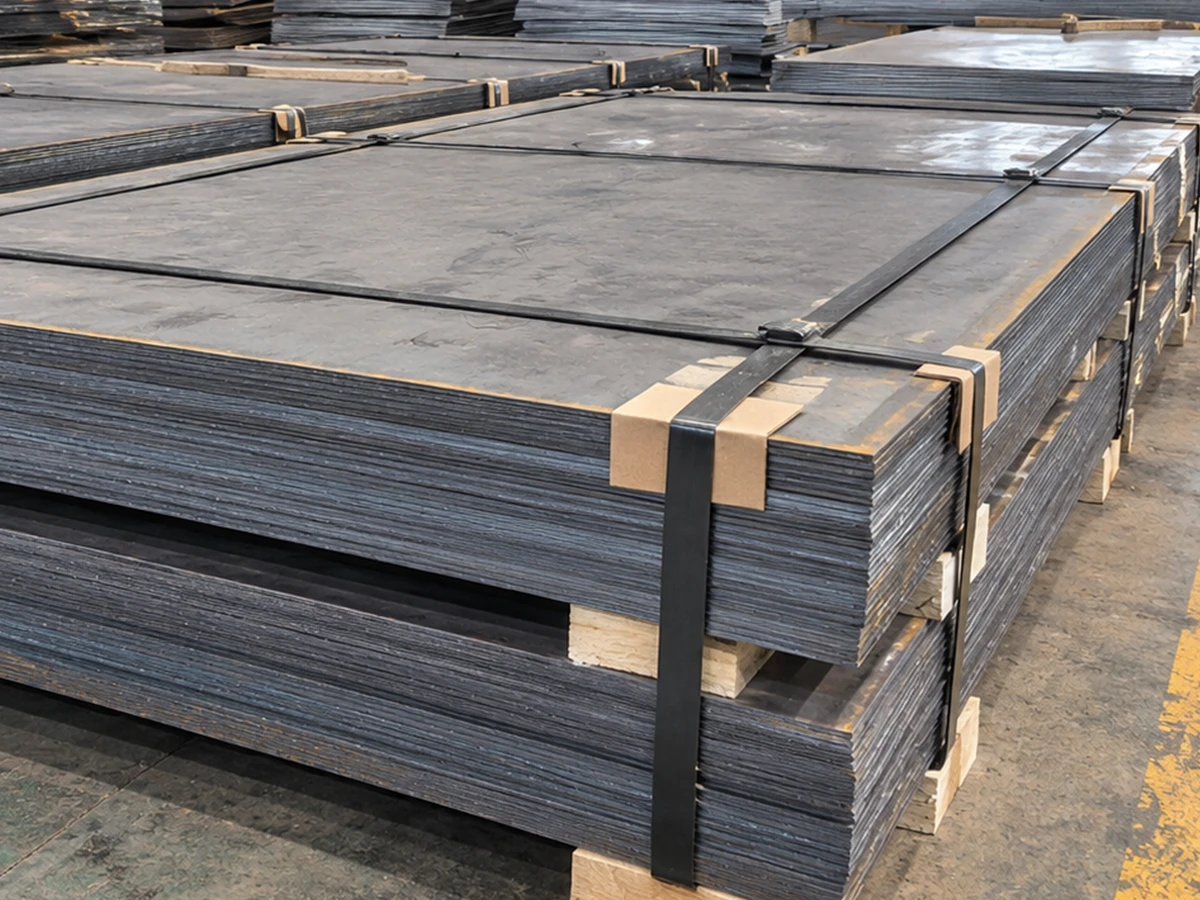
Dark industrial plate surface with natural mill texture.
Nominal 400 HBW · Wear Liners · Bulk Factory Supply
Source AR400 abrasion resistant steel plate for buckets, chutes, truck bodies and replacement wear parts. Share your plate sizes, hardness requirement, drawings and shipment destination for a quotation tailored to your project.
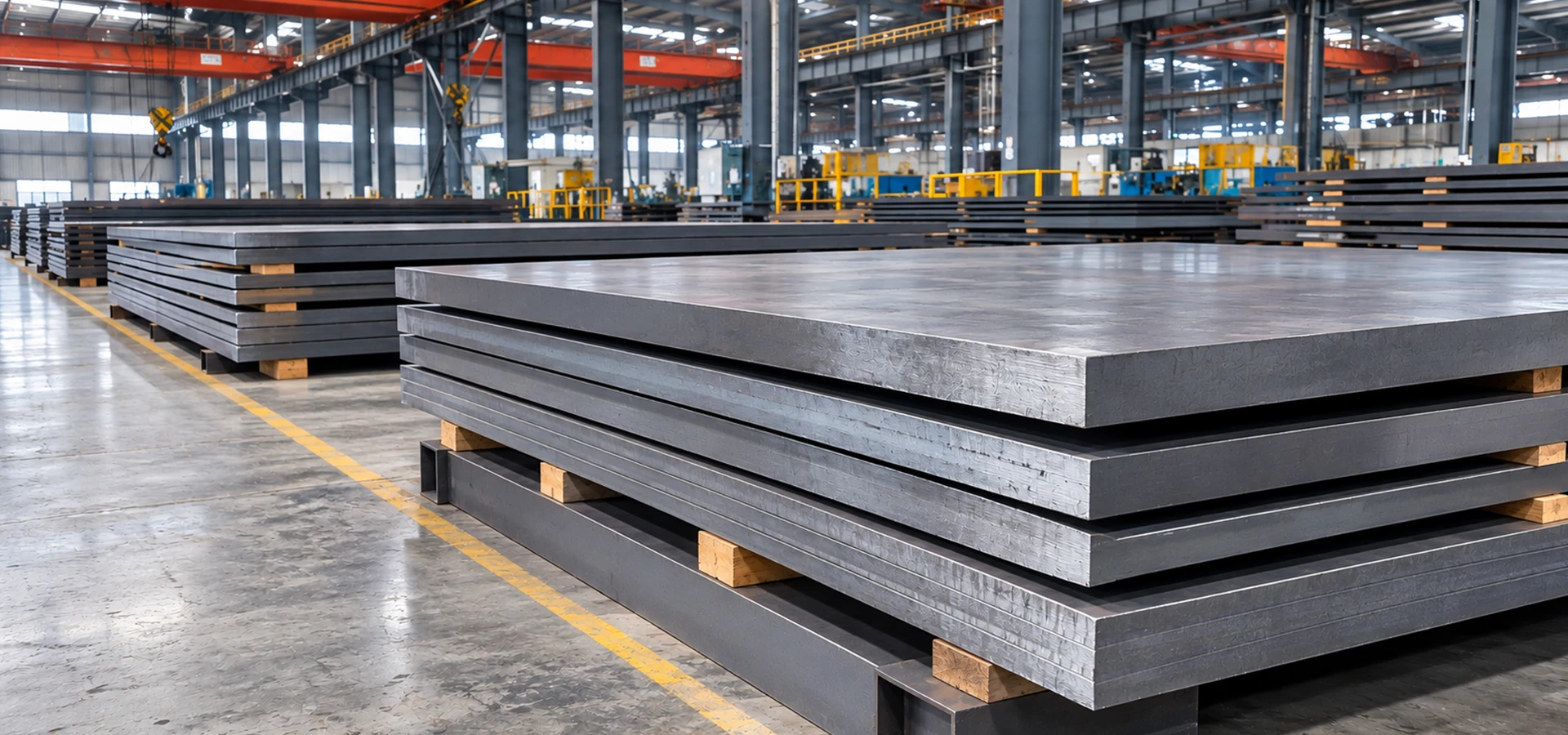
Get hardness, plate dimensions and inspection conditions aligned with your purchasing document.
| Grade | AR400 Abrasion Resistant Steel Plate |
|---|---|
| Material Family | Wear-Resistant, Heat-Treated Low-Alloy Steel |
| Nominal Hardness | Approx. 400 HBW |
| Indicative Hardness Range | 360–440 HBW (representative market range; confirm by selected mill) |
| Product Specification | Manufacturer's AR400 datasheet and agreed purchase specification |
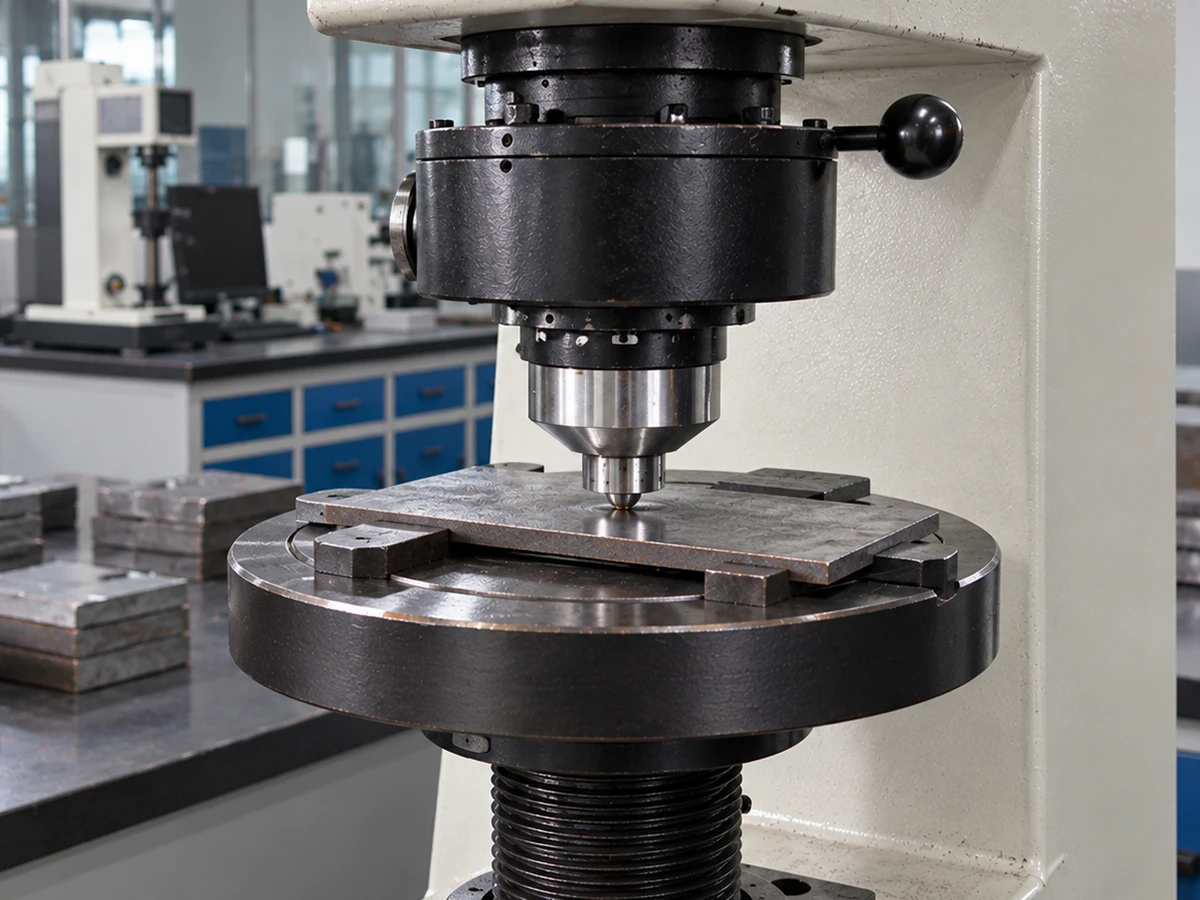
| Brinell Test | ASTM A370 or ISO 6506-1 as agreed; test location specified in order |
| Plate Size | Thickness × width × length according to your RFQ and confirmed supply |
| Delivery Condition | Heat-treated condition per selected mill specification |
| Inspection & MTC | Hardness, heat analysis, traceability, dimensional checks as ordered |
You can request a quote for full plates or drawing-based wear components.
AR400 is a nominal wear-plate category supplied against the relevant producer technical conditions. Material chemistry, plate dimensions, toughness and welding instructions follow the agreed datasheet.
AR400 sourcing starts with the hardness window, test position, plate thickness and final part geometry.
| Purchase parameter | AR400 reference | How to specify it |
|---|---|---|
| Nominal hardness | 400 HBW | State the targeted abrasion resistant plate class. |
| Market reference hardness | 360–440 HBW | Confirm the mill's guaranteed test band by thickness. |
| Hardness testing | Brinell | Include test standard, depth from plate surface and certificate format. |
| Yield / tensile strength | Mill-specific | Request agreed test values when strength controls design. |
| Impact properties | Mill-specific | Specify impact temperature and minimum energy when applicable. |
| Chemical analysis | Mill-specific | Include heat analysis and carbon equivalent requirements for welding. |
Include your hardness acceptance band and drawings in one quotation request.
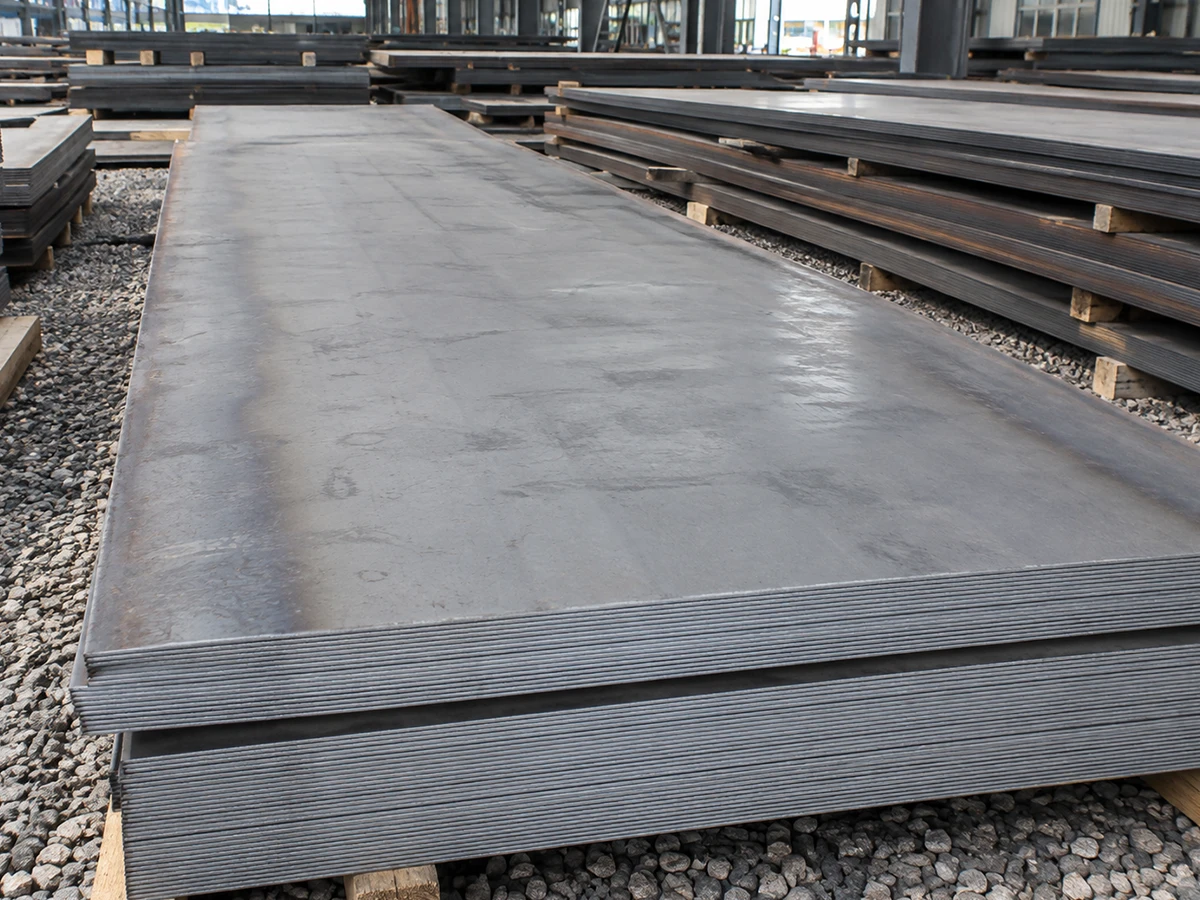
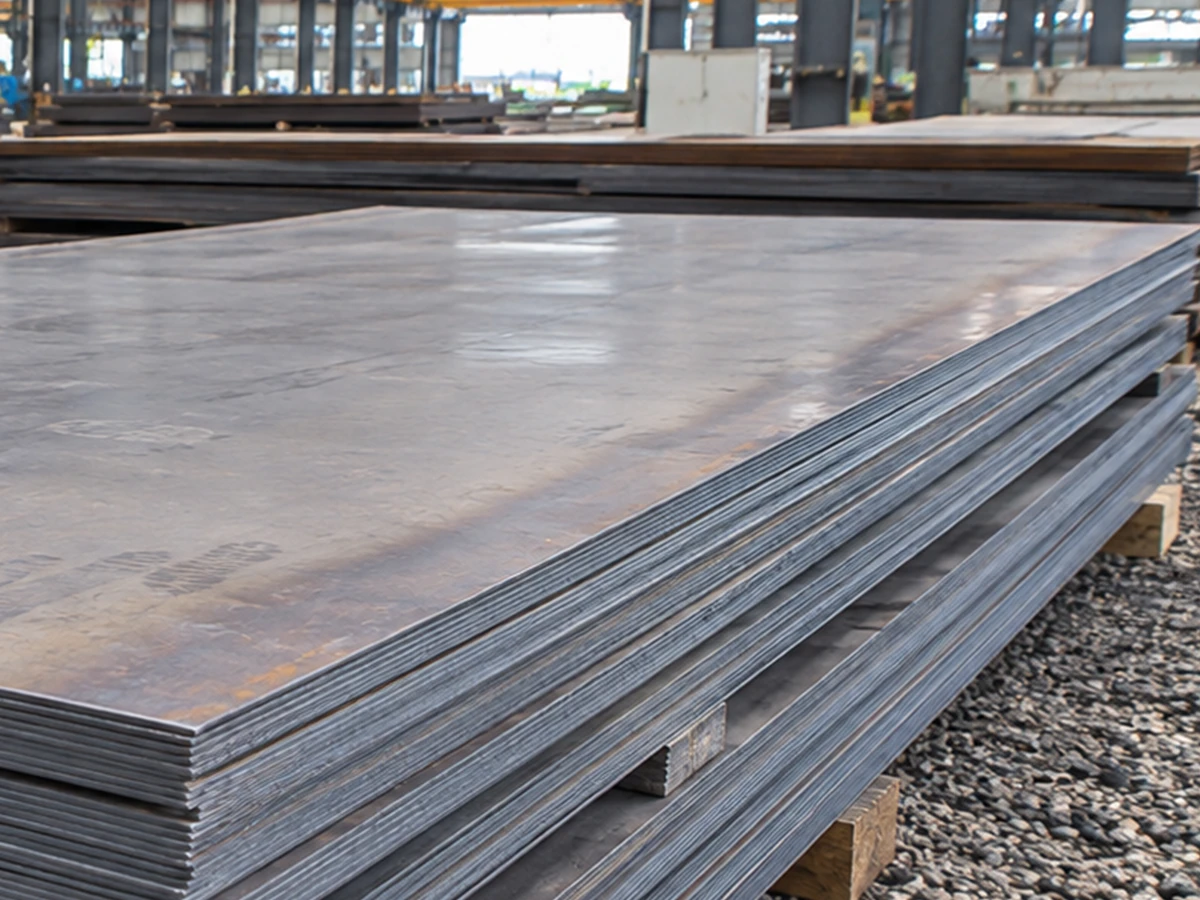
Real plate photos help your purchasing team review surface condition, edge shape and thickness.
Dark industrial plate surface with natural mill texture.
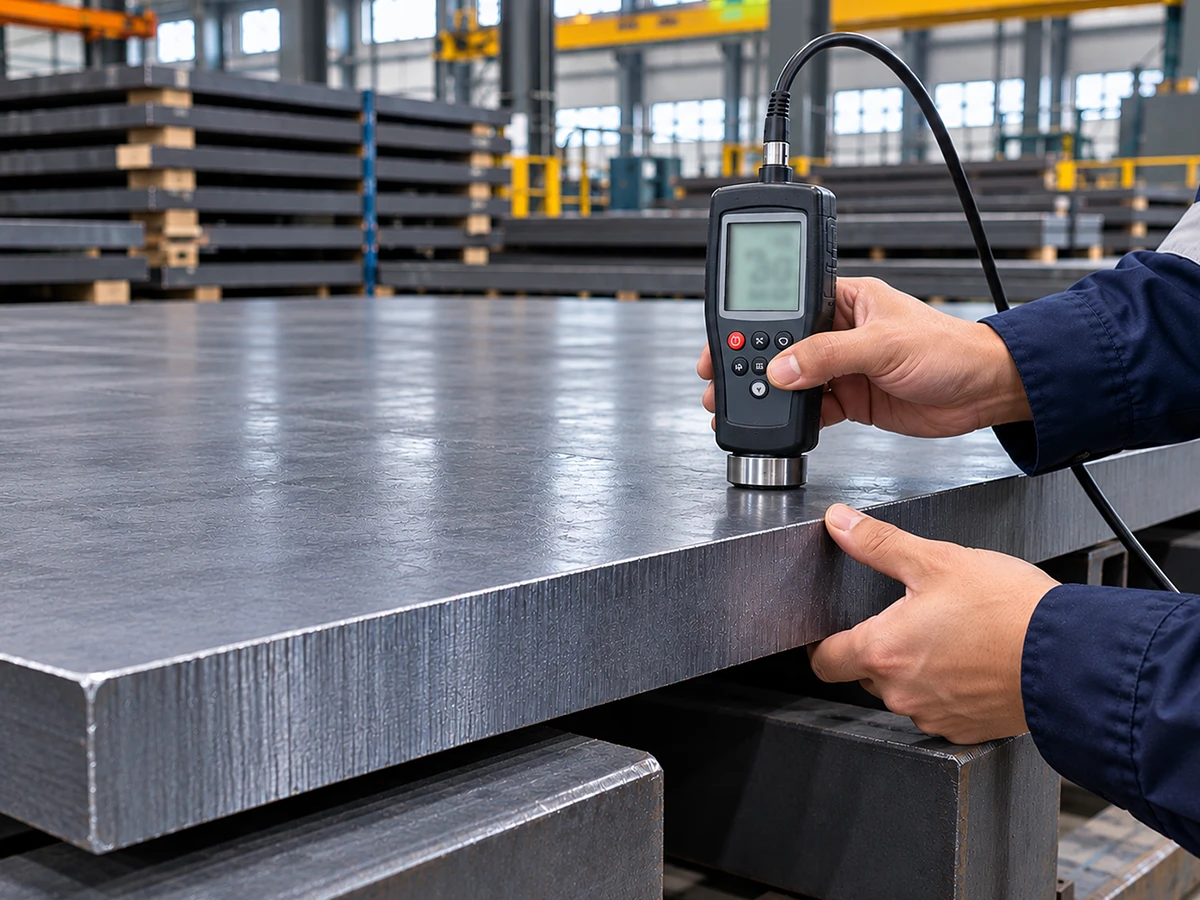
Check plate edges and cut-piece requirements.
Send your working drawings and expected wear location. We will confirm plate size, hardness conditions and available fabrication options.
Replacement wear plates for excavator and loader buckets.
Truck-bed flooring and side wear components.
Wear-resistant lining sections for bulk material flow.
Replaceable guards, liners and high-contact wear areas.
Wear strips and receiving zone liners for transported bulk solids.
Mixer-area panels and selected aggregate-handling wear parts.
Both are 400-class wear plate descriptions. Your final selection is based on the named standard or mill technical specification.
| Factor | AR400 Steel Plate | NM400 Steel Plate |
|---|---|---|
| Grade system | Manufacturer-defined AR wear-plate product | GB/T 24186-2022 material grade |
| Hardness | Nominal 400 HBW; producer-specific acceptance band | Thickness-dependent hardness bands in GB/T 24186-2022 |
| Chemistry | Production-mill datasheet and heat analysis | Applicable grade and quality-class requirements |
| Additional tests | Defined in agreed order and mill product specification | Specified by grade class and contract conditions |
| Purchasing route | Specify supplier datasheet + target hardness + intended use | Specify NM400 / D / E + standard edition + thickness |
Review material certificates and test conditions for your project. Explore NM400 Wear Resistant Steel Plate →
Your order moves from technical specification to documented supply, inspection and export planning.
Actual annual production across our full steel business supports planned procurement.
Company-wide stock organization supports sourcing; your AR400 sizes are confirmed against current availability.
Specify hardness, MTC, heat analysis and any supplemental test in your RFQ.
Plan plate lots, handling, packing and shipping details with one purchasing contact.
Request Brinell hardness test records, heat identification, material composition and thickness inspection. Include any Charpy impact or additional mechanical testing required by your equipment design.
Provide cutting profiles and hole positions so the manufacturing route can be quoted for your plate thickness.
Detailed outlines at suitable thicknesses and agreed edge quality.
Larger wear-part blanks and industrial plate shapes.
Mounting holes, bevels and order-specific part marking.
Processing conditions depend on hardness, heat-treatment status, thickness, geometry and agreed procedures.
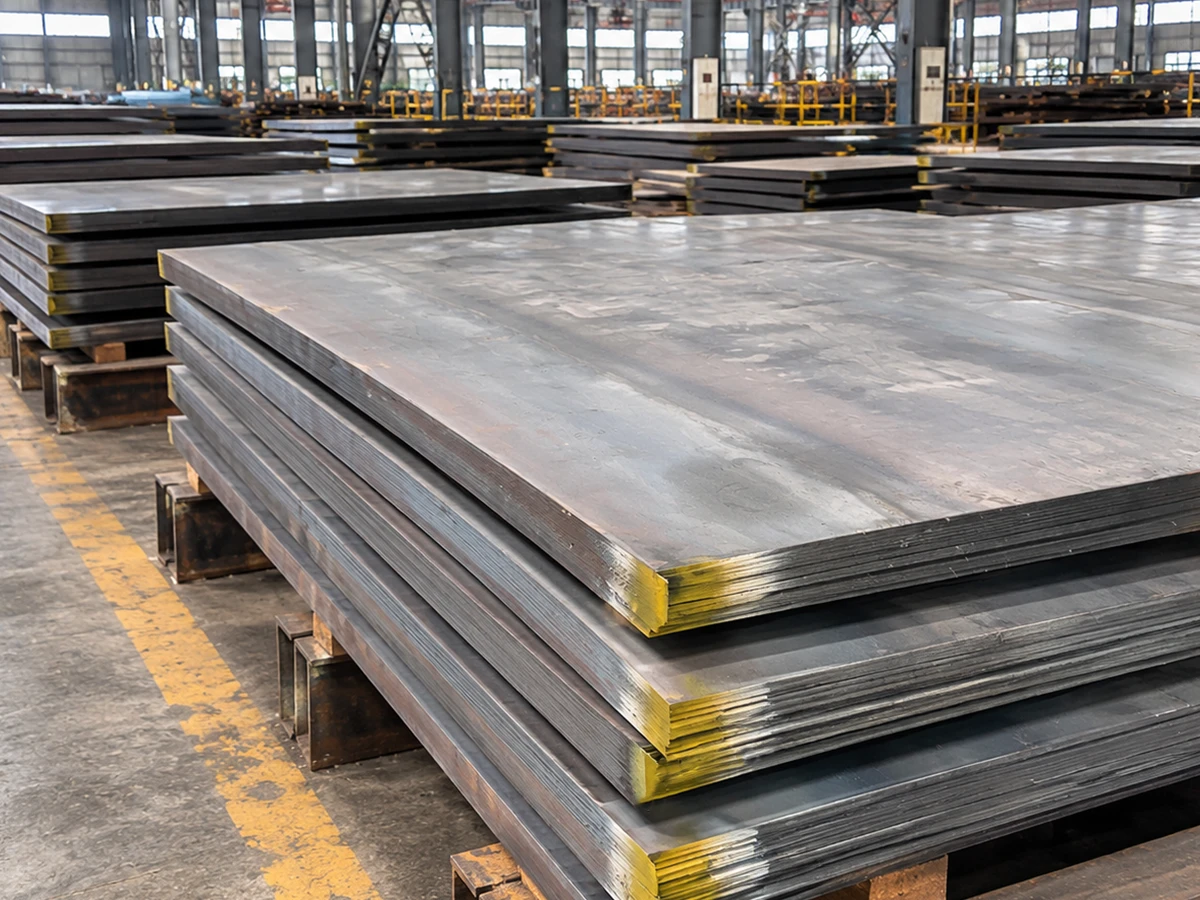
List the required plate thicknesses, full sheet dimensions, quantity by item and destination port. Our team will confirm available AR400 supply, producer-specific technical terms, packing and shipment arrangements.
Enter nominal full-plate dimensions to estimate the purchase weight before requesting a quotation.
The calculation uses nominal flat-plate volume. Packing and actual shipment weight are determined for the confirmed order.
Send the dimensions you entered along with your hardness specification and final delivery destination.
Set your preferred steel strapping, timber support, batch identification and unloading instructions with the purchase order.
Find the wear-plate class that matches your specifications and manufacturing requirements.
A common market reference is 360–440 HBW around a nominal 400 HBW class. Specify the agreed hardness band and test location in your purchase order.
Identify the selected mill technical specification for the grade. Include the accepted Brinell test method and any dimensional or supplemental testing requirements.
AR400 is quoted to the manufacturer-defined AR technical specification; NM400 follows GB/T 24186-2022. Compare the certified hardness, thickness, chemistry and impact conditions.
Attach your final drawing and part quantities. Our team will confirm the relevant cutting methods, dimensions and inspection terms in the quotation.
Send plate sizes, total tonnage, destination, hardness specification, production schedule and any mill certificate requirements.
Send your required grade, dimensions, quantity and destination. Our team will review the inquiry.