
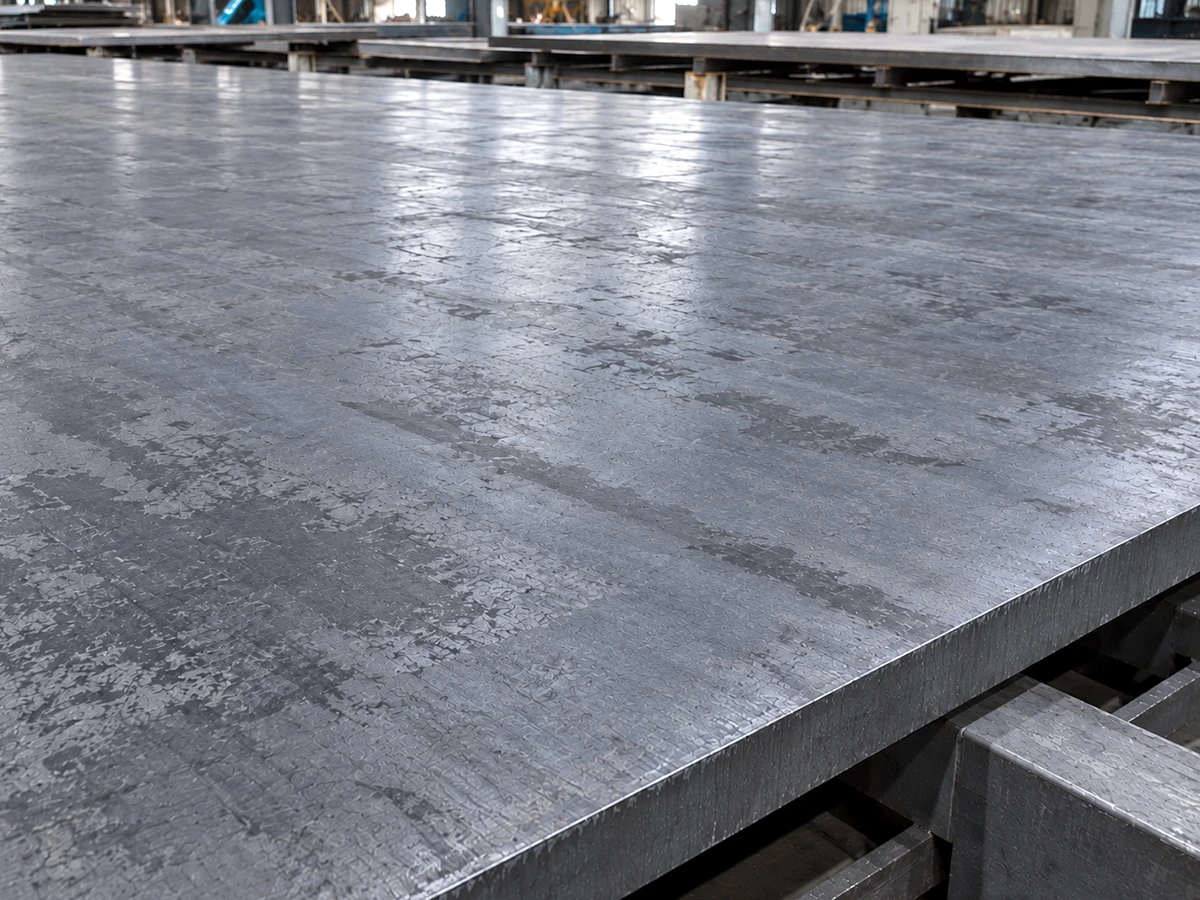
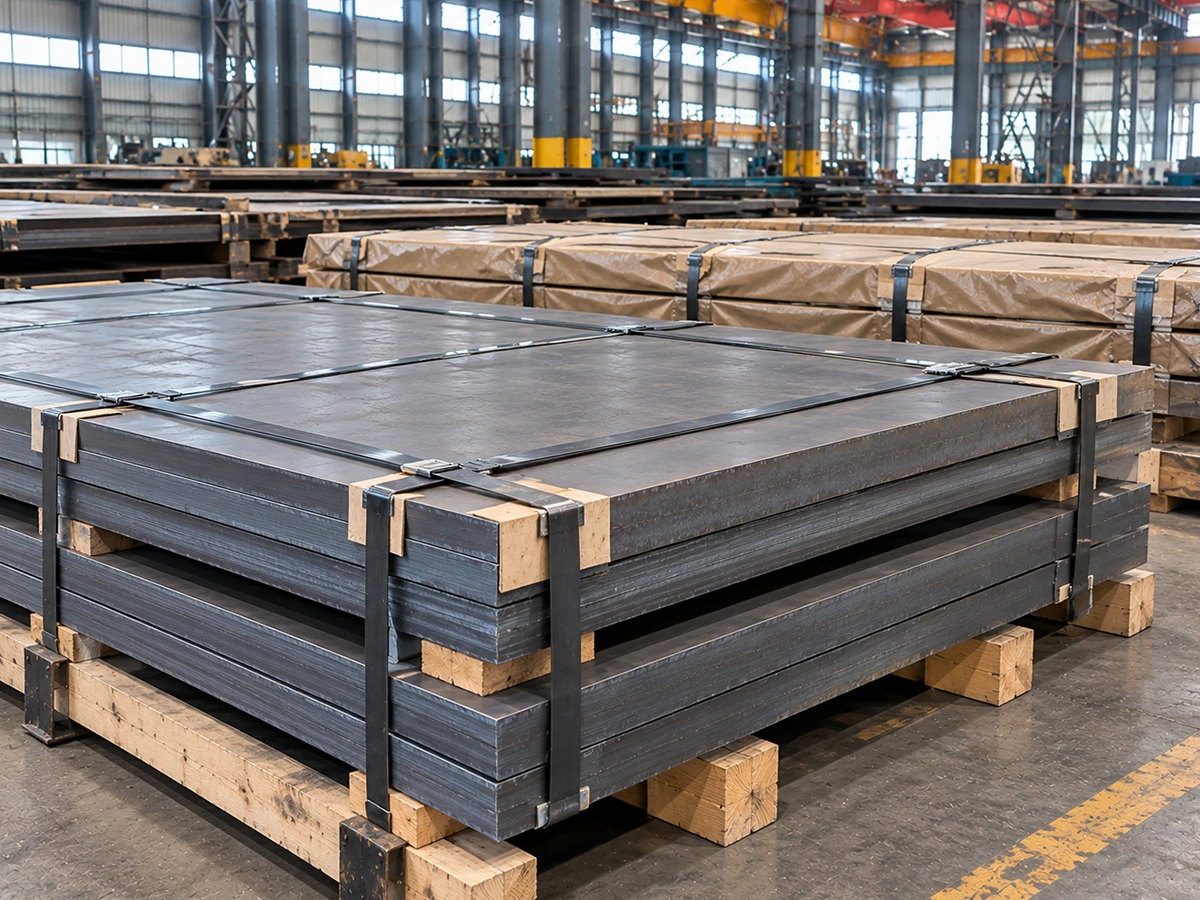
Mill Finish
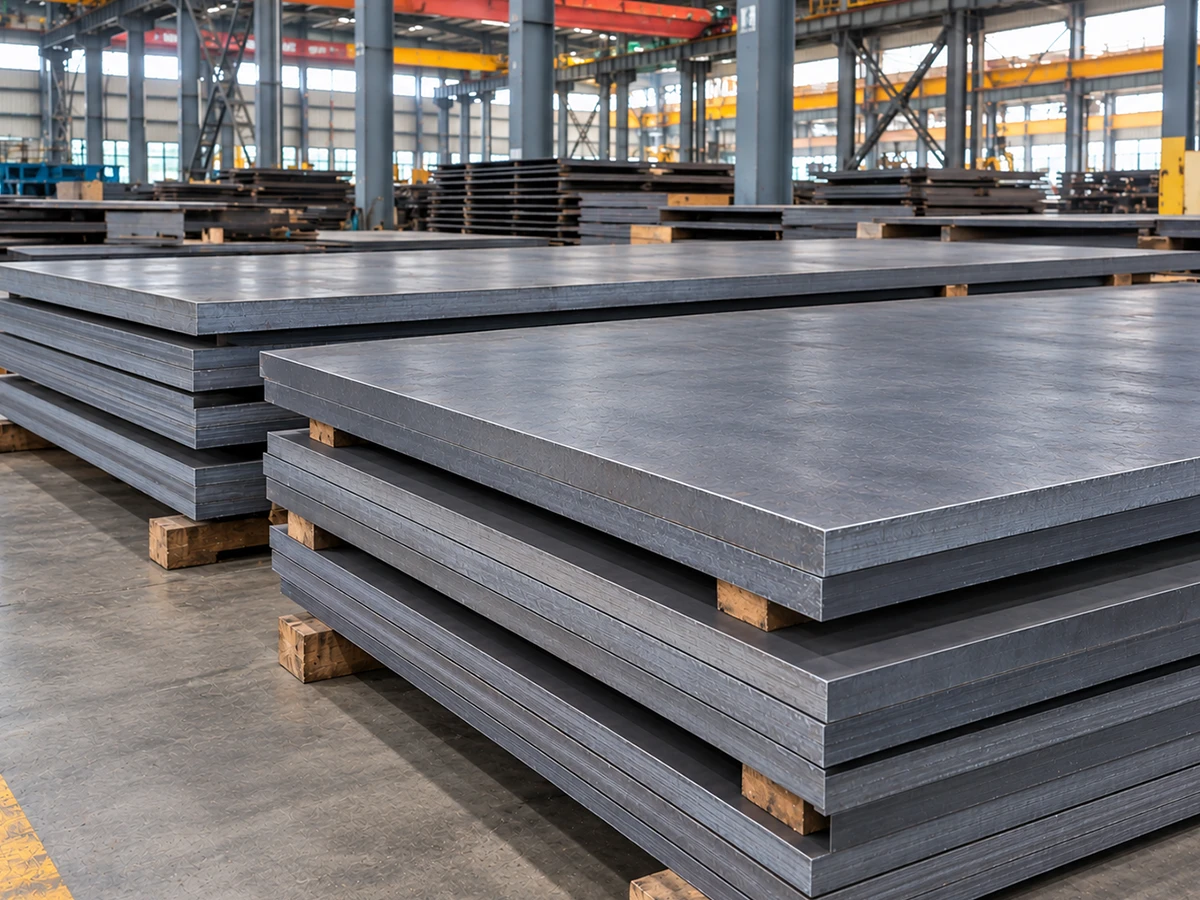
Natural heavy plate surface for abrasion-resistant applications.
Nominal 500 HBW · Heavy Abrasion Duty · Bulk Factory Supply
Quote the exact wear-plate requirement and receive a confirmed mill specification for the supplied material.
| Product | AR500 Abrasion Resistant Steel Plate |
|---|---|
| Nominal Hardness | 500 HBW class |
| Producer Reference | 470–540 HBW for selected plate gauges; published hardness windows vary with producer and thickness |
| Acceptance Basis | Confirmed steel producer technical datasheet and agreed purchase specifications |
| Common Delivery Condition | Quenched and tempered, subject to the supplied producer grade |
| Plate Size | Thickness × width × length; enter your exact dimensions |
| Hardness Test | Brinell test to ASTM E10 or ISO 6506-1, as agreed |
| Other Tests | Impact, tensile, flatness and chemical analysis according to your order |
| Documentation | Material test certificates, heat identification and specified inspection records |
Your RFQ can cover full plates or prepared wear-liner components.
Plate availability and hardness testing criteria are confirmed for the selected producer and thickness range during quotation.
Compare published manufacturer examples, then set the hardness window and testing requirements for your order.
| Reference | Published Brinell Hardness | Purchasing consideration |
|---|---|---|
| Nominal AR500 class | 500 HBW | Choose the 500-class wear plate for the specified abrasive duty. |
| AR500F manufacturer example | 470–535 HBW | Confirm accepted range against actual product certificate. |
| AR500 plate reference, thinner gauges | 470–540 HBW (published example up to 20 mm) | Confirm thickness coverage and test depth. |
| AR500 plate reference, heavier gauges | 450–540 HBW (published example above 20 mm) | Confirm producer-specific hardness limits at ordered thickness. |
| Testing standard | ASTM E10 / ISO 6506-1 | Specify test position, surface preparation and MTC reporting. |
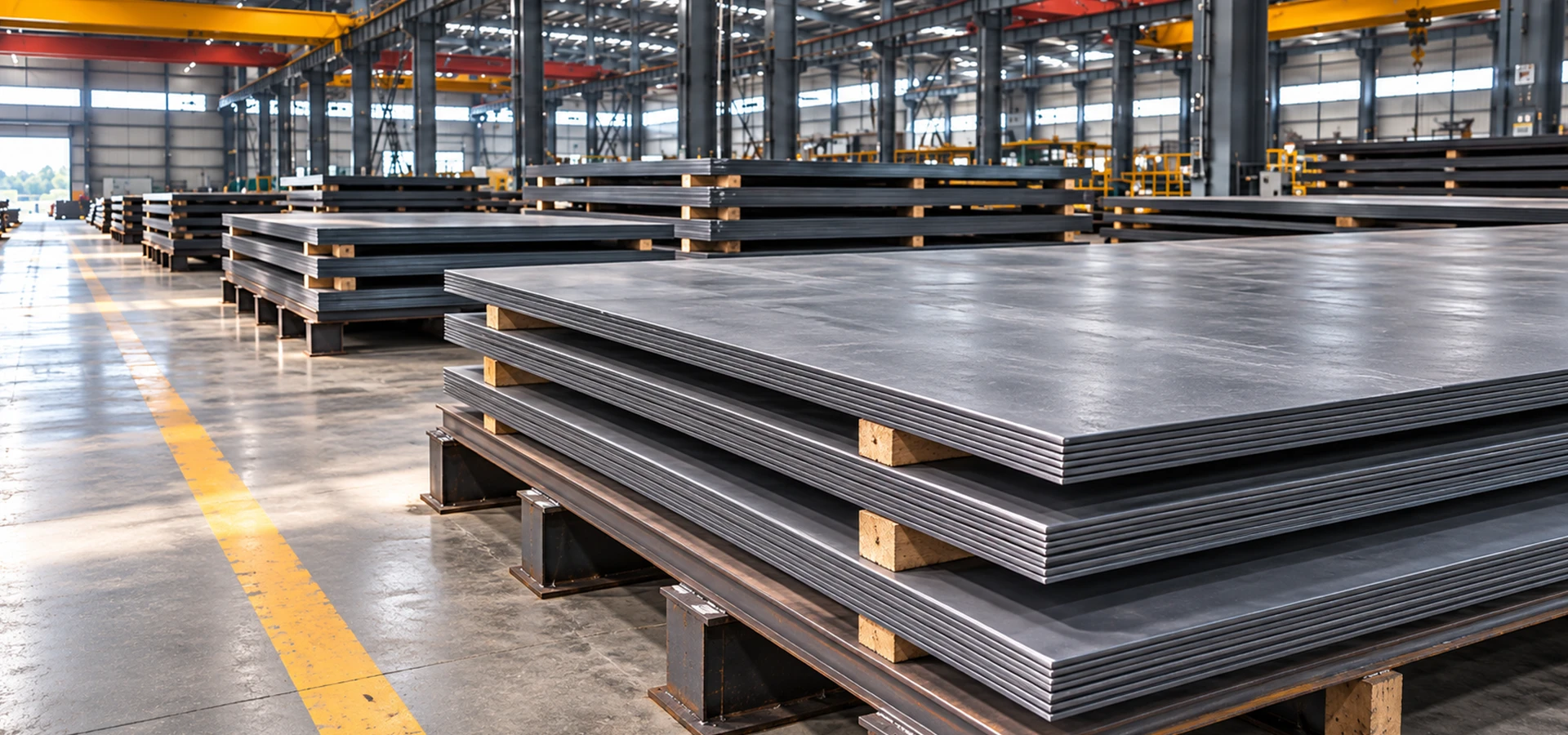
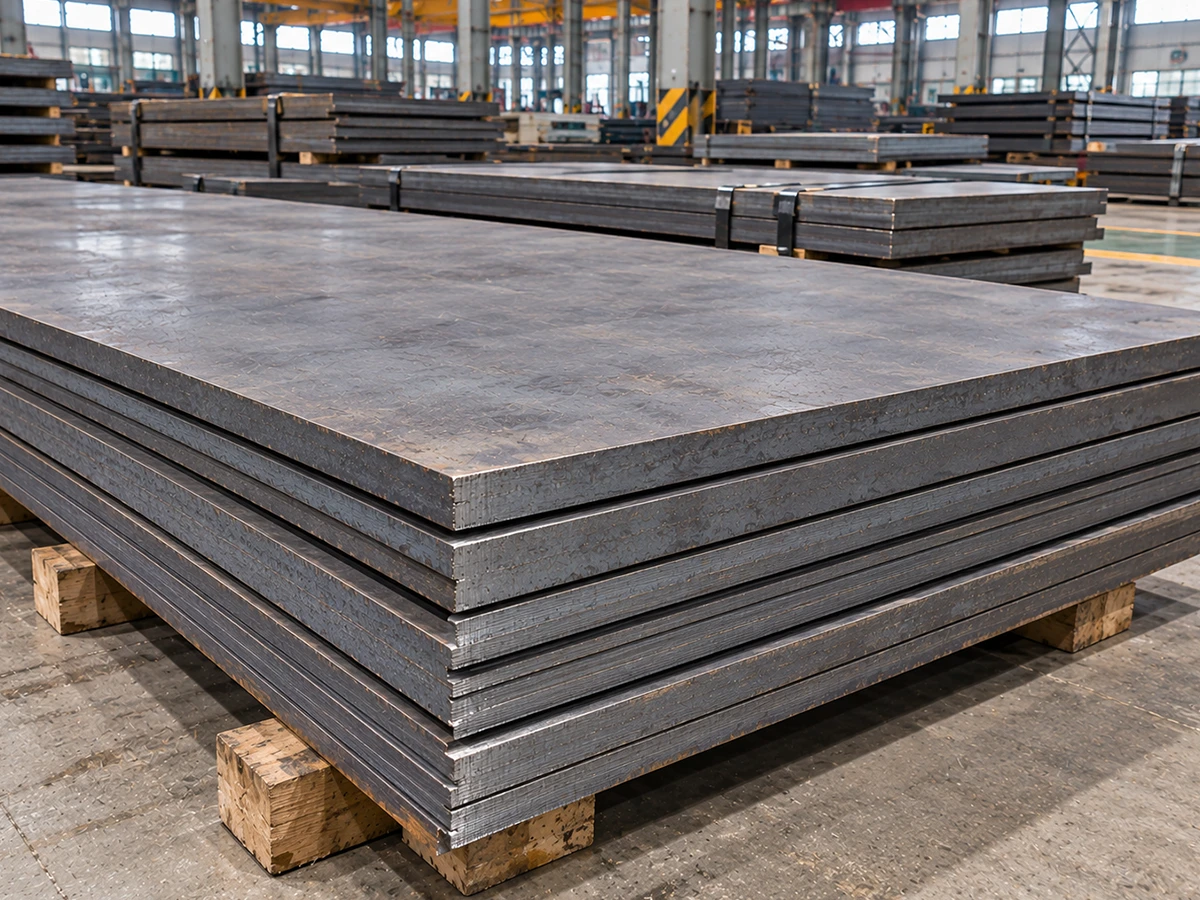
Use the photographs and your drawing schedule to confirm thickness, finish and prepared blank requirements.
Natural heavy plate surface for abrasion-resistant applications.
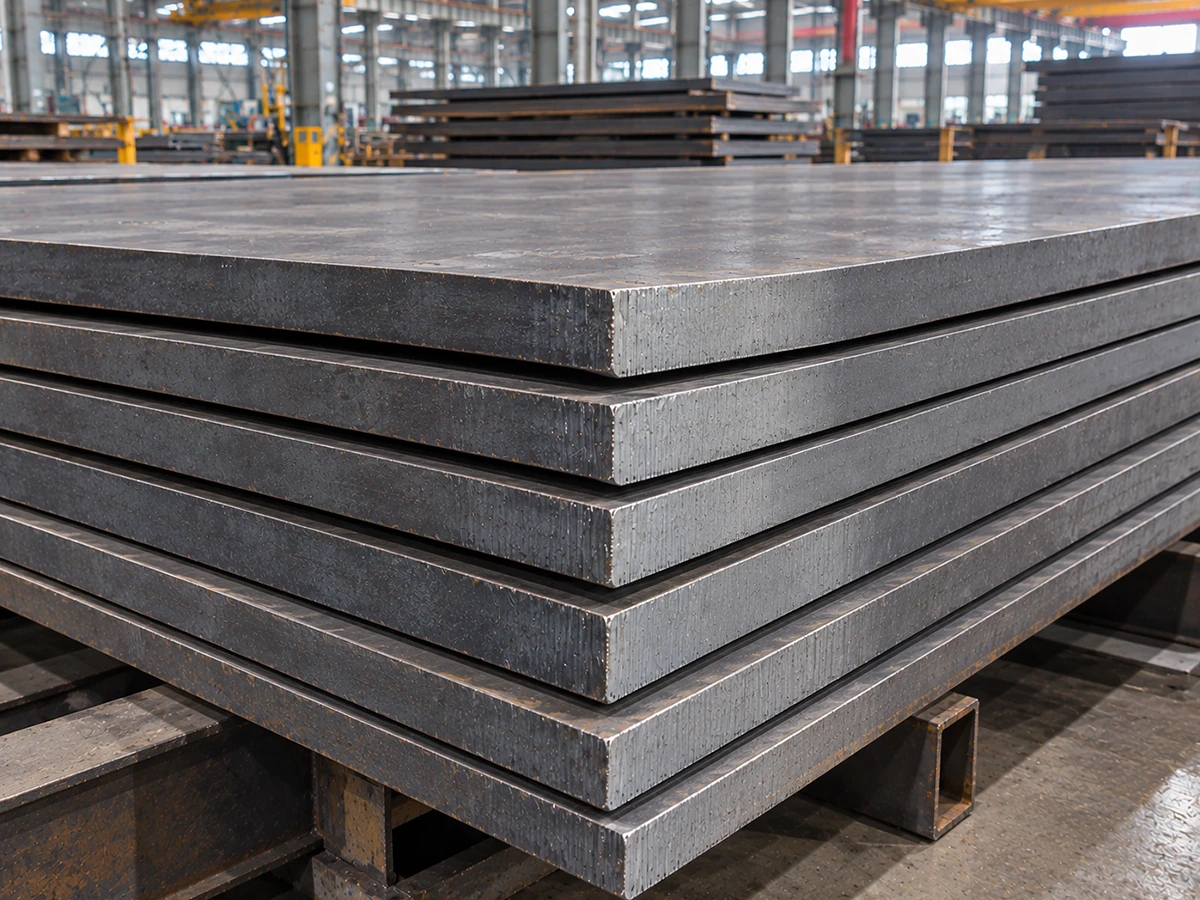
Stacked plate ends that show gauge and edge condition.
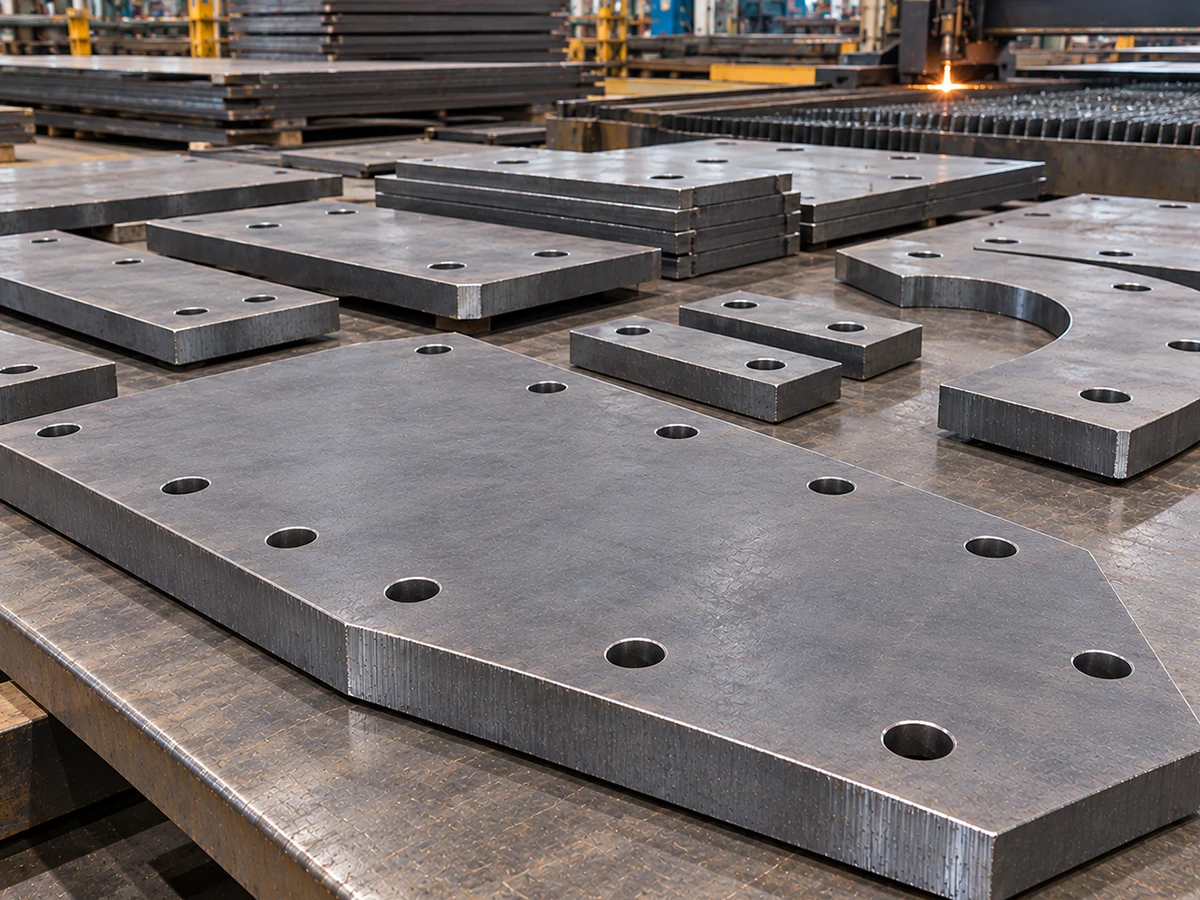
Profiled blanks prepared from engineering drawings.
Select plate thickness and hardness against the material flow, impact level and installation geometry.
Wear-facing segments in crushers, feed hoppers and transfer zones.
Replaceable chute liners exposed to sliding rock and ore.
Liner plates for heavy aggregate and abrasive product handling.
Wear-zone panels and bed liners for repeated bulk loading.
Impact and sliding-wear surfaces in transfer stations.
Replaceable liners for scrap bins and material-feed assemblies.
Include an equipment drawing or liner schedule for a quote based on your installation.
Compare nominal Brinell classes, then match the grade to abrasive contact and your fabrication route.
| Grade | Nominal hardness class | Purchasing focus | Explore |
|---|---|---|---|
| AR400 | 400 HBW | Wear protection across a broad selection of equipment liners. | AR400 Plate → |
| AR450 | 450 HBW | Intermediate hardness class for higher abrasion demands. | AR450 Plate → |
| AR500 | 500 HBW | Harder wear zones with a defined mill-specific acceptance band. | Current grade |
| NM500 | GB/T 24186-2022 | Chinese-standard NM-series wear plate with thickness-dependent hardness limits. | NM500 Plate → |
Nominal hardness is a useful screening parameter. Final selection also considers impact energy, thickness, cut-part design and producer datasheet.
Your order combines material requirements, inspection details and shipment planning with one factory sales team.
Company-wide actual annual steel production supports consistent large-volume purchasing programs.
Overall steel stock supports a wide product portfolio; AR500 sizes are quoted by specific availability.
Specify Brinell testing, heat identification, composition and optional mechanical tests.
Coordinate bundle limits, loading instructions, delivery destination and shipment lots.
The mill technical specification establishes chemistry and heat-treatment condition for cutting, welding and forming.
| Requirement | Information to include |
|---|---|
| Mill Heat Analysis | C, Mn, Si, Cr, Ni, Mo and other elements per MTC |
| Carbon Equivalent | CEV/CET or equivalent welding-related information if required |
| Heat Treatment | Selected AR500 producer delivery condition and hardness profile |
| Cutting Method | Laser, plasma or oxy-fuel by plate gauge and desired edge finish |
| Welding Plan | Joint detail, procedure, heat input and preheat requirements |
| Supplementary Tests | Impact temperature, absorbed energy, tensile properties where specified |
Share your final dimensions and fastening details for efficient quotation of wear-liner blanks.
Your order can call for hardness records, heat analysis, dimension checks and traceable material identification.
List the Brinell hardness acceptance range, test method and sampling location with each plate size. Add impact or tensile tests when your equipment specification requires them.
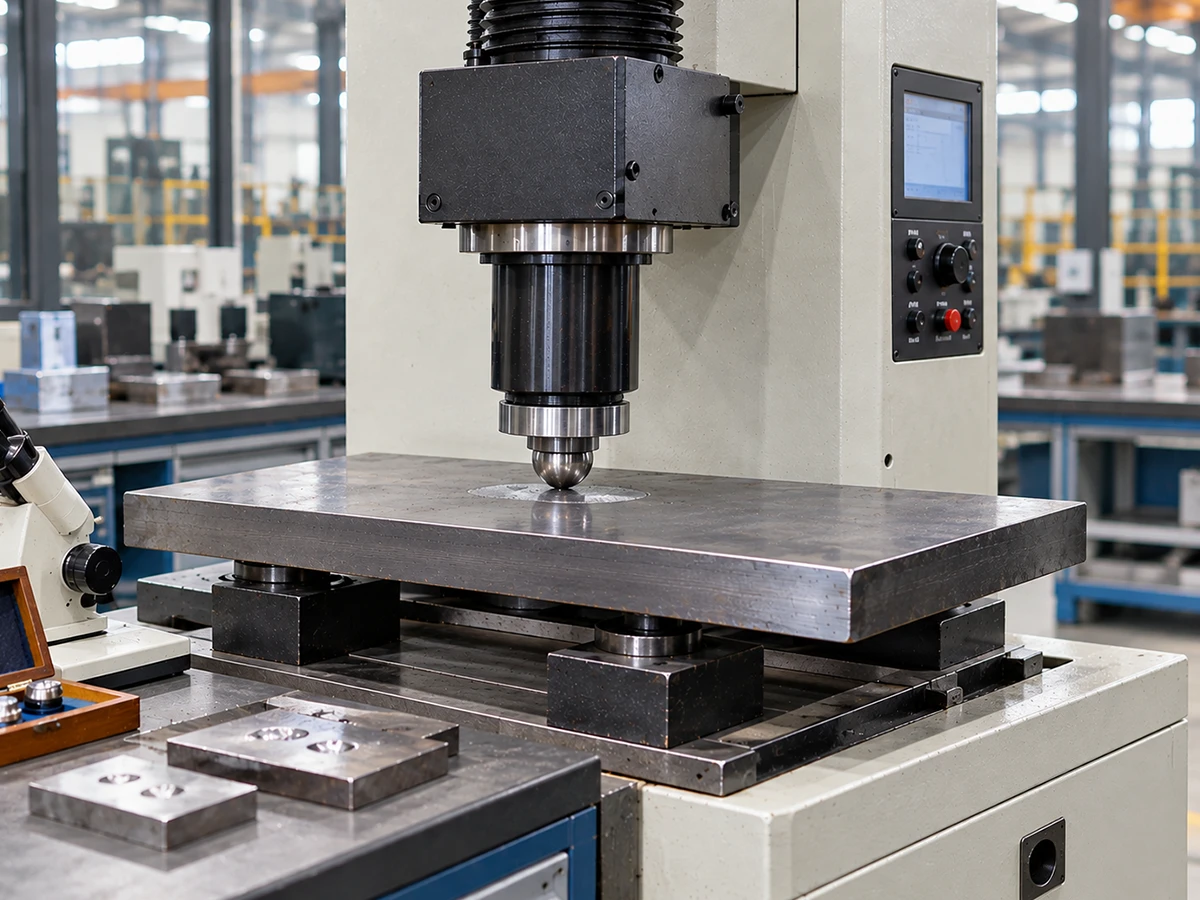
Send your cutting file together with the plate enquiry for an integrated quote.
Profile suitable plate thicknesses to your cut-piece geometry.
Prepare heavier plate blanks to the specified contour.
Add mounting holes and detailed joining edges from drawings.
Available processing routes and tolerances are confirmed for the supplied steel grade, thickness and fabrication drawing.
Provide one material list for plates or wear-part blanks, including destination and shipment target.
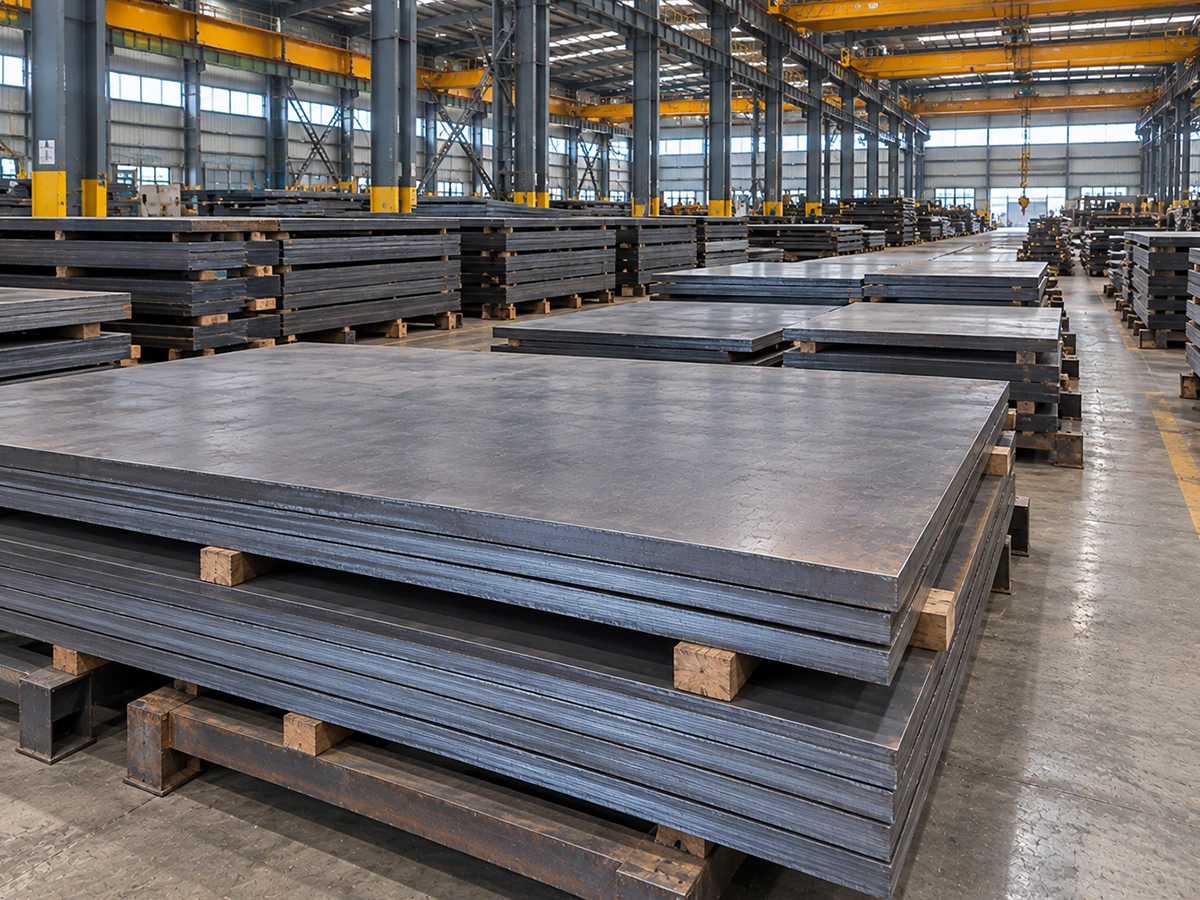
Send the accepted hardness range, plate dimensions and order quantity. We will confirm production arrangements, grade-specific stock options, inspection package and planned export shipment.
Enter your plate sizes and quantity to estimate the weight for shipment planning.
Weight is calculated from nominal dimensions. Final dispatch tonnage uses the agreed weighing method.
Attach dimensions, equipment drawings and the target Brinell range. Your quotation can cover several plate sizes.
Confirm lifting, protection and lot identification requirements for your destination.
Request timber supports, protective strapping, packing lists and marked shipment lots to suit your material size and unloading arrangements.
Compare hardness classes and national-standard NM plates for your project.
Three details buyers commonly confirm before ordering.
State your accepted Brinell range and the agreed producer datasheet. Published references include 470–535 HBW and 470–540 HBW for selected gauges.
Specify the source mill product datasheet together with the Brinell test method, material certificate and any additional impact or tensile requirements.
Attach thickness, finished profiles, hole details and piece counts. Processing and tolerance arrangements will be confirmed with your quotation.
Compare actual certified hardness, thickness coverage, impact criteria and heat-treatment conditions. The applicable product specifications guide selection.
Send your required grade, dimensions, quantity and destination. Our team will review the inquiry.