
Grade D36 has 355 MPa minimum yield, 490–630 MPa tensile strength and 21% proportional elongation.
Global Steel Supply & Processing
IACS UR W11 Rev.9 · DH36 / D36 · 355 MPa minimum yield · −20°C Charpy
Request DH36 plate for approved hull structures and marine fabrication. Share your dimensions, total tonnage, classification society, inspection requirements and destination port for a supply quotation.
*34 J minimum average longitudinal impact energy at −20°C for full-size specimens and t ≤ 50 mm; the class-approved material and inspection route govern acceptance.
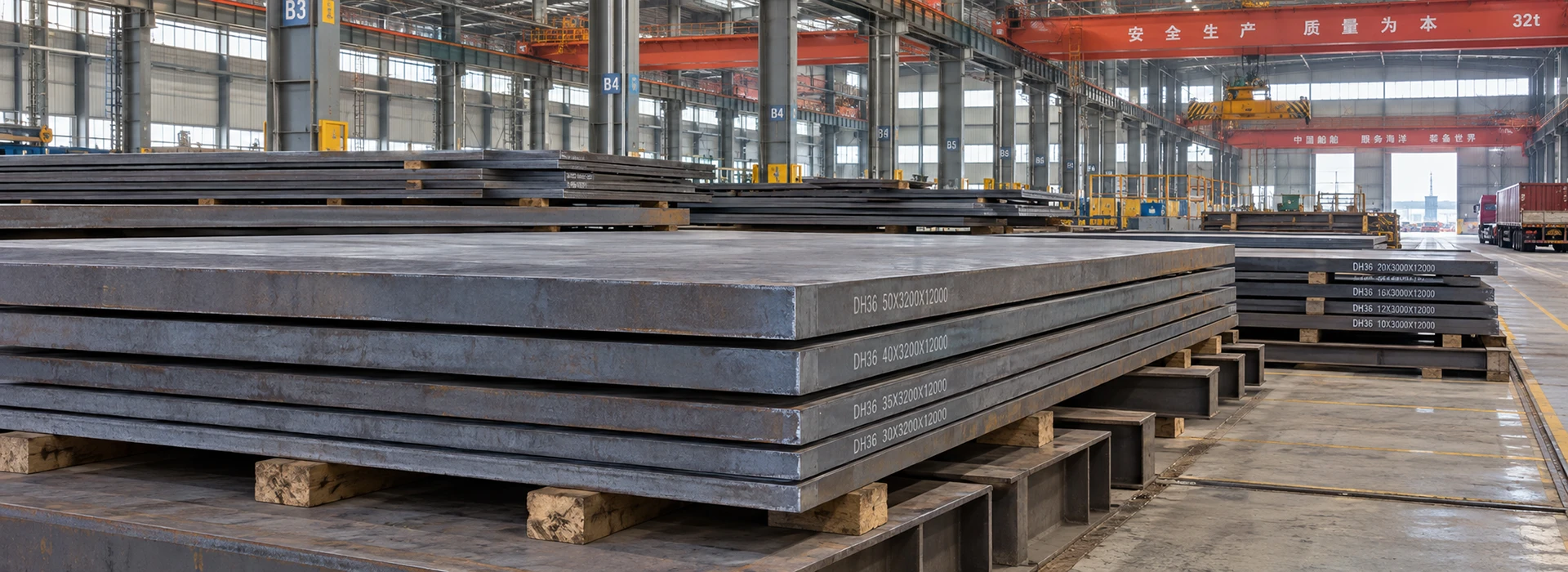
Match your DH36 / D36 plate order to the 355 MPa strength class, −20°C impact requirement, mill approval and agreed class documentation.
| Steel grade | DH36 (D36 / HD36 where used by the nominated society) |
| Grade family | Higher-strength hull structural steel, 36 strength class |
| Technical basis | IACS UR W11 Rev.9 and applicable rules of the nominated classification society |
| Minimum yield strength | 355 MPa |
| Tensile strength | 490–630 MPa |
| Elongation | 21% minimum on standard proportional gauge; applicable specimen provisions govern |
| Impact temperature | −20°C for Grade DH36 (D36) |
| Reference plate thickness | IACS UR W11 primarily covers hull structural plates up to 100 mm; actual approved mill range is checked for the order |
| Plate size | Thickness × width × length, with available supply confirmed against the order |
| Delivery condition | Class-approved normalized, controlled/normalizing rolled, TMCP or permitted thin-plate route |
| Material documents | Heat traceability, mechanical test results, −20°C Charpy records and nominated class material certification |
| Quoted supply | DH36, class society, size list, tonnes or pieces, inspection scope and destination port |
Material acceptance follows the nominated class rules, mill approval range, plate condition, heat identification and applicable test specimen requirements.
Review the −20°C DH36 impact requirements for each ordered plate thickness and the test orientation specified by the class.
| Nominal thickness | Impact temperature | Longitudinal min. avg. | Transverse min. avg. |
|---|---|---|---|
| t ≤ 50 mm | −20°C | 34 J | 24 J |
| 50 < t ≤ 70 mm | −20°C | 41 J | 27 J |
| 70 < t ≤ 100 mm | −20°C | 50 J | 34 J |
Grade D36 has 355 MPa minimum yield, 490–630 MPa tensile strength and 21% proportional elongation.
Minimum longitudinal Charpy energy rises from 34 J to 50 J across the standard plate thickness bands.
Confirm the producing mill, actual class approval, delivery state and material certificate for every purchase.
Ask for the actual DH36 heat analysis, class-approved steelmaking route and specified weldability documentation.
| Element | IACS Reference Requirement |
|---|---|
| Carbon (C) | ≤ 0.18% |
| Manganese (Mn) | 0.90–1.60%* |
| Silicon (Si) | ≤ 0.50% |
| Phosphorus (P) | ≤ 0.035% |
| Sulfur (S) | ≤ 0.035% |
| Acid-soluble aluminium (Al) | ≥ 0.015% where the Al route applies |
| Copper (Cu) | ≤ 0.35% |
| Chromium (Cr) | ≤ 0.20% |
| Nickel (Ni) | ≤ 0.40% |
| Molybdenum (Mo) | ≤ 0.08% |
The selected steelmaking practice may use aluminium, niobium, vanadium, titanium or an approved combination of grain-refining elements.
Heat analysis is tied to the actual producing mill and certificate. IACS Table 2 defines grain-refining requirements, element limits and footnoted exceptions; confirm any approved chemistry variation with the classification society.
Use DH36 hull structural plate in ship blocks and welded assemblies identified by approved drawings and class rules. Material selection is project-specific.
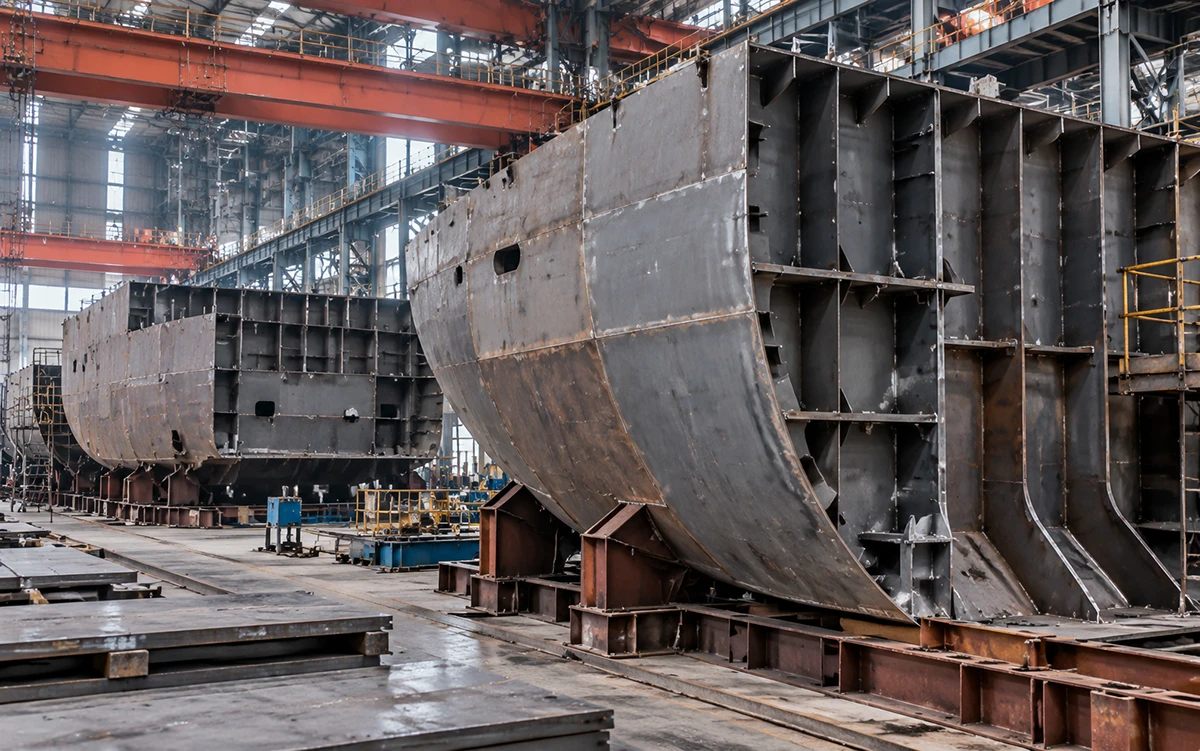
Fabricated DH36 plate segments used in hull shells, bulkheads and welded ship blocks.
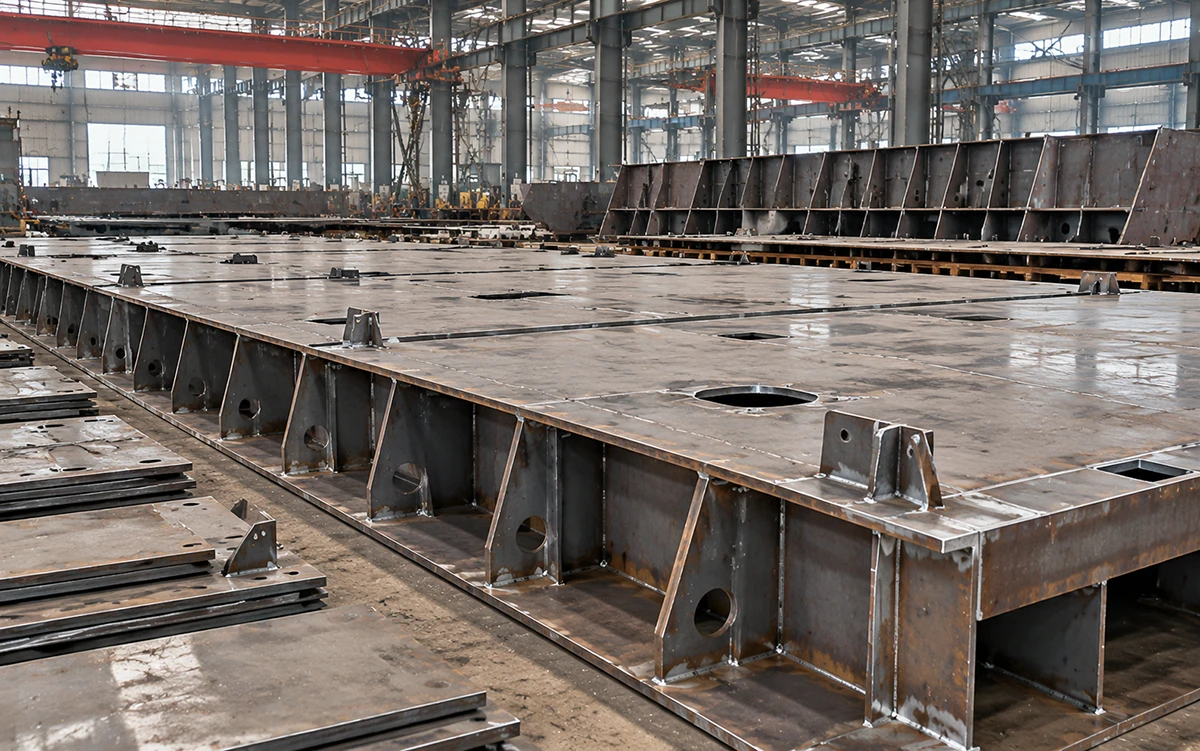
Plates for deck structures, longitudinal stiffeners and selected hull reinforcements when DH36 is specified.
Specified DH36 shell plate for the nominated hull region and class impact requirement.
Deck supports, local gussets and welded connection assemblies.
Internal structural plate parts prepared to shipyard drawings.
Welded longitudinal and transverse hull structural members.
Replacement plates matched to ship class and repair documentation.
Batch-identified steel plate for planned newbuild and repair deliveries.
Send the DH36 dimensions, −20°C impact-test scope, classification society and delivery port.
Plating for class-specified hull zones and shell blocks.
Stiffened panels and welded structure components.
Brackets, girders, web frames and welded supports.
Replacement plates matched to approved vessel drawings.
Confirm the supplying mill approval covers DH36, the requested thickness range, the approved rolling condition and the purchaser’s classification society.
Check approval of the producing mill for DH36/D36, plate thickness and rolling condition.
Confirm 355 MPa minimum yield, tensile properties and −20°C Charpy values for the ordered plate.
Identify heat/plate marks, classification survey and the certificate package required for delivery.
Confirm the plate’s surface finish, straightness, edge condition and dimensions to the shipyard acceptance schedule.
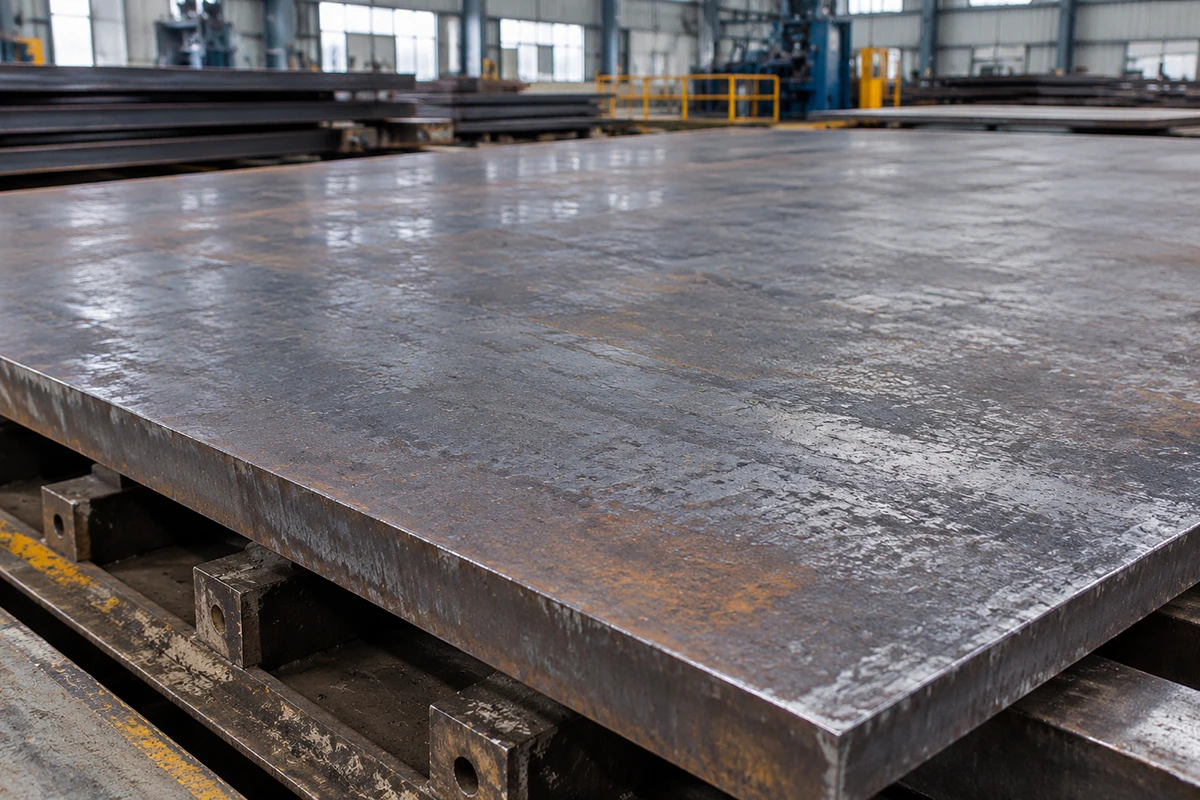
Surface quality, mill scale, plate identification and any protective treatment are specified in your order.
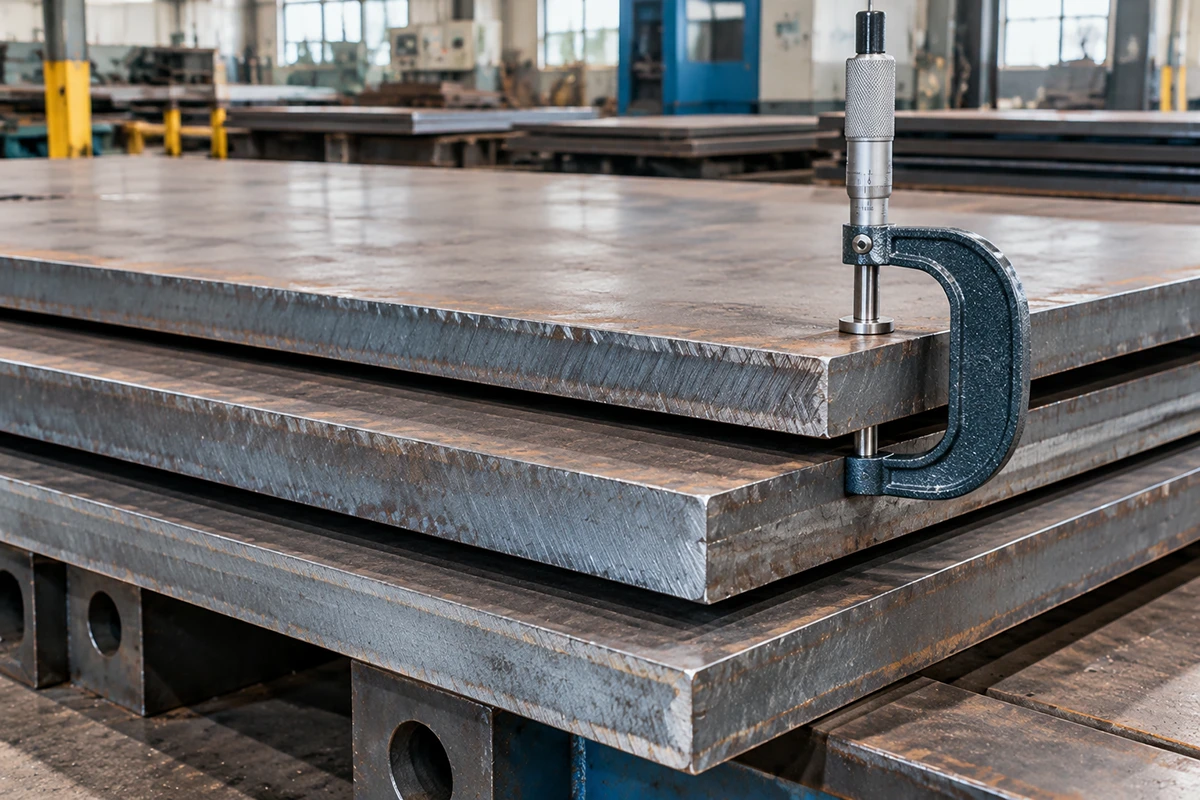
Nominal thickness, cut dimensions and inspection tolerances guide the acceptance plan.
Select the approved rolling state using plate thickness, grain-refining route and the actual mill approval certificate.
For Nb/V grain refinement, any condition may apply through 12.5 mm; the applicable class rules govern acceptance.
For thicker plates, normalized or controlled-rolled delivery is used within the approved mill and grain-refining route.
TMCP is an approved route for applicable thicknesses, with CE and toughness verification tied to the specified class.
Additional through-thickness, welding or inspection conditions are included according to approved project requirements.
| Grain-refining route | Thickness | IACS W11 delivery reference |
|---|---|---|
| Nb and/or V | ≤12.5 mm | Any approved condition |
| Nb and/or V | >12.5–100 mm | Normalized, controlled rolled or TMCP |
| Al alone or with Ti | ≤20 mm | Any approved condition |
| Al alone or with Ti | >20–25 mm | As-rolled only subject to special class approval; otherwise approved route |
| Al alone or with Ti | >25–100 mm | Normalized, controlled rolled or TMCP |
Coordinate your 355 MPa strength class, −20°C toughness, documents and shipment details with a supplier operating at manufacturing scale.
Our company-wide annual steel output spans multiple grades and supports repeat procurement programmes.
Your exact DH36 dimensions and tonnage are reviewed for actual stock or production supply.
Check the approved producing mill, −20°C Charpy tests and required class material documents for each order.
Coordinate plate markings, packing, shipping batches and destination port in one RFQ.
BAOSTEEL METAL has company-wide steel production and inventory operations. Specific DH36 plate supply and class compliance are confirmed against the producing mill and the purchase order.
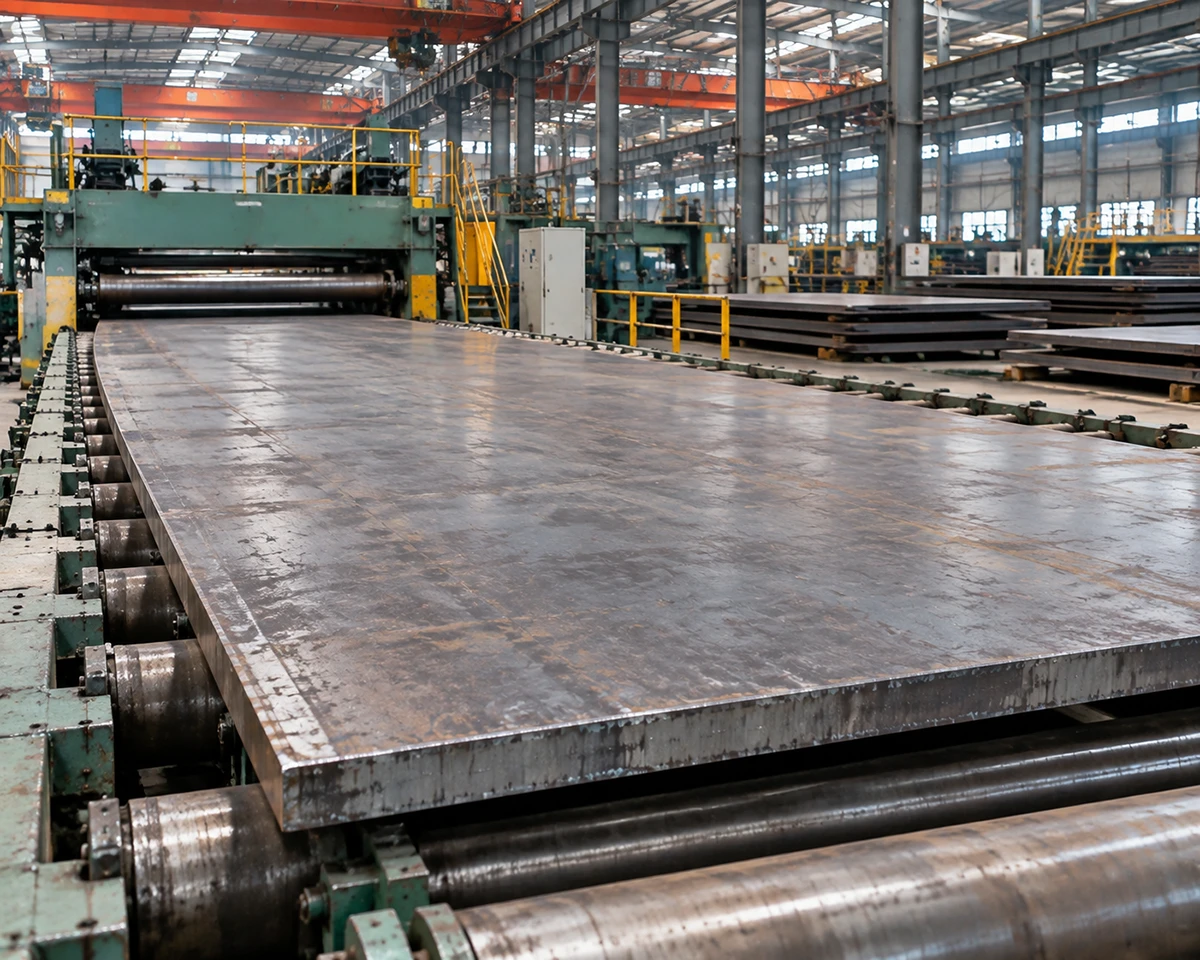
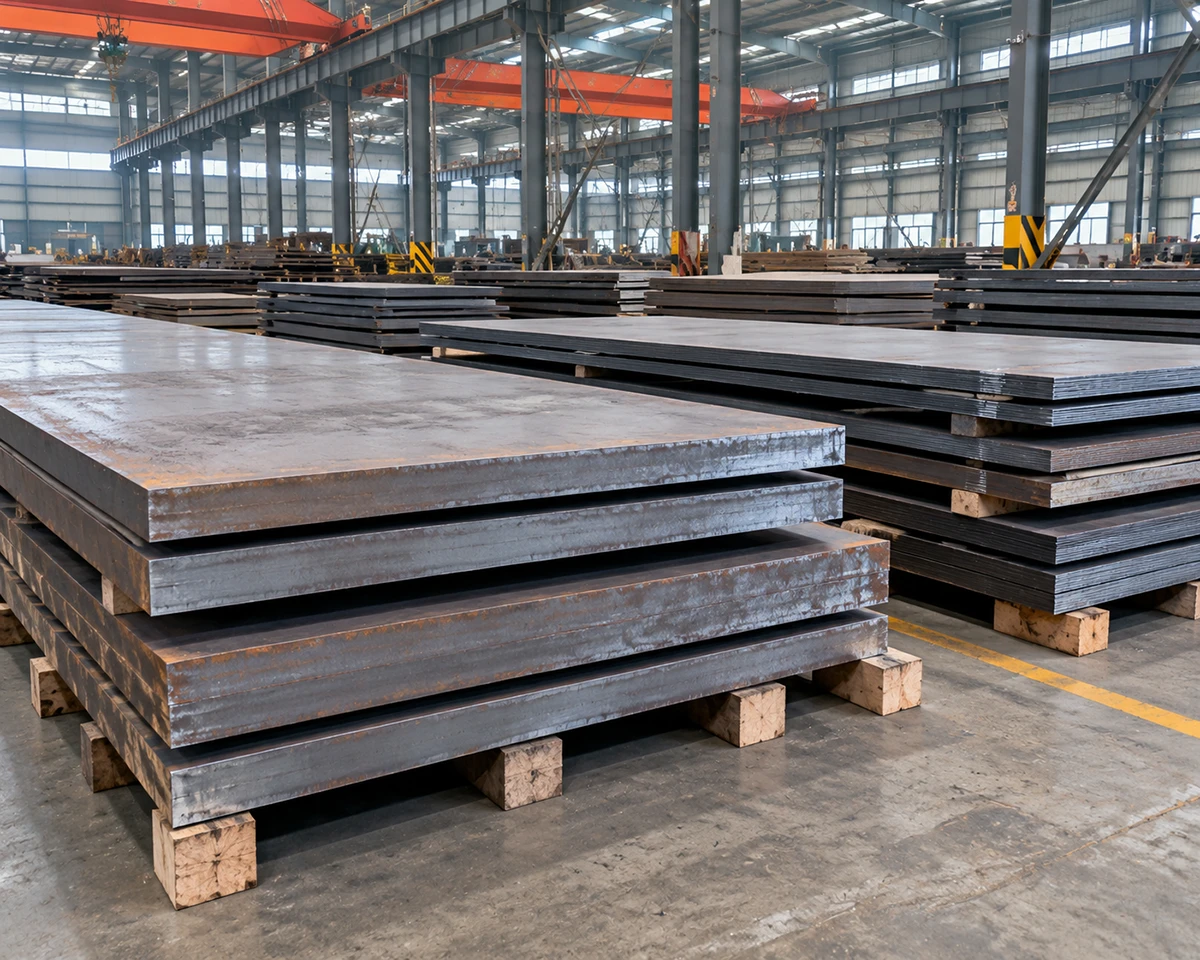
Our regular company-wide steel inventory covers multiple grades and product forms. Send your DH36 thickness list, required classification society and target delivery window for a specific stock or production review.
Specify material identification, DH36 grade, plate thickness and nominated class when requesting a test and survey document package.
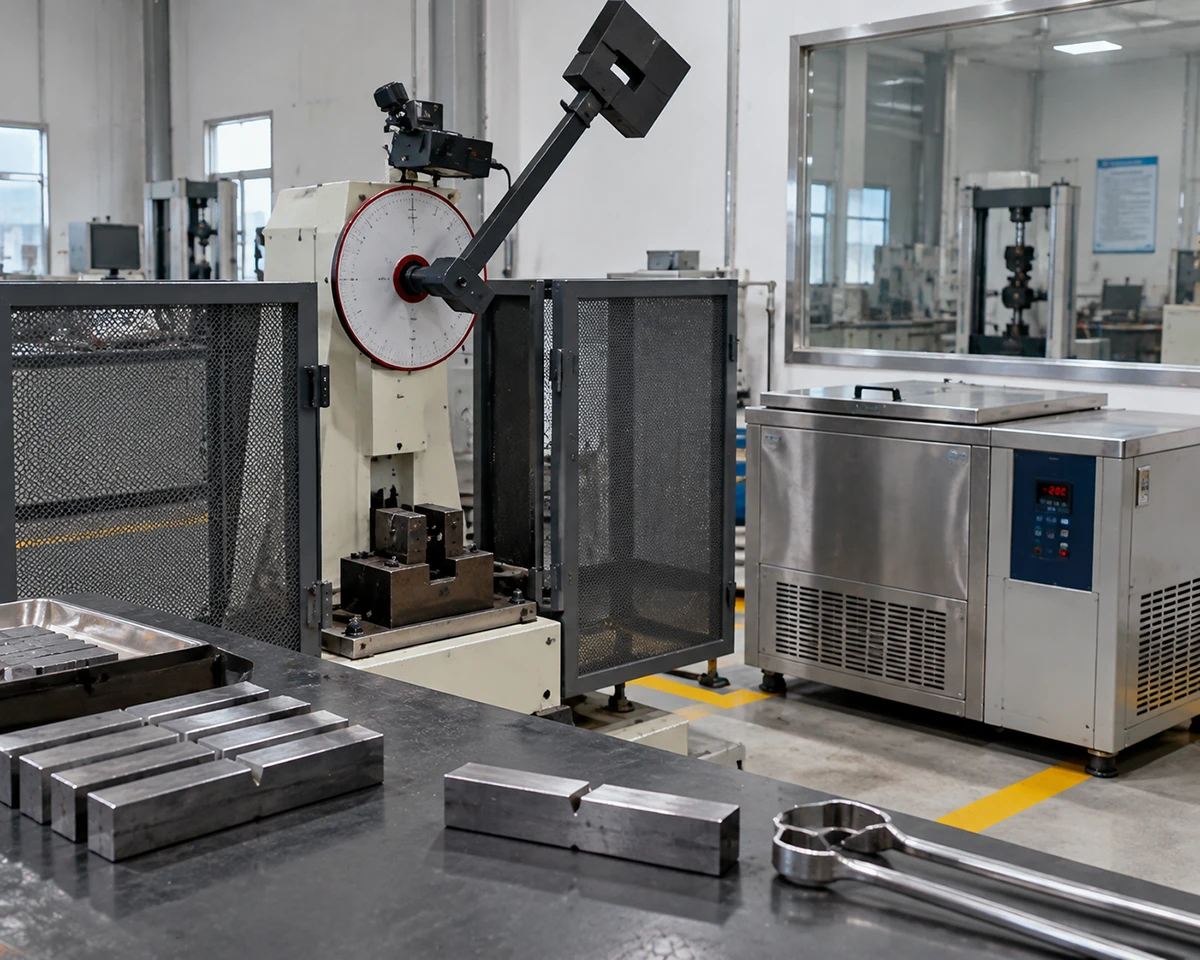
Estimate the plate tonnage from nominal dimensions before submitting your shipyard purchasing schedule.
Nominal plate density: 7,850 kg/m³. Commercial tonnage follows the agreed measurement and contract.
A complete enquiry identifies the material grade, class route, impact-test requirements and shipment destination.
Share your shipyard plate schedule and approved project documents for review.
Attach your approved shipyard drawings, cut dimensions and tolerances with the plate schedule. Suitable cutting and drilling options are confirmed by quotation.
Cutting suitability assessed against thickness and the requested plate profile.
Thermal cutting routes reviewed for the part size, plate condition and edge requirements.
Finished drilling details and prepared edges quoted with your shipyard drawings.
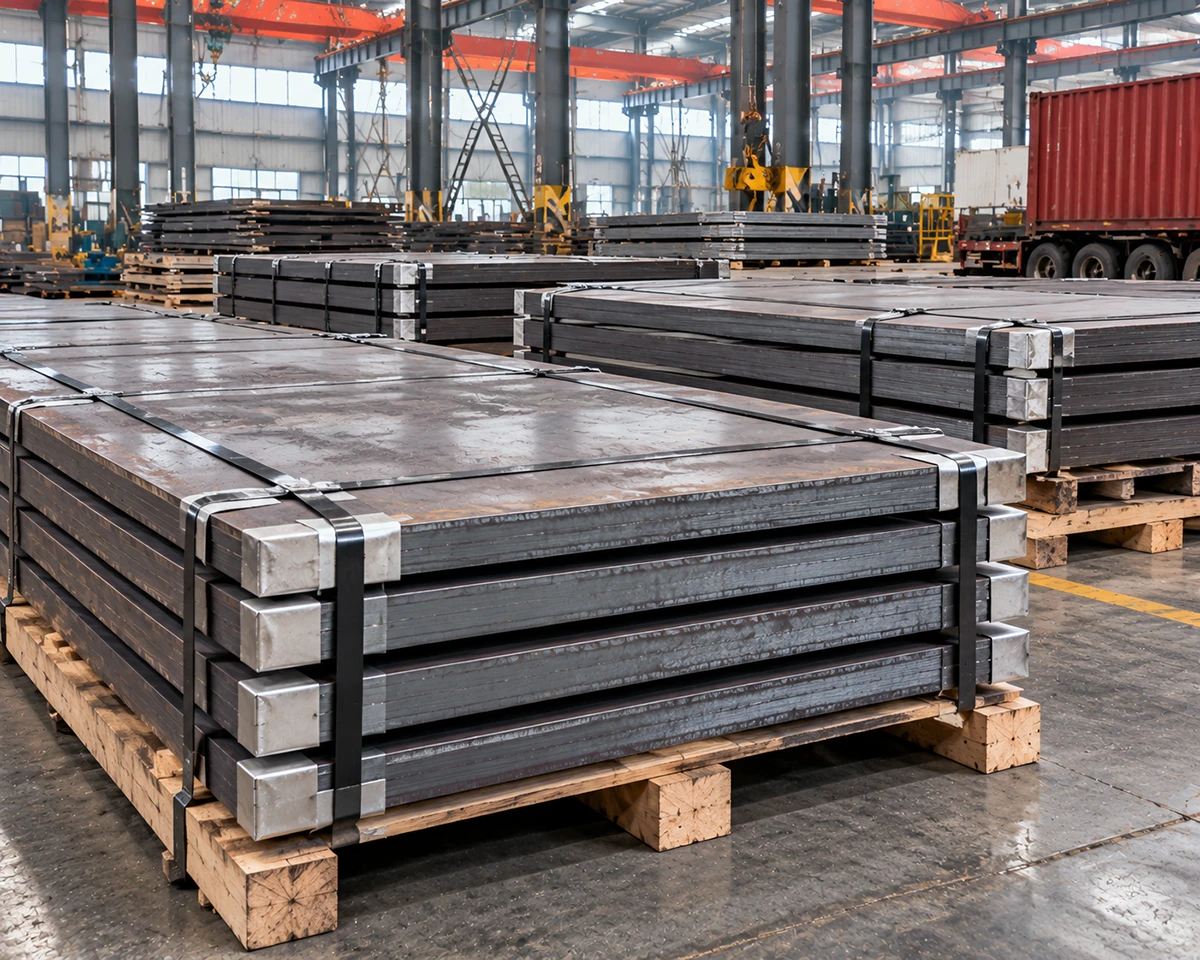
Provide the ordered DH36 plate sizes, class document requirements, loading restrictions and destination port. Your quotation will confirm packaging and shipment arrangements.
Review grade strength and the specified Charpy test temperature before opening the related hull plate page.
All listed grades have separate acceptance requirements. The nominated classification society and approved hull drawing determine the required strength class, Charpy temperature and supplier certification.
355 MPa minimum yield and 0°C reference Charpy testing.
View grade →355 MPa minimum yield and −20°C reference Charpy testing.
355 MPa minimum yield and −40°C reference Charpy testing.
View grade →IACS UR W11 Rev.9 gives D36 / DH36 a minimum yield strength of 355 MPa, a tensile strength range of 490–630 MPa and 21% proportional elongation under applicable testing provisions.
DH36 uses −20°C testing. For full-size specimens, minimum average longitudinal energies are 34 J up to 50 mm, 41 J above 50 to 70 mm and 50 J above 70 to 100 mm; the corresponding transverse values are 24, 27 and 34 J.
List the class society, vessel project, approved steel mill, grade, plate thickness, delivery condition and required survey records with your purchase enquiry.
Submit your thickness, width, length, tonnes or pieces, drawing or plate schedule, class rules, −20°C testing and destination port.
Send the cutting drawings and applicable dimensions with your RFQ. The suitable cutting process, tolerances and commercial terms will be confirmed for the plate order.
Send your required grade, dimensions, quantity and destination. Our team will review the inquiry.