
Grade A
Ordinary-strength steel for hull plating and structural components. Impact verification follows the plate thickness and class acceptance route.
Reference route +20°C where tested
Ordinary-strength hull structural steel · IACS UR W11 · Grade-specific class requirements
Send your ship plate grade, dimensions, class society, inspection scope and destination port. Receive a quotation built around your hull steel procurement requirements.
Include the classification society and required approval route in your RFQ for a document-matched offer.
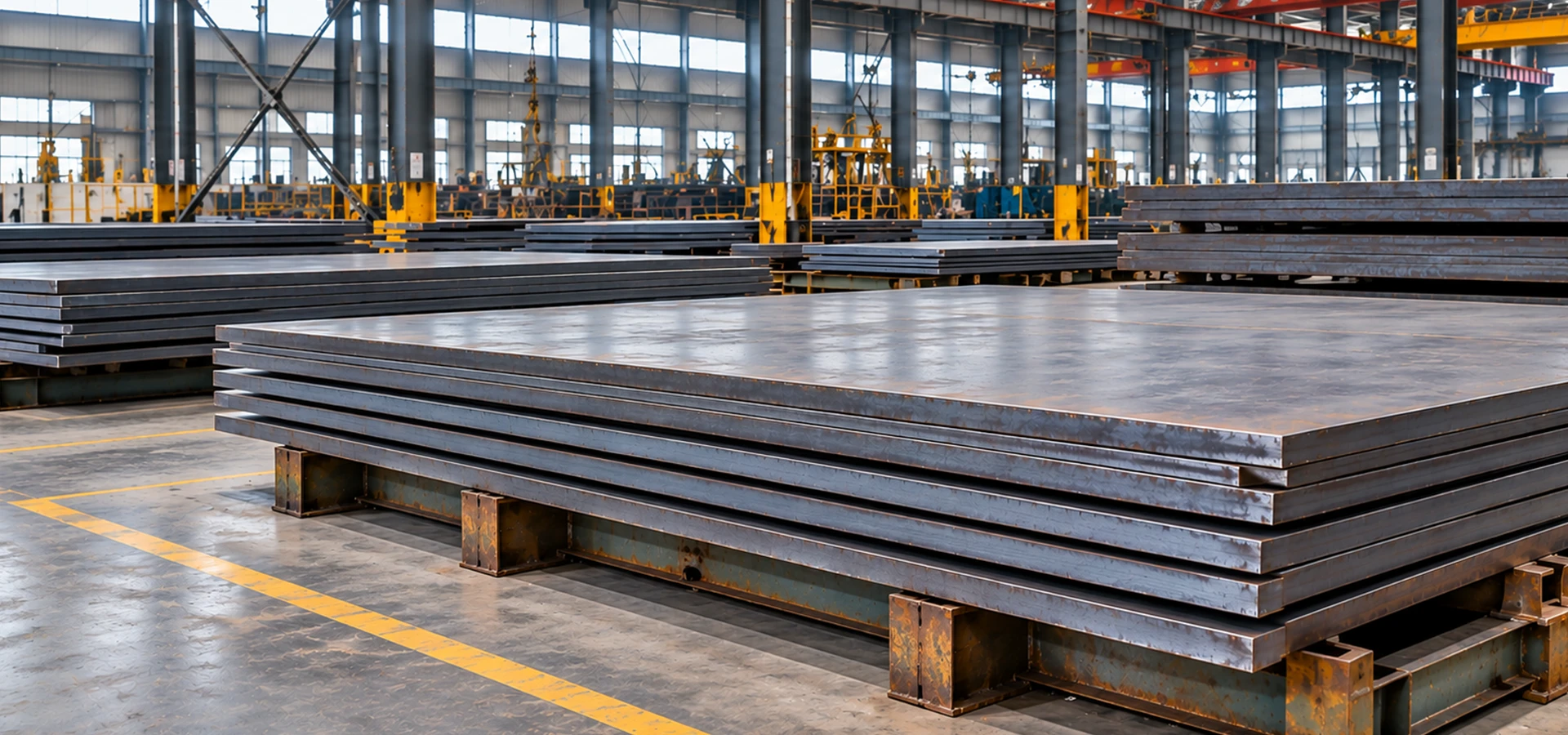
All four grades share an ordinary-strength structural class. The class rules and ordered thickness determine toughness verification and delivery condition.
Ordinary-strength steel for hull plating and structural components. Impact verification follows the plate thickness and class acceptance route.
Ship structural plate with a Grade B impact-test reference temperature at 0°C.
Ship plate with a Grade D impact-test reference temperature at −20°C.
Fine-grain ship plate specified for a Grade E impact-test reference at −40°C.
Check the base material properties and send the additional class information needed for shipyard purchasing.
| Product | Normal-strength hull structural steel plate |
| Class grades | A, B, D, E |
| Technical reference | IACS UR W11 and the approved classification society rules |
| Minimum yield strength | 235 MPa |
| Tensile strength | 400–520 MPa |
| Elongation A5 | 22% minimum (specified standard proportional test specimen) |
| Reference plate scope | Up to 100 mm in common normal-strength hull steel rules; approved conditions govern each plate size |
| Supply condition | As-rolled, normalized, normalizing rolled or TMCP, according to grade, thickness and mill approval |
| Surface / plate edges | Hot-rolled mill finish; ordered dimensional and edge requirements |
| Quotation basis | Grade, class society, thickness × width × length, MT, certificate scope and destination |
Values are reference requirements for normal-strength hull steels. The order specification and relevant class rules control the final testing and approval route.
Specify the class society, plate thickness and test direction before agreeing the Charpy inspection scope.
| Grade | Reference Test Temp. | Impact Testing Route | Plate Thickness Consideration |
|---|---|---|---|
| Grade A | +20°C where applicable | Routine Charpy-test exemptions apply under the relevant class rules. | Grade A up to 50 mm commonly follows an impact-test exemption; thicker plate has additional conditions. |
| Grade B | 0°C | Charpy verification according to class and thickness. | Routine test exemption may apply up to 25 mm; thicker plate follows prescribed sampling. |
| Grade D | −20°C | Grade-specific Charpy requirement. | Sampling and delivery condition are established by the class rules. |
| Grade E | −40°C | Grade-specific Charpy requirement. | Fine-grain practice and enhanced inspection provisions apply. |
Reference minimum average impact energy for longitudinal / transverse full-size specimens, when testing applies.
Reference higher energy requirement for longitudinal / transverse specimens.
Reference impact energies for thicker plate; verify specimen size and class acceptance.
Review representative ladle-analysis limits for normal-strength hull steel. The selected society and plate thickness determine the final acceptance details.
| Reference item | Grade A | Grade B | Grade D | Grade E |
|---|---|---|---|---|
| Carbon (C), max. | 0.21% | 0.21% | 0.21% | 0.18% |
| Manganese (Mn), min. | 2.5 × C% | 0.80%* | 0.60% | 0.70% |
| Silicon (Si) | ≤0.50% | ≤0.35% | 0.10–0.35% | 0.10–0.35% |
| Phosphorus (P), max. | 0.035% | 0.035% | 0.035% | 0.035% |
| Sulfur (S), max. | 0.035% | 0.035% | 0.035% | 0.035% |
| Steelmaking / grain practice | Depends on thickness | Depends on thickness | Killed; fine-grain requirements at applicable thicknesses | Killed and fine-grain treated |
*For Grade B supplied with impact testing, alternative manganese minima may apply under the relevant class rules. Aluminum, deoxidation practices, product analysis and special approvals are assessed under the grade- and thickness-specific requirements.
Use the class-approved grade selected by your ship design and material specification.
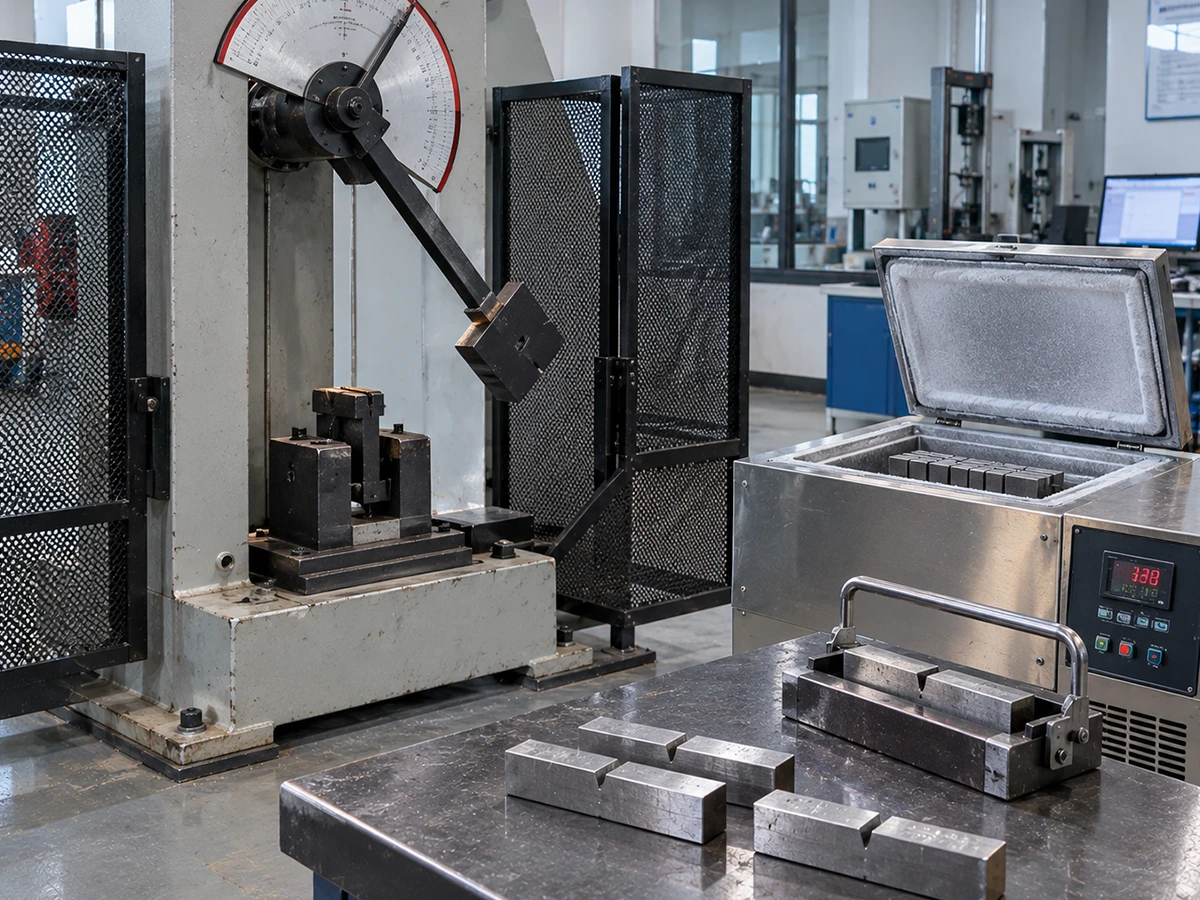
Hull shell sections and shaped plate components for vessel fabrication.
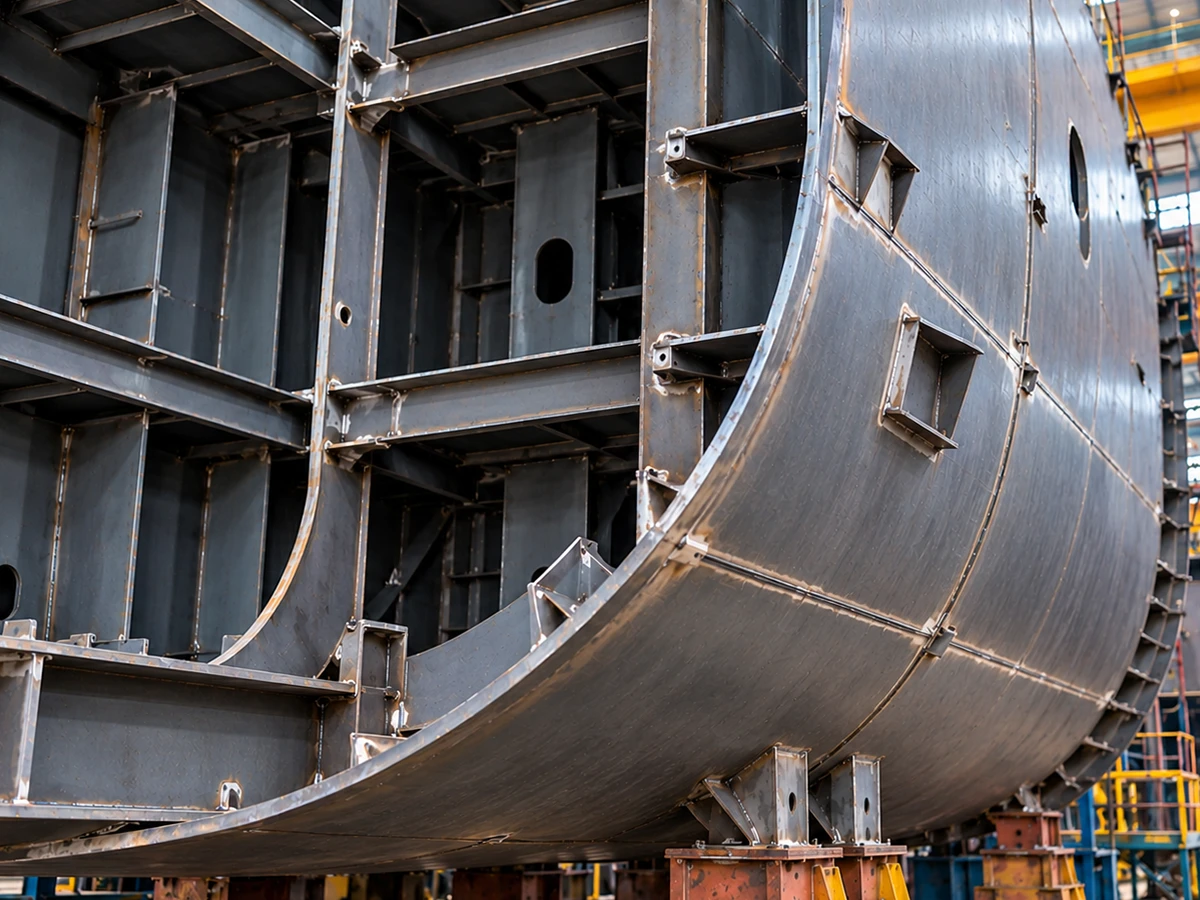
Deck plating, bulkhead connections and plate components in assembled hull blocks.
Rolled plate components for hull shell blocks according to vessel design.
Structural panels and deck assemblies with grade-specific toughness requirements.
Plate connections, brackets and framing members in welded hull structures.
Plates prepared for steel block assembly at approved shipbuilding facilities.
Replacement plates selected and accepted under the repair specification.
Marine steelwork using material grades specified by the designer and class.
Send your A/B/D/E grade breakdown, plate sizes and vessel class route.
Coordinate structural steel plate purchasing, documentation requests and shipment details with one sourcing team.
Actual annual production across the company’s full steel portfolio supports long-term procurement planning.
Company-wide steel stock supports supply planning; each hull grade and size receives a separate availability check.
Quote based on grade, mill approval scope, test requirements and class society documentation.
Align your plate list, packing arrangements, Incoterms and destination port before order confirmation.
For a classed shipbuilding project, material approval follows the specified society, producing mill, grade and plate thickness.
Specify the class route such as CCS, ABS, DNV, LR or BV along with the project requirements.
Confirm the producing steelworks, required grade, manufacturing route and approved plate-thickness range.
Define heat traceability, mechanical and impact tests, survey/witness requirements and the class material certificate.
The ordered condition controls the rolling route and relevant mechanical testing. The approved class specification governs each plate.
| Grade | Reference thickness | Common approved delivery routes |
|---|---|---|
| A / B | t ≤ 50 mm | As-rolled, normalized, normalizing rolled or TMCP, according to mill approval |
| A / B | 50 < t ≤ 100 mm | Normalized, normalizing rolled or TMCP |
| D | t ≤ 35 mm | As-rolled, normalized, normalizing rolled or TMCP as approved |
| D | 35 < t ≤ 100 mm | Normalized, normalizing rolled or TMCP |
| E | t ≤ 100 mm | Normalized or TMCP |
Reference routes follow the common IACS/class-rule structure; approved exceptions and additional testing are controlled by the responsible classification society. N = normalized; NR = normalizing rolled; TMCP = thermomechanically controlled processing.
Include surface, thickness and edge requirements with the plate schedule for an accurate quotation.
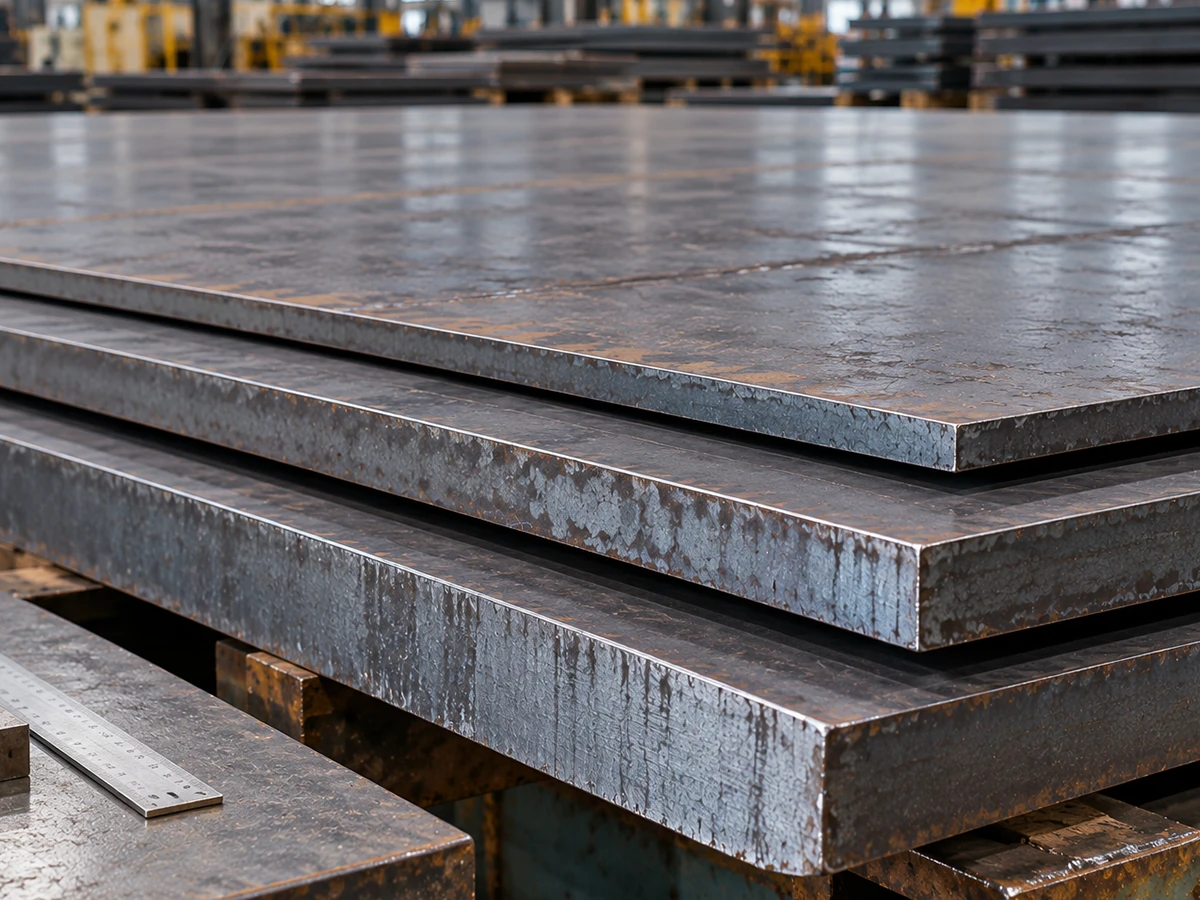
Review surface acceptance and agreed plate identification requirements.

Specify thickness, width, length, tolerances and edge preparation by drawing.
Our company produces 8 million metric tons of steel annually across its product portfolio, with a 500,000 m² factory area and more than 1,000 employees. Your shipbuilding grade and classification route determine the specific approved supply arrangement.


Send your A/B/D/E plate list for a grade-by-grade supply review. Company-wide steel inventory reaches 1 million metric tons across our product categories. We will confirm specific hull plate availability, producing mill and delivery conditions per order.
Specify the grade, heat number, classification society, tensile test and Charpy verification requirements in your material enquiry. The quotation can reflect the relevant approved inspection plan and documents.

Estimate nominal plate mass for your grade list and shipping plan before requesting a quote.
Nominal density: 7,850 kg/m³. Final shipment and invoicing weights follow the agreed contract and measurement rules.
Include the information needed for a material and class-route review.
Send drawings and material lists for bulk shipbuilding projects and classed ship repairs.
Include cut sizes, drilling details and tolerance requirements along with your plate schedule.
Profile cutting assessed against thickness and plate size.
Cutting options reviewed for heavier plate sections and hull parts.
Drawing-based machining requirements confirmed with the order.
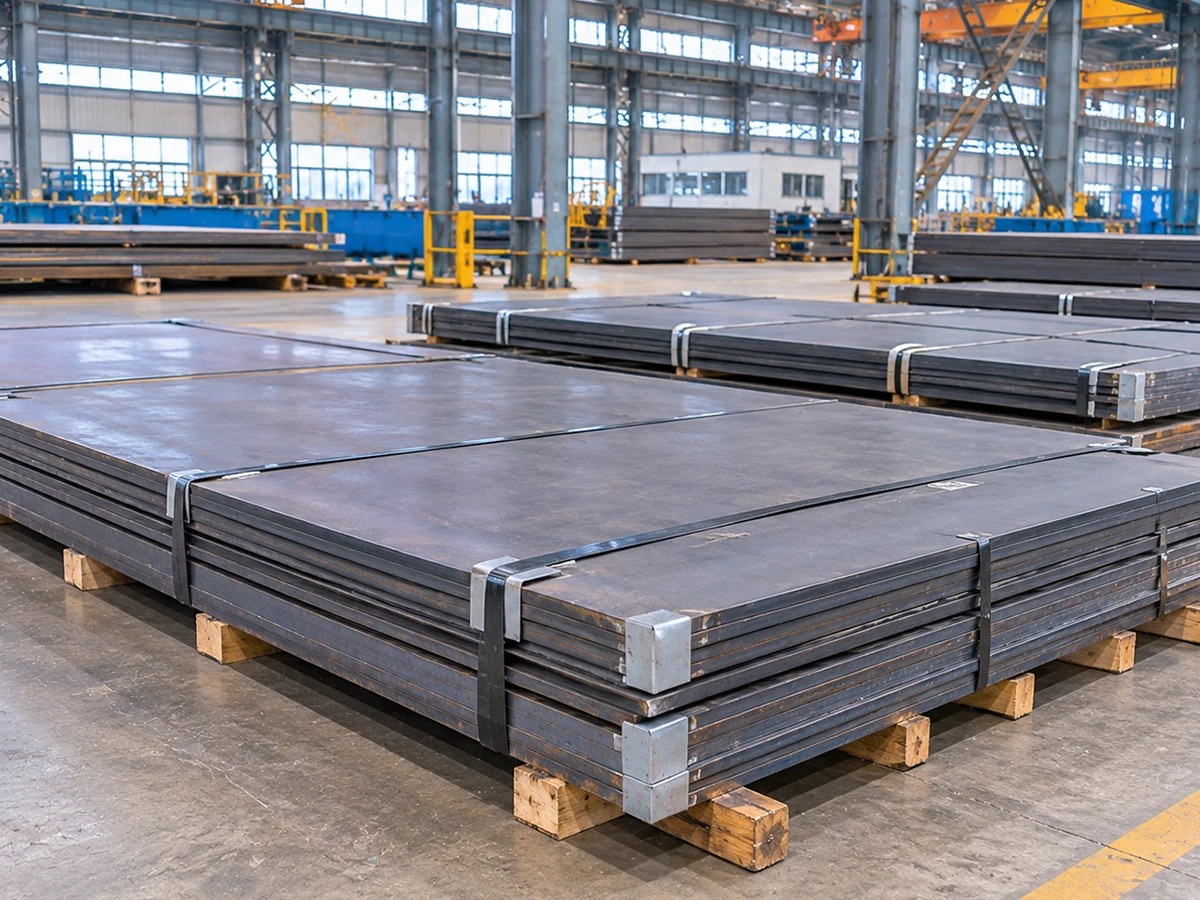
Specify your material identification, packing, handling and destination requirements. We will confirm the cargo arrangement and shipping terms for the actual approved supply.
Continue to individual high-strength hull plate pages for different yield levels and toughness routes.
Related grades have independent minimum strength, chemistry, impact conditions and approval requirements. Your vessel specification controls selection.
The reference minimum yield strength is 235 MPa, with a 400–520 MPa tensile range and a 22% proportional-gauge elongation requirement under common class rules.
The reference Charpy test temperatures are 0°C for B, −20°C for D and −40°C for E. Test frequency, energy and exemptions also depend on thickness and class.
Class rules provide routine test exemptions for many Grade A thicknesses. The exact inspection route is confirmed for your approved mill, plate thickness and delivery condition.
Specify your classification society and required material certification. The mill approval, approved product scope, test results and survey route are verified for the order.
Send grade, classification society, plate sizes, total tonnage, delivery condition, test requirements, destination port and any cutting drawings.
Send your required grade, dimensions, quantity and destination. Our team will review the inquiry.