
Minimum yield 355 MPa and 490–630 MPa tensile strength for 36-strength hull structural steel.
Global Steel Supply & Processing
IACS UR W11 Rev.9 · FH36 / F36 · 355 MPa yield · −60°C Charpy
Send your FH36 steel plate sizes, nominated classification society, quantity and destination port. Receive a factory supply quotation based on the approved producing mill, your class rules and the required tests.
*34 J minimum average longitudinal Charpy energy at −60°C for full-size specimens and plate thickness ≤50 mm; class requirements and sampling rules apply.
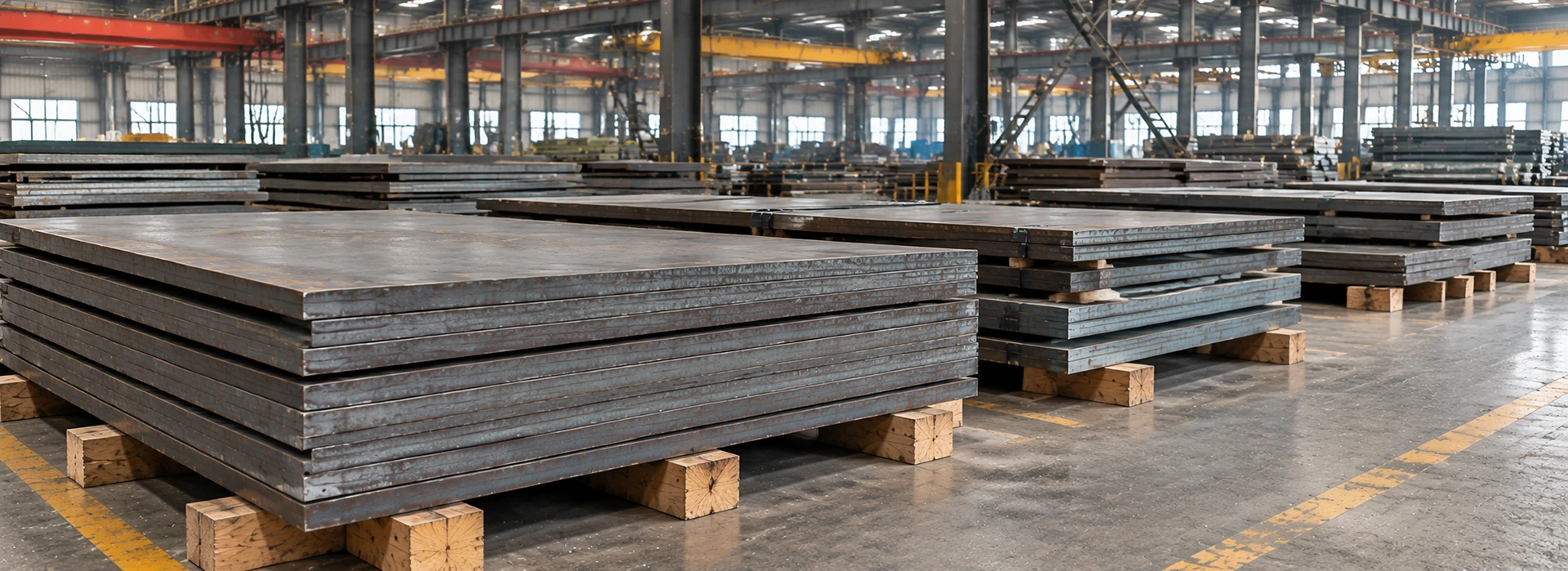
Select FH36 / F36 with the proper 355 MPa strength class, −60°C toughness, plate dimensions and approved producing works for your shipbuilding order.
| Steel grade | FH36 (F36 / HF36 in applicable hull steel designations) |
| Grade family | Higher-strength hull structural steel, 36 strength class, F-quality low-temperature toughness |
| Technical basis | IACS UR W11 Rev.9 and the nominated Classification Society rules |
| Minimum yield strength | 355 MPa |
| Tensile strength | 490–630 MPa |
| Elongation | 21% minimum on the proportional gauge 5.65√S₀; test specimen rules apply |
| Impact temperature | −60°C for FH36 / F36 |
| Reference plate thickness | IACS UR W11 plate requirements primarily cover up to 100 mm; producing mill and Classification Society approval determine actual supply scope |
| Plate size | Thickness × width × length on your material schedule, subject to producing mill approval and availability |
| Delivery condition | Normalized (N), thermo-mechanically rolled (TMCP) or quenched and tempered (QT), as approved for the supplied F36 plate |
| Material documents | Heat analysis, tensile tests, −60°C Charpy results, heat traceability and nominated class certificate requirements |
| Quoted supply | FH36 grade, approved mill, class society, dimensions, inspection scope, quantity and destination port |
The nominated classification society, approved producing works, ordered plate thickness, heat treatment or TMCP route, and inspection scope govern final material acceptance.
Use the correct plate thickness band and specimen direction when specifying FH36 / F36 impact tests for your hull plate order.
| Nominal thickness | Impact temperature | Longitudinal min. avg. | Transverse min. avg. |
|---|---|---|---|
| t ≤ 50 mm | −60°C | 34 J | 24 J |
| 50 < t ≤ 70 mm | −60°C | 41 J | 27 J |
| 70 < t ≤ 100 mm | −60°C | 50 J | 34 J |
Minimum yield 355 MPa and 490–630 MPa tensile strength for 36-strength hull structural steel.
Specify longitudinal or transverse Charpy testing and the thickness-dependent average energy requirements.
Confirm producing steelworks approval for FH36, delivery condition, plate thickness and required classification documents.
Specify F36 fine-grain practice, heat analysis and weldability limits according to the actual approved mill and Classification Society.
| Element | IACS Reference Requirement |
|---|---|
| Carbon (C) | ≤ 0.16% |
| Manganese (Mn) | 0.90–1.60%* |
| Silicon (Si) | ≤ 0.50% |
| Phosphorus (P) | ≤ 0.025% |
| Sulfur (S) | ≤ 0.025% |
| Acid-soluble aluminium (Al) | ≥ 0.015% under applicable fine-grain practice |
| Copper (Cu) | ≤ 0.35% |
| Chromium (Cr) | ≤ 0.20% |
| Nickel (Ni) | ≤ 0.80% |
| Molybdenum (Mo) | ≤ 0.08% |
| Nitrogen (N) | ≤ 0.009% (up to 0.012% if aluminium is present) |
The selected steelmaking practice may use aluminium, niobium, vanadium, titanium or an approved combination of grain-refining elements.
IACS Table 2 allows a manganese minimum of 0.70% for plates through 12.5 mm; the finer-grain practice, declared nitrogen and class-approved variations are checked against each producing mill’s heat analysis and material certificate.
Source FH36 for hull structures where your class-approved drawings require the 355 MPa yield class and F-quality Charpy testing at −60°C.
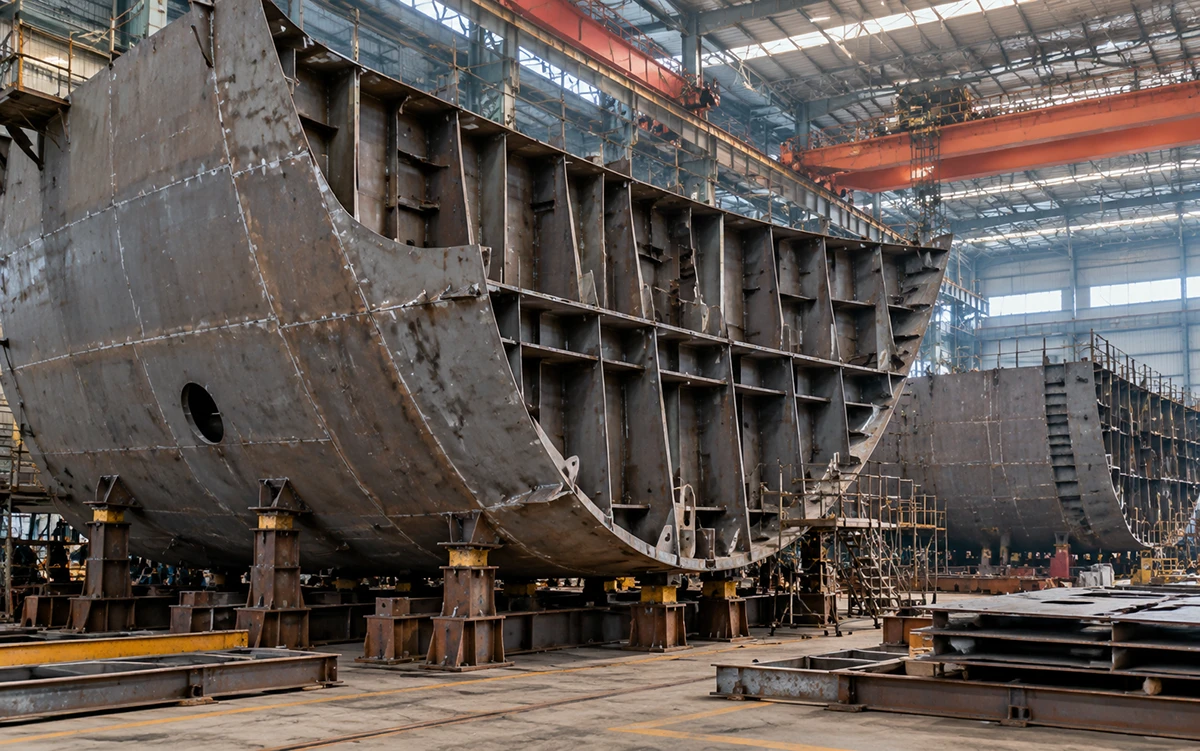
Specify FH36 plates for class-approved hull shell blocks, welded framing and critical structures where the drawing requires F-quality material.

Include FH36 in the material schedule for engineered decks, longitudinal members and stiffened assemblies requiring the stated low-temperature toughness.
Grade-traceable plate for hull shell areas where F-quality impact requirements are specified.
Material for deck plates, stiffened panels and hull longitudinal elements.
Welded bulkheads and frames following the approved shipyard material list.
Fabricated support members and webs for classed hull structures.
Replacement plate purchases matched to the vessel’s class repair procedure.
Batch-traceable plate shipments grouped by hull block and work schedule.
Send the plate dimensions, −60°C Charpy scope, mill/class requirements and planned port delivery.
Nominate your classification society and verify the producing works’ actual F36 approval scope, ordered thickness and −60°C inspection requirements.
Check the actual steelworks, approved F36 thickness range, delivery condition and valid society approval.
Specify required tensile, Charpy V-notch, chemical and supplemental inspections under class rules.
Link the plate identification, heat number, test records and material certificate to the shipyard order.
Review real plate surface, nominal thickness, edges and marking requirements before your marine plate purchase is finalized.
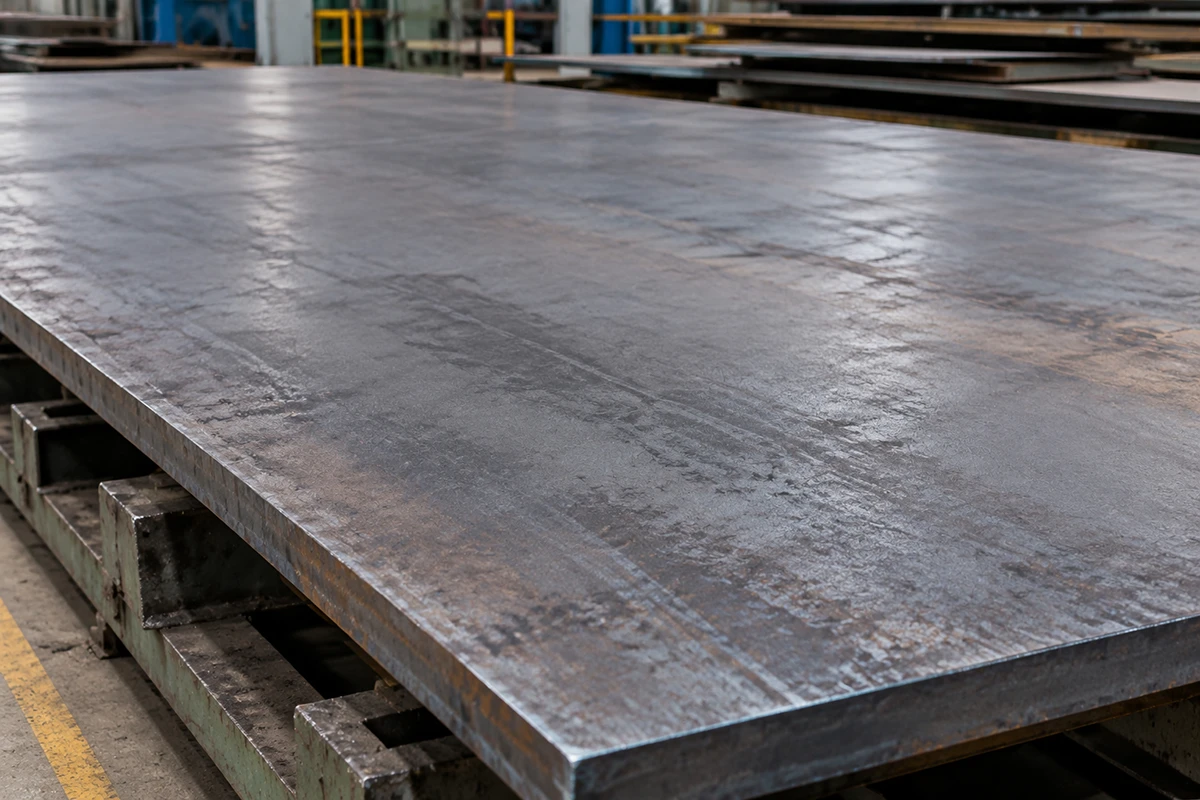
Surface quality, mill scale, plate identification and any protective treatment are specified in your order.

Nominal thickness, cut dimensions and inspection tolerances guide the acceptance plan.
Under IACS UR W11 Rev.9 Table 5, F36 plate has three recognized supply routes: Normalized (N), TMCP (TM) and Quenched & Tempered (QT). Confirm the producing mill’s specific route approval for your ordered thickness.
Normalizing is a recognized F36 plate heat-treatment route under the producing mill's approved supply conditions.
TMCP controls the rolling and cooling sequence to achieve required strength and low-temperature toughness.
QT is another listed F36 plate delivery route, subject to valid mill/class approval and documented testing.
Specify plate thickness, the nominated Classification Society, Charpy direction, certificates and fabrication requirements with your enquiry.
| Product / thickness | Grade | Reference conditions under IACS W11 |
|---|---|---|
| Hull plate ≤50 mm | FH36 / F36 | Normalized (N), TMCP (TM) or Quenched & Tempered (QT) |
| Hull plate >50–100 mm | FH36 / F36 | Normalized (N), TMCP (TM) or Quenched & Tempered (QT) |
| Approved sections (special provisions) | F32 / F36 | Controlled rolled only when expressly approved by the Classification Society |
The actual delivery condition, approved steelworks, grade and plate-thickness range are recorded in the class-accepted order documentation.
Coordinate class-specific F36 plate enquiries, approved mill documents, inspection requirements and export shipment details with our steel team.
The company reports 8 million metric tons of actual annual steel production across product lines, supporting supply coordination for your marine procurement.
Send your FH36 thickness and quantity list for an order-specific check of inventory or mill supply availability.
Verify producing mill approval, the N/TMCP/QT delivery route, −60°C Charpy records and class certification scope.
Arrange plate marking, material documents, packing requirements, shipment timing and destination port in one enquiry.
BAOSTEEL METAL reports 8 million metric tons of actual annual steel production across its product portfolio, a 500,000 m² factory area and over 1,000 employees. FH36 supply requires confirmation of the actual producing steelworks’ F36 approval and ordered plate thickness.
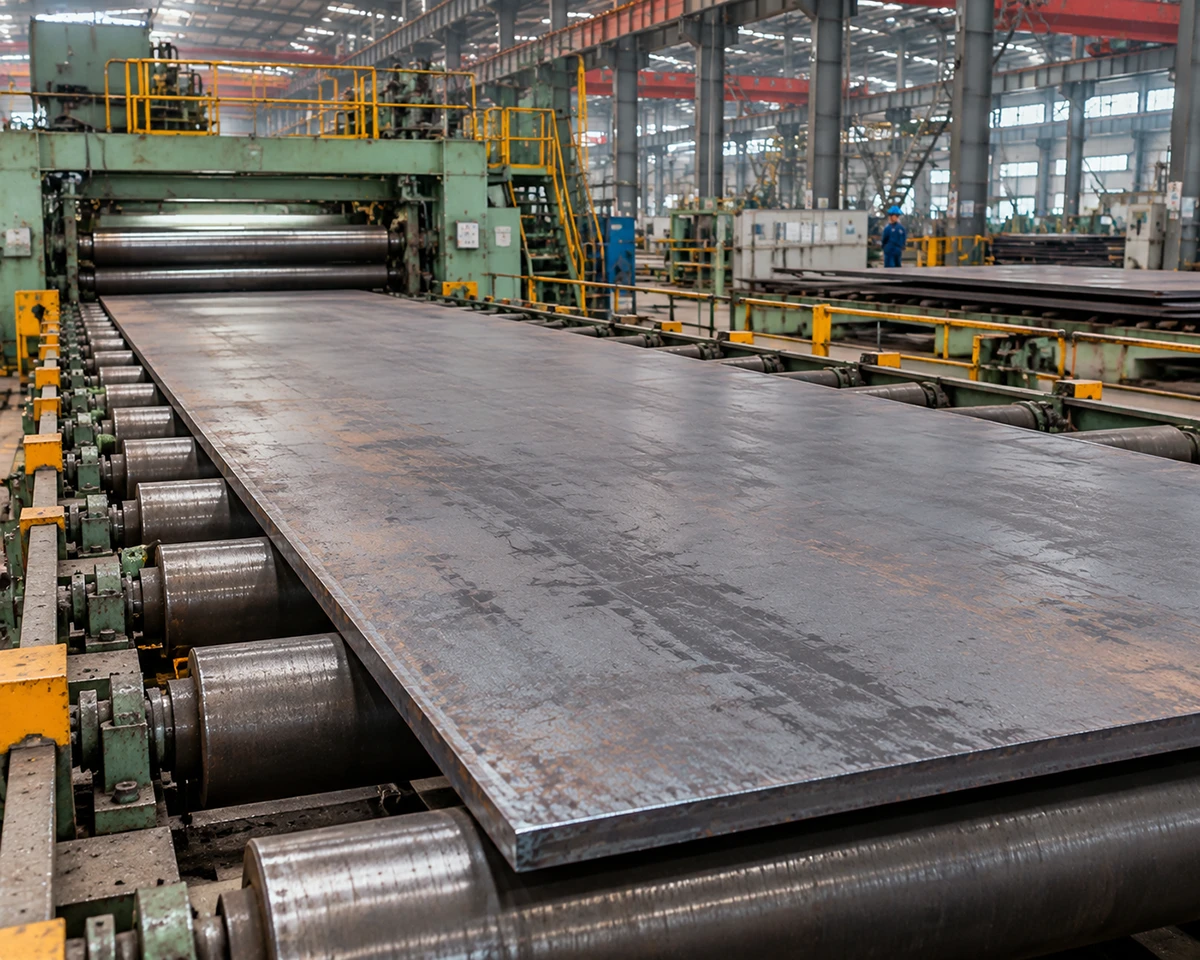
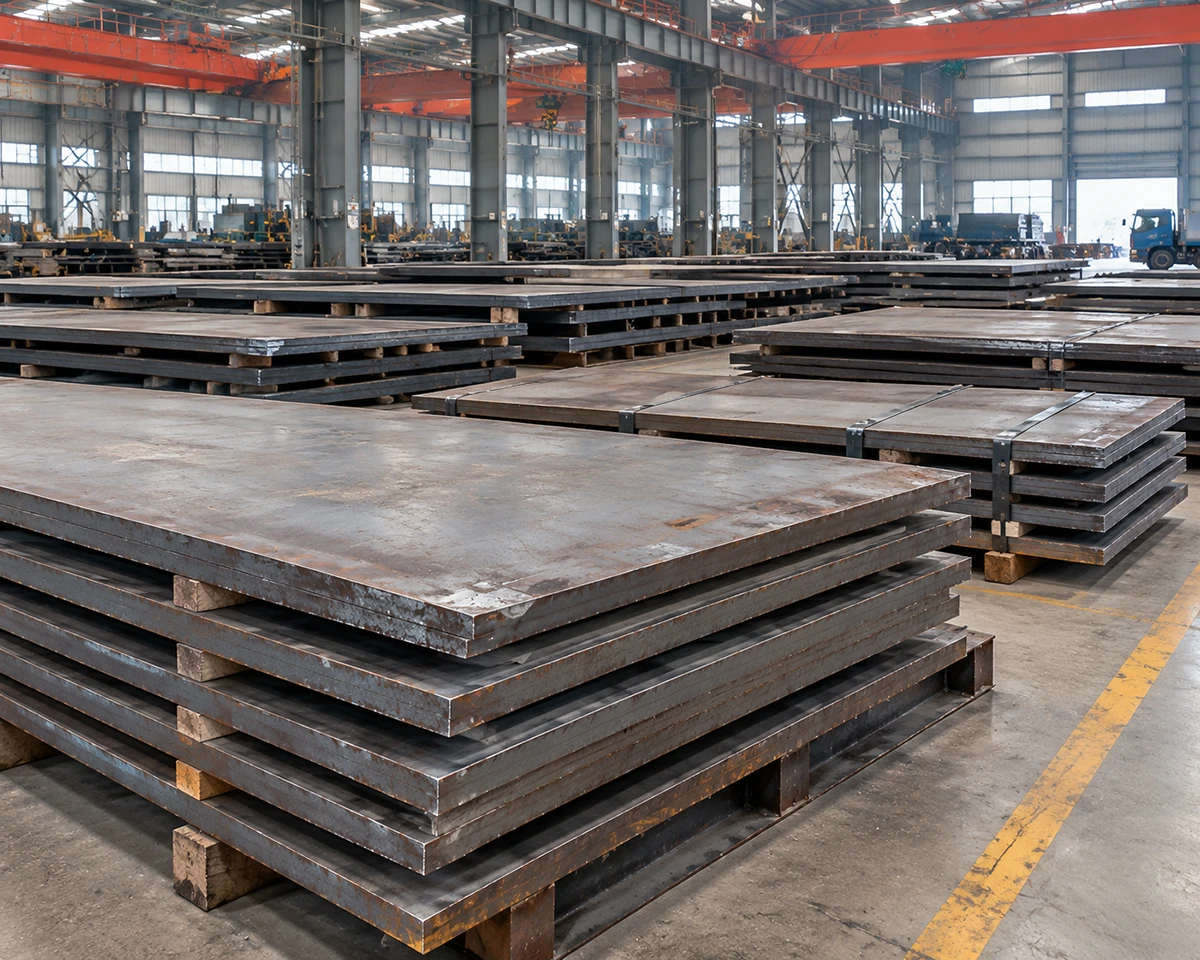
Our regular company-wide inventory covers multiple steel products. Submit your FH36 plate schedule and nominated class for a current availability and producing mill approval check.
Your order can specify chemical analysis, 355 MPa minimum yield strength, 490–630 MPa tensile strength and −60°C Charpy results under the nominated classification society’s material rules.
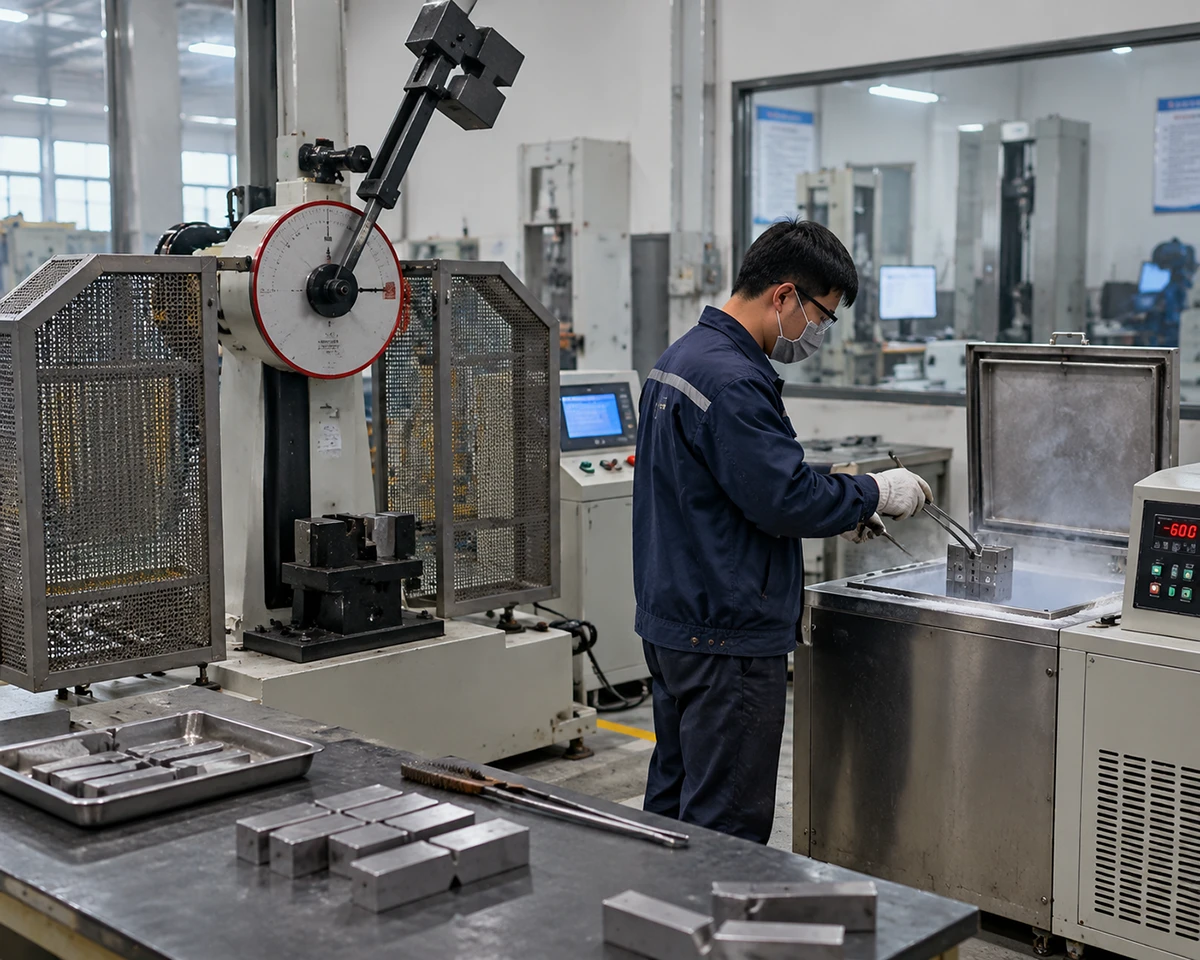
Calculate nominal FH36 hull plate tonnage from your shipyard sizes before sending your material enquiry.
Nominal plate density: 7,850 kg/m³. Commercial tonnage follows the agreed measurement and contract.
Include FH36 / F36, plate thickness, class society, −60°C test scope and the required quantity for each plate size.
Share your shipyard plate schedule and approved project documents for review.
Share your hull plate profiles, cut sizes, drilling requirements and edge preparation drawings. Available processing methods and tolerances are reviewed with the quotation.
Cutting suitability assessed against thickness and the requested plate profile.
Thermal cutting routes reviewed for the part size, plate condition and edge requirements.
Finished drilling details and prepared edges quoted with your shipyard drawings.
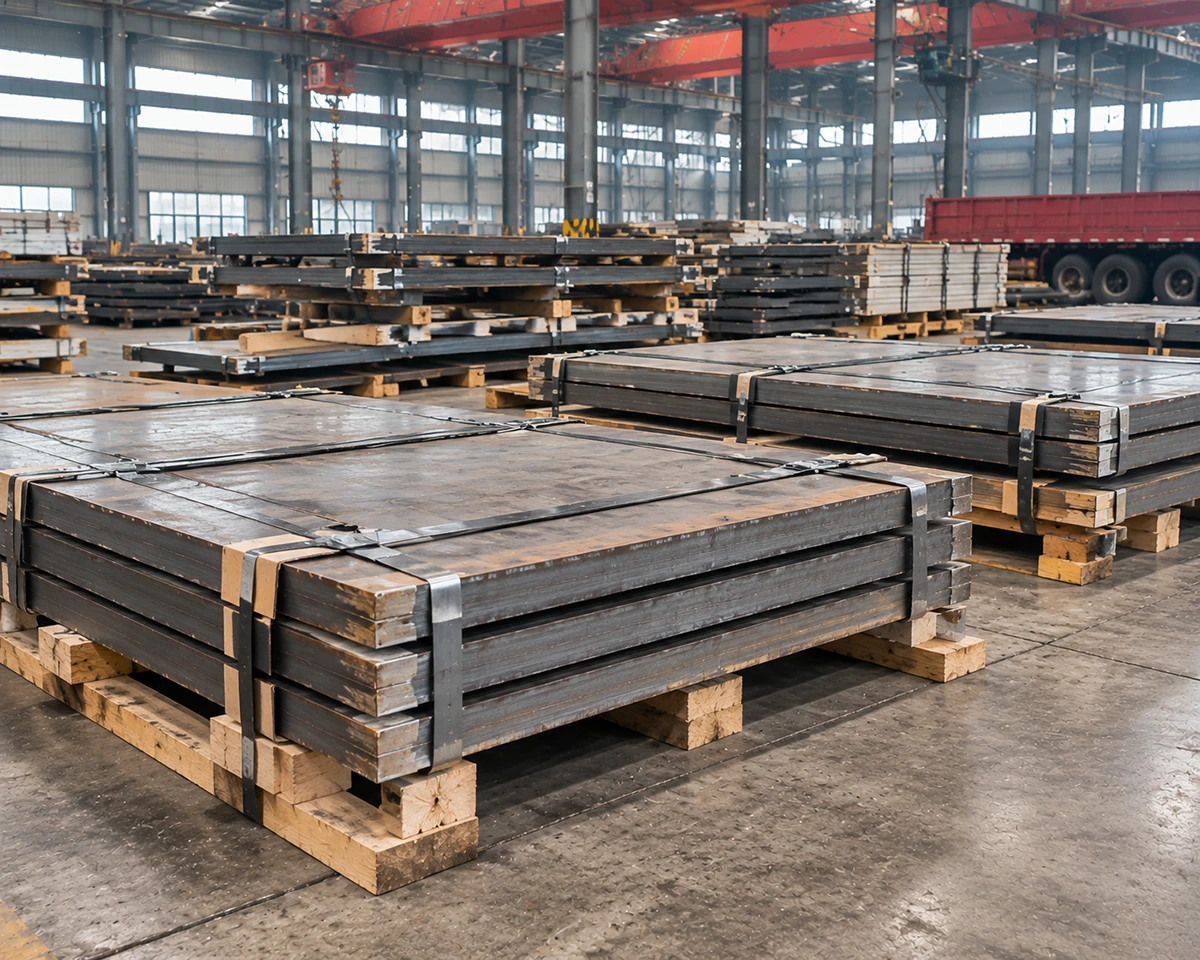
Send your FH36 material list, class documentation requirements, shipment volumes and destination port. Your quotation will confirm material marking, packing, handling and delivery arrangements.
Compare the specified yield class and Charpy temperature before choosing the grade in your approved ship drawings.
355 MPa minimum yield, 0°C Charpy reference.
View AH36 →355 MPa minimum yield, −20°C Charpy reference.
View DH36 →355 MPa minimum yield, −40°C Charpy reference.
View EH36 →355 MPa minimum yield, −60°C Charpy reference.
Grade selections are tied to design, inspection and class rules. Related grades are separate material acceptance requirements.
FH36 / F36 is a 355 MPa minimum yield grade, with 490–630 MPa tensile strength and 21% proportional-gauge minimum elongation under IACS UR W11 Rev.9.
FH36 is tested at −60°C. For full-size specimens, minimum average longitudinal energy is 34 J through 50 mm, 41 J above 50 to 70 mm and 50 J above 70 to 100 mm, subject to applicable class rules.
IACS W11 Rev.9 Table 5 includes normalized (N), thermo-mechanically rolled (TMCP) and quenched-and-tempered (QT) delivery for F36 plate through 100 mm, within approved producing-mill and class conditions.
State the nominated society, actual producing mill, thickness and testing scope. Confirm current mill approval, heat identification, impact records and the required class material certificate.
Send grade FH36, dimensions, tonnage, classification society, −60°C Charpy requirements, requested delivery date, inspection scope and port of destination.
Send your required grade, dimensions, quantity and destination. Our team will review the inquiry.